How Thin an Affected Birman Kitten’s Coat Stays
When you welcome a new Birman kitten into your home, you expect a fluffy, affectionate companion. Discovering an unusually thin or sparse coat on your little one is incredibly distressing, as it often signals a severe underlying genetic condition called FOXN1 hypotrichosis, which profoundly impacts their health and very short lifespan. This guide will walk you through what such a thin coat means for your Birman kitten, its deeper implications, and the compassionate care required.
Understanding FOXN1 Hypotrichosis in Birman Kittens
The appearance of a kitten with an unusually sparse or absent coat is a heartbreaking indicator of FOXN1 hypotrichosis, a genetic disease specific to the Birman breed. This condition is far more than just a cosmetic issue; it's a profound health challenge that signals a critical immune deficiency.
The Genetic Basis of Hair Loss
At its core, FOXN1 hypotrichosis is caused by a mutation in the FOXN1 gene. This gene is crucial for the normal development of hair follicles and the thymus gland. When a Birman kitten inherits two copies of this mutated gene (one from each parent), the result is a failure in both hair growth and immune system development. Specifically, they suffer from thymic aplasia, meaning their thymus gland, a vital organ for producing T-cells (a key part of the immune system), is either absent or severely underdeveloped. This is why the condition is so much more serious than simple hair loss. It's a double whammy: a kitten that cannot regulate its body temperature effectively due to a lack of fur, and one that is virtually defenseless against common infections. To understand the root cause, you might want to learn more about What FOXN1 Does to a Birman Kitten.
Visual Characteristics of an Affected Coat
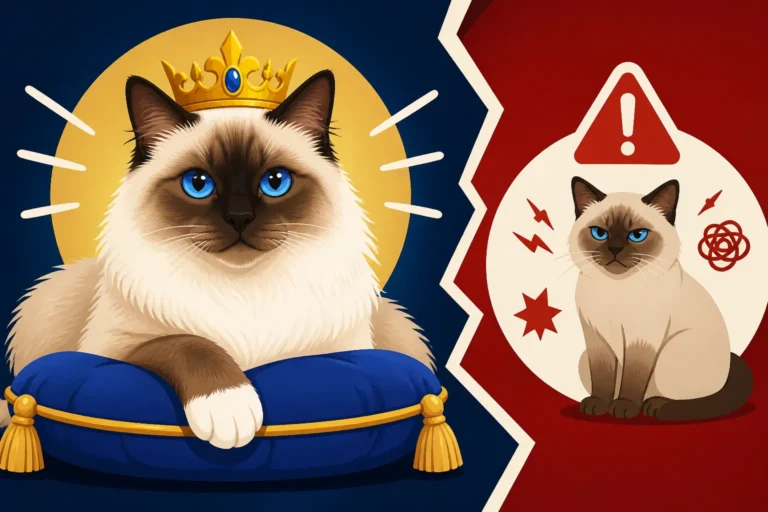
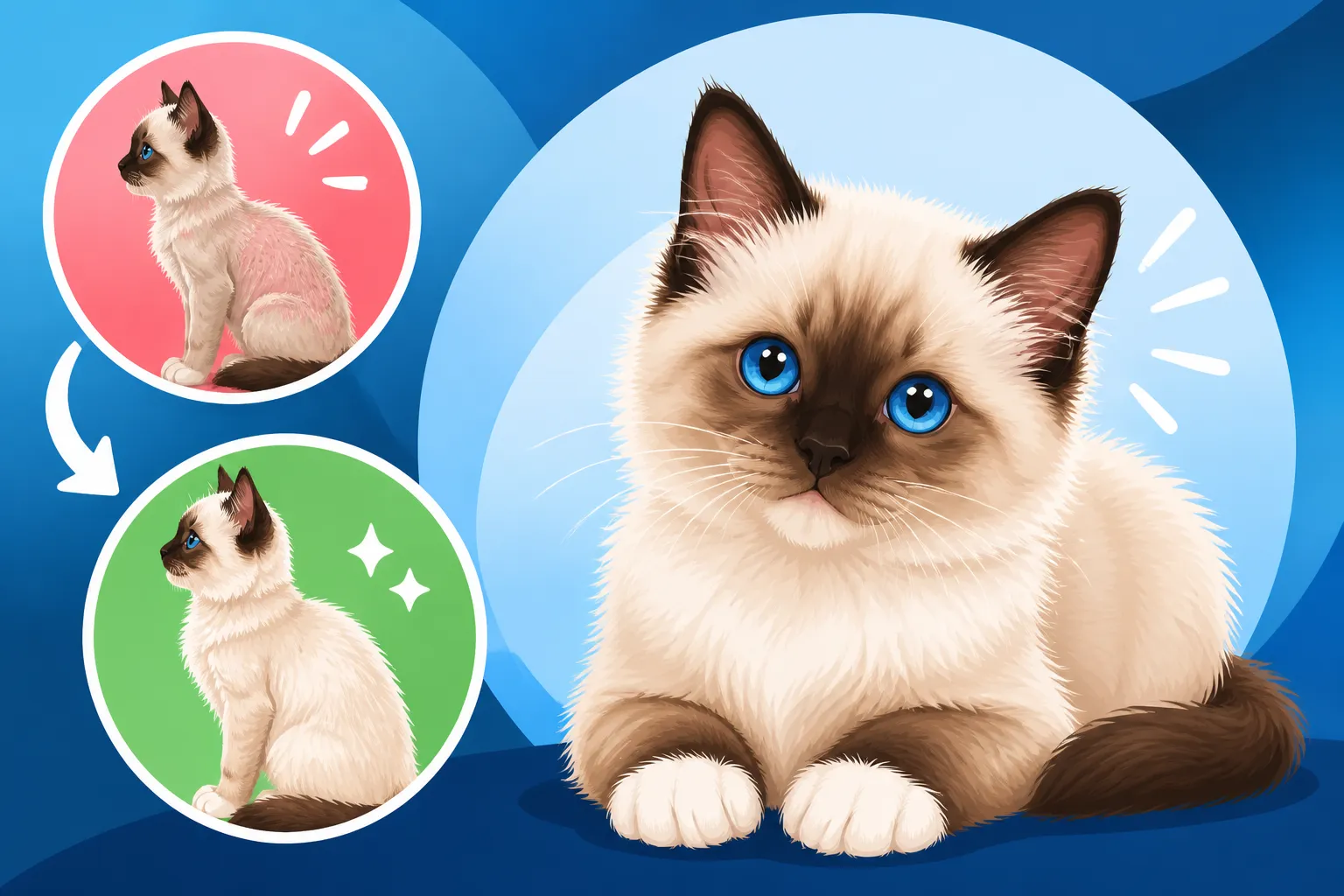
A Birman kitten affected by FOXN1 hypotrichosis is often described as "bald" or "hairless," but the reality can be a spectrum. While some kittens are born almost entirely devoid of fur, others might have a noticeably thin, downy, or patchy coat that fails to develop normally. Imagine trying to run your hand through what should be a plush, silky Birman coat, only to find sparse, wispy strands or bare patches, particularly around the head, ears, and belly. The coat that is present often has a greasy appearance, a result of skin glands overcompensating for the lack of protective fur. Whiskers might be sparse, broken, or entirely absent, which further impacts the kitten's sensory perception. This isn't just about looking different; it's about the lack of insulation, protection, and sensory input that a normal coat and whiskers provide. The stark contrast between an affected kitten and its healthy, fluffy littermates is often the first, profoundly concerning sign for breeders and owners. If you're wondering what to look for, checking What an Affected Birman Kitten Looks Like at Birth can offer further insight.
The Profound Health Challenges Beyond a Thin Coat
The thin, sparse coat of a Birman kitten with FOXN1 hypotrichosis is merely the visible tip of a much larger, life-threatening iceberg. The true danger lies in the systemic failures it signifies, primarily the lack of a functioning immune system and severe difficulties with temperature regulation.
Vulnerability to Environmental Factors
Without a proper coat, a Birman kitten cannot maintain its body temperature. Imagine a tiny creature, born into a world where it struggles constantly to stay warm, even in a cozy home environment. They are incredibly susceptible to hypothermia, which can quickly become fatal. A draft from an open door, a slightly cooler room temperature, or even the natural drop in body temperature during sleep can put them at extreme risk. This constant battle against the cold also saps their energy, diverting resources that a healthy kitten would use for growth and immune function.
Beyond temperature, their unprotected skin is highly vulnerable. Normal kitten play, a scratch from a littermate, or even abrasive bedding can cause skin irritation, sores, and secondary infections, turning minor incidents into significant health crises. Regular grooming, which for a healthy Birman involves maintaining a beautiful, mat-free coat, becomes a delicate dance of keeping the skin clean and moisturized without causing further stress. This lack of natural protection means every interaction with their environment, from bedding choices to ambient temperature, must be meticulously controlled. This extreme fragility underscores Why a Bald Birman Kitten Catches Every Infection.
Secondary Health Concerns and Prognosis
The real tragedy of FOXN1 hypotrichosis is the thymic aplasia. This means the kitten's immune system is severely compromised, making them utterly defenseless against common viruses, bacteria, and fungi that healthy cats easily fend off. Even minor infections, such as a routine upper respiratory infection or a mild stomach bug, can quickly escalate into severe, life-threatening illnesses like pneumonia or sepsis. These kittens are often plagued by persistent infections that are difficult to treat, requiring aggressive and constant veterinary intervention.
Despite the best efforts, the prognosis for these kittens is grim. Most affected Birman kittens unfortunately do not survive beyond a few months of age. Their tiny bodies simply cannot withstand the relentless onslaught of infections combined with the struggle to maintain body temperature and overall vitality. The decision to humanely euthanize an affected kitten is a difficult but often necessary one, made to prevent prolonged suffering. It's a sad reality that Why a Birman Kitten Born Bald Will Not Reach Eight Months and Why Birman Hypotrichosis Is Called Short Life Expectancy are such common discussions among those familiar with the breed.
Providing Compassionate Care for Affected Birman Kittens
Caring for a Birman kitten with FOXN1 hypotrichosis is an incredibly demanding and emotionally taxing endeavor. It requires unwavering dedication, constant vigilance, and close collaboration with veterinary professionals. The goal is to provide comfort, minimize suffering, and offer the best possible quality of life for the short time they have.
Creating a Protective Environment
For these fragile kittens, their environment becomes their primary defense mechanism. Maintaining a consistently warm, draft-free, and impeccably clean living space is paramount. This isn't just about a cozy blanket; it often involves specialized incubators or heated beds that can precisely regulate temperature. Owners might consider using soft, non-abrasive bedding materials that won't irritate their delicate, exposed skin. For example, a thick, plush fleece blanket or even purpose-made kitten 'nests' can offer both warmth and comfort.
Strict hygiene protocols are essential to prevent infections. This means frequent cleaning of their living area, regular washing of bedding, and diligent hand hygiene for anyone interacting with the kitten. Any change in their immediate surroundings, even minor ones like introducing a new toy, needs careful consideration to avoid stress or potential exposure to pathogens. Many owners find themselves becoming hyper-vigilant, constantly monitoring their kitten's temperature, breathing, and general demeanor for any subtle sign of distress or illness. Ensuring the air isn't too dry is also important, as this can exacerbate skin issues for a kitten without a protective coat.
Nutritional Support and Veterinary Oversight
Proper nutrition is critical, but also challenging. These kittens need a highly digestible, nutrient-dense diet to support their growth and immune system as much as possible, despite its inherent deficiencies. Often, this means specialized kitten milk replacers or high-quality wet food, administered frequently and in small amounts. Hydration is equally vital, and sometimes subcutaneous fluids are necessary if the kitten is reluctant to drink. The kitten's weight must be monitored daily, as any drop can quickly signal a decline in health.
Veterinary care becomes a partnership, an ongoing dialogue between you and your vet. Regular check-ups are more frequent and intensive than for a healthy kitten, often involving blood work to track their immune status and to catch infections early. Your vet will advise on preventative measures, such as specific vaccinations (though immune-compromised kittens might not respond fully) and parasite control tailored to their fragile state. Discussions about antibiotic and antiviral medications will be common, ready to be deployed at the first hint of infection. A robust pet insurance plan, like one from Healthy Paws, might be invaluable in offsetting the significant costs associated with such intensive care, allowing you to focus on your kitten's well-being without financial strain. It's a journey filled with difficult decisions, but ensuring the kitten is never in pain and always comfortable is the guiding principle. Understanding How Many Months an Affected Birman Kitten Survives often leads to these crucial care discussions.
Safeguarding the Birman Breed: Prevention Through Responsible Breeding
The devastating reality of FOXN1 hypotrichosis underscores the immense responsibility of Birman breeders. While providing compassionate care for an affected kitten is crucial, the ultimate goal for the breed's future is prevention. This comes down to rigorous genetic testing and adhering to the highest ethical standards in breeding practices.
Importance of Genetic Testing
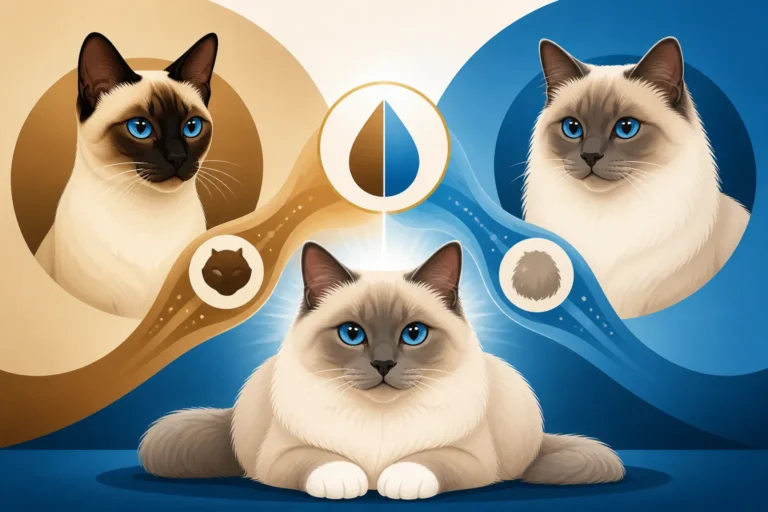
Thankfully, a reliable DNA test exists for FOXN1 hypotrichosis. This test allows breeders to determine if a prospective breeding cat is clear of the mutation, a carrier (meaning they have one copy of the mutated gene but are healthy themselves), or affected (having two copies and suffering from the disease). Every Birman cat intended for breeding must be tested for this condition. Reputable breeders will openly share these results, often including them in the kitten's paperwork.
Knowing the genetic status of parent cats is the only way to avoid producing affected kittens. A carrier cat, while healthy, should never be bred with another carrier. If two carriers are mated, there's a 25% chance in each litter that a kitten will inherit two copies of the mutated gene and be affected. By carefully selecting mates, breeders can ensure that no kitten is born with this heartbreaking condition. This is why it's so important to ask Which Lab Runs the Birman FOXN1 Test and to understand How a Birman Carrier Is Identified before choosing a breeder.
Ethical Breeding Practices
Ethical breeding goes beyond just genetic testing. It involves a deep commitment to the health and welfare of the entire breed. This means keeping accurate records of all test results, ensuring breeding cats are healthy and well-cared for, and being transparent with prospective buyers. A responsible breeder will never knowingly breed two carriers together. If a carrier cat is part of a valuable breeding line, it can still be bred, but only with a cat that has tested clear for FOXN1, thereby guaranteeing that no affected kittens will be produced. Any kittens from such a pairing should also be tested, and any carrier offspring should be carefully managed in future breeding plans.
Beyond FOXN1, responsible breeders also test for other known Birman health concerns like Hypertrophic Cardiomyopathy (HCM) and Polycystic Kidney Disease (PKD1). While these might be separate genetic issues, they collectively speak to a breeder's commitment to the long-term health of their lines. When purchasing a Birman kitten, it's crucial to seek out breeders who prioritize health, conduct comprehensive genetic testing, and are open about their practices. A transparent breeder will share parental test results and provide a health guarantee. This rigorous approach ensures that the beautiful Birman breed continues to thrive, free from preventable genetic diseases. Understanding Why Two Birman Carriers Should Never Be Mated is a cornerstone of such ethical practices, minimizing suffering and promoting the health of future generations.
Genetic Trait Comparison in Birman Kittens
To illustrate the difference between a healthy Birman kitten and one affected by FOXN1 hypotrichosis, here's a comparative overview:
| Feature | Healthy Birman Kitten | FOXN1 Affected Birman Kitten |
|---|---|---|
| Coat Appearance | Dense, silky, full, with a plush feel. Point coloration developing. | Sparse, very thin, downy, patchy, or almost bald. Often greasy in texture. |
| Whiskers | Full, long, and stiff. | Sparse, short, broken, or absent. |
| Immune System | Fully developed and functional, producing T-cells. | Severely compromised (thymic aplasia), T-cells largely absent. |
| Temperature Regulation | Excellent, coat provides insulation. | Poor, highly susceptible to hypothermia. |
| Vulnerability to Infection | Low to moderate (normal kitten risks). | Extremely high, prone to severe and recurrent infections. |
| Prognosis | Excellent, with proper care can live 12-16 years or more. | Poor, rarely survives beyond a few months of age. |
| Veterinary Needs | Routine vaccinations, deworming, check-ups. | Intensive, constant monitoring, aggressive treatment of infections. |
Disclaimer
The information provided in this article is for educational purposes only and should not be considered a substitute for professional veterinary advice. Always consult with a qualified veterinarian for any health concerns or before making any decisions about your pet's health or treatment.