At What Age a Birman’s Heart Starts to Thicken
It’s a truly frightening thought, isn’t it? The idea that your beloved Birman, a cat known for its placid nature and affectionate presence, might be silently developing a serious heart condition. Many of us worry about our Birmans reaching their full, happy lifespans, and heart disease, particularly Hypertrophic Cardiomyopathy (HCM), is a concern that weighs heavily on the minds of owners and breeders alike. This guide will walk you through when a Birman's heart typically begins to thicken, what to look for, and how best to support your feline family member through proactive care and understanding.
Understanding HCM in Birman Cats
When we talk about a Birman's heart thickening, we're almost always referring to Hypertrophic Cardiomyopathy, or HCM. It's the most common heart disease in cats, and unfortunately, Birmans are one of the breeds with a known predisposition. It's a condition that can steal years from our precious companions, often without showing clear signs until it's quite advanced.
What is Hypertrophic Cardiomyopathy HCM?
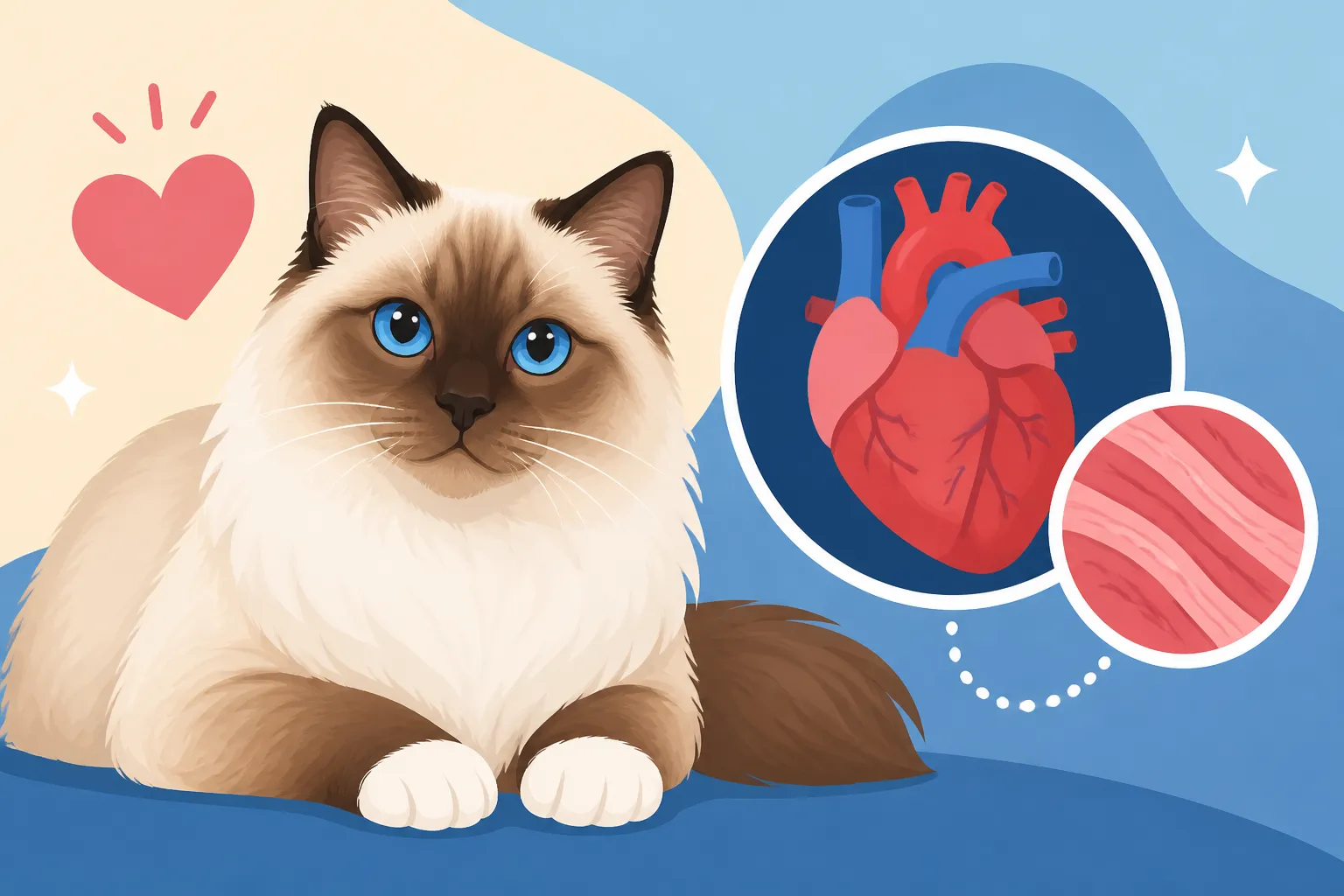
Simply put, HCM is a disease of the heart muscle. In affected cats, the walls of the heart’s main pumping chamber, the left ventricle, become abnormally thick. Imagine the walls of a balloon getting thicker and thicker, making the space inside smaller. That's essentially what happens with HCM. This thickening reduces the heart's ability to pump blood effectively throughout the body, and it also makes it harder for the heart to relax and fill with blood between beats.
This reduced efficiency can lead to several serious issues. Blood flow can become turbulent, which can create a murmur that a vet might hear. More critically, the thickened muscle requires more oxygen, but the constricted blood vessels struggle to supply it. This can lead to heart failure, where fluid builds up in the lungs or around the lungs, causing breathing difficulties. In some severe cases, blood clots can form in the heart and travel to other parts of the body, most commonly blocking blood flow to the back legs, a devastating complication known as a saddle thrombus. It’s a progressive disease, meaning it tends to get worse over time, though the rate of progression varies wildly from cat to cat.
Why Birmans are Susceptible
The Birman's beauty and gentle temperament are a testament to careful breeding, but like many purebred cats, they carry certain genetic predispositions. For Birmans, this includes a higher risk for HCM compared to the general cat population. While the exact genetic mutation responsible for HCM in Birmans isn't as clearly identified as it is in some other breeds like the Maine Coon or Ragdoll, a familial link is undeniable. This means that if a Birman’s parents or close relatives had HCM, the kitten has a higher chance of developing it.
The historical context of the breed's development also plays a role. As you might know, The Birman Was Rebuilt From Two Cats and It Shows. This genetic bottleneck means that any genetic vulnerabilities present in those founding cats or introduced during necessary outcrossing to save the breed could have become more prevalent within the gene pool. Reputable breeders work tirelessly to screen their breeding cats, but the insidious nature of HCM means it can still appear, even in carefully managed lines. The breed's journey through history means understanding its health challenges is paramount for every owner.
When Heart Thickening Typically Begins
One of the most frustrating aspects of HCM is its unpredictable nature. There isn't a single, definitive age when a Birman's heart suddenly thickens. It's a gradual process, and the onset can be incredibly varied.
The Silent Progression of HCM
Imagine a silent intruder, working slowly and stealthily. That's often how HCM behaves. Your Birman might appear completely healthy, playing, eating, and interacting normally, while changes are slowly occurring in their heart muscle. This "silent phase" is precisely why early and regular screening is so crucial, particularly for breeds like the Birman. Many cats don't show any outward symptoms until the disease has progressed significantly, reaching a point where the heart's function is severely compromised.
Symptoms, when they do appear, can be vague and easily mistaken for other issues or simply a cat "slowing down." These might include subtle lethargy, a decreased appetite, or less enthusiasm for play. It’s only when the heart begins to fail that more obvious signs like labored breathing, open-mouthed breathing, or even sudden collapse become apparent. By this point, the disease is often advanced, making treatment more challenging and prognosis less favorable. This silent progression underscores why relying solely on observable symptoms is insufficient for a breed at risk for HCM.
Average Age of Onset and Progression
While every Birman is an individual, studies and veterinary experience suggest that HCM can manifest at a wide range of ages. We often see the earliest signs of heart wall thickening in Birmans detected during echocardiogram (echo) screenings in young to middle-aged cats, typically between 1 and 7 years old. However, it's not unheard of for it to be diagnosed in cats as young as a year or even older individuals in their senior years. The crucial point here is that it's not just an "old cat" disease; younger Birmans can and do develop it.
The progression rate is equally varied. Some Birmans might have a very mild form of HCM that progresses slowly over many years, allowing them to live a relatively normal lifespan with careful management. Others can experience rapid progression, leading to severe symptoms and complications much more quickly. This variability makes it impossible to predict an individual cat's course without regular monitoring. This is why a dedicated approach to health screening, including regular heart checks, is absolutely vital throughout your Birman’s life, starting from their youth. It's a long commitment, as The Twelve to Sixteen Years a Birman Usually Gets requires ongoing vigilance.
Early Detection and Monitoring
Given the silent nature of HCM, proactive detection is the best defense. This means understanding the screening methods available and committing to regular veterinary check-ups.
The Importance of Regular Echo Scans
When it comes to detecting HCM, the gold standard is an echocardiogram, or "echo." This is a specialized ultrasound of the heart that allows a veterinary cardiologist to visualize the heart's structure and function in real-time. They can measure the thickness of the heart walls, assess the size of the heart chambers, and observe how well the heart is pumping. It’s the only reliable way to directly diagnose HCM and monitor its progression. This is why an Echo Is the Only Way to Screen a Birman.
For breeding Birmans, regular echo scans are non-negotiable, often recommended annually or biennially, depending on the lines and previous results. For pet Birmans, especially if their lineage is known to have HCM, annual or bi-annual scans, particularly from the age of one year, are highly recommended. While it might seem like a significant expense, catching HCM early can lead to better management and potentially a longer, more comfortable life for your cat. Many pet insurance providers, like Healthy Paws, offer coverage for diagnostic tests, which can help offset these costs. Discuss with your vet and a veterinary cardiologist the appropriate screening schedule for your individual Birman, considering their age, health history, and any known family history of HCM.
What Vets Look For During an Examination
Your regular vet plays a critical role in your Birman's overall health, and a thorough physical exam is the first line of defense. During a routine check-up, your vet will always listen carefully to your Birman's heart using a stethoscope. They're listening for a heart murmur, an abnormal whooshing sound that can indicate turbulent blood flow, often caused by the changes in blood dynamics due to a thickened heart muscle. They'll also check for any gallop rhythm, an extra heart sound that can be a red flag for significant heart disease.
However, and this is crucial, the absence of a murmur does not mean your Birman is free of HCM. Many cats with HCM, particularly in the early stages, do not have an audible murmur. Conversely, some cats can have an innocent murmur that isn't indicative of heart disease. Therefore, while a murmur will certainly prompt your vet to recommend further investigation, like an echo, Whether Annual Listening Is Enough for a Pet Birman is a question often answered with a resounding "no" for at-risk breeds. Your vet will also feel your cat's pulse, check their mucous membranes, and assess their overall body condition. Any changes in behavior, appetite, or energy levels that you report are also vital clues.
Managing HCM and Supporting Heart Health
If your Birman is diagnosed with HCM, it can be a devastating diagnosis, but it’s not necessarily a death sentence. There are ways to manage the condition and help your cat maintain a good quality of life.
Lifestyle Adjustments and Dietary Considerations
Managing HCM often involves a multi-faceted approach, starting with adjustments at home. Keeping your Birman in a calm, low-stress environment is paramount. Stress can elevate heart rate and blood pressure, potentially exacerbating the condition. Gentle play is fine, but avoid activities that are excessively strenuous or cause your cat to become overly agitated. Remember, Why a Birman Hides Illness Behind a Placid Temperament, so being extra observant of subtle changes is vital.
Dietary changes are also often recommended. Your vet or cardiologist might suggest a low-sodium diet to help manage fluid retention, which can be a concern if heart failure develops. They might also recommend specific supplements, such as taurine (though deficiencies are rare with quality commercial foods), L-carnitine, or Omega-3 fatty acids, which are thought to support heart health. High-quality wet food is generally preferred as it aids in hydration, which is good for overall kidney health too. It's essential to follow your vet's dietary recommendations strictly, as sudden changes or inappropriate diets can do more harm than good. Brands focused on specialized veterinary diets, such as Royal Canin or Hill's Prescription Diet, often have options formulated for cardiac support.
Veterinary Interventions and Medications
Once HCM is diagnosed, especially if there are signs of progression or symptoms, your Birman's cardiologist will likely recommend a course of medication. The specific drugs used depend heavily on the severity of the disease and the individual cat's condition. Common medications include:
- Beta-blockers (e.g., atenolol): These help slow the heart rate, reduce the heart's workload, and allow the ventricles more time to fill with blood.
- Calcium channel blockers (e.g., diltiazem): These also help relax the heart muscle and improve its ability to fill.
- ACE inhibitors (e.g., enalapril, benazepril): These can help dilate blood vessels, reducing the resistance the heart has to pump against, and can also help with kidney function.
- Diuretics (e.g., furosemide): If fluid buildup (heart failure) is present, diuretics help the body shed excess fluid.
- Anti-clotting medications (e.g., clopidogrel, aspirin): For Birmans at high risk of developing blood clots, these medications can help prevent this potentially fatal complication. How a Birman's Thickened Heart Throws a Clot to Its Legs is a terrifying prospect, so preventative measures are crucial.
The goal of these medications is to slow the progression of the disease, alleviate symptoms, and improve your Birman's quality of life. Regular follow-up appointments with the cardiologist, including repeat echo scans and blood tests, will be necessary to monitor the effectiveness of the treatment and adjust dosages as needed. It's a long-term commitment, but with dedicated care, many Birmans with HCM can still live comfortably for years.
What a Cardiologist Measures on a Birman's Heart Wall
During an echocardiogram, a veterinary cardiologist uses sophisticated ultrasound technology to get a real-time view of your Birman's heart. They take a series of precise measurements, focusing on several key indicators related to HCM:
- Left Ventricular Wall Thickness: This is the most direct measurement for HCM. The cardiologist measures the thickness of the interventricular septum (the wall separating the left and right ventricles) and the free wall of the left ventricle both during systole (when the heart contracts) and diastole (when it relaxes). In HCM, these walls will be abnormally thickened. Normal thickness varies by cat size, but values above 5-6 mm are generally considered indicative of hypertrophy.
- Left Atrial Size: The left atrium is the chamber that collects blood before it's pumped into the left ventricle. When the left ventricle struggles to relax and fill due to thickening, blood can back up into the left atrium, causing it to enlarge. An enlarged left atrium is a significant indicator of disease severity and a risk factor for complications like blood clots.
- Fractional Shortening (FS) and Ejection Fraction (EF): These measurements assess how efficiently the heart is pumping blood out to the body. While HCM is primarily a problem of the heart muscle itself becoming too thick, in advanced stages, the pumping ability can also be affected.
- Doppler Flow Studies: Doppler ultrasound allows the cardiologist to assess blood flow velocity and direction through the heart valves and chambers. They look for turbulent flow, which can indicate obstruction, or changes in how the mitral valve functions, which might lead to regurgitation.
These measurements, taken together with a thorough clinical examination, allow the cardiologist to stage the disease, prognosticate, and tailor a specific treatment plan for your Birman. Regular follow-up echoes allow them to track changes in these measurements over time, assessing the disease's progression and the effectiveness of medication. It truly is the most informative tool we have in the fight against feline HCM.
| Age Range | Recommended Heart Health Monitoring Activity | Purpose |
|---|---|---|
| Kitten (8-12 weeks) | Initial vet check-up including auscultation (listening to heart). | Establish baseline health, detect congenital murmurs (though rare). |
| 1 – 7 years | Annual veterinary examination with auscultation. For Birmans from known HCM lines or breeding cats, annual to biennial echocardiogram (echo) screenings are highly recommended. | Early detection of HCM before clinical signs appear. Monitoring for initial heart thickening. Critical period for diagnosis in many Birmans. The Age a Birman Starts Needing Yearly Heart Checks |
| 7 – 10+ years | Annual veterinary examination with auscultation. If no previous HCM diagnosis, consider an echo screening if any murmur is detected or if there is a family history of late-onset HCM. If diagnosed with HCM, regular follow-up echoes (every 6-12 months) as advised by cardiologist. | Monitor for age-related changes, track progression of existing HCM, adjust medication as needed. |
| Senior (10+ years) | Bi-annual veterinary examination with auscultation. Continue with cardiologist-recommended echo schedule if HCM is present. Monitor for signs of other age-related conditions that can affect heart health, such as hypertension or kidney disease. What an Old Birman Slows Down From First | Ongoing management of HCM, monitoring for complications, assessing overall geriatric health. |
Disclaimer
Please remember, the information provided here is for general educational purposes only and should not be considered a substitute for professional veterinary advice. Always consult with a qualified veterinarian or veterinary cardiologist regarding any health concerns or before making any decisions about your Birman's medical care.