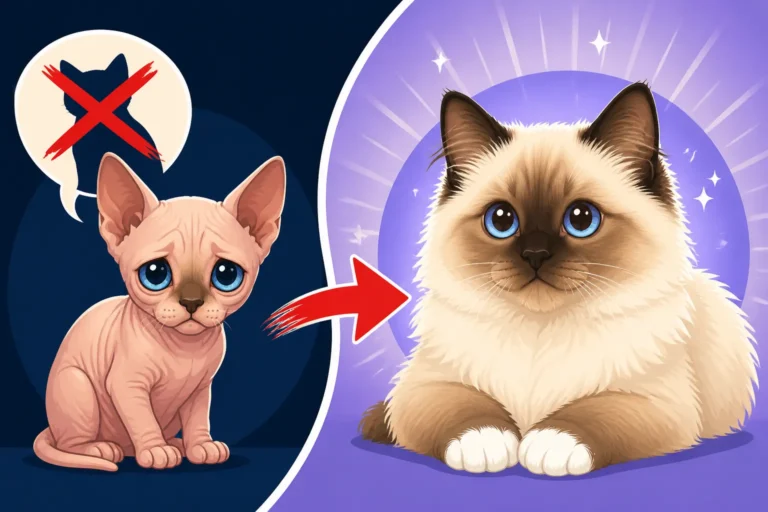
How a Birman Litter Is Protected From Isoerythrolysis
It’s a heartbreaking scenario no Birman breeder or owner ever wants to face: a litter of seemingly healthy, vibrant kittens suddenly starts to fade, becoming weak and listless within their first few days of life. This silent, insidious threat is often due to something called neonatal isoerythrolysis (NI), a condition that can devastate an entire litter if not understood and prevented. This comprehensive guide will walk you through exactly how a Birman litter is protected from isoerythrolysis, giving you the knowledge and actionable steps to safeguard these precious little lives.
Understanding Neonatal Isoerythrolysis in Birman Kittens
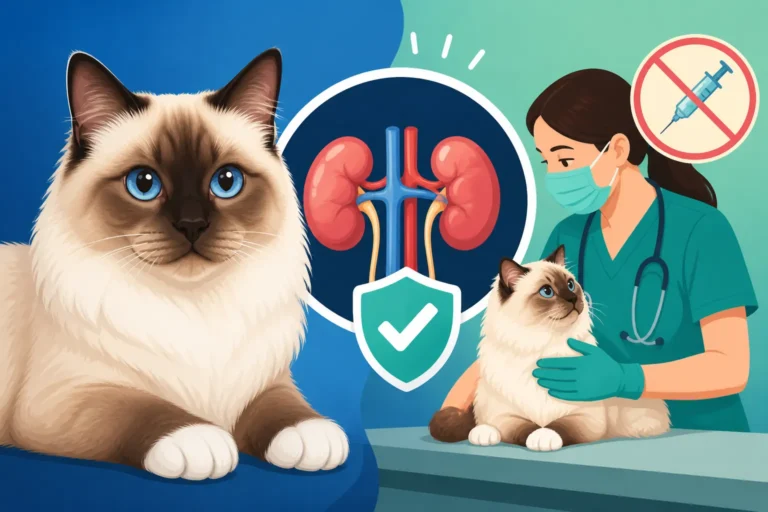
Neonatal isoerythrolysis, or NI, sounds like a mouthful, but at its heart, it’s an immune reaction that happens when a mother cat's antibodies attack her own kittens' red blood cells. It's a cruel twist of nature that turns the very colostrum designed to protect and nourish newborns into a dangerous toxin for them. For Birman breeders, understanding this condition is not just important, it's absolutely critical, because certain blood type distributions in the breed make Birmans particularly susceptible if improper matings occur.
The ABCs of Feline Blood Types and Birman Specifics
To truly grasp NI, we need to talk about feline blood types. Cats, much like humans, have different blood groups, and the most relevant system for this discussion is the AB blood group system. There are three main types: A, B, and AB. Type A is the most common, Type B is less common but present in several breeds, and Type AB is quite rare.
The crucial point here is that Type B cats naturally produce strong antibodies against Type A red blood cells, even without prior exposure. This is fundamentally different from humans, where antibodies only develop after exposure (like a blood transfusion). In Birmans, specifically, there's a higher prevalence of Type B blood compared to many other breeds, although Type A remains the most common. Studies have shown that while the majority of Birmans are Type A, a significant percentage, often around 10-15% or even higher in some lines, can be Type B. This makes it incredibly important to know How Many Birmans Have Blood Type B If you're dealing with a Type B queen, this fact elevates the risk of NI from a remote possibility to a very real concern. You might think, "Well, if my queen is Type A, I'm safe," but it's not quite that simple. The specific combination of parents' blood types is what creates the danger, and it's almost always centered around a Type B queen.
How Incompatibility Leads to Trouble: The Colostrum Connection
The actual mechanism of neonatal isoerythrolysis is rather insidious. It occurs when a Type B queen is mated with a Type A or Type AB tom, and at least some of the kittens inherit Type A or Type AB blood from their father. While these kittens are developing in the womb, there's generally no problem because the queen's antibodies don't cross the placental barrier effectively in cats. The real danger begins after birth.
During the first 24-48 hours of life, newborn kittens absorb antibodies from their mother's colostrum – the nutrient-rich first milk – which is vital for their immune protection. However, if the queen is Type B and the kitten is Type A (having inherited it from its Type A or AB father), the Type B queen's colostrum will contain potent anti-A antibodies. These antibodies, once absorbed into the Type A kitten’s bloodstream, will aggressively attack and destroy the kitten's red blood cells. This is a severe hemolytic anemia, leading to organ damage, weakness, and often death. It’s a tragic scenario, where the very first act of maternal care becomes a fatal threat. Understanding What Neonatal Isoerythrolysis Does to a Birman Litter is crucial for any breeder hoping to prevent such a devastating loss.
Proactive Breeding: Protecting Your Birman Litter Before Conception
The absolute best way to protect a Birman litter from isoerythrolysis is through prevention. Once the kittens are affected, treatment is often difficult and outcomes can be grim. This means that responsible breeding practices, starting long before a mating even takes place, are your strongest defense. Knowledge and planning are paramount, and it’s a commitment that responsible breeders take very seriously.
The Importance of Pre-Mating Blood Typing for Queens and Studs
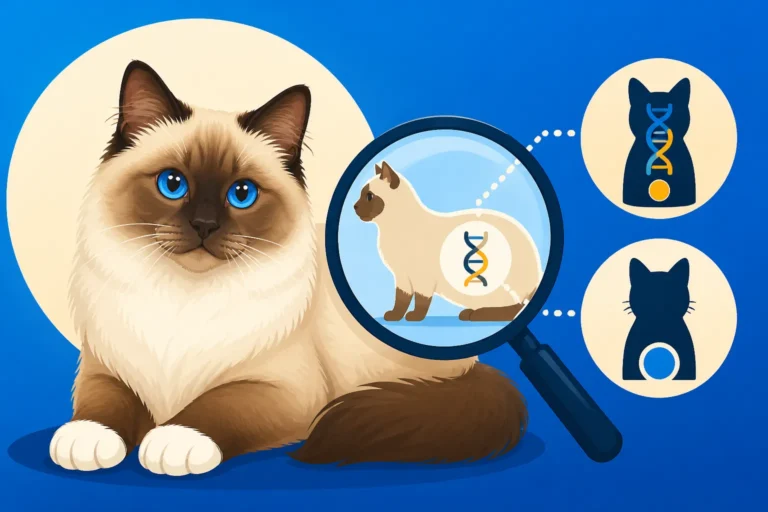
The cornerstone of preventing NI is knowing the blood types of both the queen and the potential stud before any mating occurs. This isn't an optional extra; it's a fundamental health test for all breeding cats, especially in breeds like the Birman where Type B is present. Blood typing is a straightforward process, usually involving a small blood sample sent to a specialized veterinary lab. The results will clearly indicate if a cat is Type A, Type B, or Type AB.
It’s important to note that you can't just assume a cat's blood type based on its parents or siblings, although pedigree can give you clues. Each individual breeding cat needs to be tested. This is particularly vital for a queen, because if she is Type B, she represents the primary risk factor for NI. As we discussed, Why a Birman's Blood Type Matters at Mating cannot be overstated, as ignoring this simple test can lead to devastating consequences for an entire litter. Many breeders include blood typing as part of their comprehensive health panel, alongside tests for genetic conditions like FOXN1 and PKD1. Knowing Which Tests Belong on a Birman Panel provides a holistic view of a cat's health status before breeding.
Strategic Mating: Avoiding Incompatible Pairings
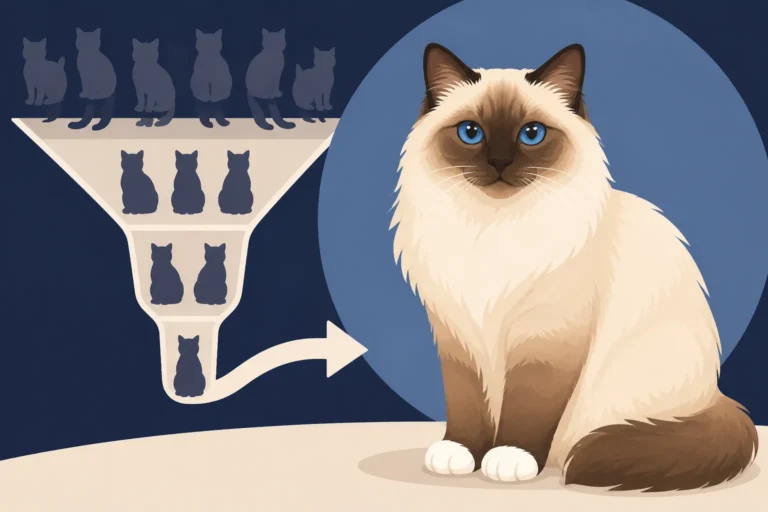
Once you have the blood types for both your queen and your potential stud, you can make informed decisions about pairings. The goal is to always avoid a situation where a Type B queen is mated with a Type A or Type AB stud.
Here’s a simple breakdown of compatible and incompatible matings:
- Type A Queen x Type A Stud: All kittens will be Type A. No risk of NI.
- Type A Queen x Type B Stud: Kittens can be Type A or Type AB (depending on the A gene's dominance). The queen's colostrum will not contain anti-A antibodies. No risk of NI.
- Type B Queen x Type B Stud: All kittens will be Type B. No risk of NI.
- Type B Queen x Type A Stud: This is the high-risk pairing. Kittens will be Type A. The Type B queen's colostrum contains strong anti-A antibodies, leading to NI in all Type A kittens. This is precisely Why a Type B Birman Queen Is a Problem when mated incorrectly.
- Type AB Queen x Type A Stud: Kittens can be Type A or Type AB. No risk of NI.
- Type AB Queen x Type B Stud: Kittens can be Type A or Type AB. No risk of NI.
To make this clear, here's a helpful table summarizing mating outcomes:
| Queen's Blood Type | Stud's Blood Type | Kitten's Potential Blood Type | Risk of Neonatal Isoerythrolysis (NI) |
|---|---|---|---|
| Type A | Type A | Type A | No Risk |
| Type A | Type B | Type A or Type AB | No Risk |
| Type B | Type B | Type B | No Risk |
| Type B | Type A | Type A | HIGH RISK (NI likely) |
| Type B | Type AB | Type A or Type AB | HIGH RISK (NI likely for A/AB kittens) |
| Type AB | Type A | Type A or Type AB | No Risk |
| Type AB | Type B | Type A or Type AB | No Risk |
As you can see, the red flag is always a Type B queen with a Type A or AB stud. Responsible breeders will meticulously plan their matings to ensure these incompatible pairings never happen. This level of foresight is a hallmark of good breeding practice and drastically reduces the chances of a tragic outcome. Ensuring your breeding cats are regularly screened for blood type, ideally How a Birman's Blood Type Is Tested, is a non-negotiable step.
Emergency Measures: Safeguarding an At-Risk Birman Litter
Despite the best intentions, sometimes mistakes happen, or circumstances mean an incompatible mating has occurred. Perhaps a new cat was acquired, and its blood type wasn't known in time, or an emergency mating took place. If you find yourself with a Type B queen who has been mated to a Type A or AB stud, don't despair entirely. There are emergency measures you can take, though they require immediate and diligent action the moment the kittens are born.
Early Intervention: Preventing Colostrum Ingestion
The critical window for NI is the first 24-48 hours after birth, specifically when the kittens ingest colostrum. The anti-A antibodies are present in the colostrum, and once the kitten's gut closes (becomes less permeable to large protein molecules like antibodies), the risk from future nursing decreases significantly. Therefore, the primary emergency strategy is to prevent any at-risk kittens from nursing from their Type B mother during this crucial period.
This means you must be present for the birth and immediately identify and remove any kittens that are potentially Type A from their mother. Without a rapid blood test for the kittens at birth, you would have to assume all kittens are at risk if their father was Type A or AB and the mother is Type B. These kittens would then need to be hand-reared for the first 24-48 hours, receiving milk replacer instead of colostrum. Why Birman Kittens Are Sometimes Hand Reared for Days is exactly for situations like this, and it requires immense dedication.
After the 24-48 hour window, the kittens can usually be returned to their mother to nurse, as their intestinal lining will have "closed," meaning they can no longer absorb the large antibody molecules from the milk. However, monitoring remains essential. This is an incredibly labor-intensive process, requiring round-the-clock feeding and careful temperature regulation for newborns who are not getting the natural warmth and stimulation of their mother. It highlights the importance of preventative blood typing, making these stressful emergency measures unnecessary.
Supportive Care for Affected Birman Kittens
If prevention wasn't possible, or if, despite your best efforts, kittens start showing signs of NI, immediate veterinary intervention is paramount. This can involve supportive care aimed at combating the severe anemia and its effects. Options might include:
- Fluid therapy: To combat dehydration and support kidney function, as damaged red blood cells can put a strain on the kidneys.
- Oxygen therapy: If the anemia is severe enough to cause respiratory distress.
- Blood transfusions: In critical cases, a transfusion from a compatible, Type B adult cat might be necessary to replace the destroyed red blood cells. Finding a suitable donor can be challenging, but it can be life-saving.
- Warmth and nutrition: Continuing to provide a warm, stable environment and ensuring adequate nutrition through bottle-feeding or tube-feeding if the kitten is too weak to nurse.
The financial burden of such emergency care can be substantial, underscoring the value of proactive health management and potentially pet insurance policies like those offered by Healthy Paws that cover hereditary conditions, though the specifics for NI might vary based on when testing was done and policy terms. Always review your policy details carefully. While such treatments can be intense, early detection and swift action give these vulnerable kittens the best possible chance at survival.
Recognizing the Signs and Long-Term Outlook
Even with all the preventative measures and emergency plans in place, it's crucial to know what to look for, just in case. Recognizing the signs of neonatal isoerythrolysis quickly can make a significant difference in the outcome for an affected Birman kitten.
Identifying Symptoms of Neonatal Isoerythrolysis
The symptoms of NI usually appear within the first few hours or days of a kitten's life, typically after they've nursed from their mother. If you've got a Type B queen with a Type A stud, you need to be on high alert. The signs can be subtle at first, but they progress rapidly:
- Fading and weakness: Kittens may appear perfectly healthy at birth but quickly become lethargic, weak, and reluctant to nurse. They just don't have the energy to thrive.
- Pale mucous membranes: Check their gums and the insides of their eyelids. Instead of a healthy pink, they might be pale or even yellowish (jaundice), indicating severe anemia and red blood cell destruction.
- Dark urine: Hemoglobin from the destroyed red blood cells can be excreted in the urine, making it appear dark red or brown. This is a very serious sign.
- Failure to thrive: Affected kittens often lose weight, fail to gain weight, and fall behind their littermates in development. They might shiver or appear cold.
- Swollen abdomen: In some cases, there might be signs of internal organ damage, leading to abdominal swelling.
It's important to remember that a Birman's placid temperament can sometimes lead them to hide illness, even as tiny kittens, so vigilance is key. Why a Birman Hides Illness Behind a Placid Temperament can apply even to kittens, making careful observation critical. Any kitten showing these symptoms needs immediate veterinary attention. Don't wait, hoping they'll improve. Time is of the essence. Beyond NI, you should also be aware of What to Check on a Birman Kitten in Its First Week Home to rule out other common issues.
Prognosis and Ongoing Care for Recovering Kittens
The prognosis for kittens with severe neonatal isoerythrolysis is unfortunately guarded. Many affected kittens do not survive, even with intensive veterinary care. The severity of the anemia and the timing of intervention play a huge role. Kittens that receive prompt intervention, such as immediate removal from the mother and supportive care, have a better chance.
For those kittens that do survive the initial crisis, there can be long-term effects. Organ damage, particularly to the kidneys, liver, or brain, can occur due to oxygen deprivation and the toxic byproducts of red blood cell destruction. These kittens may require ongoing monitoring and potentially specialized care throughout their lives. Regular veterinary check-ups are essential to catch any delayed complications.
It's a stark reminder of why prevention truly is the best medicine when it comes to NI. Responsible breeding involves not just producing beautiful, healthy kittens but also ensuring their longevity and quality of life. Understanding feline blood types and meticulously planning matings are fundamental responsibilities of every Birman breeder, safeguarding the future of this beloved breed. If a kitten recovers but has lasting health issues, a robust pet insurance plan like those offered by Healthy Paws can provide much-needed financial support for ongoing veterinary expenses, ensuring they get the best possible care for their unique needs.
Disclaimer
The information provided in this article is for educational and informational purposes only and does not constitute veterinary advice. Always consult with a qualified veterinarian for any health concerns or before making any decisions about your pet's health or treatment.