Why a Birman’s Third Eyelid Should Not Show
It can be unsettling to glance at your beloved Birman and notice something just isn't quite right with their eyes. Specifically, seeing a sliver of that often-hidden third eyelid, also known as the nictitating membrane, can send a jolt of worry through any pet parent. Normally, this protective membrane tucks away neatly, doing its job behind the scenes. When it decides to make an unexpected appearance, it's a clear signal that something is amiss and definitely warrants your attention. This guide will walk you through why this happens, what it could mean for your Birman, and what steps you need to take to get them feeling comfortable and healthy again.
Understanding Your Birman's Third Eyelid
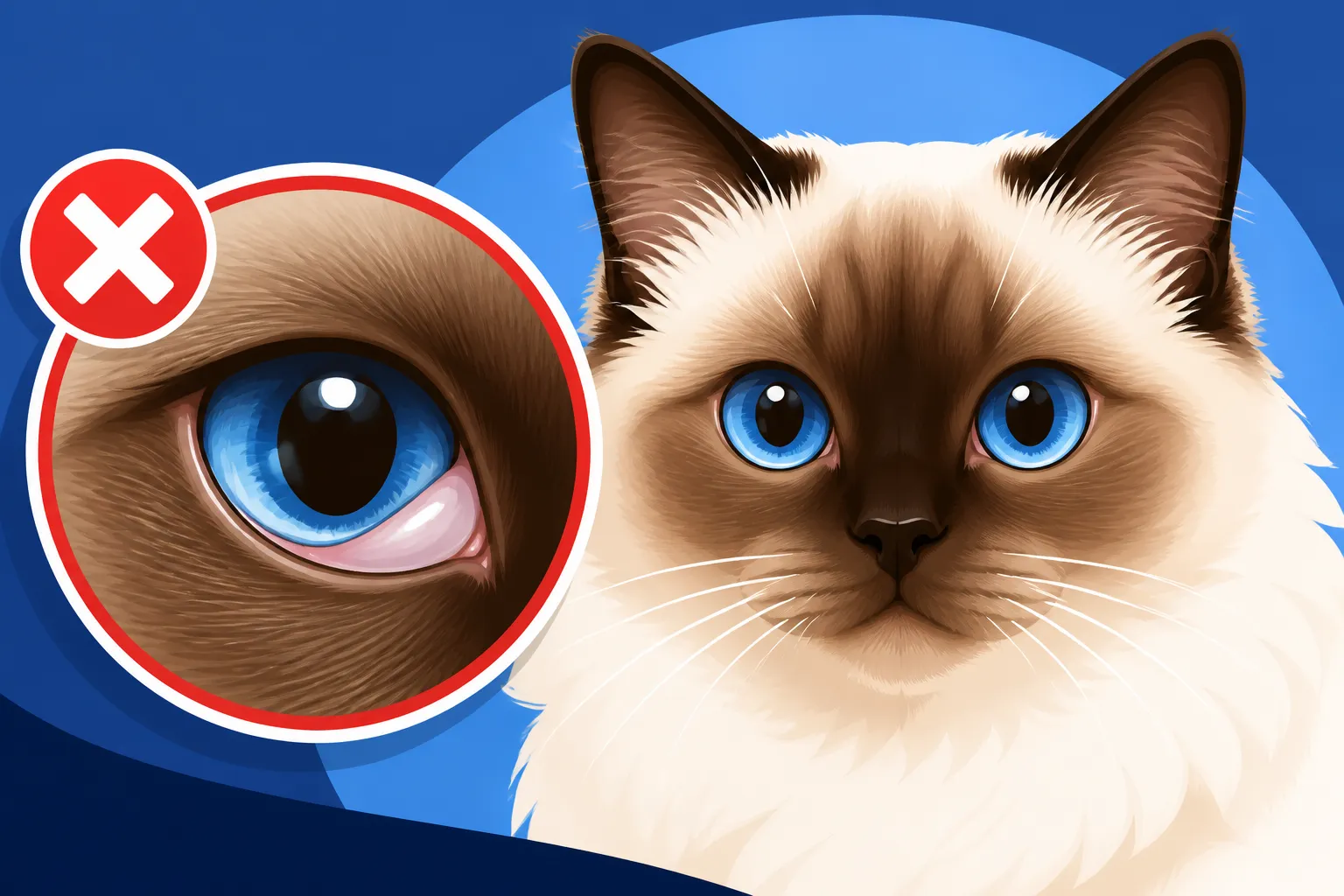
Every cat, including our beautiful Birmans, possesses a nictitating membrane, or third eyelid. Unlike our human eyelids that move vertically, this translucent, whitish-pink membrane sweeps horizontally across the eye, starting from the inner corner near the nose. It's a marvel of evolutionary design, serving several vital functions to keep your cat's eyes healthy and protected.
Its primary role is protection. Imagine your Birman, perhaps chasing a toy or exploring a new corner of the house. This third eyelid acts like a built-in shield, rapidly covering the eye to guard against dust, debris, scratches, or even bright lights. It's an incredibly swift reflex, often so quick you might not even notice it in action. Beyond immediate defense, it also plays a crucial part in maintaining ocular health by helping to distribute tear film across the surface of the eye. This keeps the eye lubricated and helps flush away irritants, contributing to the overall moisture balance. It even contains a tear gland that produces a significant portion of the cat's tears, further emphasizing its importance in keeping those lovely blue Birman eyes sparkling and clear.
Normally, this membrane is only visible for a fleeting moment during its sweep, or perhaps when your Birman is in a very deep sleep, almost like a thin, milky curtain. If you've ever watched your cat dream, you might catch a glimpse of it. However, if it remains persistently visible, even when your Birman is awake, alert, and seemingly relaxed, it's a sign that the physiological balance of their eye, or even their overall health, is disturbed. It’s not just an aesthetic concern; it’s a symptom, a visible red flag that something needs investigating.
Common Reasons Why a Birman's Third Eyelid Might Show
When your Birman’s third eyelid starts making a prolonged appearance, it’s rarely a standalone issue. It’s often a symptom pointing to an underlying problem, ranging from mild irritation to more serious systemic diseases. Understanding the potential causes can help you approach your veterinarian with a clearer picture of what might be going on.
One of the most frequent culprits is ocular irritation or injury. Think about it: if something is bothering the eye, the body's natural response is to protect it. This could be anything from a tiny speck of dust, a stray hair from their luxurious coat, or even a minor scratch on the cornea. Conjunctivitis, an inflammation of the conjunctiva (the mucous membrane lining the eyelids and covering the front of the eye), is also a common cause. This can stem from allergies, bacterial infections, viral infections (like feline herpesvirus, which many cats carry latent), or even fungal issues. You might notice additional signs like redness, discharge, or excessive blinking if this is the case.
Beyond direct eye issues, a visible third eyelid can be a symptom of systemic illness or general unwellness. Our Birmans are famously placid and can be masters at hiding discomfort or pain, making subtle signs like a protruding third eyelid incredibly important clues. If your Birman isn't feeling well overall, perhaps due to a fever, dehydration, or gastrointestinal upset, the muscles and nerves controlling the third eyelid can become relaxed or compromised, causing it to protrude. A cat suffering from dehydration, for instance, might have sunken eyes, which effectively makes the third eyelid appear more prominent. This is why it’s so important to consider their overall demeanor, appetite, and activity levels. If you notice your Birman is usually quite active but suddenly seems to be slowing down from their usual playful self, and their third eyelid is showing, it’s definitely time to pay close attention. Often, Why a Birman Hides Illness Behind a Placid Temperament makes it hard to spot these problems early.
Another specific condition that can cause this is Horner's Syndrome. This neurological disorder affects the sympathetic nerve supply to the eye and surrounding facial muscles. While it sounds serious, Horner's Syndrome itself isn't life-threatening and can sometimes resolve on its own. However, it can also be a symptom of a more serious underlying issue, such as trauma to the head or neck, a middle ear infection, or even a tumor. Along with a protruding third eyelid, you might observe a constricted pupil, a drooping upper eyelid, and a slightly sunken appearance of the eyeball on the affected side.
Finally, certain medications or even sedation can temporarily cause the third eyelid to protrude. If your Birman has recently had surgery, been to the vet for a procedure, or is on certain types of medication, this could be a side effect. It's always worth mentioning any new medications or recent treatments to your vet when discussing this symptom. It's also possible, though less common, for mass lesions or tumors behind the eye to push the eyeball forward, making the third eyelid appear more prominent. This is why a thorough examination is essential. You need to know How to Tell a Quiet Birman From an Unwell One to catch these subtle shifts.
Here's a quick overview of potential causes:
| Category | Common Examples | Additional Symptoms to Watch For |
|---|---|---|
| Ocular Issues | Conjunctivitis, Corneal injury, Allergies | Redness, discharge, squinting, excessive blinking, rubbing eyes |
| Systemic Illness | Fever, Dehydration, GI upset, Pain | Lethargy, decreased appetite, vomiting, diarrhea, general weakness |
| Neurological Conditions | Horner's Syndrome | Constricted pupil, drooping eyelid, sunken eye on affected side |
| Trauma | Head/eye injury, Fight wounds | Swelling, bruising, pain on touch, visible injury |
| Parasites | Roundworms (in young kittens, less common) | Pot-belly, poor coat, weight loss, vomiting/diarrhea (usually young cats) |
| Other | Mass lesions, Medications, Sedation, Aging | (Varies widely depending on specific cause) |
What to Expect at the Vet and Treatment Options
When you notice your Birman's third eyelid persistently showing, your immediate next step should always be a visit to your veterinarian. This isn't something to wait out, as it can indicate significant discomfort or an escalating health problem. Especially if you've seen other signs like lethargy, changes in appetite, or unusual behavior, don't delay. Early diagnosis and treatment are always best. Remember, Why a Birman That Stops Following You Needs a Vet is a critical indicator of illness.
During the veterinary visit, your vet will perform a thorough physical examination, paying particular attention to your Birman's eyes. They’ll likely start by observing your cat’s general condition and demeanor. Then, they will carefully examine both eyes, looking for any signs of redness, swelling, discharge, foreign bodies, or corneal damage. This might involve using an ophthalmoscope to look into the eye and a fluorescein stain test to check for corneal ulcers or abrasions. They may also check intraocular pressure if glaucoma is suspected, although this is less common with third eyelid protrusion. Rest assured, they'll be looking for Why a Birman's Eyes Should Be Checked at Every Visit.
Beyond the eyes, the vet will conduct a comprehensive physical exam to check for underlying systemic issues. This could include checking their temperature, listening to their heart and lungs, palpating their abdomen, and assessing their hydration status. They might also check their ear canals and oral cavity, as infections in these areas can sometimes be linked to neurological issues affecting the third eyelid. For older Birmans, this comprehensive check is especially vital, considering What a Birman's Yearly Panel Should Include After Eight.
Depending on the initial findings, your vet might recommend further diagnostic tests. These could include blood work (a complete blood count and chemistry panel to check for infection, inflammation, organ function, and hydration, including Which Blood Values a Birman's Kidney History Makes Important), urinalysis, or even imaging like X-rays or ultrasound if an internal mass or injury is suspected. If a neurological cause like Horner's Syndrome is suspected, they might perform specific neurological tests to pinpoint the issue.
Treatment will, of course, entirely depend on the underlying cause.
- For ocular irritation or infection: If it's a bacterial eye infection, antibiotic eye drops or ointment will be prescribed. For viral infections (like feline herpesvirus), antiviral medications may be used, often alongside supportive care. Anti-inflammatory drops might also be given to reduce swelling and discomfort. Your vet will guide you on the correct application, which can be tricky with a wiggly cat!
- For systemic illness: If the third eyelid protrusion is a symptom of a broader health problem, the focus will be on treating that primary condition. This could involve antibiotics for bacterial infections, fluid therapy for dehydration, anti-emetics for vomiting, or specific medications to manage chronic conditions. For a younger cat, your vet might also address common kitten health concerns, tying into Why a Birman Kitten's First Exam Includes Its Heart.
- For Horner's Syndrome: If the cause is benign, it often resolves on its own over weeks to months. If an underlying cause is found (like a middle ear infection), treating that specific issue is the priority.
- For parasites: In kittens, sometimes severe internal parasite burdens can lead to a general unwell appearance, which might include a visible third eyelid. Deworming protocols would be implemented.
It's crucial to follow your veterinarian's instructions meticulously, administering all medications as prescribed, even if your Birman seems to be improving. Stopping treatment early can lead to a relapse or antibiotic resistance. If your Birman's condition doesn't improve or worsens, don't hesitate to contact your vet immediately. Veterinary care can be costly, and this is where pet insurance, like a policy from Healthy Paws, can really make a difference, covering a significant portion of diagnostic tests, medications, and even specialist visits for complex cases.
Supporting Your Birman's Eye Health
While some causes of a visible third eyelid are unavoidable, there are definitely steps you can take as a Birman parent to support their overall eye health and reduce the risk of common issues. Proactive care is always the best approach, especially for a breed known for its gentle nature, which might mask discomfort. Keeping your Birman healthy overall will contribute to their The Twelve to Sixteen Years a Birman Usually Gets.
First and foremost, routine veterinary check-ups are non-negotiable. Even if your Birman seems perfectly healthy, annual visits (or more frequently for older cats) are crucial. These check-ups allow your vet to spot subtle changes or developing issues before they become serious. They'll examine your Birman's eyes as part of their comprehensive physical, and you can also use this opportunity to ask any questions or voice concerns you might have noticed. Regular visits are a cornerstone of preventative medicine, helping to ensure your cat's well-being for years to come.
Maintaining a clean environment is also vital for preventing ocular irritations. Birmans have beautiful, flowing coats, which means stray hairs can sometimes get into their eyes. Regular grooming helps, but also ensure their living spaces are free from excessive dust, strong chemical fumes, or anything that could easily irritate their delicate eyes. If you use scented litter, consider switching to an unscented, low-dust option, as fragrances and dust can be irritants.
Proper nutrition and hydration play a huge role in overall health, including eye health. A balanced, high-quality diet provides all the essential vitamins and nutrients your Birman needs to thrive. Ensuring they have constant access to fresh, clean water is equally important to prevent dehydration, which, as we discussed, can contribute to a visible third eyelid. Some Birmans prefer flowing water, so a pet fountain might encourage them to drink more.
Gentle at-home eye care can also be beneficial. If you notice a little bit of non-crusty discharge or "sleep" in the corner of their eyes, you can gently wipe it away with a soft, damp cloth or a cotton ball moistened with warm water. Always wipe from the inner corner outwards and use a fresh part of the cloth or a new cotton ball for each eye to prevent cross-contamination. Avoid using human eye drops or solutions unless specifically instructed by your vet.
Finally, monitor your Birman closely for any changes in behavior or physical appearance. Because Birmans are so stoic, you need to be observant. Is their appetite normal? Are they as playful as usual? Is their coat looking dull? Any subtle shift, especially in conjunction with an eye concern, warrants a phone call to your vet. Don’t hesitate to contact your vet if you notice persistent redness, swelling, discharge that is thick or colored, pain (squinting, rubbing), or sudden changes in vision. These could be signs of a more acute issue requiring immediate veterinary attention. Investing in pet insurance like Healthy Paws can give you peace of mind that you can always afford the best care should an emergency arise.
Taking these proactive steps can significantly contribute to your Birman's long-term health and happiness, keeping those gorgeous blue eyes healthy and their third eyelids where they belong – out of sight and doing their job behind the scenes!
Disclaimer
The information provided in this article is for general informational purposes only and is not a substitute for professional veterinary advice. Always consult with a qualified veterinarian for any health concerns or before making any decisions related to your pet's health and treatment.