What a Withdrawn Birman Is Telling You
It's truly heartbreaking to see your usually serene Birman cat suddenly pull away and become withdrawn. These gentle, people-oriented felines are known for their calm demeanor and subtle ways of expressing themselves, so when they start hiding, losing interest in their favorite toys, or stop following you from room to room, it's a huge red flag that something is genuinely wrong. This guide aims to help you understand what your withdrawn Birman is trying to communicate and what steps you can take to help them feel better.
Understanding the Birman Temperament and Early Signs of Trouble
Birmans are famously placid, often described as the "middle ground" between the energetic Siamese and the super laid-back Persian. They thrive on companionship and enjoy being near their human family, even if they aren't always on your lap. This inherent calmness is a huge part of their charm, but it also means that any deviation from their normal behavior can be a significant indicator of distress. They aren't prone to histrionics or loud demands; instead, their language is one of quiet presence and subtle signals.
The Birman's Innate Calmness and Affection
A typical Birman cat is a creature of habit and comfort. They love their routines, their designated napping spots, and the soft presence of their people. They’ll often greet you at the door with a soft trill, then trail after you, settling into a nearby chair or a sunny spot on the floor. They show affection not by demanding attention, but by simply being with you. This means they might not be the loudest cat in the house, but their consistent, gentle presence is profoundly felt. When that presence shifts, it’s noticeable. If your Birman, who usually curls up on the sofa beside you, suddenly starts spending all their time under the bed, it's a stark contrast to their usual loving, yet undemanding, nature. They want to be part of the family rhythm, even if it's from a comfortable distance.
Subtle Shifts in Daily Routine
Because Birmans are so gentle and don't often make a fuss, their distress can manifest in extremely subtle changes to their daily routine. You might not notice a sudden dramatic refusal to eat, but perhaps they're only picking at their food, or not finishing their bowl as quickly. Maybe they used to love a specific wand toy, but now they just watch it with a detached gaze. You might observe changes in their grooming habits; an unkempt coat could indicate they're in pain or too unwell to groom themselves properly, especially their glorious ruff and tail plume. They might also alter their sleeping patterns, either sleeping significantly more or, conversely, becoming restless at night. These small, quiet departures from the norm are your Birman's way of whispering that something isn't right. It’s important to pay attention to these quiet hints, as they are often the first, most crucial indicators.
The Silent Language of a Birman
Birmans are masters of subtle communication. They rarely raise their voices, and a full-blown "meow" is often reserved for very specific requests, usually a quiet one. Instead, they use soft trills, blinks, tail flicks, and changes in posture to convey their feelings. When a Birman becomes withdrawn, this silent language speaks volumes. They might avoid eye contact, keep their body low to the ground, or simply disappear into a quiet corner of the house. This isn't just "being quiet"; it's a deliberate act of disengagement. For a breed that thrives on being near you, this kind of withdrawal is their most emphatic way of saying "I need help." It's critical for owners to understand that Why a Placid Birman Hides Pain. They won't always cry out, or even limp dramatically. Their default response to discomfort is often to retreat and mask their vulnerability, which makes careful observation from your side absolutely essential.
Common Reasons for a Birman's Withdrawal
When your Birman suddenly seems to have lost their spark, retreating from family life and their usual habits, it’s natural to feel worried. There are many potential reasons for this change in behavior, ranging from physical ailments to emotional distress. Pinpointing the cause can be tricky because of their quiet nature, but understanding the common culprits is the first step toward getting them back to their happy, purring selves.
Physical Illness and Pain
By far, one of the most common reasons for a Birman to become withdrawn is that they're experiencing physical pain or illness. Cats are incredibly adept at hiding discomfort, a survival instinct from their wild ancestors, and Birmans, with their placid temperaments, are particularly good at it. You might not see obvious limping or loud cries. Instead, withdrawal can be a primary symptom.
For instance, dental disease is rampant in cats, and Birmans are no exception, sometimes due to their narrow jaw structure. If your Birman suddenly shies away when you try to pet their face, or starts dropping food, they might be experiencing significant oral pain. Why a Birman Flinches When Its Back Teeth Are Touched is a silent agony that can lead to a general feeling of malaise and a desire to be left alone.
Beyond dental issues, internal ailments such as kidney disease or heart conditions like Hypertrophic Cardiomyopathy (HCM) can cause a cat to feel unwell and withdrawn. Birmans, like many purebred cats, have a predisposition to certain genetic conditions. Regularly scanned lines show that How Often HCM Turns Up in Echo Scanned Birman Lines, and this can lead to subtle but significant changes in activity levels and overall mood long before more severe symptoms appear. Similarly, issues like Polycystic Kidney Disease (PKD), though less common in rigorously tested lines, can cause discomfort. Even if How Many Birmans Still Carry PKD1 is low due to responsible breeding, underlying kidney problems can still develop in older cats. If your Birman is past its prime, you might want to read about How Kidney Failure Arrives in a Birman Past Fourteen, as this insidious disease can make them feel lethargic and isolated. Arthritic pain, especially in older Birmans, can make jumping onto favorite perches or engaging in play uncomfortable, leading to a general decrease in activity and interest. How Arthritis Shows in a Birman That Never Jumped Much highlights how even a less active cat can suffer from joint pain, leading to withdrawal. Any systemic illness, from a urinary tract infection to something more serious, can manifest as a general feeling of being unwell, prompting your Birman to seek solitude.
Stress and Environmental Changes
Cats, including the gentle Birman, are creatures of routine, and stress can have a profound impact on their behavior. A significant change in their environment can be incredibly unsettling, leading them to withdraw. This could be something as obvious as moving to a new house. For a Birman, who thrives on familiarity and comfort, a new environment can trigger anxiety, causing them to hide and appear aloof until they feel safe again. How Long a Birman Takes to Settle After a Move can vary greatly, and during this period, withdrawal is common.
But stress isn't always about big, dramatic shifts. Even subtle changes in the household can be deeply unsettling for a sensitive Birman. A new baby, a new pet, or even a different work schedule for their favorite human can throw them off balance. Loud noises, frequent visitors, or even a rearrangement of furniture might make them feel insecure. For example, if a new, boisterous dog has joined the household, your Birman might retreat to a quiet room to avoid the perceived threat, leading to prolonged periods of hiding. They might perceive a new family member, human or animal, as a competitor for resources or affection, causing them to become wary and distant.
Emotional and Social Needs
Birmans are companion animals, and while they aren't clingy, they do have significant emotional and social needs. If these needs aren't met, or if they experience emotional trauma, withdrawal can be the result.
Loneliness is a significant factor. While Birmans aren't usually demanding, they do thrive on company. If they're left alone for long periods, especially if they're an only cat, they can become deeply unhappy. Why a Birman Does Badly as an Only Cat is a good read if you're considering another companion, as many breeders recommend adopting Birmans in pairs or ensuring they have ample human interaction. The absence of a cherished companion, whether another pet or a human family member, can lead to grief, which manifests as withdrawal, loss of appetite, and a general lack of interest. They mourn just like we do, and their coping mechanism might be to retreat into themselves.
Changes in human attention can also play a role. If a primary caregiver's routine changes, leading to less interaction or play, a Birman might interpret this as a rejection and become withdrawn. It's not that they're being spiteful; it's that their predictable world of affection has shifted, and they don't know how to cope other than to pull away. Always remember that your Birman deeply values your presence, and any perceived reduction in that connection can cause genuine emotional distress, leading to the quiet withdrawal you're observing.
What to Do When Your Birman Becomes Withdrawn
Finding your typically affectionate Birman withdrawn is a concerning experience. Your immediate goal should be to identify the underlying cause and take appropriate action. Since Birmans are so stoic and subtle, a quick and thoughtful approach is crucial.
Immediate Observation and Gentle Interaction
The very first step is to become a detective in your own home. Observe your Birman closely, but do so gently and without adding more stress. Try not to chase them or force interaction, as this can worsen their withdrawal. Instead, create a calm environment and watch from a distance.
- Monitor their basic functions: Are they eating? Drinking? Using the litter box? Any changes in appetite, thirst, or litter box habits (frequency, consistency of waste) are vital clues. A Birman, even when well, might not tell you they are hungry, but a full bowl suggests they aren't eating.
- Check for visible signs: Look for changes in their coat (is it matted, greasy, or dull?), discharge from eyes or nose, limping, tenderness when touched, or changes in pupil size. Gently try to feel their body for any lumps, bumps, or areas of pain, but stop immediately if they show discomfort.
- Assess their interest levels: Do they respond to their favorite toys, treats, or even your voice? A loss of interest in things they usually love is a strong indicator of feeling unwell. For instance, if they normally come to greet you with a soft trill but now just remain hidden, it's a significant change.
- Review recent changes: Has anything in their environment changed recently? New people, pets, furniture, loud noises, changes in your schedule, or even a new brand of litter can trigger stress. Consider if How Long a Birman Takes to Settle After a Move might be playing a role if you've recently relocated.
By gathering these observations, you'll be much better prepared for the next critical step. Remember, your Birman values consistency, and a calm, predictable approach from you can help them feel more secure, even if they're not ready for direct interaction yet.
Consulting Your Veterinarian
If your Birman’s withdrawal persists for more than a day or two, or if you notice any other concerning physical symptoms, a trip to the veterinarian is absolutely non-negotiable. Because Birmans hide illness so well, by the time they show obvious signs, they can be quite unwell. Your vet is the best person to uncover the root cause.
When you go to the vet, bring all your detailed observations. This will provide your vet with a comprehensive picture. Be prepared to discuss:
- Behavioral changes: When did the withdrawal start? What exactly changed? What is their normal behavior like compared to now?
- Appetite and thirst: How much are they eating and drinking? Any changes in type of food?
- Litter box habits: Frequency, volume, and appearance of urine and feces.
- Any other symptoms: Vomiting, diarrhea, coughing, sneezing, limping, vocalization changes, or any discomfort you've observed.
- Medical history: Be sure to share any existing conditions, previous tests, or medications.
Your vet will conduct a thorough physical examination. They might recommend diagnostic tests such as blood work (to check organ function, blood cell counts, and look for signs of infection or inflammation), urinalysis, fecal tests, X-rays, or an ultrasound. For Birmans, specifically, if a heart issue is suspected, an echocardiogram might be recommended. These tests are essential for getting a clear picture of what's happening internally, and while the costs can add up, knowing that pet insurance providers like Healthy Paws can often help with unexpected veterinary bills can alleviate some of that stress. They understand that a pet’s health is paramount, and being able to make decisions based on what’s best for your Birman, rather than solely on cost, is a huge relief. They are particularly helpful when dealing with potential breed-specific issues that require extensive diagnostics, such as cardiac screenings.
Creating a Supportive and Calm Environment
While medical treatment addresses the physical cause of withdrawal, creating a nurturing home environment is equally vital for your Birman’s recovery and well-being. Once you have a diagnosis and treatment plan from your vet, focus on making your home a sanctuary.
- Provide a safe retreat: Ensure your Birman has a quiet, comfortable, and easily accessible hiding spot where they feel secure. This could be a cat cave, a bed under a table, or even just a soft blanket in a low-traffic area. Respect their need for privacy and don't force them out.
- Maintain routine: Stick to a consistent daily schedule for feeding, playtime, and quiet time. Predictability is very comforting for cats, especially Birmans. This means meals at the same time, regular gentle grooming sessions, and consistent interaction.
- Ensure easy access to essentials: Place food, water, and litter boxes in easily accessible locations, perhaps closer to their safe spot, to minimize effort and stress. For older cats or those with mobility issues like arthritis, low-sided litter boxes can make a huge difference.
- Minimize stressors: Identify and reduce any ongoing stressors. If it's a new pet, ensure separate spaces and slow, controlled introductions. If it's loud noises, try to dampen them or provide white noise.
- Gentle engagement: Once your Birman starts showing subtle signs of re-engagement, offer gentle, low-pressure interaction. This could be a quiet presence in the room, a soft word, or a slow blink. Gradually reintroduce short play sessions with a favorite toy, but let them dictate the pace. Remember that What a Withdrawn Birman Is Telling You is often a plea for help, and responding with patience and understanding reinforces their trust. If your Birman starts following you again, even tentatively, it's a huge step forward.
Long-Term Care and Prevention
Once your Birman has recovered from a period of withdrawal, the focus shifts to long-term care and proactive prevention. Maintaining their health and happiness is an ongoing commitment, especially for a breed as gentle and subtle as the Birman.
Regular Veterinary Check-ups and Preventative Care
Consistent veterinary care is the cornerstone of preventing future episodes of withdrawal due. Birmans, with their inherent stoicism, can mask early signs of illness, making routine check-ups incredibly valuable for catching issues before they become severe.
- Annual Wellness Exams: Even if your Birman appears perfectly healthy, annual vet visits are crucial. Your vet will conduct a thorough physical examination, checking their teeth, ears, eyes, coat, and palpating their abdomen. They'll also listen to their heart and lungs. These routine checks are often where early signs of dental disease or subtle heart murmurs are first detected. Even for an indoor Birman that never goes out, How Often a Birman With Clear Papers Still Needs a Vet is every single year, because internal issues can arise regardless of outdoor exposure.
- Dental Care: Dental disease is a silent thief of health. Regular dental check-ups, combined with at-home brushing (if your Birman tolerates it) or dental treats, can significantly reduce the risk of painful infections. Preventing Why a Birman Flinches When Its Back Teeth Are Touched is vital for their overall comfort and willingness to engage.
- Breed-Specific Screenings: Birmans have a known predisposition to certain genetic conditions. Regular screenings for Hypertrophic Cardiomyopathy (HCM) are highly recommended, often via echocardiograms. Even in lines that have been rigorously screened, it's still good practice to maintain these checks. You can learn more about how often lines are checked and what to look for when researching, as How Often HCM Turns Up in Echo Scanned Birman Lines is an important factor. Similarly, while many breeders test for Polycystic Kidney Disease (PKD1) through DNA, continued vigilance for kidney health, especially as your Birman ages, is important, as How Many Birmans Still Carry PKD1 is still a concern in some less transparent lines.
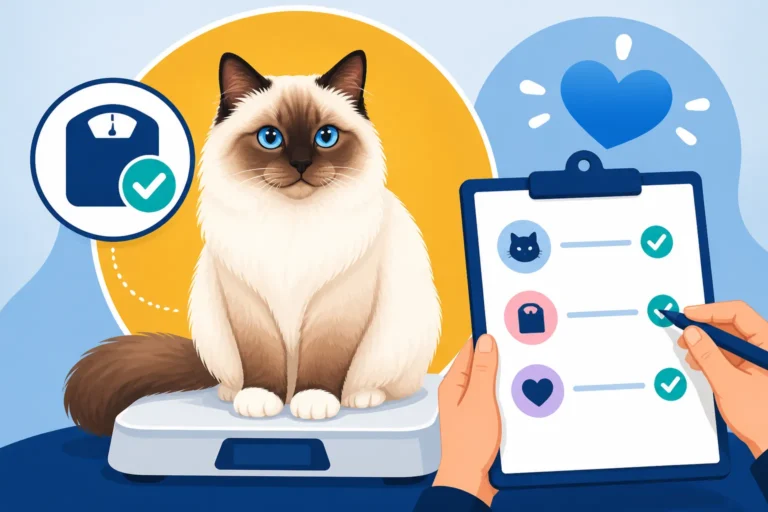
- Weight Management: Keeping your Birman at a healthy weight is vital. Obesity can exacerbate joint problems, heart issues, and diabetes risk. Your vet can advise on appropriate diet and exercise. Consistent monitoring of their weight is important, as Why a Birman's Weight Should Be Recorded Every Visit allows your vet to spot trends that might indicate underlying health problems before they become serious.
Proactive care helps your Birman live a full, happy life and minimizes the chances of them withdrawing due to preventable health issues.
Maintaining a Stable and Enriched Home Life
A stable, predictable, and enriching home environment is just as important as physical health for a Birman's emotional well-being. These cats thrive on routine and companionship, and a little forethought can go a long way in keeping them content.
- Consistent Routine: Birmans appreciate predictability. Try to maintain consistent feeding times, play sessions, and even bedtime routines. This helps them feel secure and reduces anxiety.
- Mental and Physical Stimulation: While Birmans aren't hyperactive, they do need mental and physical engagement. Provide a variety of toys, rotate them regularly to keep things interesting, and engage in interactive play with wand toys that mimic prey. Puzzle feeders can also offer mental stimulation without too much physical exertion. Even a window perch where they can watch the world go by can be a simple form of enrichment.
- Social Interaction: Birmans are social creatures. Ensure they receive consistent, gentle attention from their family members. If you're away for long hours, consider a companion animal – another Birman, or a calm, cat-friendly dog. Why a Birman Does Badly as an Only Cat is a common sentiment among breeders and owners who understand their need for company.
- Designated Safe Spaces: Always ensure your Birman has a quiet, comfortable space where they can retreat if they feel overwhelmed or just need some alone time. This could be a cat tree, a soft bed in a less-trafficked room, or a cozy box. This autonomy helps them manage stress.
- Observational Awareness: Continue to be vigilant about subtle behavioral changes. You know your Birman best. If you notice even slight shifts in their eating habits, grooming, or interaction levels, consider it a potential sign to investigate further. It’s important to learn How to Tell a Quiet Birman From an Unwell One because their natural calm can easily mask distress. If you notice that Why a Birman That Stops Following You Needs a Vet, don't hesitate. It's often one of the clearest signs that something profound is wrong with their health or emotional state, prompting a need for professional evaluation.
By providing a loving, stable, and stimulating environment, combined with diligent preventative healthcare, you're giving your Birman the best possible chance to live a happy, healthy life, free from the distress that causes withdrawal.
Disclaimer
The information provided in this article is for general informational purposes only and is not a substitute for professional veterinary advice. Always consult with a qualified veterinarian for any health concerns or before making any decisions related to your pet's health and treatment.