What a Birman’s Long Rectangular Frame Should Weigh
It's a common puzzle for Birman parents: you look at your graceful, long-bodied companion, with their luxurious coat, and wonder, "Is this the right size for them?" Their unique, almost rectangular frame, often shrouded in a silky, non-matting coat, can make it surprisingly tricky to gauge if they're carrying a healthy weight. This guide is here to unravel that mystery, offering you clear insights into what a Birman's distinctive build should weigh and how to ensure your cherished feline stays in peak condition.
Understanding the Birman's Distinctive Build and Typical Weight
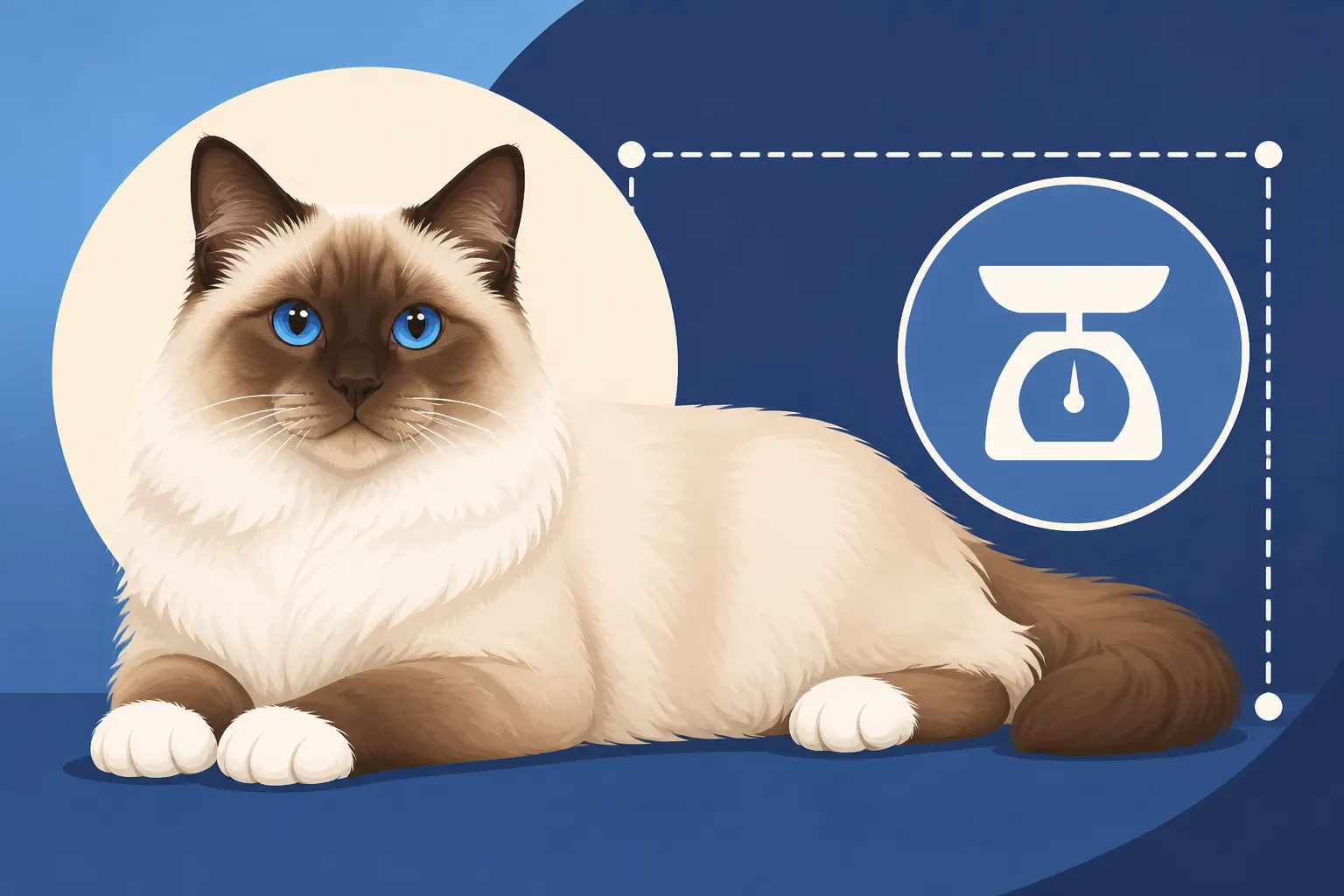
The Birman cat possesses a truly unique physique that sets it apart from many other breeds. While often described as a medium to large-sized cat, it's their specific body type – long and rectangular – that defines their healthy weight. You won't find the extreme bulk of a Maine Coon or the delicate slenderness of a Siamese here; the Birman strikes a beautiful balance, appearing substantial yet elegant. This sturdy but not cobby frame is crucial to understand when we talk about what they should weigh.
The Ideal Length and Proportion for a Birman
A fully grown Birman isn't just a pretty face; they are quite a substantial cat. Typically, they boast a considerable length, which contributes significantly to their overall mass. Think of them as a well-built, elongated athlete rather than a compact powerhouse. This length needs to be properly supported by a proportionate bone structure and muscle mass. When you consider How Long a Birman Is Nose to Tail, you'll appreciate how much 'cat' there is before you even consider their weight. It's this foundation that influences their healthy weight range.
Their rectangular frame means their body is longer than it is tall, with a strong, solid torso. This isn't a cat that should appear stretched or overly delicate. Instead, they should feel firm and well-muscled without being heavy. Breeders and judges often evaluate these proportions rigorously because they speak to the cat's overall health and adherence to breed standards. It's about a balanced picture, where every part of their body contributes to that elegant, robust profile.
Typical Weight Ranges for Male and Female Birmans
When it comes to the numbers on the scale, there's a definite difference between the sexes, much like in many other animal species. Male Birmans, often referred to as "Toms," generally carry more weight and tend to be larger overall. A healthy adult male Birman can typically weigh anywhere from 10 to 15 pounds (approximately 4.5 to 6.8 kilograms). Some exceptional males might even tip the scales slightly higher, especially if they have a larger bone structure, but this should always be accompanied by a lean, muscular feel. You might be surprised by How Heavy a Full Grown Birman Tom Gets once they've finished maturing, which can take up to three years.
Female Birmans, or "Queens," are usually a bit daintier, though still substantial. They will typically fall into a range of 7 to 10 pounds (approximately 3.2 to 4.5 kilograms). There can be variations, of course, with some females being closer to the male range, and others being quite petite. Understanding How Much Smaller a Birman Queen Finishes can help set realistic expectations for your pet's growth. It's important to remember these are general guidelines, and individual variations are common. The key is not just the number itself, but how that number looks and feels on your specific cat.
Assessing Your Birman's Body Condition
While knowing the typical weight ranges is helpful, the true measure of a Birman's health isn't just the number on the scale. It's all about their body condition – how much fat they carry relative to their muscle and bone. This is where your hands become your best tool, as their glorious, long coat can easily mask subtle changes in their physique. Learning to assess their body condition regularly is far more valuable than strict adherence to a weight chart alone.
The Importance of Visual Cues and Palpation
Even with their beautiful, flowing fur, you can start by observing your Birman's silhouette. From above, a healthy Birman should have a visible waistline, a gentle indentation behind their ribs, before flaring out slightly at the hips. When viewed from the side, their abdomen should tuck up slightly rather than hanging low or bulging. An overweight Birman will often lack this waist definition, appearing more cylindrical, while an underweight one might look gaunt. Their silky coat can be deceptive, so don't be fooled by fluff alone.
The real test comes with your hands. Gently run your palms along their sides, feeling for their ribs. You should be able to feel their ribs quite easily under a thin layer of fat and muscle, much like feeling the knuckles on your hand. You shouldn't see them protruding sharply, but they shouldn't be buried under a thick layer either. It takes a bit of practice, especially with a Birman's luxuriant fur, but you'll soon get the hang of How to Feel a Birman's Ribs Under a Silky Coat. Continue this tactile check along their spine and hip bones; you should feel them with light pressure, but they shouldn't feel bony or sharp.
The Body Condition Score Chart for Cats
Veterinarians often use a Body Condition Score (BCS) chart, typically on a scale of 1 to 9, where 1 is severely emaciated and 9 is morbidly obese. An ideal score is usually considered to be a 5. This system helps standardize assessment across different breeds and body types, taking into account individual variations.
Here’s a simplified version you can use at home:
| Score | Description | Visual Cues | Palpation Cues |
|---|---|---|---|
| 1-3 | Underweight | Ribs, spine, hip bones easily visible. No fat stores. | Ribs, spine, hip bones prominent and sharp to touch. No fat padding. |
| 4-5 | Ideal Weight | Well-proportioned body. Visible waist from above. Abdominal tuck. | Ribs easily felt with minimal fat cover. Spine and hip bones palpable but rounded. |
| 6-7 | Overweight | Waistline less distinct. Abdomen less tucked. | Ribs felt with moderate fat cover. Spine and hip bones less easily palpable. |
| 8-9 | Obese | No waistline. Broad, sagging abdomen. Fat deposits on back and tail base. | Ribs difficult to feel under thick fat layer. Significant fat deposits. |
Using this chart and regular palpation, you can get a good sense of where your Birman falls. Remember that a Birman's luxuriant fur, especially their impressive ruff, can make visual assessment tricky. Finding a Birman's Waist Under That Ruff might require a closer look and a gentle touch. Consistent monitoring is key, and if you're ever unsure, your vet is always the best resource for an accurate assessment.
Factors Influencing a Birman's Weight
A cat's weight isn't a static number; it's a dynamic reflection of many underlying factors. For Birmans, just like us, diet, activity level, age, and even genetics play significant roles. Understanding these influences can help you proactively manage your Birman's health and maintain their ideal weight throughout their life.
Diet and Nutrition
The food you offer your Birman is arguably the most significant factor in weight management. High-quality, balanced nutrition is paramount. Many commercial cat foods, especially those packed with fillers and carbohydrates, can contribute to unnecessary weight gain. Cats are obligate carnivores, meaning their bodies are designed to thrive on a diet rich in animal protein. Look for foods where meat is the first ingredient, and avoid excessive grains or plant-based proteins. Portion control is also critical; even the best food can lead to weight gain if overfed. Free-feeding, where food is left out all day, can be particularly problematic for Birmans, who, while not typically aggressive eaters, can easily overconsume if given the opportunity.
Beyond general quality, consider your Birman's specific needs. For example, if they have a history of kidney issues, as some long-haired breeds can, Which Prescription Diet a PKD Positive Birman Ends Up On highlights the importance of tailored nutrition. Such diets are carefully formulated to support organ function, and their calorie density will differ. Discussing your Birman's diet with your vet is always a good idea, especially as they age or if any health concerns arise. They can recommend specific brands or formulations that cater to your cat's unique physiological requirements.
Activity Level and Environmental Enrichment
Birmans are known for their gentle and somewhat placid temperament, often described as the "middle cat" – neither as hyperactive as a Siamese nor as sedentary as some Persians. This moderate activity level means they need consistent, but not necessarily intense, opportunities for play and exercise. An indoor-only lifestyle, which is common and often recommended for Birmans to protect their beautiful white gloves and ensure their safety, means you are responsible for providing all their enrichment.
Engaging them in short, regular play sessions with wand toys, laser pointers, or even a simple crumpled paper ball can make a huge difference. These interactions not only burn calories but also provide crucial mental stimulation. A cat tree, even a modest one, allows for vertical exploration, which is important even for a breed that doesn't usually climb to the ceiling. Without adequate activity, a Birman can easily become a "couch potato," leading to insidious weight gain over time. The cumulative effect of daily play over months and years really adds up in terms of maintaining a healthy weight.
Age, Genetics, and Health Conditions
A Birman's weight naturally fluctuates throughout its life stages. Kittens are rapidly growing, often eating a surprising amount for their size, while adult cats settle into a more stable weight. As Birmans mature, typically reaching full size around three years old, their metabolic rate may slow down. An older Birman, especially past the age of ten, might become less active, leading to weight gain, or conversely, weight loss due to muscle atrophy or underlying health issues. It's helpful to remember that What a Birman Weighs at One With Two Years Still to Grow illustrates their slow, steady development.
Genetics also play a role, influencing bone structure, metabolic rate, and even predisposition to certain conditions. Some Birmans might naturally be larger or smaller within the healthy range. However, genetics don't excuse obesity; a healthy diet and lifestyle are still paramount. Lastly, various health conditions can impact weight. Hyperthyroidism often causes weight loss despite increased appetite, while conditions like diabetes or heart disease (such as HCM, which can affect Birmans) might lead to changes in appetite or activity that affect weight. Regular veterinary check-ups are essential to catch these issues early. Your vet will monitor their weight trends, and if your Birman is insured with a provider like Healthy Paws, it can ease the financial burden of diagnostic tests and ongoing treatment if a health condition is discovered.
Practical Steps for Maintaining a Healthy Birman Weight
Keeping your Birman at a healthy weight is an ongoing commitment, but it's one of the most impactful things you can do for their long-term health and happiness. It’s about more than just food; it’s a holistic approach that integrates diet, exercise, and regular veterinary oversight.
Establishing a Controlled Feeding Routine
Gone are the days of the bottomless food bowl, especially if your Birman is showing signs of being overweight or you want to prevent it. Establishing a controlled feeding routine is fundamental. This means measuring out their food precisely and offering it at scheduled times, typically two meals a day. This approach prevents overeating and allows you to monitor their appetite more closely, which can be an early indicator of illness. If you're wondering How Many Calories a Ten Pound Birman Burns a Day, your vet can help calculate a precise caloric intake tailored to your cat's activity level and ideal weight.
Consider using slow feeders or puzzle feeders to make mealtime more engaging and extend the duration of eating. Not only does this slow down consumption, but it also provides mental stimulation, which is particularly beneficial for intelligent breeds like Birmans. If you have multiple pets, ensure your Birman has a designated, quiet eating space to prevent food theft and allow them to eat at their own pace without competition. This disciplined approach to feeding sets the stage for optimal weight management.
Encouraging Regular Play and Exercise
As mentioned earlier, Birmans thrive on moderate play, and it’s your job to initiate it. Dedicate at least two 15-minute play sessions daily. Interactive toys like feather wands or laser pointers are fantastic for engaging their prey drive and getting them moving. They might not be acrobatic, but Birmans love to chase, pounce, and bat at toys, especially if you're actively involved. Variety is also key; rotating toys keeps things interesting and prevents boredom.
Beyond active play, think about environmental enrichment that encourages movement. A cat tree provides climbing opportunities and elevated perches, which Birmans, despite not being huge climbers, appreciate for observation. Setting up a "catio" or a secure outdoor enclosure can also offer safe exploration and stimulate their senses with fresh air and new smells, all contributing to a more active lifestyle. Remember, a Birman often prefers company over solitary play, so your presence is the best motivator.
Regular Veterinary Check-ups and Monitoring
Consistent veterinary care is your most powerful ally in maintaining your Birman's healthy weight. During their annual check-ups, your vet will weigh your cat and assess their body condition score, giving you an objective perspective. They can help you interpret subtle changes that you might miss at home and address any concerns before they become major issues. If your Birman seems to be gaining or losing weight unexpectedly, a vet visit is crucial.
Weight changes can be the first sign of underlying health problems. For instance, Why Birman Kidney Disease Is Watched From Middle Age highlights how monitoring their health, including weight, becomes increasingly important as they age. Your vet can perform blood tests or other diagnostics to rule out conditions like thyroid issues, diabetes, or even dental problems that might be affecting their appetite or metabolism. If your Birman is insured with a reliable provider such as Healthy Paws, these diagnostic steps and subsequent treatments are much more accessible, ensuring your cat gets the care they need without financial strain. Moreover, if you notice Why an Overweight Birman Stops Grooming Itself or has difficulty moving, these are clear signals that it's time for professional advice. Your vet can guide you on a safe weight loss plan, emphasizing Why an Overweight Birman Must Come Down Slowly to prevent complications like fatty liver disease.
Disclaimer
The information provided in this guide is for general educational purposes only and should not be considered a substitute for professional veterinary advice. Always consult with a qualified veterinarian regarding any health concerns or before making any decisions about your Birman's diet, exercise, or medical care. Individual cats may have unique needs and conditions that require personalized attention from a professional.