Why Rapid Weight Loss Gives a Birman Fatty Liver
It's a terrifying moment for any cat parent when you notice your beloved Birman losing weight, especially if it happens quickly and without explanation. Rapid, unexplained weight loss in cats can lead to a serious and potentially fatal condition known as hepatic lipidosis, or "fatty liver disease." This comprehensive guide will walk you through why Birmans are particularly susceptible to this illness, how to recognize its subtle signs, and most importantly, how to prevent and manage it to keep your gentle companion healthy.
Understanding Hepatic Lipidosis and Its Birman Connection
Hepatic lipidosis, commonly known as fatty liver disease, is an incredibly dangerous condition for any cat, but it holds particular relevance for our placid Birman friends. It's a metabolic disorder that can quickly spiral into a life-threatening emergency if not caught and treated early. Understanding what it is and why it happens is the first step in protecting your furry family member.
What is Fatty Liver Disease in Cats?
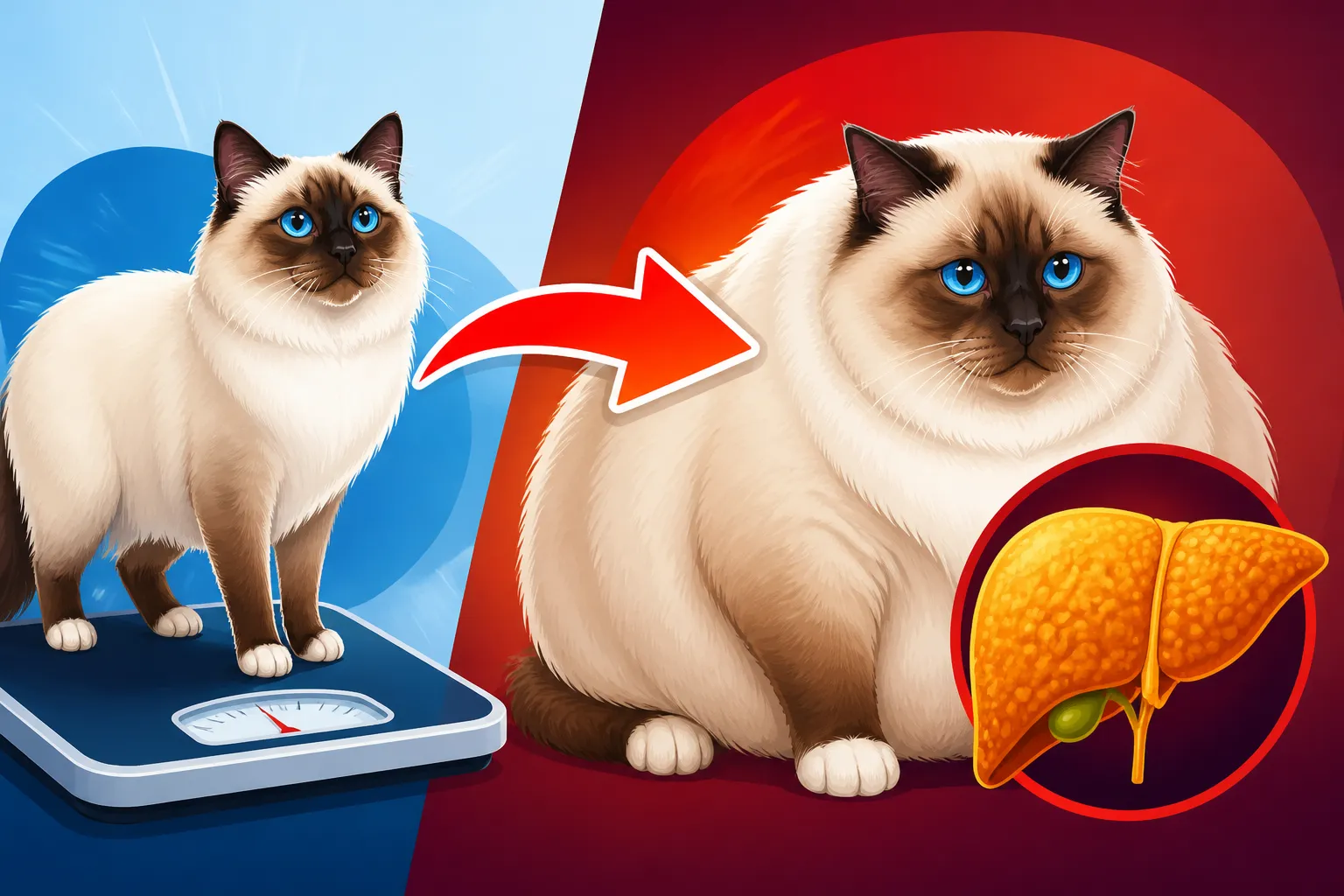
At its core, fatty liver disease occurs when a cat stops eating, or significantly reduces its food intake, for any prolonged period. Cats, unlike many other animals, have a unique metabolism. When they don't get enough calories, their bodies start to mobilize fat reserves to supply energy to vital organs. The liver, being the body's primary processing plant, becomes overwhelmed by this sudden influx of fat. Instead of processing it efficiently, the liver cells themselves start accumulating fat. This fatty infiltration impairs the liver's ability to function properly, leading to liver failure.
Imagine your liver as a busy factory. When things are running smoothly, raw materials come in, are processed, and finished products go out. But when your Birman stops eating, it's like the factory is suddenly flooded with only one raw material – fat – and the machinery isn't designed to handle such an overload. The fat builds up, clogs the system, and eventually, the factory grinds to a halt. This buildup causes inflammation, reduces bile production, and interferes with the liver's countless other essential functions, from detoxification to nutrient synthesis. It's a true medical emergency that requires immediate veterinary intervention.
Why Rapid Weight Loss Triggers It
Rapid weight loss is often the primary trigger for hepatic lipidosis in cats. It doesn't necessarily mean your cat is starving to death; even a modest but sudden drop in caloric intake can initiate the process, especially if it continues for several days. This is particularly true for overweight or obese cats, as they have more fat reserves to mobilize, thus overwhelming the liver more quickly. However, even a lean Birman can develop fatty liver if they stop eating.
The insidious nature of this condition is that the reason for the weight loss doesn't even have to be directly related to the liver initially. It could be dental pain, stress from a move, a hidden infection, inflammatory bowel disease, or even something as simple as a new food they refuse to eat. The problem is that once the cat stops eating for a few days, the liver pathology begins, creating a vicious cycle where the cat feels too nauseous or unwell from the liver issues to eat, exacerbating the problem. Birmans, with their incredibly placid and stoic temperaments, are particularly vulnerable because they are masters at hiding discomfort. Why a Birman Hides Illness Behind a Placid Temperament You might not notice your Birman is unwell until the disease is quite advanced, making rapid weight loss a truly alarming symptom.
Recognizing the Subtle Signs in Your Birman
One of the biggest challenges with cats, and Birmans in particular, is their uncanny ability to mask illness. They are not prone to complaining, meowing loudly for attention, or acting overtly distressed, even when they are in considerable pain. This means that as a Birman parent, you need to be extra vigilant and pay close attention to the subtle shifts in their behavior and physical appearance.
Behavioral and Physical Clues
The earliest signs of hepatic lipidosis often manifest as vague changes in behavior. Your usually affectionate Birman might become withdrawn, less interactive, or simply sleep more than usual. You might notice they aren't greeting you at the door with their customary gentle trill. A significant red flag is a sudden and persistent loss of appetite or anorexia. Your Birman might turn away from their favorite food, pick at it, or eat only tiny amounts. This refusal to eat is the most critical early warning sign.
As the disease progresses, more specific physical symptoms may appear. Vomiting, diarrhea, or constipation can occur, sometimes accompanied by excessive drooling. You might also observe lethargy, weakness, and dehydration. A hallmark sign of advanced hepatic lipidosis is jaundice, a yellowing of the skin, eyes (sclera), and gums, which indicates a buildup of bilirubin due to the compromised liver. This yellow tint can be subtle on a Birman's pale points and delicate skin, so look closely in good light. Their silky coat might also start to look dull or unkempt, especially if they've stopped grooming themselves properly. Remember, Why a Quiet Birman Is Easy to Misread, so any deviation from their normal, peaceful routine warrants investigation.
The Importance of Weight Monitoring
Given the silent nature of many feline illnesses, regular weight monitoring is perhaps one of the most proactive and powerful tools you have as a Birman owner. It’s not about obsessing over every ounce, but establishing a baseline and noticing trends. A sudden drop of even 5-10% of their body weight over a short period (a few days to a week) should send alarm bells ringing. For a typical 10-pound Birman, that could be as little as half a pound to a pound – a change that might not be immediately obvious just by looking.
Consider investing in a small pet scale, or simply weigh yourself, then weigh yourself holding your Birman, and subtract the difference. Make it a routine, perhaps once a month, and record the results. This isn't just for diagnosing a problem, but for understanding your cat's health trajectory over its lifespan. Why a Birman's Weight Should Be Recorded Every Visit If your Birman is already overweight, a rapid weight loss, even if it brings them closer to a healthy weight, is still dangerous if it's uncontrolled and sudden. It’s the speed of the weight loss, particularly when they’re not eating, that puts their liver at risk, regardless of their starting weight.
Here’s a quick comparison to help distinguish healthy weight changes from concerning ones:
| Feature | Healthy Weight Loss (Under vet supervision) | Rapid/Concerning Weight Loss (Risk of Hepatic Lipidosis) |
|---|---|---|
| Pace of Loss | Gradual, 1-2% of body weight per week | Sudden, 5% or more of body weight in a week |
| Appetite | Still eating, controlled calorie reduction | Anorexia, refusal to eat, decreased intake |
| Energy Levels | Generally normal, may be more active | Lethargy, weakness, reduced activity |
| Behavior | Engaged, playful | Withdrawn, hiding, irritable |
| Underlying Cause | Intentional diet, increased exercise | Unexplained illness, stress, dental pain, other disease |
| Associated Symptoms | None | Vomiting, diarrhea, jaundice, dehydration |
| Veterinary Involvement | Regular check-ups, planned diet | Immediate emergency visit |
Diagnosing and Treating Hepatic Lipidosis
If you suspect your Birman is suffering from hepatic lipidosis, or any unexplained rapid weight loss, an immediate visit to the veterinarian is non-negotiable. Time is of the essence with this condition, and prompt, aggressive treatment significantly improves the prognosis. Don't delay, hoping your cat will "perk up" or "eat tomorrow."
The Vet's Approach to Diagnosis
When you bring your Birman to the clinic, your vet will start with a thorough physical examination, looking for signs of jaundice, dehydration, and palpating their abdomen for liver enlargement or pain. They will likely recommend blood tests, which are crucial for diagnosis. A complete blood count (CBC) can reveal signs of anemia or infection, while a biochemistry panel will provide insights into liver enzymes (ALP, ALT, GGT, bilirubin), kidney function, and electrolyte balance. Elevated liver enzymes and bilirubin are strong indicators of liver disease.
Beyond blood work, imaging studies are often necessary. An abdominal ultrasound allows the vet to visualize the liver, assess its size, texture, and look for any other abnormalities or underlying conditions that might have triggered the anorexia. In many cases, a definitive diagnosis requires a liver biopsy, where a small tissue sample is taken and examined under a microscope. This can be done via needle aspiration or surgical biopsy, confirming the presence of fatty infiltration. While a biopsy can sound intimidating, it provides the most accurate diagnosis and helps rule out other liver diseases.
Nutritional Support and Medical Management
The cornerstone of treating hepatic lipidosis is aggressive nutritional support. Since the cat isn't eating on its own, food must be provided, often through a feeding tube. This might sound scary, but it's vital. A small, flexible feeding tube (nasoesophageal or esophagostomy) is typically placed, allowing the veterinary team or even you at home to deliver a calorie-dense, liquid diet multiple times a day. This tube provides the essential nutrients and calories needed to reverse the liver's fatty accumulation and restore its function. It can take weeks or even months for a cat to recover, so this commitment to feeding is paramount.
Alongside nutritional support, various medications will be administered to manage symptoms and support liver function. These might include anti-nausea drugs to encourage appetite once the feeding tube is removed, appetite stimulants, liver support supplements (like S-adenosylmethionine or SAMe, and ursodiol), and intravenous fluids to correct dehydration and electrolyte imbalances. Pain medication may also be given if an underlying painful condition is identified. Regular follow-up blood tests and ultrasounds will monitor your Birman's progress. Ensuring your Birman has comprehensive pet insurance, perhaps from a provider like Healthy Paws, can certainly alleviate the financial stress associated with such intensive, long-term care. Recovery is a marathon, not a sprint, and requires immense patience and dedication.
Preventing This Life-Threatening Condition
Preventing hepatic lipidosis is far easier and less traumatic than treating it. It boils down to vigilance, proactive health management, and creating a stable, secure environment for your gentle Birman. Your role as their caretaker is to minimize risks and ensure their physical and emotional well-being.
Addressing Underlying Health Issues Promptly
One of the most effective preventive measures is to address any underlying health issues that could lead to anorexia or rapid weight loss as soon as they arise. This means keeping up with routine veterinary check-ups, typically annually for adult cats and more frequently for kittens or seniors. During these visits, your vet can catch subtle changes in your Birman's health, such as dental disease, kidney issues, or even a nascent heart condition like HCM. How Often a Birman With Clear Papers Still Needs a Vet Don't underestimate the impact of something seemingly minor, like a sore tooth. A cat with dental pain will often reduce its food intake, which can quickly trigger the metabolic cascade leading to fatty liver.
If your Birman shows any sign of being unwell – even a slight decrease in energy or a change in litter box habits – consult your vet without delay. It's always better to be overly cautious than to wait until a minor issue escalates into a major crisis. Proactive care, including routine vaccinations, parasite control, and screening tests recommended by your vet based on your Birman's age and health, are all part of preventing serious illnesses that can ultimately impact their appetite.
Managing Stress and Environmental Changes
Birmans, despite their calm demeanor, are sensitive souls who thrive on routine and stability. Sudden or significant changes in their environment can be profoundly stressful, leading to anxiety, withdrawal, and a refusal to eat. Things like moving house, introducing a new pet or baby, major household renovations, or even a sudden change in your work schedule can trigger stress-induced anorexia. What a Stressed Birman Does A stressed Birman might hide more, overgroom, or, critically, stop eating.
To prevent this, try to minimize abrupt changes whenever possible. If a change is unavoidable, introduce it gradually. For example, when introducing a new pet, do so slowly with separate spaces initially. Provide your Birman with plenty of safe, quiet spaces to retreat to, and maintain a consistent feeding and play schedule. Pheromone diffusers can sometimes help create a calming atmosphere. Regular play and consistent, gentle interaction with you can also help reduce stress and reinforce their sense of security. Providing stability and emotional comfort is just as important as physical health when it comes to preventing stress-related health problems in Birmans.
Consistent Feeding Practices
The way you feed your Birman also plays a crucial role in prevention. Birmans are not usually prone to begging, so it's easy to assume they are fine if their bowl isn't empty. Feeding a Birman That Will Never Beg for It Instead of free-feeding, which can make it hard to monitor intake, consider offering two measured meals a day at consistent times. This allows you to quickly notice if your Birman skips a meal or only eats a small portion. If they stop eating their regular food, try tempting them with a different palatable option, such as warmed wet food or a novel protein source, for a short period, but avoid changing their diet too frequently as this can also cause digestive upset.
Avoid "crash diets" for an overweight Birman. If your vet recommends weight loss, it should be a slow, controlled process with a specially formulated diet that provides adequate nutrition while reducing calories. Rapid weight loss, even with good intentions, is dangerous. Ensure your Birman always has access to fresh, clean water, perhaps even offering a water fountain, as hydration is vital for overall health and kidney function. Remember, the key is consistency and careful observation of their eating habits. If your Birman continues to refuse food for more than 24 hours, even if they seem otherwise well, it’s time to call the vet.
Disclaimer
This article is intended for informational purposes only and should not be considered a substitute for professional veterinary advice. Always consult with a qualified veterinarian regarding your Birman's health concerns, diagnosis, and treatment options.