Why a Birman Waitlist Is Longer for a Well Marked Kitten
Finding that perfect Birman kitten with flawless white gloves and exquisitely matched laces can feel like winning the lottery, only to discover you're still stuck in a queue stretching around the block. Many prospective owners quickly learn that the dream of bringing home a beautifully marked Birman often comes with a significant wait, a testament to the immense demand for these uniquely patterned felines. This guide delves into the fascinating reasons behind these longer waitlists, exploring the intricate genetics, the dedicated efforts of ethical breeders, and the discerning desires of future Birman families.
Understanding the Birman Standard and Ideal Markings
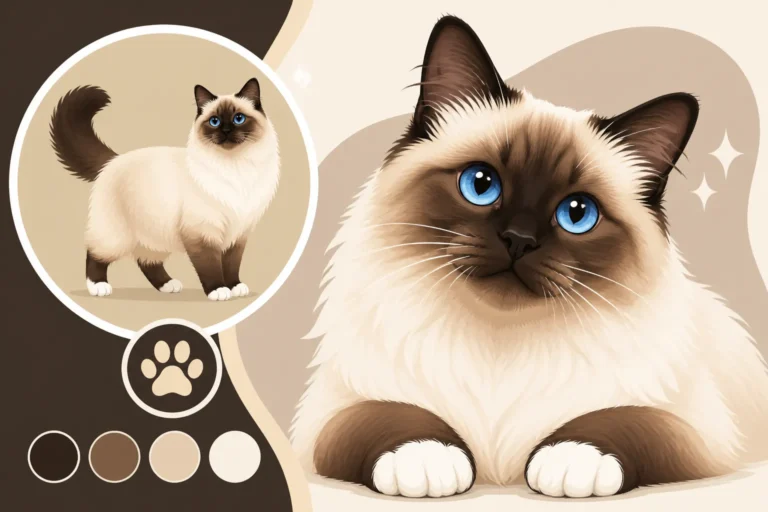
When we talk about a "well-marked" Birman, we're not just talking about a pretty cat. We're referring to a kitten that adheres closely to the breed standard, particularly concerning its iconic white paws. The Birman is famous for its colorpoint pattern, much like a Siamese, but with the striking addition of white "gloves" on its front paws and "laces" on its hind paws. These specific markings are what truly set the Birman apart and are a primary focus for breeders and judges alike.
The Elusive Perfect Gloves and Laces
Imagine a Birman kitten, born almost entirely white, its point colors slowly developing over weeks. Its distinguishing features, those immaculate white gloves, are also gradually revealed. The ideal front gloves should be perfectly symmetrical, ending in a straight line across the paw at the metacarpal-phalangeal joint – that's essentially where the paw pad meets the fur, just above the "ankle" joint. They should look like they've been dipped in fresh, pure white snow, evenly applied to each foot.
The hind paws are even more complex. They feature a similar white glove on the foot itself, but this extends into what are called "laces." These laces are V-shaped white markings that run up the back of the hind legs, ideally ending in a sharp, even point. Crucially, these laces must also be symmetrical, ending at the same height on both hind legs, and not extending too far up the leg (gauntlets) or being too short to be considered a proper lace. This intricate balance of symmetry, length, and crispness makes achieving truly perfect gloves and laces a monumental challenge for any breeder. It's a key reason why a Birman with four matching gloves costs the most. You might ask, How rare perfect Birman glove symmetry is? The answer is: incredibly rare.
The Significance of Point Color and Pattern
While the white markings are paramount, the Birman's point color and overall pattern also contribute to its "well-marked" status. Birmans come in a stunning array of point colors, including the classic Seal Point, Blue Point, Chocolate Point, Lilac Point, Red Point, and Tortie Point, often with Tabby variations. Each color has its own beauty and charm, but a well-marked kitten will display a clear, even development of its chosen point color, with good contrast against its paler body fur. The points should be solid and rich in hue, without muddiness or stray white hairs within the colored areas. For example, a Seal Point Birman should have deep, dark brown points that stand out against its creamy body. While the glove genetics are unpredictable in a Birman, the point coloration is more consistent within specific breeding lines. The breed standard also values the overall body structure, eye color, and head shape, but it's often the precise markings that capture the most attention and dictate demand.
The Genetics Behind Birman Markings: A Breeder's Challenge
Understanding why a well-marked Birman is so sought after often means delving into the fascinating, sometimes frustrating, world of genetics. It's not as simple as mixing two perfectly marked parents and expecting a litter of miniature show winners. Nature, in its infinite wisdom, loves to throw in surprises, making the breeding of Birmans a true art and science.
How the Gloving Gene Works in a Birman
Every Birman carries two copies of the "gloving gene," also known as the KIT gene variant. This gene is responsible for the white spotting that creates those distinctive gloves and laces. What makes it tricky is that while the gene itself is fixed within the breed – meaning all Birmans have it – its expression is highly variable. Think of it like a dimmer switch rather than an on/off button. The gene tells the cat's body to produce white markings, but other genetic factors influence how much white, where it precisely lands, and how evenly it appears.
This is why two Birman littermates can differ in price significantly, even if they share the same parents and bloodlines. One might have nearly perfect gloves and laces, while another could have "gauntlets" (white markings extending too far up the leg) or uneven patches. The expression of the gloving gene is a complex interplay, and breeders spend years studying pedigrees and observing litters to understand which pairings might produce the most desirable markings. It's a gamble with every litter, and perfection is rarely guaranteed. You can't just run a Birman glove test to predict the outcome.
Modifier Genes and Their Impact on Glove Quality
Beyond the primary gloving gene, there are numerous "modifier genes" that play a crucial, albeit subtle, role in refining the Birman's markings. These modifiers can influence the crispness of the white line, the symmetry, and the overall distribution of the white fur. They are like tiny artists, adding brushstrokes to the canvas, sometimes enhancing the picture and other times making it a little skewed. Because these modifier genes are not fully understood or easily tested for, breeders rely heavily on empirical observation and careful selection. They look for breeding cats that consistently produce kittens with good markings, hoping those beneficial modifier genes are passed down.
This genetic lottery means that even highly experienced breeders will have kittens in a litter that are considered "mismarked" by show standards. These mismarked Birmans, while still beautiful and healthy, will often be sold as pet-quality cats at a lower price point and on a neuter contract. This differentiation further emphasizes why a birman waitlist is longer for a well marked kitten, as the pool of truly show-quality or "perfectly pet" marked kittens is naturally smaller due to these complex genetic factors.
The Breeder's Perspective: Investment and Effort in Achieving Excellence
Behind every well-marked Birman kitten is a breeder who has poured countless hours, immense dedication, and significant financial resources into their breeding program. It's a labor of love, but also a serious commitment to upholding the breed standard and ensuring the health and temperament of their cats.
Rigorous Breeding Programs and Health Testing
Ethical Birman breeders don't just randomly pair cats. They meticulously plan matings, studying pedigrees that often reach back to the post-war founders like Orloff and Xenia de Kaabaa. They aim to improve the breed with each generation, focusing on health, temperament, and adherence to the physical standard, including those all-important gloves. This often involves importing lines from other regions to enhance genetic diversity and introduce desirable traits.
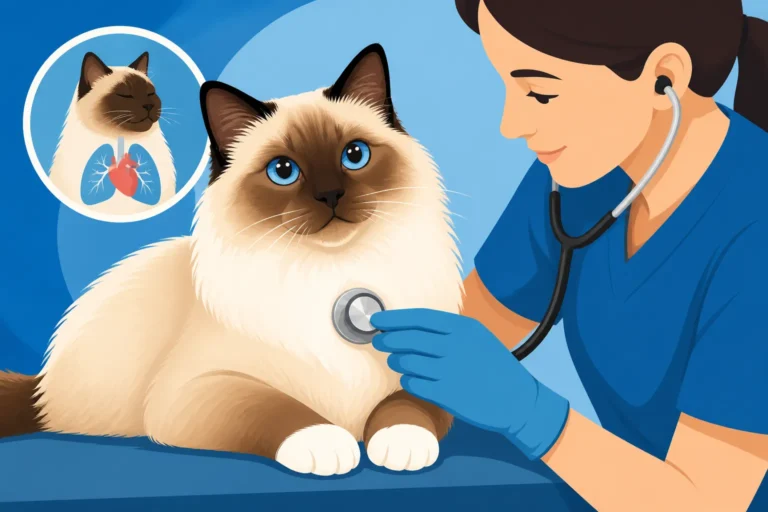
Beyond pedigree, health testing is paramount. Birmans, like many purebreds, can be predisposed to certain genetic conditions. Reputable breeders routinely screen their breeding cats for issues such as Hypertrophic Cardiomyopathy (HCM), a heart condition, and Polycystic Kidney Disease (PKD1). While HCM in a Birman has no DNA test, only an echo, PKD does have a reliable DNA test. You can learn more about why a Birman breeder still tests for PKD. These tests are expensive and time-consuming, sometimes requiring annual screenings, but they are crucial for producing healthy kittens. What testing a Birman for FOXN1 and PKD1 together costs is a significant expense, as is the cost of regular cardiac echoes. These health clearances are a non-negotiable part of responsible breeding and contribute to the overall investment in a litter. When a breeder publishes echo results, it demonstrates transparency and commitment to health.
Assessing and Grading Birman Kittens
Once a litter arrives, the breeder's work shifts to meticulous observation and care. From birth, they monitor the kittens' health, development, and temperaments. As the kittens grow, usually around 8-12 weeks, their markings begin to stabilize, allowing the breeder to assess their glove and lace quality. This is a critical period for pricing and placement. A breeder judges a Birman kitten's gloves by carefully examining each paw for symmetry, length, and crispness. Kittens with ideal markings are typically reserved for show homes or command a higher pet price. Those with minor mismarks might be offered as pet-quality companions, while significant faults would mean they are sold on a neuter contract.
This assessment isn't just a quick glance. It involves handling each kitten, taking photos, and sometimes even consulting with other experienced breeders or judges for an objective opinion. The time and expertise involved in rearing a healthy, well-socialized litter, combined with the stringent grading process, mean that only a small percentage of kittens from any given litter will be considered "well-marked" enough to justify the highest demand and price.
| Marking Feature | Ideal Standard (Show Quality) | Common Mismarks (Pet Quality) |
|---|---|---|
| Front Gloves | Perfectly symmetrical, crisp line across the paw joint. | Uneven lengths, irregular lines, "boot" that extends too high. |
| Hind Laces | V-shaped, symmetrical, even height on both legs. | Asymmetrical, too short, too high ("gauntlets"), splotchy. |
| Point Color | Clear, rich, even color with strong contrast. | Muddy color, pale or patchy points, "smudged" appearance. |
| Body Color | Pale, even, free of dark shading or spots. | Blotchy, darker shading on flanks or belly. |
Ethical Breeding Practices and Limited Litters
Ethical breeders prioritize the health and well-being of their queens (breeding females). This means they typically limit the number of litters a queen has in her lifetime, often allowing for adequate recovery time between pregnancies. They also avoid breeding queens too young or too old. This commitment to responsible breeding means fewer litters overall, and consequently, fewer kittens available for placement each year.
The entire process, from selecting breeding pairs and conducting health tests to raising and socializing kittens for thirteen weeks before they go to their new homes, is a significant investment. This dedication to quality, not quantity, naturally creates a scarcity of kittens, especially those that meet the highest marking standards. When you factor in the financial outlay for high-quality food, vet care, genetic testing, and show entries, it’s clear why the price point for a well-bred Birman reflects this commitment, and why the waitlists for exceptional kittens can be extensive.
The Buyer's Motivation: Why Demand Outstrips Supply for Perfect Birmans
So, why are so many people willing to join a long waitlist and pay a premium for a Birman with near-perfect markings? It boils down to a blend of aesthetic desire, perceived value, and the unique appeal of the breed itself.
The Desire for Show Quality or "Picture Perfect" Pets
For some, the goal is to acquire a Birman kitten that can excel in the show ring. These individuals understand that a kitten with impeccable gloves, laces, and point coloration has a higher chance of winning titles and contributing to the breed's lineage. They are seeking a cat that embodies the breed ideal, a living testament to the beauty and standards of the Birman. For these buyers, the waitlist is a necessary step to acquire a future champion.
However, many others simply want a "picture perfect" pet. They aren't necessarily planning to show their Birman, but they appreciate the striking appearance of a cat that closely adheres to the breed standard. They envision a beautiful companion whose unique markings are a consistent joy to behold and perhaps even a source of pride. In an age of social media, where pet photos are shared widely, the aesthetic appeal of a perfectly marked Birman is undeniable. This strong preference for ideal markings, even among pet owners, significantly drives up demand for the limited number of such kittens available. It's a common query: What a Birman with four even gloves and matching laces costs. It's often at the top end of the spectrum.
Perceived Value and Status of a Well-Marked Birman
There's also an element of perceived value and status associated with owning a Birman that boasts exquisite markings. A well-marked Birman kitten often represents a breeder's success and expertise, and this quality is transferred, in a way, to the owner. It signifies that the cat comes from a reputable line, has been bred with care, and carries the desirable traits of the breed. This perception can lead to a willingness to wait longer and pay more, as it assures the buyer that they are acquiring a truly special animal.
Furthermore, the unique combination of the Birman's gentle temperament, stunning appearance, and historical mystique makes it a highly desirable breed overall. People fall in love with their placid nature and affectionate personalities, as well as their striking looks. When an animal offers so much, the desire for it to be "perfect" in every observable way naturally intensifies. The Birman truly is the cat families are told to get, and the demand for the best examples is a reflection of this popularity.
Navigating the Waitlist and Finding Your Birman Kitten
So, you're ready to commit to a Birman, and you understand why those waitlists are longer for the well-marked beauties. Now, how do you navigate this process and find your new family member? It’s all about doing your homework, building relationships, and being patient.
What to Expect from a Reputable Birman Breeder
When you start your search, look for breeders who are transparent, knowledgeable, and genuinely passionate about their cats. A reputable breeder will have a comprehensive website or social media presence, showcasing their cats, their breeding philosophy, and the health tests they perform. They will be happy to discuss their program, including what to ask about a Birman line's heart scans and other health clearances. They should readily provide copies of health certificates for the parents, confirming tests for HCM, PKD, and FOXN1. You can learn more about which lab runs the Birman FOXN1 test, for example.
Expect a thorough application process. Breeders want to ensure their kittens go to loving, responsible homes that understand the specific needs of a Birman. They might ask about your living situation, family members, experience with cats, and whether you work from home. They might ask whether you are home all day, as Birmans thrive on company. Don't be offended by these questions; they show the breeder cares deeply about their kittens' future. Be prepared for a deposit to secure your place on a waitlist, especially for a well-marked kitten. The Birman waitlist is longer for a well-marked kitten because these animals are highly sought after.
A reputable breeder will also provide a contract that outlines expectations, health guarantees, and often includes a neuter/spay clause for pet-quality kittens. The Birman kitten leaves at thirteen weeks, ensuring it's fully socialized, vaccinated, and comfortable before transitioning to your home. They will chip the kitten before it leaves their care and ensure the details are transferred to you. They will also educate you on the specific care needs of a Birman, from grooming its silky coat to its dietary requirements, and even which litter suits a white gloved cat. Don't be surprised if a breeder holds back the best marked kitten for their own program or for showing.
Understanding Pricing and Contracts for Birman Kittens
The price of a Birman kitten can vary significantly, often reflecting the quality of its markings, its pedigree, and the breeder's investment in health testing and care. A kitten with show-quality markings will typically be at the higher end of the price spectrum, while a pet-quality kitten with minor mismarks will be more affordably priced. Always remember that the initial cost of the kitten is just the beginning; the true cost of ownership spans a lifetime, including food, litter, vet care, and perhaps pet insurance from providers like Healthy Paws. You might want to consider whether a Birman policy is worth it once HCM is excluded from coverage by some insurers.
Contracts are essential for both breeder and buyer. For pet-quality kittens, a neuter contract is standard. This ensures that only approved, show-quality cats are used for breeding, protecting the integrity of the breed. Some contracts may also include guarantees regarding health, giving you peace of mind. While a Birman guarantee outlasts the first echo in many cases, it's vital to read and understand all terms before committing. Never purchase a Birman advertised without papers or health certificates, as this is a significant warning sign that corners may have been cut, potentially leading to future health or genetic issues. While the wait for a well-marked Birman can be long, the journey to find a healthy, happy, and beautiful companion is worth every moment.
Disclaimer
This article is for general informational purposes only and does not constitute professional advice. Laws, prices and regulations vary by location and change over time. Consult a qualified professional for guidance on your specific situation.