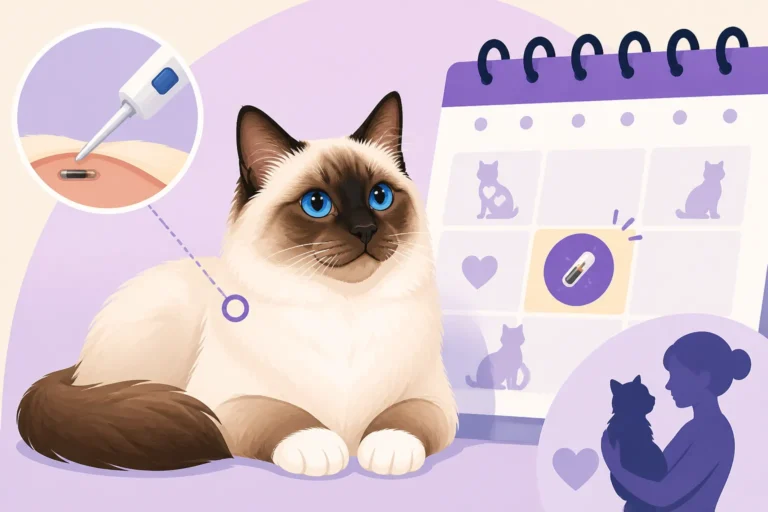
What a Birman’s First Year Costs Beyond the Kitten Price
Bringing home a Birman kitten is an absolute joy, a true fluffy cloud of purring affection that immediately melts your heart. But let's be realistic: that initial kitten price, while a significant investment, is truly just the beginning of your financial journey with your new feline family member. Many first-time Birman parents are surprised by the myriad of costs that pop up in that crucial first year, from essential supplies to unexpected veterinary bills, and this guide is here to walk you through exactly what to expect beyond that initial adoption fee.
The Immediate Needs: Setting Up Your Birman's First Home
Once you've secured your beautiful Birman kitten, your next thought immediately turns to making sure their new home is safe, comfortable, and well-equipped. It's easy to get carried away in the excitement, but having a clear idea of these initial setup costs will save you a lot of stress down the line. These aren't just "nice-to-haves" – they are fundamental necessities for your kitten's well-being and smooth transition.
Essential Supplies: Carriers, Beds, Bowls, and Litter Boxes
Before your Birman kitten even sets a paw in your home, you'll need to have a few key items ready. First on the list is a secure and comfortable carrier for transport. This isn't just for the ride home; it'll be invaluable for vet visits and any future travel. Remember, Birmans are long, rectangular cats, so choose a carrier that allows them to stand up, turn around, and lie down comfortably. Which Carrier Fits a Birman's Length is something you'll want to consider from day one. Investing in a good quality, robust carrier now will prevent you from needing to buy another one as your kitten grows into its full adult size over the next two to three years.
Next, think about comfort and daily living. A cozy bed or two, perhaps one for sleeping and one for lounging in a sunny spot, will be appreciated. While your Birman will likely end up sleeping on your sofa or even your bed, having designated comfy spots can help them feel secure. Food and water bowls are another essential. Stainless steel or ceramic are often recommended over plastic, as they are easier to clean and less likely to harbor bacteria. And of course, the litter box. Or, more accurately, litter boxes. The general rule of thumb is one box per cat, plus one extra, scattered around your home. Since Birmans are known for their pristine white "gloves," you'll want to choose a litter that won't stain their beautiful paws.
Initial Health Check-ups and Vaccinations
Bringing home a new kitten means a trip to the vet is usually one of the very first stops, often within the first few days of arrival. This initial check-up is crucial. Even if your breeder has provided comprehensive health records – and a reputable breeder absolutely should – your own vet will want to do a thorough examination to establish a baseline for your kitten's health. This includes checking their heart, lungs, teeth, eyes, and overall physical condition. What a Birman Kitten Has Had Had Done by Thirteen Weeks should give you an idea of what prior care your kitten should have received, but your vet will confirm everything.
Beyond this initial exam, your kitten will need a series of vaccinations to protect them from common feline diseases like feline panleukopenia, feline herpesvirus, and calicivirus. Depending on their age and prior vaccination history, this might involve one or two boosters. They'll also need deworming treatments and potentially flea and tick prevention, especially if they'll have any outdoor access (though most Birmans thrive as indoor cats). These initial vet visits and treatments quickly add up, so factor them into your early budget.
Ongoing Daily Care: Food, Litter, and Grooming
Once you've got the initial setup covered, the recurring daily, weekly, and monthly costs become the new focus. These are the expenses that will be with you for the entire lifespan of your Birman, so understanding them in the first year helps you plan for the long haul.
Nourishing Your Birman: Diet and Nutrition Costs
A Birman's diet plays a massive role in their overall health, the shine of their silky coat, and their energy levels. While Birmans are famously undemanding eaters and won't often beg, choosing a high-quality food is paramount. Look for brands that list real meat as the first ingredient and have a good balance of protein, fat, and essential nutrients. This means steering clear of generic, filler-heavy foods that might be cheaper upfront but could lead to health issues down the road.
Many Birman owners opt for a mix of wet and dry food. Wet food is excellent for hydration, which is particularly important given that the breed can be prone to kidney issues as they age, possibly inherited from their Persian ancestors. Which Wet Food Suits a Birman's Kidney History is a good topic to explore as your cat gets older, but good hydration starts now. Dry kibble can be great for dental health. The cost of food can vary significantly depending on the brand and type you choose. You might find great deals on quality food from online retailers like Chewy, which often have subscription options. Fresh, human-grade food delivery services are also available, which can be pricier but appeal to owners looking for premium nutrition. Remember, What Feeding a Birman for Coat Condition Costs is an investment in their health and beauty.
Maintaining a Pristine Environment: Litter Expenses
Keeping a clean litter box is vital for your Birman's health and your home's hygiene. Birmans, with their long, luxurious coats and famous white "gloves," can sometimes track litter more than short-haired breeds. This means choosing the right type of litter isn't just about odor control; it's about minimizing mess and protecting their delicate paws. Clumping, low-dust litters are often preferred by Birman owners.
You'll need to scoop the litter box daily and perform a full litter change regularly, usually weekly or bi-weekly, depending on the number of cats and boxes. This consistent maintenance means a continuous supply of litter. The type of litter you choose – clay, silica gel, wood pellets, or alternative natural options – will directly impact your monthly costs. Some litters are excellent at odor control but might be pricier, while others are more budget-friendly but require more frequent changes. Considering How Much Low Dust Litter One Birman Gets Through will help you budget accurately.
Keeping That Silky Coat Gorgeous: Grooming Tool Costs
One of the most appealing features of the Birman cat is their stunning, silky coat. Unlike some other long-haired breeds, the Birman's single coat, lacking an undercoat, makes them surprisingly easy to groom and less prone to matting. However, "easy" doesn't mean "no grooming." Regular grooming sessions are still essential to keep their coat healthy and tangle-free, especially around their magnificent ruff and britches.
For the first year, you'll need to invest in a few key grooming tools. A good quality metal comb with both wide and fine teeth is a must. A pin brush can also be useful for distributing natural oils and stimulating the skin. You'll want to avoid slicker brushes, as they can damage a Birman's delicate guard hairs. Nail clippers designed for cats are also essential for keeping their claws trimmed and preventing them from snagging on furniture or causing injury. While you won't need to visit a professional groomer often, if ever, these tools represent an upfront cost. What Grooming a Birman Costs in Tools is a relatively small initial investment that pays dividends in a healthy, beautiful coat.
Crucial Health Investments: Vet Visits and Preventative Care
Beyond the initial kitten vaccinations, the first year of your Birman's life often involves some significant health-related expenses, particularly around spaying or neutering and specific genetic screenings. These are investments in their long-term health and well-being.
Spaying or Neutering: A Significant One-Time Expense
One of the most important health decisions you'll make in your Birman's first year, assuming you're not planning to responsibly breed, is spaying or neutering. This surgical procedure offers numerous health and behavioral benefits. For females, spaying eliminates the risk of uterine infections and tumors and significantly reduces the risk of mammary cancer. For males, neutering prevents testicular cancer and some prostate problems, and can also reduce unwanted behaviors like spraying, roaming, and aggression.
The cost of spaying or neutering can vary widely based on your location, the veterinary clinic, and any additional services like pre-surgical blood work or pain medication. It's a one-time cost, but it's a significant one that you absolutely must budget for in that first year. When to Neuter a Birman and What It Costs is a prime example of an expense that will come up, usually between 4-6 months of age, though your vet will advise on the best timing.
Genetic Screening and Early Diagnostics
Reputable Birman breeders will provide clear health records for the parents and often the kitten, including genetic test results for common Birman health concerns. However, sometimes additional testing might be recommended by your vet or desired by you for peace of mind. For Birmans, two genetic conditions often come to mind: Feline Hypotrichosis with Thymic Aplasia (FOXN1), which causes a kitten to be born bald and have a severely compromised immune system, and Polycystic Kidney Disease (PKD1). While most Birmans from good breeders are already clear, understanding the tests is important.
What the FOXN1 Test Costs and What the PKD1 Test Costs for a Birman are generally quite reasonable genetic tests, often done via a simple cheek swab. If your kitten's parents weren't tested, or if there's any uncertainty, investing in these can save you heartache and much higher veterinary bills in the future. Additionally, while HCM (Hypertrophic Cardiomyopathy) has no genetic test for Birmans, breeders often screen breeding cats via echocardiograms. Your vet might recommend a heart check during annual visits, particularly as your Birman ages, as HCM can manifest in middle age. What a Birman's Echo Screening Costs is something breeders do, and while not typically done on pet kittens, it's a critical tool for maintaining breed health.
Annual Wellness Exams and Routine Care
Even if your Birman is perfectly healthy, regular veterinary check-ups are essential for preventative care. In the first year, after the initial kitten shots and spay/neuter, you'll still want to bring them in for a routine wellness exam. These visits allow your vet to monitor your Birman's growth and development, address any minor concerns, and ensure they are maintaining a healthy weight and condition. Why a Birman's Annual Visit Includes Listening to Its Chest is a standard part of these exams, often with an emphasis on detecting any heart murmurs early.
During these visits, your vet will also discuss ongoing preventative treatments, such as booster vaccinations (depending on the vaccine type and your region), parasite control, and dental health. Dental care, in particular, is an area that can become a significant expense later in life if not managed from a young age. Discussing options like dental diets, water additives, and even starting a toothbrushing routine at home can help minimize future professional dental cleanings under anesthetic.
Protecting Your Investment: Pet Insurance and Contingency Funds
No one likes to think about their beloved pet getting sick or injured, but it's a reality many pet owners face. The first year is an excellent time to consider how you'll handle potential unexpected veterinary costs, which can easily run into thousands of dollars for emergencies or chronic conditions.
Understanding Pet Insurance Policies for Birmans
Pet insurance can be a lifesaver when unexpected health issues arise. While it's an ongoing monthly expense, it can provide immense peace of mind. Policies vary widely, with some covering accidents only, others covering accidents and illnesses, and premium plans sometimes including wellness benefits like routine check-ups and vaccinations. For a breed like the Birman, known for its gentle nature but with a breed history that includes certain health considerations (even if rare now), comprehensive coverage is often recommended.
When researching pet insurance, pay close attention to waiting periods, deductibles, reimbursement percentages, and annual limits. It's also crucial to understand how pre-existing conditions are handled. Companies like Healthy Paws are popular for their comprehensive coverage, but it's vital to read the fine print. Specifically, if a breed is known for conditions like HCM, check Whether Insurers Exclude HCM in a Birman or if it's covered, often after a specific waiting period. The sooner you enroll your Birman, the less likely any condition will be considered pre-existing.
Building an Emergency Fund for the Unexpected
Even with pet insurance, it's a good idea to have a separate emergency fund for your Birman. Most pet insurance policies have a deductible you'll need to pay before coverage kicks in, and they typically reimburse a percentage of the costs, meaning you'll still be responsible for a portion of every bill. For instance, if your Birman needs emergency surgery costing a few thousand dollars, and your policy has a $250 deductible and 80% reimbursement, you'll still need to cover the deductible and 20% of the remaining bill.
Having a dedicated savings account for pet emergencies ensures you won't have to make difficult financial decisions during a stressful time. Even setting aside a small amount each month in your Birman's first year can build a substantial cushion for future needs. It's also useful for expenses that insurance might not cover, such as specific prescription foods or alternative therapies.
Enhancing Their Life: Enrichment and Miscellaneous Expenses
Beyond the absolute necessities, there are other costs in the first year that contribute to your Birman's happiness, mental stimulation, and overall quality of life. These might seem optional, but they can significantly enhance your bond and prevent behavioral issues.
Toys, Scratchers, and Vertical Space
Birmans are generally playful cats, enjoying quiet interaction and gentle games. Investing in a variety of toys can keep them entertained, stimulate their minds, and provide healthy outlets for their natural hunting instincts. Think about wand toys, crinkle balls, and soft plush toys. While they aren't typically high-energy climbers like some breeds, Birmans do appreciate some vertical space. A sturdy, mid-height cat tree or a few wall-mounted shelves can offer them safe perches to observe their surroundings and nap.
Scratching posts are non-negotiable. Providing multiple options – vertical posts, horizontal pads – made from different materials (sisal, cardboard) will encourage your Birman to scratch appropriately and spare your furniture. Rotate toys regularly to keep things interesting, and replace worn-out items to prevent choking hazards. These items are typically upfront costs in the first year, with replacements needed periodically.
Pet Sitting or Boarding for Travel
Life happens, and sometimes you need to travel without your Birman. Whether it's a weekend getaway or a longer vacation, you'll need to budget for their care while you're away. Birmans are known for their gentle and companionable nature, and they thrive on human interaction. This means they generally don't do well being left alone for extended periods. Why a Birman Does Better With Company is a key characteristic to remember when planning for time away.
Options typically include a trusted friend or family member, a professional pet sitter who visits your home, or a boarding facility. Pet sitting is often preferred for Birmans, as it allows them to stay in their familiar environment. The cost of these services can vary widely depending on the duration, frequency of visits, and services provided. It's a wise idea to try out a pet sitter or boarding facility for a short period first, well before a long trip, to ensure your Birman is comfortable.
Estimated First-Year Birman Costs
To help you visualize these expenses, here's a general breakdown of what you might expect in your Birman's first year, beyond the initial purchase price of the kitten itself. Please remember these are estimates and can vary greatly by location, specific product choices, and your cat's individual needs.
| Category | Estimated Range (First Year) | Notes |
|---|---|---|
| Initial Setup | ||
| Carrier | $40 – $100 | One-time cost, choose durable and appropriately sized. |
| Beds/Blankets | $30 – $80 | One-time cost, but can be replaced. |
| Food/Water Bowls | $20 – $50 | Stainless steel or ceramic recommended. |
| Litter Boxes (2-3) | $40 – $120 | Basic plastic boxes. |
| Grooming Tools | $30 – $70 | Comb, nail clippers, maybe a soft brush. |
| Scratching Posts/Pads | $50 – $150 | Essential for redirecting scratching. |
| Toys | $30 – $100 | Variety of interactive and solo toys. |
| Veterinary Care | ||
| Initial Exam & Vaccinations | $150 – $300 | First check-up, core vaccines, deworming. |
| Spay/Neuter | $200 – $600 | Varies by location and clinic; includes pre-op blood work, pain meds. |
| Genetic Tests (optional) | $80 – $200 | For FOXN1/PKD1 if not done by breeder, or for peace of mind. |
| Follow-up/Annual Exam | $60 – $150 | Routine health check after initial kitten phase. |
| Parasite Prevention | $100 – $250 | Monthly or quarterly flea/tick/heartworm prevention. |
| Ongoing Monthly | ||
| Quality Cat Food | $40 – $80/month | High-protein wet and/or dry food. Brands like Chewy often have deals. |
| Cat Litter | $20 – $40/month | Low-dust, clumping litter recommended for Birmans. |
| Pet Insurance | $20 – $50/month | Monthly premium for accident & illness coverage. Healthy Paws is a popular option. |
| Miscellaneous | ||
| Emergency Fund (saving) | $20 – $50/month | Recommended for unexpected costs not fully covered by insurance. |
| Pet Sitting/Boarding | $150 – $400 | If you travel for a week or two; variable. |
| TOTAL (estimated first year, beyond kitten price) | $1200 – $3000+ | This range is broad because individual choices (food, insurance level, travel) significantly impact the final figure. Does not include initial kitten purchase. |
Conclusion
Bringing a Birman into your life is a wonderful decision, and these affectionate, gentle cats truly become cherished family members. While the initial "sticker shock" of the kitten price can be high, it's just the beginning of the financial commitment. That first year is particularly dense with expenses as you set up their home, ensure their initial health, and establish routines.
By understanding these costs upfront – from quality food and litter to essential vet care, spaying/neutering, and even pet insurance – you can budget effectively and provide your Birman with the best possible start in life. It's an investment, yes, but one that rewards you with years of devoted companionship and purrs. Planning ahead means less stress for you and a healthier, happier life for your beautiful Birman.
Disclaimer
This article is for general informational purposes only and does not constitute professional advice. Laws, prices and regulations vary by location and change over time. Consult a qualified professional for guidance on your specific situation.