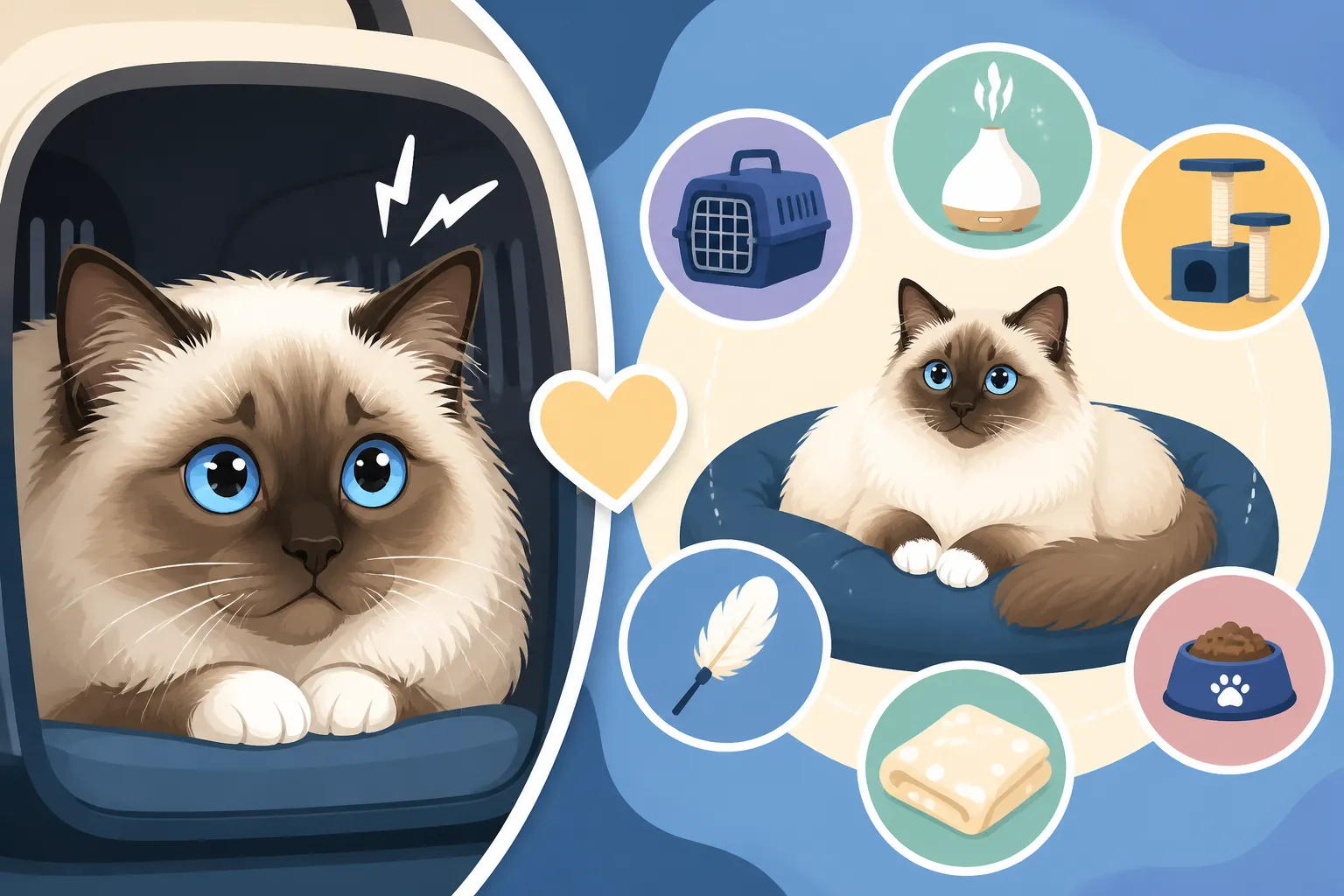
What to Do With a Birman That Frets When You Travel
It's heartbreaking to see your usually calm and composed Birman cat transform into a ball of nerves the moment you even pull out a suitcase. That anxious trill, the darting eyes, or perhaps even hiding under the bed – it’s a clear sign they're feeling unsettled by the impending change. This guide is here to walk you through understanding why your beloved Birman frets when travel is on the horizon and, more importantly, what actionable steps you can take to make their experience, and yours, as stress-free as possible.
Understanding Why Your Birman Frets: Unpacking the Birman's Temperament
Birmans are famously gentle and placid cats, often described as the "middle cat" between the high-energy Siamese and the laid-back Persian. This sweet disposition, however, comes with a strong attachment to routine and their human companions. When that routine is disrupted, or their favorite people prepare to disappear, it can be a significant source of anxiety for them.
The Birman's Need for Company and Routine
Your Birman thrives on stability. They love their quiet household, their designated napping spots, and the predictable rhythm of your day. It’s not just about food and shelter; it's about the comfort of your presence, the familiar sounds, and the established ebb and flow of their environment. They often follow you quietly from room to room, preferring to be near you rather than on your lap, a constant, comforting shadow. When this constancy is threatened by the sudden appearance of luggage, the frantic packing, or the general hustle and bustle that precedes a trip, their innate need for security kicks in, often manifesting as fretful behavior. Why a Birman Needs Company More Than Stimulation is a prime example of their deeply social nature.
They are not typically loud or demanding cats; a Birman might express discomfort with a soft trill, or by simply withdrawing, making their distress easy to miss if you're not paying close attention. This subtle communication means you need to be extra vigilant in observing their behavior as departure day approaches. They internalize a lot, and that quiet anxiety can build if not addressed.
Signs Your Birman Is Stressed or Anxious
Recognizing the signs of stress in a Birman is crucial because their placid temperament can often mask deeper distress. Unlike some breeds that might vocalize loudly or become destructive, a Birman often internalizes its anxiety. You might notice subtle changes: a decrease in appetite, even for their favorite treats; an increase in grooming, sometimes to the point of overgrooming certain areas; or a sudden shift in their sleeping patterns. They might seek out unusual hiding spots, or perhaps become clingier than usual, following you even more closely, almost as if begging you not to leave.
Sometimes, their litter box habits can change, indicating discomfort. They might start eliminating outside the box, or change the frequency of their visits. Pay attention to how they interact with toys they usually love; a stressed Birman might show no interest. If your Birman normally greets visitors but suddenly retreats, it’s a strong signal that something is off. Why a Birman Hides Illness Behind a Placid Temperament really highlights how important it is to read these subtle cues.
How Travel Disrupts a Birman's World
For a Birman, travel isn't just a car ride; it's a complete upheaval of their safe, predictable world. First, there's the sensory overload: new smells, new sounds, vibrations from a moving vehicle, and the unfamiliar sights whizzing by. Then, there's the separation from their primary caretaker, which can feel profound for a breed so devoted to its people. Even if they are traveling with you, the change in environment, whether it's a hotel room or a friend's house, can be incredibly disorienting.
They are creatures of habit, and the disruption of mealtimes, playtimes, and sleep can throw them completely off balance. Imagine being picked up from your comfortable home and placed somewhere entirely new, with strange smells, different sounds, and no familiar landmarks. It’s naturally going to be alarming. Why a Birman's Appetite Goes First When It Is Unsettled demonstrates just how sensitive they are to changes in their environment.
Pre-Travel Preparations to Minimize Stress for Your Birman
The key to a less stressful travel experience for your Birman often lies in proactive preparation, long before you even consider heading out the door. It's about slowly introducing changes and building positive associations.
Acclimatizing Your Birman to Carriers and Travel Gear
One of the biggest hurdles is getting your Birman comfortable with their carrier. Don't let the carrier be something that only appears for vet visits or stressful events. Make it a normal, positive part of their home environment. Leave it out in a common area, with the door open, perhaps with a soft blanket and some favorite toys inside. Place treats inside occasionally, or even feed them meals near or in the carrier. The goal is for them to see it as a safe, cozy den, not a prison. How to Make a Carrier Familiar to a Birman provides excellent tips on this.
Consider the type of carrier too. A sturdy, well-ventilated carrier that offers enough space for them to stand, turn around, and lie down comfortably is essential. Some Birmans prefer a hard-sided carrier for security, while others might find a soft-sided one more inviting, especially if it feels more like a cozy bag. Ensure it’s long enough for their rectangular frame. Many reputable pet supply retailers like Chewy offer a wide range of carriers, allowing you to find one that truly suits your Birman's preferences and length.
Trial Runs and Short Outings for Desensitization
Once your Birman is comfortable with the carrier, it’s time for short, positive trial runs. Start by simply closing them in the carrier for a few minutes while you're still in the room. Gradually increase the time. Then, pick up the carrier and move it around the house. The next step is short car rides. Just a quick trip down the driveway and back, followed by praise and treats. Slowly extend these trips. The vet's office isn't usually the best first destination; try a short drive to a quiet park or just around the block.
These desensitization exercises help them associate the carrier and car with something neutral or even pleasant, rather than solely with the stress of a vet visit or a long journey. The more exposure they have to these elements in a low-stakes environment, the more likely they are to cope better when the real travel day arrives. Remember, patience is key; Birmans respond best to gentle, consistent positive reinforcement.
Consulting Your Vet for Travel Anxiety Solutions
Before any significant travel, especially if your Birman has a history of severe anxiety, a visit to your veterinarian is invaluable. Your vet can assess your cat's overall health and discuss potential solutions for travel anxiety. They might suggest pheromone sprays or diffusers (like Feliway) that can have a calming effect, or even prescribe anti-anxiety medication for the duration of the trip. These aren't meant to sedate your cat completely, but rather to take the edge off their stress and allow them to cope more effectively.
Discuss the specific type of travel (car, plane) and its duration with your vet, as their recommendations might vary. They can also advise on feeding schedules before travel and whether specific vaccinations or health certificates are needed for your destination. If you're concerned about unexpected health issues that might arise during travel, especially with a breed prone to certain genetic conditions, reviewing your pet insurance policy with providers like Healthy Paws can offer peace of mind. A pre-travel vet check can flag any underlying issues that might be exacerbated by stress.
Travel Day Strategies for a Calm Birman
When travel day arrives, the goal is to maintain as much calm and predictability as possible amidst the inevitable changes. Your own demeanor will greatly influence your Birman's stress levels.
Creating a Soothing Environment in the Carrier
On the day of travel, line the carrier with a familiar, soft blanket that smells like home and, ideally, like you. A T-shirt you've worn can be wonderfully comforting. You can also spray a pet-specific calming pheromone in the carrier about 15-30 minutes before your Birman enters it. Place a favorite toy or two inside, especially ones they can snuggle with.
Covering the carrier with a light blanket or towel can also help. This creates a den-like atmosphere, blocking out unfamiliar sights that might cause anxiety and making them feel more secure. Ensure there's still plenty of ventilation. Throughout the journey, speak to your Birman in a calm, soothing voice. Your steady presence and reassuring words can make a world of difference.
Managing Food and Water During the Journey
It's generally recommended to withhold food for a few hours before a journey to prevent motion sickness, especially if your Birman is prone to it. A light meal a few hours prior is usually fine, but avoid heavy feeding right before departure. For water, offer small amounts frequently during stops, rather than leaving a full bowl in the carrier, which can easily spill. Portable water bowls are excellent for this purpose.
If it's a very long journey, you might need to offer a small amount of wet food at a planned stop. Wet food also provides much-needed hydration. If your Birman is a picky eater or sensitive to food changes, sticking to their regular diet is crucial. Pre-portioned meals can be a good option for maintaining consistency in diet, even when traveling. Remember that Why a Birman's PKD History Makes Water Intake Matter means regular, clean water access is particularly important for this breed.
Stopping and Comforting Your Birman on the Road
For car travel, plan for regular stops, especially on longer journeys. This gives you a chance to check on your Birman, offer a little water, and clean the carrier if necessary. Find quiet, safe spots away from bustling traffic. During these stops, you can gently reach into the carrier, offer a comforting stroke, and speak softly. Avoid taking your Birman out of the carrier unless it's absolutely necessary and you are in a secure, enclosed space where escape is impossible, like inside a relative's house or a securely closed hotel room.
Never leave your Birman unattended in a hot car, even for a few minutes. Temperatures can rise rapidly and be deadly. Similarly, in cold weather, ensure they stay warm. The goal of these stops is to provide a brief moment of calm and reassurance, breaking up the monotony and stress of continuous travel.
Solutions for Birman Separation Anxiety When You're Away
Sometimes, traveling with your Birman isn't feasible, and the real challenge becomes managing their anxiety while you're gone. Birmans genuinely prefer company, and being left alone for extended periods can be tough for them. Why a Birman Does Badly as an Only Cat is a strong indicator of their social needs.
Hiring a Pet Sitter or Boarding Options
For many Birman owners, the best solution when they travel is to have a trusted pet sitter come to their home. This allows your Birman to stay in their familiar environment, maintaining their routine, and receiving regular human interaction. A good pet sitter will understand the Birman's quiet nature and ensure they get the attention and play they need. They can feed them their usual food, play with their favorite toys, and keep an eye on their general well-being. Look for sitters who are experienced with cats and can provide references.
If a pet sitter isn't an option, a reputable boarding facility might be considered. Look for one that offers private, quiet spaces for cats, with opportunities for individual playtime and interaction. While not ideal for a Birman's preference for home, some facilities are excellent and can provide a safe, supervised environment. Always tour the facility beforehand and read reviews to ensure it's clean, calm, and attentive to individual pet needs.
Leveraging Technology for Remote Comfort
Technology can offer a helpful bridge when you're away. Pet cameras with two-way audio allow you to check in on your Birman, watch their activities, and even speak to them. Hearing your voice, even through a speaker, can be a great comfort. Some cameras even dispense treats, adding an element of positive reinforcement. This can be especially useful for Birmans who might become withdrawn or refuse to eat when lonely. What a Camera Shows a Birman Doing While You Are Out reveals just how much these cameras can inform you.
Automated feeders can ensure their meal schedule remains consistent, which is vital for Birmans who thrive on routine. Smart toys that move or dispense treats can provide mental stimulation, though a Birman generally prefers human company to solo play. Even leaving a radio or TV on low, tuned to a talk radio station, can provide background noise that mimics human presence and can be very soothing.
Enrichment and Distraction Techniques
Before you leave, set up the environment to be as enriching and distraction-filled as possible. Rotate their toys so there are "new" ones to discover. Puzzle feeders, which require them to work for treats, can provide mental engagement. Which Puzzle Feeder Suits a Birman could give you some specific ideas. Consider leaving out some catnip or silvervine toys to entice them to play.
If your Birman enjoys looking out the window, ensure they have comfortable perches with a good view. Bird feeders outside the window can provide hours of entertainment. You can also hide treats around the house, creating a scavenger hunt that keeps them active and engaged. The goal is to provide enough positive distractions that they don't solely focus on your absence.
Caring for Your Birman During and After Your Return
The period immediately following your return, and the ongoing care afterward, is just as important as the pre-travel prep. Re-establishing routine and providing reassurance will help your Birman fully recover from the stress of your absence.
Settling Back In: Routine and Reassurance
When you first return home, resist the urge to immediately overwhelm your Birman with frantic attention. Approach them calmly, speak in a gentle voice, and let them come to you. They might be a bit standoffish initially, or overly clingy, depending on their personality and anxiety level. The most important thing is to quickly re-establish their normal routine. Feed them at their usual times, resume regular play sessions, and give them plenty of quiet, quality time.
Spend time in their favorite spots, allowing them to settle near you. Gentle grooming sessions with a soft comb, which Birmans generally adore, can be a great way to reconnect and offer soothing physical contact. Why a Birman Lies Still While You Comb It is a testament to how much they appreciate this interaction. Reassure them with your presence and the return to normalcy, allowing them to gradually relax back into their comfortable routine.
Monitoring for Post-Travel Stress or Illness
Even with the best preparations, travel and separation can take a toll on a Birman. For the first few days after your return, keep a close eye on their appetite, water intake, litter box habits, and general demeanor. A decrease in appetite, lethargy, or changes in stool can all be signs of lingering stress or even a mild illness picked up if they were boarded. If these symptoms persist for more than a day or two, or if they seem severe, don't hesitate to contact your vet.
Sometimes, stress can suppress their immune system, making them more susceptible to minor infections. Be especially vigilant if they spent time with other cats. A good pet insurance plan, like those offered by Healthy Paws, can be incredibly beneficial during these times, easing the financial burden of unexpected vet visits for stress-related issues.
Long-Term Strategies for Future Travels
Looking ahead, reflect on what worked and what didn't for this trip. Did the pheromone diffuser help? Was the pet sitter a good fit? Should you start carrier training even earlier next time? Keeping a journal of your Birman's reactions can provide valuable insights for future travel plans. For Birmans who truly struggle with being alone, consider whether having a companion cat might be beneficial. Why Two Birmans Cost Less Than Twice One and Why a Birman Does Better With Company suggest that many Birmans thrive with a feline friend.
If your Birman experienced significant anxiety, discuss long-term behavioral management strategies with your vet or a certified feline behaviorist. This might involve ongoing calming supplements, environmental enrichment, or specific training techniques to build their resilience. The goal is always to prioritize your Birman's well-being, ensuring that your adventures don't come at the cost of their happiness.
| Strategy Category | Specific Tactic | Benefits for Birman | Potential Challenges |
|---|---|---|---|
| Preparation | Acclimatize to carrier | Reduces fear of confinement, creates safe space | Requires consistent effort, cat may resist initially |
| Trial car rides | Desensitizes to motion, reduces car sickness | Can be time-consuming, cat may vocalize initially | |
| Vet consultation (calming aids/meds) | Reduces severe anxiety, ensures health readiness | Medication side effects, finding vet appointment | |
| During Travel | Familiar bedding/scent | Provides comfort and security | Can get soiled, needs regular changing |
| Limited food pre-travel, frequent water | Prevents motion sickness, maintains hydration | Cat may be hungry, water spills | |
| Covered carrier | Blocks visual stressors, creates den | May reduce airflow if not careful | |
| When Away | In-home pet sitter | Maintains routine, familiar environment, human contact | Cost, finding trusted sitter, limited availability |
| Boarding facility (cat-specific) | Supervised care, safety | New environment stress, exposure to other animals | |
| Pet camera/two-way audio | Remote monitoring, verbal reassurance | Cat may not respond to voice, technology issues | |
| Puzzle toys/enrichment | Mental stimulation, distraction | Cat may ignore, requires setup | |
| Post-Travel | Re-establish routine promptly | Restores sense of normalcy and security | You may be tired, cat may be withdrawn |
| Monitor for lingering stress/illness | Early detection of problems | Symptoms can be subtle and easily missed |
Disclaimer
This article is for general informational purposes only and does not constitute professional advice. Laws, prices and regulations vary by location and change over time. Consult a qualified professional for guidance on your specific situation.