What Feeding a Birman for Coat Condition Costs
As a Birman parent, you know that magnificent, silky coat isn't just for show—it's a hallmark of the breed and a sign of good health. But let's be real, figuring out how to feed your precious Birman to maintain that glorious mane without breaking the bank can feel like a labyrinth. This guide is all about navigating the ins and outs of providing optimal nutrition for your Birman's coat, discussing what it really costs, and giving you practical tips to manage your budget while keeping your feline friend looking and feeling their best.
Understanding Your Birman's Unique Coat Needs for Optimal Nutrition
When you run your hand through a Birman's coat, you immediately notice its distinctive texture: incredibly soft, almost like silk. This isn't just pleasant; it's a key indicator of what your Birman needs from their diet. Unlike many other long-haired breeds, Birmans don't have a dense undercoat, which means their nutritional requirements are subtly different, especially when it comes to maintaining that beautiful shine and preventing issues.
The Birman's Single Coat: Why It's Different
Most long-haired cats, like Persians, have a thick, woolly undercoat that requires intensive grooming to prevent matting. Your Birman, however, boasts a single coat, meaning it primarily consists of guard hairs that are naturally fine and silky. This lack of a heavy undercoat is a blessing in terms of grooming effort—No Undercoat Is What Makes a Birman Easy to Groom—but it also means that the health and integrity of each individual hair shaft are paramount. A dry, brittle, or dull coat on a Birman is a louder signal that something might be amiss with their diet than it would be on a cat with a very dense double coat. Each strand needs to be strong, lustrous, and well-hydrated from the inside out.
Because their coat is less prone to matting, you might think you can skimp on nutrients, but that's a common misconception. While you might only need to comb your Birman three times a week—Combing a Birman Three Times a Week—the quality of that combing, and indeed the quality of their fur, is directly linked to what they eat. Their relatively lighter coat still requires a robust foundation of nutrients to stay in peak condition, especially the longer fur around their ruff and on their tail plume.
Essential Nutrients for a Lustrous Birman Coat
Think of your Birman's diet as the building blocks for their entire body, and the coat is one of the most visible results. For that signature Birman sheen, certain nutrients are non-negotiable. Protein, above all, is critical. Cats are obligate carnivores, and their bodies, including their hair, are made of protein. High-quality animal-based protein sources, like chicken, turkey, fish, or beef, provide the essential amino acids needed to produce strong, healthy hair shafts. If your Birman's diet is lacking in quality protein, you might notice a dullness or even thinning in their coat.
Next up are the essential fatty acids, particularly Omega-3s and Omega-6s. These are often found in fish oils (like salmon oil) and certain plant-based oils (though cats utilize animal-based sources more efficiently). Omega fatty acids are crucial for skin health, which directly impacts coat quality. They help maintain the skin's natural oil barrier, preventing dryness, flakiness, and subsequent dull fur. A deficiency here can lead to a dry, scaly skin and a lackluster coat that easily sheds. Beyond protein and fats, vitamins like Biotin (a B vitamin) and Vitamin E, along with minerals such as zinc and copper, play supporting roles in maintaining hair growth, pigment, and overall skin integrity. Zinc, for instance, is vital for cellular regeneration and wound healing, both of which contribute to healthy skin from which glorious fur can sprout.
Hydration's Role in a Healthy Birman Coat
It’s easy to overlook, but water is an absolutely vital nutrient for your Birman's coat health, just as it is for every other bodily function. A dehydrated cat will often display a dry, coarse coat and flaky skin, regardless of how much protein or omega oils are in their food. Cats naturally have a low thirst drive, evolved from their desert ancestors who got most of their water from prey. This means we, as Birman parents, have to be proactive about their water intake.
Dry kibble, while convenient, contains very little moisture. If your Birman eats a kibble-only diet, it's incredibly important to ensure they have multiple, clean water sources available. Consider a cat fountain, as many cats are enticed by moving water. However, feeding a significant portion, or even all, of their diet as wet food can dramatically boost their hydration levels. Wet food typically contains around 70-80% water, which closely mimics the moisture content of a wild cat's natural diet. This increased hydration supports plump, healthy skin cells and lubricates the hair follicles, leading to a noticeably softer, more resilient coat. It’s an investment in their overall health, not just their skin and fur.
Deciphering the Cost of Quality Food for Birman Coat Health
The pet food aisle (or online store) can be overwhelming, with options ranging from budget-friendly kibble to gourmet fresh meals. The cost of feeding your Birman for coat condition varies wildly depending on your choices, but it's important to understand that "expensive" doesn't always equal "best," and "cheap" can come with hidden costs down the line.
Dry Kibble: Balancing Budget and Benefits
Dry kibble is often the most economical choice for feeding your Birman. A large bag can last for weeks, making it appealing for budget-conscious owners. However, not all kibble is created equal, especially when aiming for a magnificent coat. "Budget" kibbles often rely heavily on corn, wheat, or soy fillers and may use lower-quality meat by-products, which offer less digestible protein. While these might fill your cat's belly, they won't necessarily provide the dense nutrient profile needed for a truly lustrous Birman coat.
On the flip side, premium kibbles designed for specific needs, often labeled "skin and coat formula," will list named meat sources (like "chicken meal" or "salmon") as the first ingredients, followed by healthy fats and often contain added omega supplements. These higher-quality options, while costing more per bag, can provide the necessary nutrients without requiring additional supplements. Many Birman parents find a middle ground by feeding a good quality kibble, perhaps purchased in bulk from online retailers like Chewy, and supplementing with wet food for added hydration and protein. The annual cost here can range quite a bit, but expect to pay more for genuine quality.
Wet Food and Hydration: A Cost Worth Considering
Incorporating wet food into your Birman's diet is a fantastic way to boost hydration and provide easily digestible protein and fats, all crucial for coat health. However, wet food is generally more expensive than kibble, pound for pound. You'll find a wide range of prices, from standard paté varieties to gourmet shredded meats or limited-ingredient formulas. The cost will depend on the brand, the quality of ingredients, and whether you buy individual cans or multi-packs.
Many Birman owners swear by wet food for noticeable improvements in their cat's coat and overall vitality. While it might seem like a splurge at first, consider the long-term benefits: better hydration can support kidney health—a relevant concern given that Polycystic Kidney Disease (PKD) can sometimes reach the breed through its Persian ancestry—Why PKD Reached the Birman Through the Persian—and a healthy coat means less risk of dry skin issues. If a full wet-food diet feels too costly, even just one wet meal a day can make a significant difference. Factor in the cost of approximately two small cans or one large can daily if you choose this route.
Fresh and Raw Diets: The Premium End of Coat Care
At the top tier of coat-focused nutrition are fresh, gently cooked, or raw food diets. These options typically utilize human-grade ingredients, minimal processing, and often a higher moisture content. Advocates for these diets often report dramatic improvements in coat shine, softness, and reduced shedding, attributing it to the bio-availability of nutrients in their natural state. For a Birman whose coat is a focal point of its beauty, this can be an incredibly appealing option.
However, this premium quality comes with a significantly higher price tag. Preparing a balanced raw or fresh diet yourself requires considerable research, time, and careful sourcing of ingredients to ensure complete nutrition. Alternatively, subscribing to a pre-portioned fresh food service can simplify the process but will represent the highest ongoing food expenditure. These services usually deliver meals directly to your door, perfectly balanced for your cat's weight and activity level. While the benefits to coat health can be profound, ensuring you're feeding a truly complete and balanced diet is paramount, and the costs are reflective of the quality and convenience.
Beyond the Bowl: Other Factors Influencing Coat-Related Feeding Costs
While the food itself is the primary cost, other elements can subtly influence your overall expenditure on maintaining your Birman's glorious coat through nutrition. It’s not just about what’s in the bowl, but also what complements it and how your Birman changes over time.
Supplements and Treats for Added Shine
Sometimes, even with a great diet, a Birman might benefit from targeted supplements to truly make their coat sing. Fish oil, rich in Omega-3 fatty acids, is a popular choice for enhancing coat shine and reducing dryness. Biotin supplements, often found in veterinary skin and coat formulas, can also support healthy hair growth. These come as liquids, capsules, or chewable treats and add an extra line to your monthly budget. While often beneficial, it's always best to discuss any supplements with your vet to ensure they're necessary and appropriate for your Birman, preventing unnecessary spending.
Beyond supplements, the type of treats you choose can also impact coat health and cost. Opting for high-quality, meat-based treats can provide additional protein and beneficial fats, supporting their coat, whereas treats laden with fillers offer little nutritional value. While treats aren't a core part of the diet, consistent use adds up, so choosing wisely helps in the long run.
Grooming and Its Impact on Diet Needs
You might wonder how grooming ties into feeding costs, but it's a symbiotic relationship. A well-groomed Birman, whose coat is regularly brushed—How to Get a Birman Used to a Comb—will likely have fewer issues like mats or excessive shedding, which can sometimes be exacerbated by a poor diet. If a Birman's coat becomes severely matted, it might require professional grooming or even sedation at the vet for shaving, incurring significant unexpected costs. While Birmans are relatively easy to groom, consistent care helps reveal any underlying skin issues that might prompt a dietary review.
Conversely, a cat with a fantastic diet that supports a healthy coat will naturally shed less (though Birmans will still shed their fine hair—Why a Birman Leaves Long White Hairs Everywhere). When the coat is healthy and strong, individual hairs stay in the follicle longer, meaning less loose fur around the house and potentially less need for specialized hairball remedies. Whether a Birman's Single Coat Means Fewer Hairballs can be a concern for some longhaired breeds, but a healthy Birman with a good diet and regular grooming tends to manage quite well.
Lifespan and Changing Nutritional Requirements
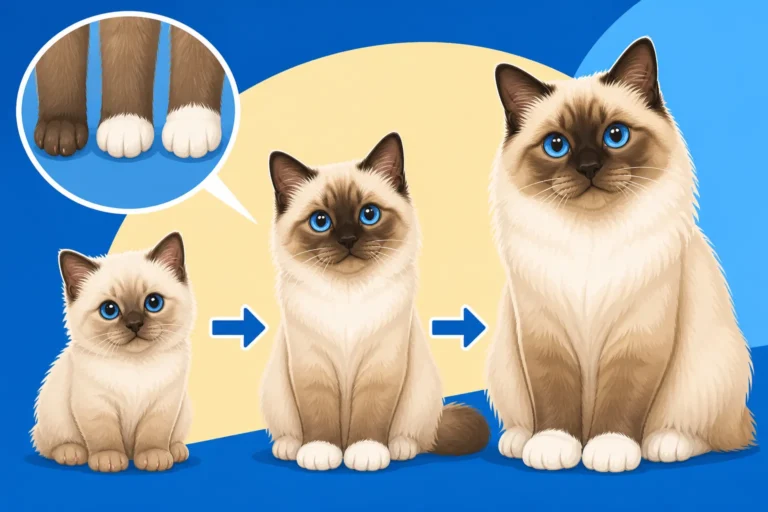
A Birman's dietary needs aren't static; they evolve throughout their life, which in turn affects feeding costs for coat maintenance. Birman kittens, rapidly growing and developing their beautiful points, require a diet rich in protein and calories to support their growth and coat development—Feeding a Birman Kitten While Its Points Come In. As they mature into adulthood, their caloric needs might stabilize, but the emphasis on high-quality ingredients for coat health remains.
As your Birman enters their senior years, typically around 10-12 years old, their metabolism slows down, and they might become less efficient at absorbing nutrients. Older Birmans may also start to struggle with self-grooming, especially reaching their backs—Caring for an Old Birman That Cannot Reach Its Back—which means their diet needs to provide even more internal support for skin and coat vitality. Sometimes, senior-specific formulas with added joint support (which can indirectly help with grooming flexibility) or higher levels of omega fatty acids become necessary, potentially increasing food costs. Paying attention to these changing needs ensures their coat stays as beautiful as possible throughout their long, happy life.
Strategies for Managing Your Birman's Coat-Centric Food Budget
Taking care of your Birman's glorious coat through proper nutrition doesn't have to break the bank. There are smart strategies you can employ to ensure your feline friend gets the best without overspending. It’s all about informed choices and a bit of planning.
Smart Shopping and Bulk Buying
One of the easiest ways to manage the cost of quality Birman food is through smart shopping. Comparison shopping between different brands and retailers can reveal significant price differences for comparable quality. Many pet supply stores, both brick-and-mortar and online, frequently offer sales, loyalty programs, or subscription discounts. For example, ordering your Birman's favorite kibble or wet food in bulk through a service like Chewy can often lead to substantial savings per unit, not to mention the convenience of doorstep delivery. Just make sure you have adequate storage to keep larger quantities fresh.
Consider also mixing and matching. Perhaps a high-quality kibble forms the base of their diet, supplemented by a premium wet food once a day. This hybrid approach can provide the benefits of both, offering excellent nutrition for coat health, while keeping the overall cost more manageable than a purely high-end wet or fresh food diet. Don't be afraid to read reviews, but always cross-reference them with ingredient lists to ensure you're getting value for money.
Consulting Your Vet and Reading Labels
Your veterinarian is an invaluable resource when it comes to your Birman's dietary needs, especially for coat health. They can assess your cat's individual condition, address any specific skin or coat issues, and recommend appropriate food types or supplements. Sometimes, what seems like a coat issue might be a symptom of an underlying health problem, making professional advice critical. They can guide you toward veterinary-approved diets that might be more expensive upfront but offer targeted benefits that could save on future medical costs.
Beyond professional advice, becoming an expert label reader is crucial. Don't fall for marketing hype; instead, focus on the ingredients list. Look for named meat proteins (e.g., "chicken," "salmon") as the first few ingredients, rather than vague terms like "meat by-products" or excessive fillers. Pay attention to the guaranteed analysis for protein and fat content. Understanding what's actually in your Birman's food empowers you to make cost-effective decisions that truly benefit their coat and overall health, ensuring every dollar spent goes towards quality nutrition.
The Long-Term Investment in a Healthy Coat
While the monthly cost of quality Birman food might seem higher than a bargain brand, it's essential to view it as a long-term investment. A Birman fed a high-quality, balanced diet that supports a healthy coat is likely to experience fewer skin issues, less dryness, and a reduced risk of certain health problems over their lifetime. This proactive approach can significantly decrease the likelihood of expensive vet visits for skin infections, allergies, or other diet-related ailments later on.
Think about it: preventing a problem is almost always cheaper than treating one. An unhealthy coat can be a symptom of internal distress. By providing optimal nutrition from the start, you're not just ensuring a beautiful exterior; you're supporting their entire system. This long-term health contributes to a better quality of life for your Birman and can potentially save you significant veterinary expenses. Furthermore, a good diet contributes to overall vitality and longevity, meaning you get more happy, healthy years with your cherished companion—The Twelve to Sixteen Years a Birman Usually Gets. Pet insurance providers like Healthy Paws can also help cover unforeseen health issues, but solid daily nutrition is your first line of defense.
Here's a quick comparison of different food types and their general impact on Birman coat health and cost:
| Food Type | Primary Benefit for Coat | General Cost Level | Pros for Birman Coat | Cons for Birman Coat / Cost |
|---|---|---|---|---|
| Dry Kibble | Convenient, long-lasting | Low to Moderate | Affordable protein, some specific formulas available | Lower moisture, requires high-quality protein selection |
| Wet Food | Hydration, digestible protein | Moderate to High | Excellent moisture, high animal protein, supports skin | Higher daily cost, can be less convenient for free-feeding |
| Fresh / Raw | Bio-available nutrients | High | Superior nutrient absorption, potential for best coat | Highest cost, requires careful balancing/sourcing or subscriptions |
| Supplements | Targeted support | Additional | Fills nutritional gaps, enhances specific aspects | Added expense, consult vet for necessity, quality varies |
Disclaimer
This article is for general informational purposes only and does not constitute professional advice. Laws, prices and regulations vary by location and change over time. Consult a qualified professional for guidance on your specific situation.