Whether Insurers Exclude HCM in a Birman
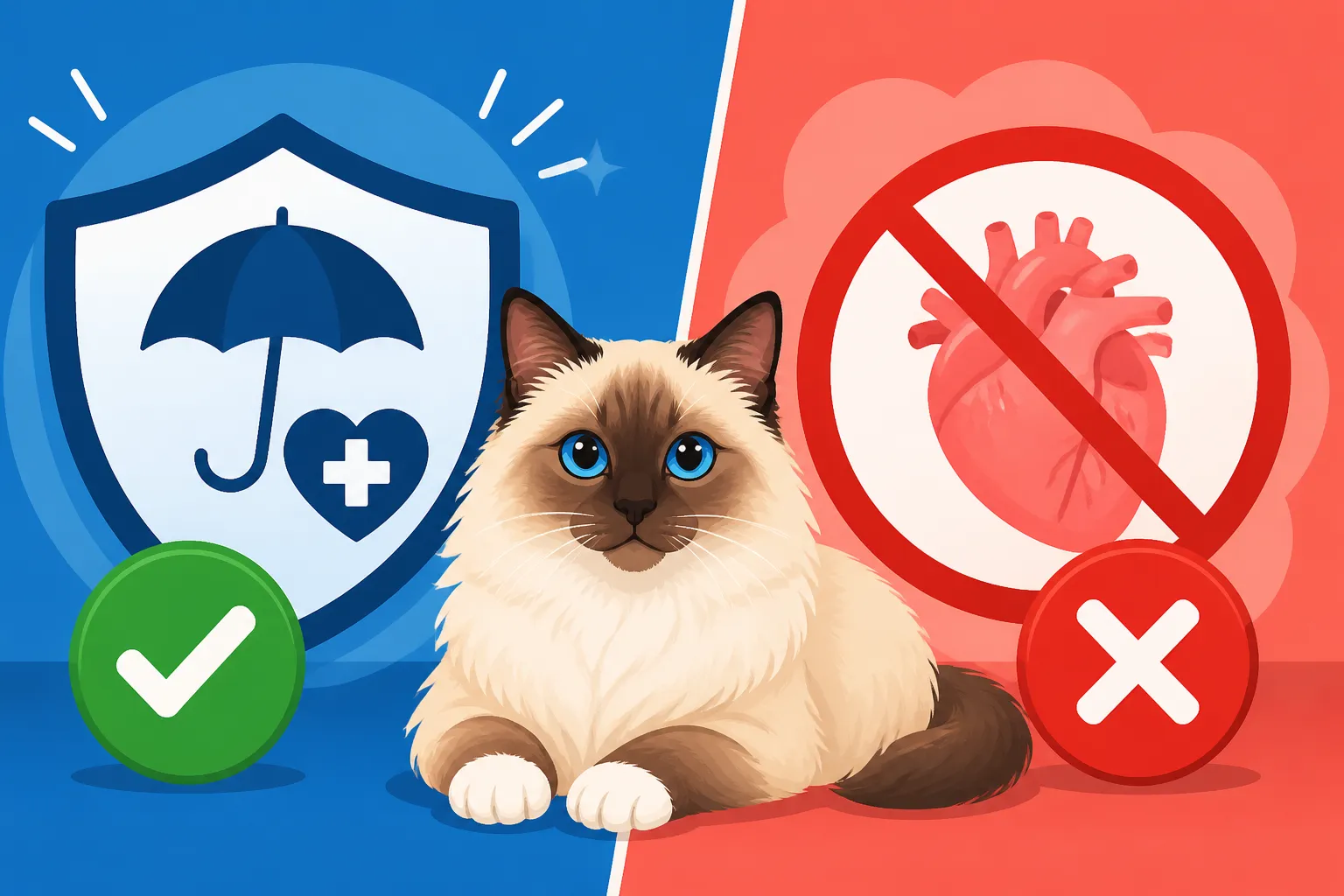
The moment you welcome a Birman into your home, you're not just getting a pet; you're inviting a truly special family member, full of quiet affection and gentle charm. But with all the joy comes the very real anxiety of their health, especially when it comes to conditions like Hypertrophic Cardiomyopathy (HCM). It’s an understandable worry, wondering if your pet insurance will actually be there for you if this silent threat ever makes an appearance. This guide will walk you through the complexities of pet insurance and HCM, helping you understand what to expect and how to protect your beloved Birman.
The Harsh Reality of Pre-Existing Conditions and Pet Insurance
It’s a scenario many of us have faced, or at least worried about: your precious cat starts showing subtle signs of illness, you rush them to the vet, and suddenly you’re facing a diagnosis that can lead to significant treatment costs. Then comes the call to the insurance company, only to be met with the dreaded phrase: "pre-existing condition." This isn't just a term; it's a barrier that can leave you feeling utterly heartbroken and financially exposed. Understanding how pet insurance views these conditions, particularly something as pervasive in some breeds as HCM, is crucial for any Birman parent.
What Constitutes a Pre-Existing Condition in Pet Insurance?
Generally speaking, a pre-existing condition is any illness or injury that your pet showed symptoms of, or was diagnosed with, before your insurance policy's start date and prior to the expiration of any waiting periods. What makes this particularly challenging with conditions like HCM is that symptoms can be incredibly subtle or even non-existent in the early stages. Your Birman might seem perfectly healthy, playing gently or simply enjoying a long nap, yet an underlying heart issue could be silently progressing. If your vet notes a heart murmur during a routine check-up, even if it's just a suspicion and not a full diagnosis of HCM, insurers will likely classify any subsequent HCM diagnosis as pre-existing once you apply for coverage. This is why timing is so crucial – getting coverage before any hint of a problem appears is often the only way to ensure future claims related to that condition are covered.
How Insurers Identify Pre-Existing Conditions
Insurers aren't mind readers, but they do have a powerful tool at their disposal: your cat's veterinary records. When you submit a claim, especially for a serious condition, the insurance company will request all past veterinary documentation. They'll meticulously comb through these records, looking for any mention of symptoms, diagnostic tests, or treatments that occurred before your policy began. For a Birman, this means they'll be scrutinizing notes on heart auscultations – where the vet listens to the heart with a stethoscope – looking for any murmurs, irregular rhythms, or other cardiac abnormalities. If there's a record of a murmur, even years before an HCM diagnosis, it could be flagged. They're also looking for any signs of lethargy, reduced exercise tolerance, or changes in breathing that could be linked to heart issues. Many policies have a "look-back" period, which means they can review records for a certain number of months or even years prior to your policy's effective date to establish if a condition was pre-existing. It can feel like they're trying to find a reason not to pay, but from their perspective, they're simply adhering to their policy terms.
Understanding HCM in Birmans: Why It's a Concern for Insurers
Hypertrophic Cardiomyopathy, or HCM, is unfortunately a significant concern within the Birman community. It’s a primary heart disease characterized by a thickening of the heart muscle, particularly the left ventricle. This thickening makes it harder for the heart to pump blood effectively, and it can lead to serious complications, even sudden death. For insurance companies, it represents a potentially very expensive chronic condition, which is why their scrutiny around it is so intense.
The Silent Threat: How HCM Presents in Birmans
One of the most insidious things about HCM in Birmans is its often silent nature. Our Birmans are known for their placid, gentle temperaments. They're not usually the type to dramatically vocalize discomfort or show obvious signs of distress, which can make it incredibly difficult to spot early symptoms. Why a Quiet Birman Is Easy to Misread. Many cats, Birmans included, are masters at hiding illness, a survival instinct from their wild ancestors. You might notice a subtle decrease in their energy levels, perhaps they're not jumping onto their favorite window perch as readily, or they're just a little less interested in playtime. Sometimes, the first overt sign can be severe breathing difficulties, lethargy, or even a sudden collapse due to congestive heart failure or a blood clot. The Last Signs Before a Birman's Thickened Heart Fails. It's a terrifying thought, but it underscores why proactive screening and early insurance coverage are so vital.
Screening for HCM: The Gold Standard
When it comes to definitively diagnosing HCM, or even just screening for it, the echocardiogram (often called an echo) is the gold standard. It's essentially an ultrasound of the heart that allows a veterinary cardiologist to visualize the heart muscle, measure its thickness, and assess its function. How HCM Shows Up in a Birman. Listening to the heart with a stethoscope is a good first step – a heart murmur can be an indicator, and certainly, Why a Murmur in a Birman Sends You Straight to an Echo – but a murmur doesn't automatically mean HCM, nor does a lack of murmur guarantee a healthy heart. Some cats with HCM never develop a murmur. This is why regular echocardiograms are so critical, particularly for breeding Birmans, to ensure healthy lines. Why an Echo Is the Only Way to Screen a Birman. Without these scans, it's virtually impossible to know for sure what's happening inside your Birman's heart.
Navigating Insurance Policies with HCM in Mind
The key to successfully managing HCM with pet insurance lies largely in timing and understanding the nuances of policy terms. It’s not just about having insurance; it’s about when you get it and what it covers.
The Crucial Timing: Insuring Before Diagnosis
This cannot be stressed enough: if you want any chance of your pet insurance covering HCM, you absolutely must get your Birman insured before there are any signs or diagnosis of the condition. This means ideally, you would enroll your kitten as soon as you bring them home, or your adult cat immediately upon adoption, assuming they have a clean bill of health. Once the policy is active, there will be a waiting period—typically a few weeks for accidents and longer for illnesses. During this waiting period, any symptoms or diagnoses that arise would be considered pre-existing and therefore excluded.
Let’s say you adopt a healthy Birman kitten at 12 weeks old and immediately enroll them with an insurer like Healthy Paws. Their records from the breeder and initial vet check are clean. After the waiting period, if at three years old, your vet detects a murmur, and an echocardiogram confirms HCM, your policy should cover the diagnosis and subsequent treatment. However, if you wait until after that initial murmur is detected to enroll, even if HCM hasn't been confirmed, it’s highly probable that HCM would be deemed a pre-existing condition and excluded from coverage. This timing makes all the difference in the world for your peace of mind and your wallet.
What if My Birman Already Has HCM or a Murmur?
If your Birman has already been diagnosed with HCM, or if a heart murmur has been noted in their veterinary records, the options for comprehensive insurance coverage become significantly limited, and often non-existent for that specific condition. Most standard pet insurance policies will explicitly exclude pre-existing conditions, which would include HCM in this scenario. This means any vet visits, diagnostic tests (like follow-up echos), medications, or emergency care related to their heart condition would be out-of-pocket expenses.
Some pet insurance providers might offer accident-only plans, which would cover injuries like a broken leg but would do nothing for an existing illness like HCM. Occasionally, a very select few insurers might have specific riders or clauses for curable pre-existing conditions, but HCM is generally considered a lifelong, incurable condition, manageable but not curable. This is where the financial burden can become immense, with ongoing medication, regular cardiologist visits, and potential emergency treatments. The prospect of managing HCM without insurance can be daunting, especially considering how many years How Long a Birman Lives After Its Heart Is Diagnosed. It's a harsh reality, but an important one to understand upfront.
Reading the Fine Print: What to Look For in a Policy
Navigating the world of pet insurance policies can feel like trying to decipher an ancient scroll. Every company has its own jargon and specific clauses. When you're looking at policies for your Birman, especially with HCM in mind, you need to be a detective. Pay close attention to sections on "pre-existing conditions," "hereditary and congenital conditions," and "waiting periods." Some policies might differentiate between hereditary conditions (passed down genetically) and congenital conditions (present at birth, but not necessarily genetic). While HCM can have a genetic component, it's often covered under "illness" if no signs existed prior to coverage.
Always ask direct questions to the insurer, and get their answers in writing if possible. Ask: "If my Birman develops HCM after the waiting period, and had no prior signs or symptoms in their vet records, will it be covered?" "What is your look-back period for pre-existing conditions?" Don't assume anything. Compare different providers. Even major retailers like Chewy often partner with pet insurance companies, and it’s worth checking the specific policy wording for each one. A clear understanding before you need to file a claim is paramount.
Proactive Steps for Birman Owners
While insurance is a financial safety net, taking proactive steps in your Birman's care and selection is equally, if not more, important. Being informed and making responsible choices can significantly impact your Birman's health and your peace of mind.
Choosing a Reputable Breeder
This is perhaps the single most critical step you can take to mitigate the risk of HCM and other hereditary conditions in your Birman. A truly reputable and ethical Birman breeder will be transparent about the health history of their breeding cats, especially regarding HCM. They will regularly screen their breeding Birmans for HCM via echocardiograms performed by a board-certified veterinary cardiologist. They should be able to provide documentation of these clear heart scans for both parents of your kitten, and ideally for previous generations as well. What to Ask About a Birman Line's Heart Scans.
Don't be shy about asking for specific reports, not just verbal assurances. An ethical breeder will understand your concerns and readily share this information. If a breeder is evasive or claims that their lines "don't have HCM" without providing proof of regular scanning, that's a major red flag. They understand Why Both Birman Parents Should Be Echo Scanned is paramount for the health of their kittens and the future of the breed. By choosing a breeder committed to health screening, you're investing in a kitten with the best possible start in life, reducing the likelihood of encountering HCM early on, which in turn makes securing comprehensive insurance coverage much more straightforward.
Regular Veterinary Care and Health Records
Even with a healthy Birman from a screened line, consistent veterinary care is non-negotiable. Annual check-ups are not just for vaccines; they are opportunities for your vet to perform a thorough physical exam, including listening to your Birman's heart. These regular visits create a clear, continuous health history in your cat's records. Should an issue arise later in life, these detailed vet notes are your absolute best friend when dealing with an insurance claim. A long history of clear heart auscultations and physical exams will strongly support your claim that any subsequent diagnosis of HCM was not pre-existing.
Beyond formal vet visits, maintaining your Birman's overall health through proper nutrition and a healthy weight is vital for heart health. Obesity places extra strain on the heart, regardless of genetic predispositions. Discuss your Birman's diet with your vet; quality foods, including fresh food plans, can contribute to overall well-being. While diet isn't a cure for HCM, a well-nourished body is better equipped to handle any health challenges that may arise.
Here's a quick comparison of how pet insurance generally treats different types of conditions:
| Condition Type | Definition (General) | Typical Insurance Coverage |
|---|---|---|
| Accidents | Sudden, unexpected events like broken bones, lacerations, foreign body ingestion. | Usually covered (after waiting period). |
| New Illnesses | Illnesses that develop after policy inception and waiting periods (e.g., infections, new cancers, HCM with no prior signs). | Usually covered (after waiting period). |
| Pre-Existing Conditions | Any illness or injury with signs/diagnosis before policy inception or during waiting period. | Generally excluded. |
| Hereditary Conditions | Conditions inherited genetically (e.g., some forms of HCM, PKD). | Often covered if no signs/diagnosis before coverage, but check policy details carefully. |
| Congenital Conditions | Conditions present at birth, often detected later (e.g., birth defects). | Some policies cover, others exclude. Often treated similarly to hereditary conditions. |
| Wellness/Preventative | Routine care like vaccines, annual exams, dental cleaning (not sickness-related). | Usually an add-on or separate plan, not standard accident/illness coverage. |
Disclaimer
This article is for general informational purposes only and does not constitute professional advice. Laws, prices and regulations vary by location and change over time. Consult a qualified professional for guidance on your specific situation.