Why to Insure a Birman Before Its First Echo
It's heartbreaking to imagine your beloved Birman facing a serious health issue, especially when it's something like a heart condition that can be so hard to detect early. The financial burden of specialized veterinary care can be overwhelming, often forcing pet parents into difficult decisions. This guide will walk you through why securing pet insurance for your Birman before their first cardiac echocardiogram – and ideally, as a young kitten – is one of the smartest investments you can make for their long-term health and your peace of mind.
The Silent Threat: Understanding Birman Health Risks
Birmans are generally robust cats, known for their sweet nature and stunning appearance. However, like many purebred cats, they do come with a predisposition to certain genetic and hereditary conditions. The most talked-about of these is often Hypertrophic Cardiomyopathy (HCM), a primary heart muscle disease. The tricky part is that these conditions can lurk silently for years, showing no outward symptoms until they've progressed significantly. This is where the timing of pet insurance becomes absolutely crucial, especially concerning that vital first cardiac echo.
Hypertrophic Cardiomyopathy (HCM): A Birman's Hidden Vulnerability
HCM is a condition where the heart muscle, particularly the left ventricle, becomes abnormally thick. This thickening makes it harder for the heart to pump blood effectively, leading to a host of problems including congestive heart failure, blood clots, and sudden death. It's a progressive disease, meaning it tends to worsen over time. The insidious nature of HCM is that many cats show no signs at all in the early stages. They might seem perfectly healthy, playing and eating as usual, while the disease quietly advances.
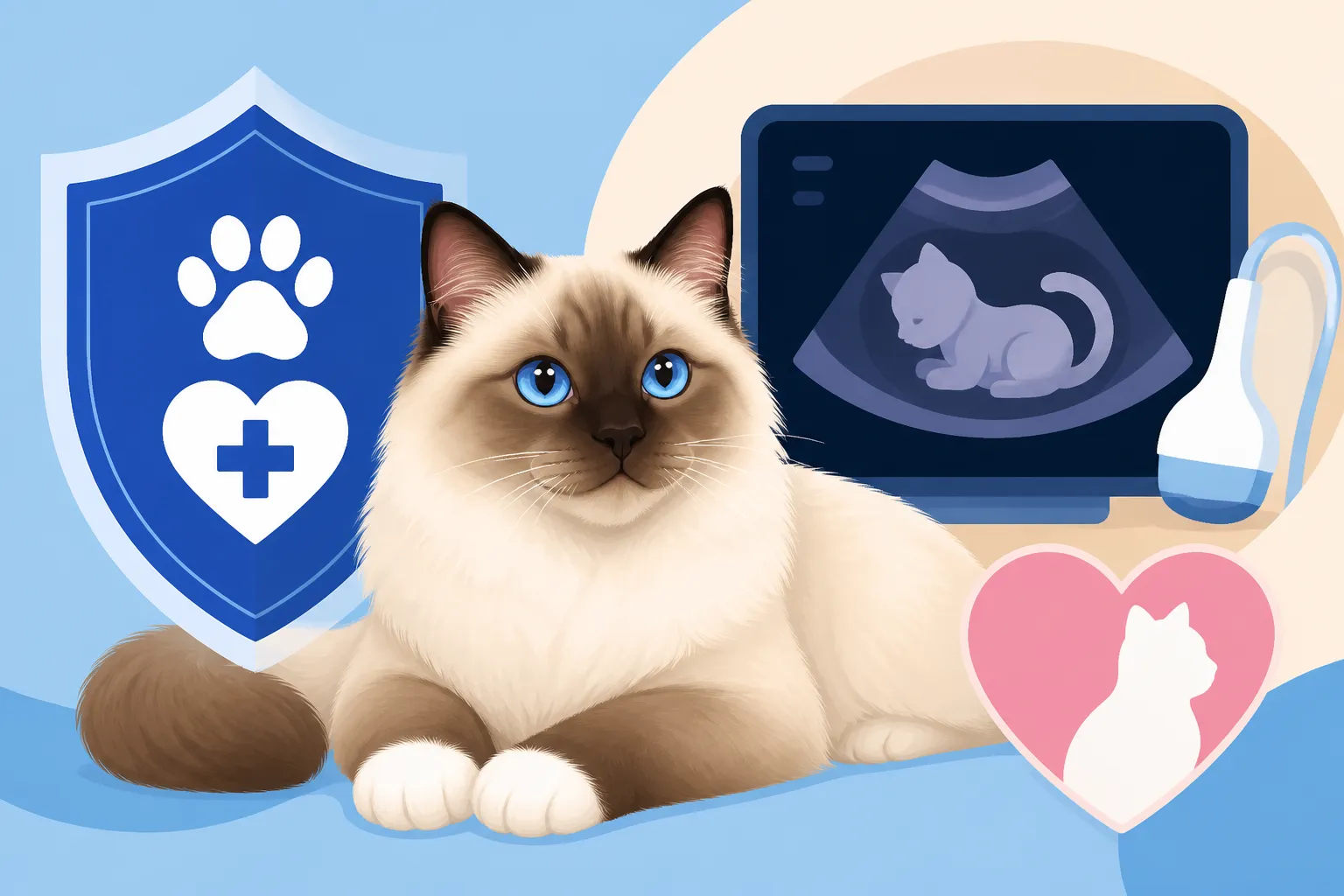
For Birmans, this can be particularly concerning because their naturally placid and tolerant temperament often means they mask illness exceptionally well. Why a Birman Hides Illness Behind a Placid Temperament is a common challenge for owners. A cat that's slowing down might just seem "lazy" or "more relaxed" when in reality, they're conserving energy due to a struggling heart. An echocardiogram, or "echo," is the gold standard for diagnosing HCM. It's a non-invasive ultrasound of the heart that allows a veterinary cardiologist to visualize the heart's structure and function. This is why it’s so important that breeding Birmans are regularly screened. How HCM Shows Up in a Birman is often subtle in early stages, making routine screening even more vital.
Other Genetic Conditions to Consider
While HCM is a major concern, Birmans can also be predisposed to other genetic issues. Polycystic Kidney Disease (PKD), though less common in well-bred lines now due to DNA testing, was historically a concern inherited from Persian outcrosses in the breed's history. Why a Birman Breeder Still Tests for PKD ensures this painful disease continues to decline in prevalence. Another, though rare, condition is Feline Hypotrichosis with Thymic Aplasia (FOXN1), which affects hair and immune function. Why a Birman Kitten Born Bald Will Not Reach Eight Months explains the severe consequences of this devastating condition.
The point is, while responsible breeders go to great lengths to screen their breeding stock and reduce the risk of passing on these traits, no guarantee is foolproof. Accidents happen, and genetic mutations can arise. The cost of diagnosing and managing these conditions throughout a cat's life can quickly become astronomical. Imagine the stress of seeing your beloved Birman struggling and knowing that the necessary diagnostic tests or ongoing treatments are beyond your immediate financial reach.
The Financial Lifeline: Why Early Pet Insurance Is Indispensable
This is where pet insurance steps in as a true financial lifesaver. The core reason to get insurance before your Birman has their first echo, or any significant veterinary visit, boils down to how policies handle "pre-existing conditions."
Pre-Existing Conditions: The Catch-22 of Coverage
A pre-existing condition is any illness or injury that your pet showed signs of, or was diagnosed with, before your insurance policy's waiting period ended. If your Birman undergoes their first echo and is diagnosed with HCM before you have insurance, or before the waiting period for heart conditions is over, that condition will almost certainly be excluded from coverage for the lifetime of your policy. This means you'll be solely responsible for all future costs associated with managing their HCM – and those costs can be substantial, including specialist consultations, medications, follow-up echoes, and emergency care if complications arise. How Many Years a Birman Lives After Its Heart Is Diagnosed with HCM can vary, but lifelong management is common, meaning lifelong expenses.
Even a murmur heard during a routine check-up, before an echo confirms HCM, can sometimes be flagged as a potential pre-existing condition by an insurer. Why a Murmur in a Birman Sends You Straight to an Echo because it's an immediate red flag for heart issues. If you wait until after the vet hears that murmur, even if no formal diagnosis has been made, some policies might consider any subsequent heart condition as pre-existing due to the noted symptom. This is why the window between bringing your kitten home and their first comprehensive vet check-up (which might include listening to their heart carefully) is so critical for getting insurance in place.
What Pet Insurance Typically Covers for Birmans
When you enroll your Birman kitten early, you're essentially ensuring that most unforeseen illnesses and accidents that develop after the policy's waiting period will be covered. This often includes:
- Accidents: Injuries like fractures, wounds, or poisonings.
- Illnesses: Conditions like diabetes, cancer, infections, and yes, newly diagnosed heart conditions.
- Diagnostic Tests: X-rays, blood tests, MRIs, and crucial echocardiograms.
- Treatments: Medications, surgeries, hospitalization, and specialist care.
- Emergency Care: Visits to the emergency veterinary clinic.
Many reputable pet insurance providers, such as Healthy Paws Pet Insurance, offer comprehensive accident and illness plans that cover a wide range of conditions. These plans are designed to help you cover the unexpected, allowing you to focus on your Birman's health without the immediate panic of a hefty vet bill. While some plans also offer wellness add-ons for routine care like vaccinations and annual check-ups, the real value for a Birman owner lies in the comprehensive illness coverage, especially for conditions like HCM that require expensive diagnostics and long-term management.
Navigating Policy Choices and Timing Your Enrollment
Choosing the right pet insurance can feel like navigating a maze, but understanding a few key factors and prioritizing early enrollment can simplify the process significantly.
Key Factors to Consider in a Birman Insurance Policy
Not all policies are created equal, and what works for one pet parent might not be ideal for another. When looking at options, consider these elements:
- Deductible: This is the amount you pay out-of-pocket before your insurance coverage kicks in. Lower deductibles mean you pay less upfront but usually come with higher monthly premiums.
- Reimbursement Rate: This is the percentage of the covered veterinary bill that the insurance company will pay. Common rates are 70%, 80%, or 90%. A higher reimbursement rate means less out-of-pocket expense for you after the deductible is met.
- Annual Limit: This is the maximum amount the insurance company will pay out in a policy year. Some policies offer unlimited annual coverage, which can be invaluable for chronic conditions or severe accidents.
- Waiting Periods: All policies have waiting periods – a specific amount of time after enrollment before certain conditions are covered. These can vary for accidents, illnesses, and specific conditions like orthopedic issues. It's crucial to understand these periods.
- Hereditary and Congenital Conditions: Confirm that the policy covers hereditary and congenital conditions, provided they are not pre-existing. This is incredibly important for Birmans given their breed predispositions. Whether a Birman Guarantee Covers HCM is a common question, but a pet insurance policy is typically a more robust financial safeguard.
It’s worth noting that while some general pet supply retailers like Chewy might promote various pet services or products, when it comes to insurance, you'll want to carefully compare dedicated pet insurance providers. They specialize in this complex area and can often offer more tailored advice and plans.
The Urgency of Enrolling Your Birman Kitten
Let's circle back to the core message: the ideal time to insure your Birman is as a young kitten, before any potential health issues, no matter how minor, have been noted by a vet. This means enrolling them shortly after they come home, often around 8-12 weeks of age, well ahead of routine check-ups or any specialized screenings.
For example, a Birman kitten typically has its first comprehensive vet visit around 8-12 weeks, which might include initial vaccinations, deworming, and a general physical exam. During this exam, the vet will listen to their heart. If a heart murmur is detected, even if it's benign and common in kittens, it could potentially be flagged as a pre-existing condition for any future cardiac issues if insurance isn't already in force with a completed waiting period. By insuring your kitten as soon as you get them, you maximize the chances that any condition that develops later will be covered, including HCM diagnoses made after their first echo as an adult. What a Birman Kitten Has Had Done by Thirteen Weeks usually includes basic health checks, but not specialized cardiac screenings, emphasizing the gap where early insurance can protect you.
Long-Term Benefits and Peace of Mind
The decision to insure your Birman early extends far beyond just covering potential HCM. It's about providing a safety net for their entire life, ensuring you can always say "yes" to the best possible care.
Beyond the First Echo: Lifetime Coverage for Age-Related Issues
While early health screenings like the first echo are critical, your Birman will face other health challenges as they age. Just like people, older cats can develop a range of conditions that require ongoing veterinary attention. These might include:
- Dental Disease: Birmans, with their refined bone structure, can be prone to dental issues. Regular cleanings under anesthesia can add up. How Dental Disease Progresses in a Birman is a slow process, but once it takes hold, treatments can become extensive.
- Kidney Disease: This is a common ailment in senior cats of all breeds. Blood tests, specialized diets, and medications can help manage it, but it's a lifelong commitment. Which Blood Values a Birman's Kidney History Makes Important are something your vet will track closely as your cat ages.
- Arthritis: As your Birman What an Ageing Birman Slows Down From, they might develop arthritis, requiring pain management and possibly physical therapy.
- Cancer: Unfortunately, cancer can affect any cat, regardless of breed. Diagnosis and treatment can be incredibly expensive, often involving chemotherapy, radiation, or specialized surgeries.
Having insurance in place from kittenhood means that these conditions, provided they develop after your policy's waiting periods, will typically be covered. This financial support means you can pursue treatments that might otherwise be out of reach, offering your Birman a higher quality of life in their senior years. Think about What a Birman Costs From Kitten to Sixteen – a significant portion of that lifetime cost can be vet bills for unexpected health issues.
Avoiding Difficult Choices: The Emotional Impact of Financial Strain
Ultimately, pet insurance provides invaluable peace of mind. No one wants to be in a position where they have to choose between their pet's health and their financial stability. Without insurance, faced with a diagnosis requiring thousands of dollars in treatment, many loving pet parents find themselves in agonizing situations, sometimes having to make decisions based on cost rather than what's best for their furry family member.
With insurance, particularly a policy from a provider like Healthy Paws that covers a wide array of conditions once your waiting period is over, you gain the freedom to pursue optimal veterinary care without the crushing weight of immediate financial burden. This allows you to focus your energy on supporting your Birman through their treatment and recovery, rather than stressing about how to pay the bills. It’s a way to ensure that you can provide the long, healthy, and happy life your Birman deserves.
| Aspect | Insuring Before Diagnosis/Symptoms (e.g., as a kitten) | Insuring After Diagnosis/Symptoms (e.g., after murmur) |
|---|---|---|
| Coverage for HCM | Likely covered, assuming waiting period is met | Almost certainly excluded as a pre-existing condition |
| Coverage for PKD | Likely covered (if not present before policy starts) | Excluded if diagnosed or symptomatic before policy |
| Coverage for FOXN1 | Likely covered (if not present before policy starts) | Excluded if diagnosed or symptomatic before policy |
| Annual Premiums | Generally lower when the cat is young and healthy | Can be higher, and coverage limitations are common |
| Waiting Periods | Still apply, but usually passed before major issues | May be irrelevant if conditions are pre-existing |
| Peace of Mind | High, knowing major future costs are covered | Limited, as known conditions are likely excluded |
| Future Treatment Options | Broad, allowing for best care decisions | Restricted by out-of-pocket costs for excluded conditions |
Disclaimer
This article is for general informational purposes only and does not constitute professional advice. Laws, prices and regulations vary by location and change over time. Consult a qualified professional for guidance on your specific situation.