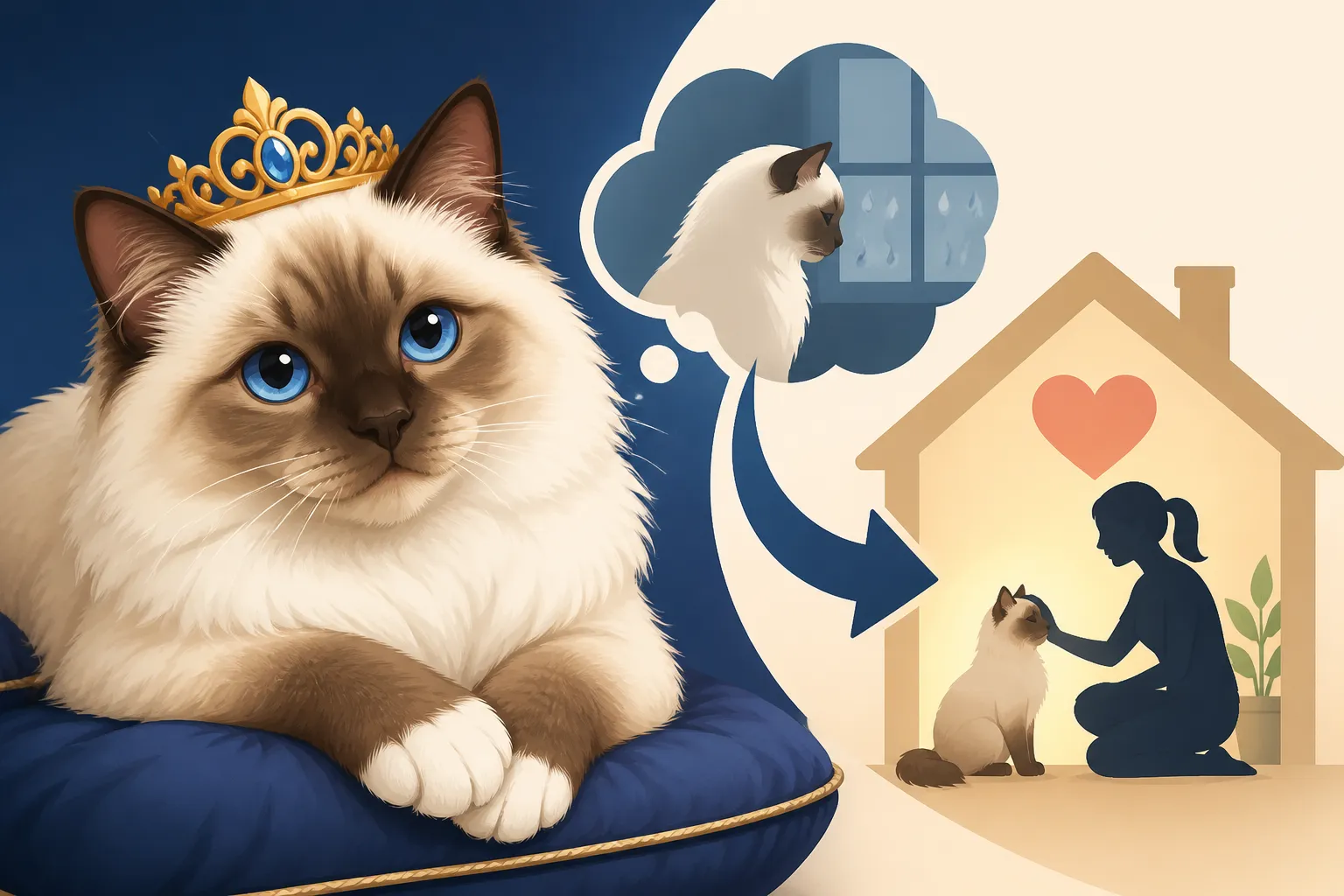
Why a Retired Birman Queen Needs Rehoming
It’s a common misconception that a breeding cat lives its entire life producing litter after litter, endlessly. Many people imagine a cycle of constant kitten care, but the reality for reputable Birman breeders is far different, and at some point, their beloved queens retire. This guide will walk you through the very humane and often necessary reasons why a retired Birman queen needs rehoming, explaining the transition, what it means for her, and what you, as a potential new owner, need to know.
The Heartfelt Decision: Why Breeders Rehome Their Queens
When you meet a Birman breeder, you often see a deep love for their cats, a passion that goes far beyond just producing kittens. For them, every cat in their cattery is a cherished member of the family, and the decision to retire a queen and find her a new home is never taken lightly. It’s a thoughtful process driven by an unwavering commitment to the animal’s long-term health and happiness.
Prioritizing Health and Well-being Over Breeding Demands
A Birman queen's breeding career is finite. It has a natural, responsible endpoint. It’s simply not healthy or fair to expect a cat to continue having litters indefinitely. Pregnancy and nursing are physically demanding, and even the most robust queen needs a break and, eventually, a full retirement from that role. Breeders monitor their queens closely, often retiring them after a certain number of litters or once they reach a specific age, usually somewhere in their middle years. This decision is made with the cat’s vitality in mind, ensuring she can enjoy her later years free from the stresses and strains of reproduction. Her body needs time to recover and relax, to simply be a cat without the demands of raising kittens. A healthy retirement allows her to focus on herself.
This commitment to health also extends to genetic screening. Reputable breeders are continuously testing their breeding stock for inherited conditions like Hypertrophic Cardiomyopathy (HCM) and Polycystic Kidney Disease (PKD). A queen might be retired if her health screenings suggest it's no longer advisable for her to breed, even if she's still relatively young. This is a testament to the breeder's dedication to the breed's future and the individual cat's welfare. You might be surprised to learn that How Many Years a Birman From Echo Scanned Lines Lives is significantly influenced by these proactive health measures.
The Ethics of a Breeder's Program
Ethical breeding is about quality, not quantity. Responsible breeders adhere to strict guidelines, often imposed by cat registries, regarding how many litters a queen can have in her lifetime and the frequency of those litters. These rules are in place to prevent overbreeding and safeguard the queen’s welfare. Once a queen has contributed to the gene pool in a meaningful way, perhaps by producing healthy, well-socialized kittens that embody the Birman standard, her role shifts.
Furthermore, a breeder's home isn't an endless space. They often have a limited number of cats they can properly care for, ensure socialization, and provide individual attention to. Keeping too many cats can dilute the quality of care each one receives. Rehoming a retired queen is a proactive step to maintain a manageable number of animals, allowing the breeder to continue providing excellent care for their remaining breeding cats and their offspring, while ensuring the retired queen gets the dedicated, one-on-one attention she deserves in a pet home. It's a tough but necessary call to keep the entire program ethical and sustainable.
Making Room for New Generations, Responsibly
While it sounds pragmatic, there's a practical side to breeding that involves carefully planning for future generations. Breeders want to continue improving the breed, focusing on health, temperament, and adherence to the Birman standard. This means sometimes new queens will enter the breeding program. To maintain a high standard of care and ensure every cat receives ample attention and space, a retired queen often needs to move on to a loving pet home.
This isn't just about physical space; it's about the emotional and social dynamics within a cattery. Some queens thrive on being the matriarch of the household, while others, once their breeding duties are done, might prefer a quieter life where they don't have to compete for attention or space with younger, more boisterous cats or new kittens. A breeder carefully assesses each cat's personality and needs, determining whether she would be happier as the sole focus of a family's affection, rather than one of many in a busy cattery. This careful planning ensures that the retired queen finds a home where she can truly shine and live out her golden years in peace.
A New Chapter: The Birman Queen's Transition to Pet Life
For a Birman queen, transitioning from a cattery environment to a quiet pet home is a significant life change. While she has always been loved and cared for, her role and daily routine will shift dramatically. Understanding this transition is key to helping her settle in and thrive as a cherished companion.
Adjusting to a Quiet Home Life
Imagine a lifetime centered around a specific purpose, then suddenly, that purpose is gone, and your world changes. For a retired Birman queen, life in a breeding cattery often involves the sounds and rhythms of kittens, other breeding cats, and the constant attention of her breeder. While not necessarily chaotic, it's a dynamic environment. Moving to a pet home usually means a significant decrease in feline population, a quieter pace, and a different kind of human interaction. She might go from being one of several cats to being the only cat, or perhaps sharing her space with just one other companion.
This shift means she'll likely have much more direct human attention, which most Birmans absolutely adore. However, it also means she needs to adapt to new sounds, smells, and routines. Her placid Birman temperament is a huge advantage here, as they are generally known for being adaptable and easygoing. She might spend the first few days exploring her new territory cautiously, finding her favorite sunbeams and quiet corners. Remember, Why a Quiet Birman Is Easy to Misread, so pay close attention to subtle cues she gives during this adjustment period. Patience and a consistent routine will be her best friends as she embraces her new, more peaceful existence.
Understanding Her Emotional Needs After a Lifetime of Purpose
A queen's life as a breeder is deeply intertwined with her maternal instincts. She’s had the important job of raising kittens, nurturing them, and teaching them how to be cats. When that role ends, there can be an emotional void. Some queens might miss the presence of kittens, while others embrace the newfound freedom from maternal duties with gusto. It truly varies by individual personality. However, one universal truth for Birmans is their deep need for companionship.
She will likely crave human connection, perhaps even more so than a kitten. She's used to being around people and receiving affection. She might follow you from room to room, settling near you rather than on your lap, a typical Birman trait. Providing her with consistent, gentle attention, reassuring cuddles, and plenty of quiet presence will help fill any emotional gaps and build her confidence in her new life. Think of it as allowing her to redefine her purpose, shifting from "mother of many" to "beloved individual."
The Joy of Being a Cherished Pet
This is where the magic truly happens. Once a retired Birman queen settles into her new home, she blossoms into a dedicated, affectionate pet. No longer carrying the responsibilities of motherhood, she can fully embrace being pampered and adored. She’ll relish the quiet evenings on the sofa, the dedicated playtime sessions, and the consistent, undivided attention from her human family. She’s no longer just a "breeder cat"; she's your cat.
Many people find adopting a retired queen incredibly rewarding because you're getting a cat whose personality is already fully formed. You know what you're getting in terms of temperament, and often, they come litter-trained, well-socialized, and accustomed to a home environment. It’s a chance for these wonderful cats to enjoy the rich, full life they so richly deserve after contributing so much to the breed. It’s a beautiful exchange: they get a loving home, and you get a loyal, gentle, and utterly devoted companion.
Welcoming a Retired Birman Queen into Your Family
Bringing a retired Birman queen into your home is a truly wonderful experience, but it does come with its own unique considerations. Unlike a young kitten, she has a history, established habits, and possibly some specific needs that are important to understand. Preparing effectively will ensure a smooth transition for everyone involved.
What to Expect: Temperament and Personality Shifts
Firstly, remember that a Birman's core temperament is inherently gentle and placid. This won't change. However, a retired queen might initially be a little reserved or cautious. She's been a valued part of a breeder's household, but her primary role was different. Now, she's learning to be just a pet. She might explore her new surroundings with a quiet dignity, observing you before fully engaging. Don't mistake her calmness for aloofness; it's simply her way of processing change.
Over time, her personality will truly shine. You might find her becoming incredibly affectionate, following you around the house, and engaging in quiet play. She might not be as boisterous as a kitten, but her playful periods can be just as joyful. Expect a cat who loves being near you, perhaps on a nearby chair or at the foot of your bed. She might take a few weeks to truly relax and show her true colors, but when she does, it's incredibly rewarding. She's likely already an expert at litter box etiquette and scratching post use, which is a huge bonus compared to a kitten!
Essential Preparations for Her Arrival
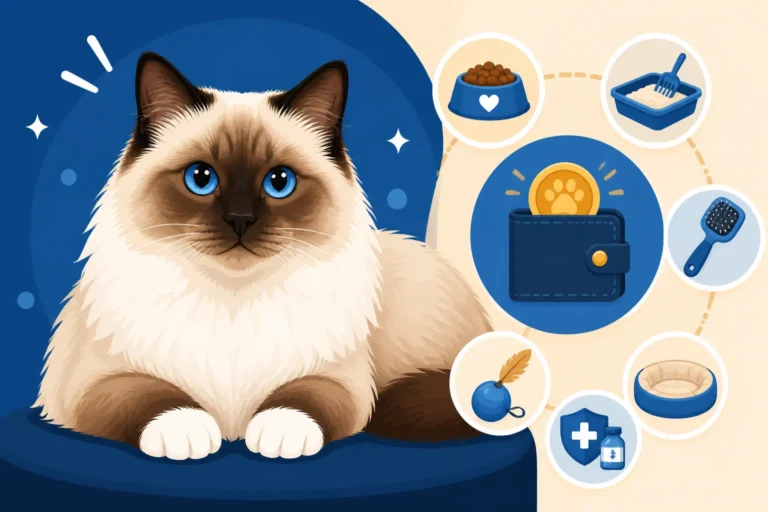
Before your retired queen arrives, preparing your home is crucial. Think about her comfort and security. Set up a dedicated "safe space" for her in a quiet room, complete with her litter box, food and water bowls, a comfortable bed, and a few toys. This gives her a sanctuary where she can decompress and feel safe during her first few days. Gradually, you can open up more of the house as she becomes more confident.
Consider her dietary needs. Ask the breeder what food she's currently eating and stick to that initially to avoid stomach upset. If you plan to transition her to a new food, do so very slowly over several weeks. A high-quality diet is important for her health, especially as she ages. You might even consider specialized senior cat foods or fresh food options, which can be great for older cats with sensitive stomachs or specific nutritional needs. Make sure she has plenty of fresh water available, perhaps in a ceramic fountain, which can encourage her to drink more, an important consideration for feline kidney health. How a Birman's Coat Differs From a Ragdoll's is also a good read to understand their unique grooming needs, even in retirement.
Ongoing Care: Health, Diet, and Grooming for an Older Birman
As a retired queen, she's likely past the vigorous kitten stage, and her health needs will lean more towards preventative care and monitoring for age-related conditions. Continue regular veterinary check-ups, and make sure to discuss her age and any past breeding history with your vet. What a Birman's Yearly Panel Should Include After Eight is a conversation you'll want to have, as certain blood tests become more important as she matures.
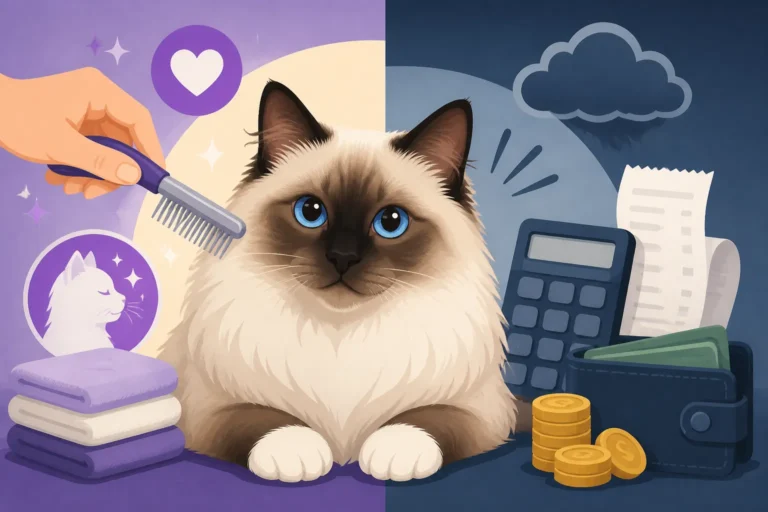
Her diet should reflect her activity level. She might be less active than a younger cat, so adjusting her calorie intake will be important to prevent weight gain. Quality protein and essential fatty acids are vital for maintaining her beautiful coat. For grooming, while Birmans have a relatively easy-care single coat, regular combing will still be necessary to prevent mats, especially in her ruff and britches. If you notice her struggling to groom hard-to-reach areas, which can happen as cats age, be prepared to step in. Taking Over the Grooming an Old Birman Has Given Up is a good resource to help you understand this specific need. Consider products from Chewy for high-quality combs, brushes, and age-appropriate food.
Finding Her Forever: The Rehoming Process and What to Look For
The process of finding a retired Birman queen can be different from getting a kitten, and knowing what to expect from a reputable breeder is paramount. It’s not just about selecting a cat; it’s about ensuring a perfect, lasting match.
How Reputable Breeders Handle Rehoming
A responsible Birman breeder puts immense effort into finding the right "forever" home for their retired queens. This isn't a casual adoption; it's a careful matching process. They will likely have an application process, similar to what you’d encounter when inquiring about a kitten. This often includes questions about your home environment, experience with cats, other pets, lifestyle, and commitment to lifelong care. The breeder wants to ensure their beloved queen goes to a home where she will be cherished and safe.
They'll also be incredibly transparent about her history. You should expect to receive full health records, including genetic testing results (like for FOXN1 and PKD1 if done), vaccination history, and information about any previous health concerns or specific dietary needs. They'll tell you about her personality, her quirks, her favorite toys, and what kind of home she thrives in. Don't be surprised if they ask for references or even conduct a home visit. This thoroughness is a sign of a truly dedicated breeder who cares deeply about their cats' welfare. They often share valuable insights into Why a Birman Does Better With Company and how she might adjust to other pets.
Questions to Ask and Red Flags to Watch For
When considering a retired Birman queen, don't hesitate to ask every question that comes to mind. This is your chance to gather all the information you need to make an informed decision. Here are some key areas to cover:
- Health History: Request to see all vet records, vaccination history, and any genetic testing results. Ask about her parents' health if relevant. How old is she? Has she had any health issues during her breeding career?
- Behavior and Temperament: Ask about her personality. Is she shy or outgoing? Does she get along with other cats or dogs? Is she comfortable with children? How does she react to new people? The breeder will know her best, providing insights into Why a Birman Behaves When Ignored or how she shows affection.
- Routine: What's her daily routine like? What food does she eat? What litter does she prefer? Does she have any specific habits or preferences?
- Why She's Being Rehomed: Understand the breeder's motivation. Is it age, number of litters, changes in their cattery, or a personality trait that makes her better suited for a pet home?
- Support: What kind of ongoing support does the breeder offer after adoption?
Red flags to watch out for include:
- A breeder who seems eager to simply get rid of the cat without asking many questions about your home.
- Lack of transparency regarding health records or breeding history.
- A refusal to allow you to visit the cat in her current environment.
- A price that seems unusually low, as What a Retired Birman Costs From a Breeder usually reflects the significant investment the breeder has made in her care and health.
Supporting Her Adjustment in Her New Home
The first few weeks are critical for a retired queen settling into her new home. Patience is truly a virtue here. Give her space, let her explore at her own pace, and don't force interactions. Establish a consistent routine for feeding, playtime, and quiet cuddle sessions. Birmans thrive on routine and predictability. Provide plenty of vertical spaces like cat trees (even if she only uses the lower levels, as Why a Birman Stops Halfway Up the Cat Tree is common) and cozy beds where she can retreat.
Use positive reinforcement to build her confidence and bond with you. Treats, gentle praise, and calm interactions will help her feel secure and loved. If you have other pets, introduce them slowly and carefully, always supervising initial interactions. Remember, she might need a bit more time to show her playful side, so offer gentle toys like wand toys or soft balls. Investing in pet insurance like Healthy Paws from the start can also provide peace of mind, covering potential future health needs, which is always a wise decision for a cat of any age, especially one entering her golden years.
By understanding the "why" behind rehoming a retired Birman queen and preparing thoughtfully for her arrival, you can offer one of these magnificent cats a truly wonderful second chapter, filled with comfort, companionship, and endless love.
Disclaimer
This article is for general informational purposes only and does not constitute professional advice. Laws, prices and regulations vary by location and change over time. Consult a qualified professional for guidance on your specific situation.