When a Birman Is Chipped in the Breeder’s Schedule
Bringing a new Birman kitten home is an incredibly exciting time, but amidst all the joy and cuddles, there's a vital detail that sometimes gets overlooked: microchipping. Many new owners wonder exactly when this small but mighty identifier is put in place, often assuming it happens right before they pick up their furry friend. The reality is that responsible breeders have a very specific schedule for this crucial step, designed to ensure your kitten's safety and provide peace of mind for their entire lifespan. This guide will walk you through the breeder's timeline for microchipping your Birman, what to expect, and why it's so important for your kitten's future well-being.
The Importance of Microchipping Your Birman Kitten
Let's face it, the thought of your precious Birman ever going missing is enough to send a shiver down any cat parent's spine. These beautiful, placid cats are renowned for their gentle nature and trusting disposition, which, while endearing, can also make them vulnerable if they were ever to get outside unnoticed. Microchipping isn't just a suggestion; it's a foundational safety net that every Birman kitten needs, and understanding its significance is the first step in appreciating why breeders prioritize it.
Why Microchipping Isn't Just a "Nice to Have"
Think of a microchip as your Birman's permanent, tamper-proof ID. Unlike a collar and tag, which can fall off, get snagged, or be removed, a microchip stays safely implanted under your cat's skin. If your Birman ever slips out the door, jumps from a car window at a rest stop, or gets disoriented during a move, that tiny chip vastly increases the chances of a happy reunion. Vets, shelters, and rescue organizations routinely scan stray animals for microchips. Without one, finding your lost pet becomes a desperate search reliant on posters, social media, and hope – a situation no one wants to be in. It's a fundamental step in responsible pet ownership, a silent guardian that speaks volumes about your commitment to their safety.
Understanding the Birman's Specific Needs
Birmans are famously calm and affectionate, often described as "dog-like" in their devotion to their human families. They often follow you from room to room and are generally not prone to bolting. However, their curious and friendly nature means that if they do find themselves outside, they might not instinctively run and hide. Instead, a lost Birman might approach a kind stranger, potentially leading them far from home or into unforeseen dangers. Their striking appearance also makes them attractive to unscrupulous individuals, making that internal identification even more critical. Why a Birman Would Be Stolen Outdoors Given their value as a pedigreed cat, and their incredibly sweet temperament, ensuring they can always be identified and returned to you is paramount. This breed thrives on companionship, and a lost Birman is likely to be a deeply distressed Birman, making a speedy return home essential for their mental and physical well-being.
The Breeder's Schedule: Timing is Everything
For reputable Birman breeders, microchipping isn't an afterthought; it's a carefully planned part of their kitten care routine. They understand the importance of setting these little ones up for a lifetime of safety, and that means incorporating the microchip procedure at an optimal time for the kitten's health and development. You'll find that most breeders follow a very similar, well-established schedule.
When Microchipping Typically Occurs
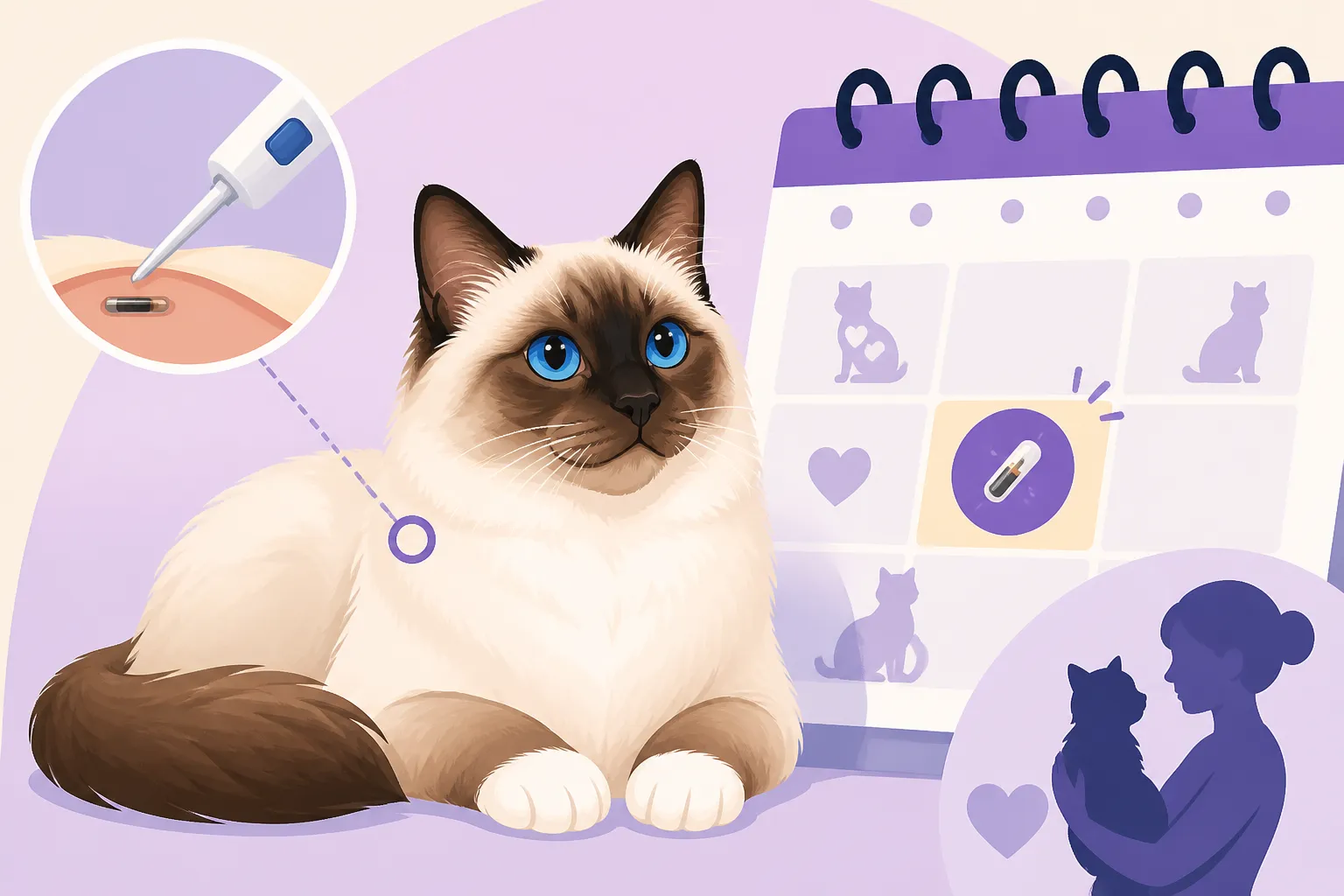
Generally, Birman kittens are microchipped between 8 and 12 weeks of age. This timing is chosen for several practical reasons. By this age, kittens are typically robust enough to handle the minor procedure, having developed sufficient body mass, and are already undergoing a series of veterinary visits for their initial vaccinations and health checks. It's a sweet spot where they're still young enough to be with the breeder, ensuring the procedure is done before they go to their new homes, but old enough that their tiny bodies can easily manage it. The microchip itself is very small, about the size of a grain of rice, and it's inserted subcutaneously, meaning just under the skin, usually between the shoulder blades. When a Birman Kitten's Points Start to Show The sensation is akin to a quick injection, and most kittens react with little more than a momentary twitch.
Microchipping Alongside Vaccinations
One of the most common and practical approaches breeders take is to schedule the microchipping simultaneously with one of the kitten's vaccination appointments. This makes perfect sense; the kitten is already at the vet, already getting a small poke, and already a bit stressed from the car ride and clinic environment. Combining the procedures minimizes trips to the vet and reduces overall stress for the young Birman. For instance, a breeder might have the microchip inserted during the first FVRCP vaccine at around 8-9 weeks, or the second booster at 12 weeks. This ensures that by the time your Birman kitten is ready to leave the cattery at around 12-13 weeks, they are not only fully vaccinated but also securely microchipped and ready for their new adventure. What a Birman Kitten Has Had Done by Thirteen Weeks This integrated approach is a hallmark of good breeding practices, demonstrating a commitment to comprehensive preventative care.
What to Expect During the Microchipping Process
Even though it's a standard procedure, it's natural to have questions about what actually happens when your Birman kitten gets microchipped. Understanding the mechanics of the microchip and the process itself can alleviate any lingering concerns and help you appreciate why it's such an effective safety measure.
The Microchip Itself: Size and Placement
The microchip is a tiny, passive radio-frequency identification (RFID) device, no bigger than a grain of rice. It contains a unique identification number and is encased in biocompatible glass, meaning it's designed not to cause any reaction in your cat's body. The chip is inserted using a sterile, pre-loaded syringe, much like a routine vaccination, usually under the skin between your Birman's shoulder blades. This area is chosen because it's a common site for injections, has loose skin, and the chip tends to stay put there. The insertion is quick, often taking less than a second, and while it might cause a momentary discomfort similar to a vaccine, it's generally well-tolerated by kittens. There's no battery or power source; the chip is activated by a scanner that emits a low-frequency radio wave, which then reads the unique ID number.
The Registration Process and Your Role
It's crucial to understand that the microchip itself is just a number. It's the registration of that unique number with a national pet recovery database that makes it useful. When your Birman kitten is microchipped, the breeder will typically register the chip number in their name as the initial owner. However, for the microchip to truly protect your cat, the ownership details must be transferred to you once you adopt the kitten. This is a critical step, and a responsible breeder will provide you with all the necessary paperwork and instructions to complete this transfer. Why a Birman's Chip Details Must Be Transferred to You Some registries offer online transfer services, while others require mailing in a form. You'll need to provide your name, address, phone number, and often an email address. This ensures that if your Birman is ever found, the unique chip number can be traced directly back to your contact information, enabling a quick and seamless reunion. Without this transfer, the chip might still be registered to the breeder, causing delays and confusion.
Why a Birman Breeder Follows a Strict Microchipping Protocol
Reputable Birman breeders are invested in the long-term health and safety of every kitten they bring into the world. Their microchipping protocol isn't arbitrary; it's a deliberate part of their commitment to ethical breeding and responsible pet placement. This meticulous approach serves multiple purposes, from protecting the individual kitten to upholding the integrity of the breed.
Health and Safety of the Kitten
A responsible breeder's primary concern is always the well-being of their kittens. They ensure that any procedure, including microchipping, is performed at an age when the kitten is healthy, strong, and developed enough to minimize stress and risk. This means waiting until the kittens have received their initial veterinary health checks, are gaining weight steadily, and are responding well to their first vaccinations. Why a Birman Kitten's First Exam Includes Its Heart The microchip is a tiny device, but it's still an insertion, and performing it on a robust kitten reduces any potential for discomfort or complications. Breeders also want to ensure that if a kitten were to become lost during the critical transition period to a new home, they have the best possible chance of being identified and returned promptly, minimizing any prolonged distress for the young animal.
Adherence to Kennel Club and Regulatory Standards
Beyond individual kitten welfare, breeders also operate within a framework of breed standards and ethical guidelines set by various kennel clubs and sometimes local regulations. Many reputable cat registries and governing bodies now strongly recommend, or even mandate, that kittens be microchipped before they leave the breeder's care. This adherence to protocol helps ensure traceability and acts as a safeguard against unethical practices. For example, it ensures that kittens sold as pedigreed Birmans are indeed the individuals they are claimed to be, and it provides a clear line of ownership. This not only protects the buyer but also helps to maintain the integrity and reputation of the Birman breed as a whole. A breeder who follows these strict protocols is demonstrating their dedication not just to their individual cats, but to the health and future of the entire breed, often providing extensive paperwork and records including microchip details, health screenings, and pedigree information. Which Results a Birman Breeder Must Put in Writing
Here's a quick overview of the typical microchipping timeline:
| Age of Kitten (Approx.) | Activity | Purpose |
|---|---|---|
| 8-9 Weeks | First Vet Visit & First Vaccinations | Initial health check, core vaccines. Often when microchip is first offered. |
| 10-12 Weeks | Second Vet Visit & Booster Vaccinations | Follow-up health check, vaccine boosters. Common time for microchipping. |
| 12-13 Weeks | Ready for New Home | Microchip should be in place and registered to breeder. |
| After Collection | Microchip Transfer to New Owner | Essential step for chip to be traceable to your contact info. |
| Annually | Vet Check & Microchip Scan | Confirm chip is present and readable. Remind to update contact details. |
Beyond the Breeder: Your Responsibilities as a Birman Owner
While your breeder lays the groundwork for your Birman's safety with microchipping, your role doesn't end there. As a new owner, you become the primary guardian of that microchip information, and there are a few crucial steps you'll need to take to ensure it remains an effective tool throughout your cat's life. This ongoing diligence is just as important as the initial chipping itself.
Verifying the Microchip and Registration
When you pick up your Birman kitten, one of the first things you should do, often at your initial vet visit, is to have the microchip scanned. This simple check confirms that the chip is present, readable, and that the number matches the paperwork provided by the breeder. More importantly, it's your responsibility to ensure the microchip is registered in your name as soon as possible. The breeder typically registers the chip to their own details initially, and then you, the new owner, complete the transfer of ownership. Your breeder should provide you with the microchip number and the contact details for the specific registry company they use. It’s a bit like buying a car; the dealership registers it, but you need to transfer the title into your name. Take this step seriously; a chip registered to the breeder offers little help if your cat goes missing months or years down the line when the breeder may no longer be easily reachable. Brands like Chewy, for instance, often offer resources or information on pet care and registration, making it easy to find guides on how to properly transfer your microchip data.
Updating Information and Regular Checks
Life happens, and sometimes our contact details change. You move to a new house, get a new phone number, or switch email addresses. Every time your contact information changes, you must update it with the microchip registry. This cannot be stressed enough. An outdated microchip is almost as useless as no microchip at all. Imagine the heartbreak of your lost Birman being found, only for the shelter to call an old, disconnected phone number. Many registries allow online updates, making it a quick and easy process. Additionally, it's a good habit to ask your veterinarian to scan your Birman's microchip during their annual check-ups. This confirms the chip is still in place and functioning correctly. It's a quick, non-invasive check that takes seconds and provides peace of mind. Investing in high-quality food helps keep your Birman healthy and vibrant for these vet visits, ensuring they're always in top condition. Similarly, having a good pet insurance plan from providers like Healthy Paws can cover unexpected vet bills, including those that might arise if a lost pet needs medical attention. Regular checks and updates ensure that this tiny device remains a powerful tool in protecting your beloved Birman for their entire The Twelve to Sixteen Years a Birman Usually Gets.
Disclaimer
This article is for general informational purposes only and does not constitute professional advice. Laws, prices and regulations vary by location and change over time. Consult a qualified professional for guidance on your specific situation.