What Aftercare Costs When a Birman Is Put to Sleep
Facing the decision to say goodbye to your beloved Birman is arguably one of the most agonizing moments a pet parent can endure. The emotional weight alone can feel crushing, and it's completely natural for practical concerns, like what happens next and what it all costs, to feel overwhelming or even inappropriate to consider in such a tender time. This guide is here to gently walk you through the various aftercare options and their associated costs when your Birman is put to sleep, aiming to provide clarity and ease just one small part of that heavy burden.
Navigating the Heartbreaking Decision: Euthanasia and Immediate Aftercare
Coming to terms with the end of your Birman's life journey is a profound and deeply personal process. As a breed known for its placid nature and tendency to hide discomfort, recognizing when it's truly "time" can be an especially difficult challenge. Why a Birman Hides Illness Behind a Placid Temperament and Why a Placid Birman Hides Pain are realities many Birman owners face, making the decision to euthanize even more complex.
The Euthanasia Process: What to Expect for Your Beloved Birman
The journey towards euthanasia often begins with a heart-wrenching conversation with your veterinarian about your Birman's quality of life. This isn't a decision made lightly, and your vet will help assess pain levels, mobility, appetite, and overall well-being. It's about ensuring your sweet companion isn't suffering needlessly, especially as the things an old Birman stops doing (What a Birman Stops Doing Once It Passes Ten) might become clear indicators that their joy is diminishing.
When the time comes, the actual euthanasia process is designed to be as peaceful and stress-free as possible for your Birman. Typically, a sedative is administered first, allowing your cat to relax and drift into a deep sleep, often in your arms or close to you. This initial step helps to calm any anxiety your Birman might be feeling, making the transition much smoother.
Once your Birman is fully sedated and comfortable, the veterinarian will administer an intravenous injection, usually into a vein in the leg. This medication works quickly and painlessly, stopping the heart and brain function. Many clinics offer the option of a home euthanasia, where the vet comes to your residence, allowing your Birman to pass away in the familiar comfort of their own surroundings, curled up in their favorite spot. While this option often carries a slightly higher fee due to travel, for many, the peace it brings to their Birman and themselves is immeasurable.
Initial Aftercare Choices: Taking Your Birman Home or Entrusting to the Clinic
Immediately following the euthanasia, you'll be faced with the practical decision of what to do with your Birman's physical remains. This is often an overwhelming moment, as grief can make any choice feel impossible. Your vet clinic will typically present you with a few options, each with varying cost implications.
One option is to take your Birman home for a private burial. This can be a comforting choice for those who have a suitable space, like a backyard, and wish to keep their beloved pet close. The direct cost for this option is usually minimal, encompassing perhaps a special blanket or burial shroud, or even a small casket if you choose. However, it's crucial to check local regulations regarding pet burials, as some areas have restrictions on burying animals in residential properties.
Alternatively, you can entrust your Birman's care to the veterinary clinic for professional aftercare services. This usually involves either communal or private cremation, and the clinic will handle all the arrangements with a trusted pet crematory. The costs for these services vary significantly and will be added to the euthanasia fee itself. Making these decisions can feel rushed and emotionally draining, which is why understanding them beforehand can be so helpful.
Deeper Dive into Cremation Costs and Options for Your Birman
When your Birman passes, deciding on cremation is a very common path for many families. It offers a way to honor their memory and can provide a sense of closure, but it's important to understand the different types and what they entail financially.
Communal Cremation: A Shared Farewell
Communal cremation is typically the most affordable professional aftercare option. With this service, several beloved pets are cremated together in one chamber. The ashes are then scattered in a designated memorial garden or handled in a dignified manner by the crematory, but individual ashes are not returned to the owners.
The cost for communal cremation is usually quite a bit lower than private options because it allows the crematory to operate more efficiently. It's often included as part of a basic aftercare package offered by veterinary clinics, simplifying the process for grieving families. For some owners, the idea of their Birman joining other pets in a shared final journey can bring a sense of peace, a quiet companionship even in passing. Others may find it emotionally difficult to not have their Birman's individual ashes returned. When considering what an old Birman is experiencing, sometimes the simplicity of this option, devoid of complex decisions, is a gentle choice. What an Old Birman Stops Doing Once It Passes Ten often brings about this difficult decision, and streamlining the aftercare can be a small comfort.
Private Cremation: Bringing Your Birman's Ashes Home
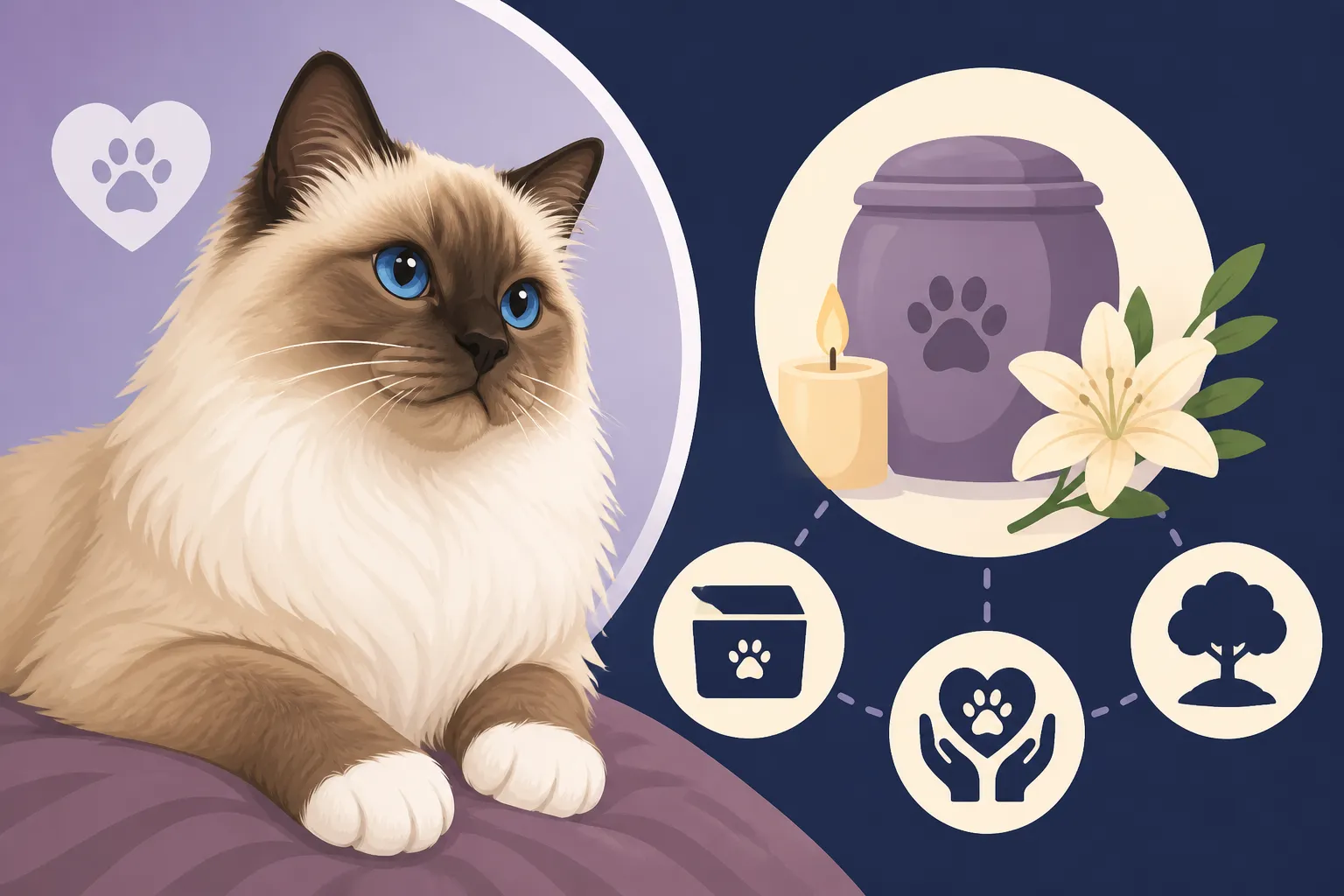
Private cremation, sometimes called individual cremation, means your Birman is cremated alone in a separate chamber, ensuring that the ashes you receive are solely those of your cherished pet. This option allows you to bring your Birman's physical presence back home, offering a tangible reminder and a focal point for your grief.
Naturally, because of the dedicated process involved, private cremation carries a significantly higher cost compared to communal cremation. This cost typically covers the cremation itself, a basic urn or container for the ashes, and often a certificate of cremation. Many crematories and veterinary clinics will also offer additional keepsakes such as paw prints made from clay or ink, fur clippings, or custom memorial items, which will add to the overall expense. Online retailers like Chewy also offer a wide selection of beautiful urns and memorial products that you can purchase if the basic option provided isn't quite what you envision for your beloved companion. This personalization allows you to create a lasting tribute, much like the enduring love and care you provided when Caring for an Old Birman That Cannot Reach Its Back became a daily task.
| Aftercare Option | Description | Cost Shape | Ashes Returned? | Key Benefit |
|---|---|---|---|---|
| Home Burial | Burying your Birman on your property (check local laws). | Minimal (casket/shroud) | Yes | Keeps pet physically close to home. |
| Communal Cremation | Several pets cremated together; ashes scattered by crematory. | Lower end of professional fees | No | Most economical professional option; simple. |
| Private Cremation | Your Birman cremated alone; ashes returned to you. | Higher end of professional fees | Yes | Ashes returned; options for personalized urns. |
Other Aftercare Considerations: Memorials, Grief, and Financial Planning
The journey after losing a Birman extends beyond the immediate arrangements. It encompasses finding ways to remember them, seeking support for your grief, and understanding the broader financial landscape of pet ownership, which inevitably includes end-of-life care.
Memorialization: From Paw Prints to Personalized Tributes
Creating a tangible memorial can be a vital part of the grieving process. Beyond simply receiving your Birman's ashes in a basic urn, there's a vast array of options to honor their memory, each with its own cost. Many veterinary clinics and pet crematories offer clay paw prints or ink nose prints, capturing a unique physical characteristic that is so familiar. These small treasures provide immense comfort and typically involve a modest additional fee.
For those seeking more elaborate tributes, the possibilities are extensive. You might consider custom-engraved urns, personalized memorial stones for a garden, or even bespoke jewelry that incorporates a small amount of ashes or fur. There are artists who can create portraits from photos, capturing your Birman's unique personality, which can be particularly poignant when reflecting on How Long a Birman Lives After Its Heart Is Diagnosed and the precious time you shared. These custom items can range significantly in price, from a few dozen dollars for a simple engraved plaque to several hundred or even a thousand for intricate, handcrafted pieces. Online retailers like Chewy offer a wide array of tasteful and beautiful memorial products, allowing you to choose a tribute that perfectly reflects your special bond.
Supporting Yourself Through Grief: Resources and Costs
The grief experienced after losing a pet, especially a cherished Birman who has been a constant companion, is profound and valid. It’s a unique pain, sometimes misunderstood by those who haven't experienced it. Thankfully, there are many resources available to help you navigate this difficult time. Many veterinary schools and humane societies offer free pet loss hotlines and online support groups, providing a safe space to share your feelings and connect with others who understand.
Some professional counselors specialize in pet bereavement, offering individual or group therapy sessions. While these services typically incur a fee, similar to human grief counseling, they can be invaluable for processing complex emotions. Why a Birman Does Better With Company reminds us how deeply our Birmans integrate into our lives and how their absence leaves such a significant void. Don't hesitate to seek support; it's a testament to the love you shared.
Preparing for the Unforeseen: Financial Aspects of End-of-Life Care
While no one wants to dwell on the painful event of saying goodbye, incorporating end-of-life care into your overall financial planning for your Birman can alleviate stress during an already traumatic time. Knowing your options and potential costs beforehand means you can focus entirely on your beloved companion in their final moments, rather than worrying about finances. This proactive approach is part of the comprehensive care package, much like understanding What Fifteen Years of Combing and Echoes Costs a Birman Owner throughout their lifespan.
Many pet insurance policies, such as those offered by Healthy Paws, do cover euthanasia and some aftercare services when medically necessary. However, it’s absolutely critical to review your specific policy documents or speak directly with your insurance provider to understand what is covered, any limitations, and your deductible. Some policies might cover the euthanasia but not the cremation, or only a portion of it. Having a clear picture of this coverage can provide immense peace of mind. Beyond insurance, maintaining an emergency fund or a dedicated "pet savings" account can be a wise choice, ensuring you’re prepared for all aspects of your Birman's journey, from unexpected illnesses to comfortable goodbyes. This foresight is part of appreciating What a Birman Costs From Kitten to Sixteen and all the love in between.
Making Arrangements: What to Ask Your Vet and Pet Crematory
When navigating the difficult process of saying goodbye to your Birman, asking the right questions can make a world of difference. It ensures clarity on costs and services, allowing you to make informed decisions that honor your beloved pet without added stress. Just as you'd ask detailed questions about What Testing a Birman for FOXN1 and PKD1 Together Costs for preventive care, the same diligence applies to end-of-life planning.
Key Questions for Your Veterinary Clinic
Your veterinary team is there to support you through this difficult time, and they can provide a wealth of information regarding aftercare. Don't hesitate to ask them for a detailed breakdown of all potential costs.
- Itemized Cost Breakdown: Ask if they offer all-inclusive packages for euthanasia and aftercare, or if each service (euthanasia, communal cremation, private cremation, urns, paw prints) is itemized separately. Understanding this can prevent unexpected charges.
- Home Euthanasia: If you're considering a peaceful passing at home, inquire about their availability for home visits, the associated travel fees, and what services are included in that cost.
- Handling of Remains: Clarify their process for transporting your Birman to the crematory, how long it typically takes for ashes to be returned (if opting for private cremation), and their communication protocol throughout the process.
- Payment Options: Discuss payment plans or financing options if needed, though often these are less common for end-of-life services. Some clinics may work with third-party financing companies.
- Grief Resources: Ask if they have a list of local pet loss support groups or counselors they recommend.
Understanding these details allows you to prepare financially and emotionally, ensuring your Birman's final moments and aftercare are handled with dignity and according to your wishes. This careful consideration aligns with the thoughtful planning you put into their health throughout their life, knowing that How Many Years a Clear Echo Covers a Birman is a critical part of maintaining their well-being.
Inquiring with Pet Crematories Directly
While your vet clinic will usually facilitate cremation arrangements, sometimes it's helpful, or even preferred, to speak directly with the pet crematory, especially if you have specific requests or wish to explore a wider range of memorial options.
- Price Lists and Packages: Request a comprehensive price list for their different cremation types (communal, private) and inquire what is explicitly included in each package. Do they offer different tiers of urns, for instance, or are paw prints an additional charge?
- Urn and Keepsake Options: Ask to see their selection of urns, memorial boxes, and other keepsakes. Knowing the variety available, from simple wooden boxes to more elaborate ceramic or custom pieces, will help you decide what feels right for your Birman.
- Turnaround Time: Confirm the expected timeframe for the return of your Birman's ashes. This can vary from a few days to a couple of weeks, depending on the crematory's volume and services.
- Transportation and Delivery: Understand how your Birman will be transported from the vet clinic to the crematory and how the ashes will be returned to you—whether through the vet clinic, by mail, or if you can pick them up directly.
- Accreditation and Practices: Don't be afraid to ask about their accreditation and how they ensure individual cremations are genuinely private. Many reputable crematories use tracking systems to ensure the correct ashes are returned to the correct family.
Taking these steps ensures transparency and allows you to make choices that truly honor your beloved Birman, providing a sense of closure and peace during a time of immense sorrow. The depth of love you have for your Birman, which began potentially from How Many Months an Affected Birman Kitten Survives through to their senior years, deserves a thoughtful farewell.
Disclaimer
This article is for general informational purposes only and does not constitute professional advice. Laws, prices and regulations vary by location and change over time. Consult a qualified professional for guidance on your specific situation.