What a Birman Owner Spends on Grooming Tools
Bringing home a Birman cat is an absolute joy, but for many new owners, the thought of grooming that gorgeous, flowing coat can bring a wave of anxiety. You might envision endless hours of brushing and expensive trips to the groomer, especially if you’ve heard stories about other long-haired breeds. This guide is here to unravel the reality of Birman grooming tools, helping you understand what you truly need, why their unique coat makes it surprisingly manageable, and how to budget for their lifelong care without unnecessary stress.
Understanding the Birman's Unique Coat and Why it Matters for Grooming Tools
One of the biggest misconceptions about the Birman is that its long, silken coat must be a nightmare to maintain. Many potential owners, and even some new ones, assume it requires daily, intensive grooming sessions and a toolkit full of specialized, high-priced brushes and de-matting sprays. The truth, however, is wonderfully different, and understanding the unique structure of their fur will immediately put your mind at ease and inform your grooming tool purchases.
The Single Layer Advantage: Less Matting, Fewer Tools
Unlike many other long-haired breeds, such as Persians, the Birman possesses a single coat. This isn't just a fancy term; it's a game-changer for grooming. A single coat means there's no dense, woolly undercoat hidden beneath the longer, silky guard hairs. It's this undercoat in other breeds that is the primary culprit behind stubborn mats and tangles, requiring robust, often aggressive brushing tools and frequent professional intervention.
Because your Birman lacks this problematic undercoat, their fur is far less prone to matting. When you run your fingers through a Birman's coat, you'll notice how fine, soft, and almost oily it feels – it just glides. This texture resists tangles, meaning you won't need heavy-duty rakes or sharp de-matting blades that can damage delicate fur or irritate your cat's skin. Instead, your toolkit can be streamlined, focusing on gentle, effective tools that maintain shine and remove loose hairs without stripping the coat. This single layer is why No Undercoat Is What Makes a Birman Easy to Groom, a fact that significantly impacts your grooming budget and time commitment. It's a breed trait that truly sets them apart and saves you a lot of hassle and expense.
Protecting Those Pristine White Gloves: Specific Needs
While the overall coat is remarkably easy to care for, one iconic feature of the Birman requires a little extra attention: their pristine white "gloves" on all four paws. These distinctive white markings are a hallmark of the breed, and keeping them clean and bright is an important part of their grooming routine. You might find yourself wondering if this means endless paw washing or specialized, expensive whitening products.
The good news is that maintaining those beautiful gloves doesn't usually require a vast array of costly tools. The main challenge comes from everyday activities, like using the litter box. Some types of litter, particularly dusty clay varieties, can easily cling to and stain those white paws, turning them an unsightly yellowish or grey hue. To combat this, your grooming arsenal will need to include thoughtful choices for litter and gentle cleaning supplies, rather than complex brushes. Keeping a Birman's White Gloves White is more about prevention and gentle spot cleaning than aggressive scrubbing or fancy gadgets. Think about a good quality, low-dust litter, and perhaps some pet-safe wipes or a mild shampoo designed for cats. This minor adjustment to your routine and supplies helps preserve their unique beauty without adding a significant financial burden.
Essential Grooming Tools: What You Really Need to Buy
Navigating the pet store aisle, or scrolling through online retailers, can be overwhelming. There are dozens of brush types, fancy shampoos, and gadgets promising a perfect coat. For a Birman owner, however, the key is simplicity and effectiveness. You don't need everything on the market; you need a few core items that work well with their specific coat type and temperament. Focusing on these essentials will save you money and ensure your Birman looks and feels fantastic.
Combs: The Most Important Investment
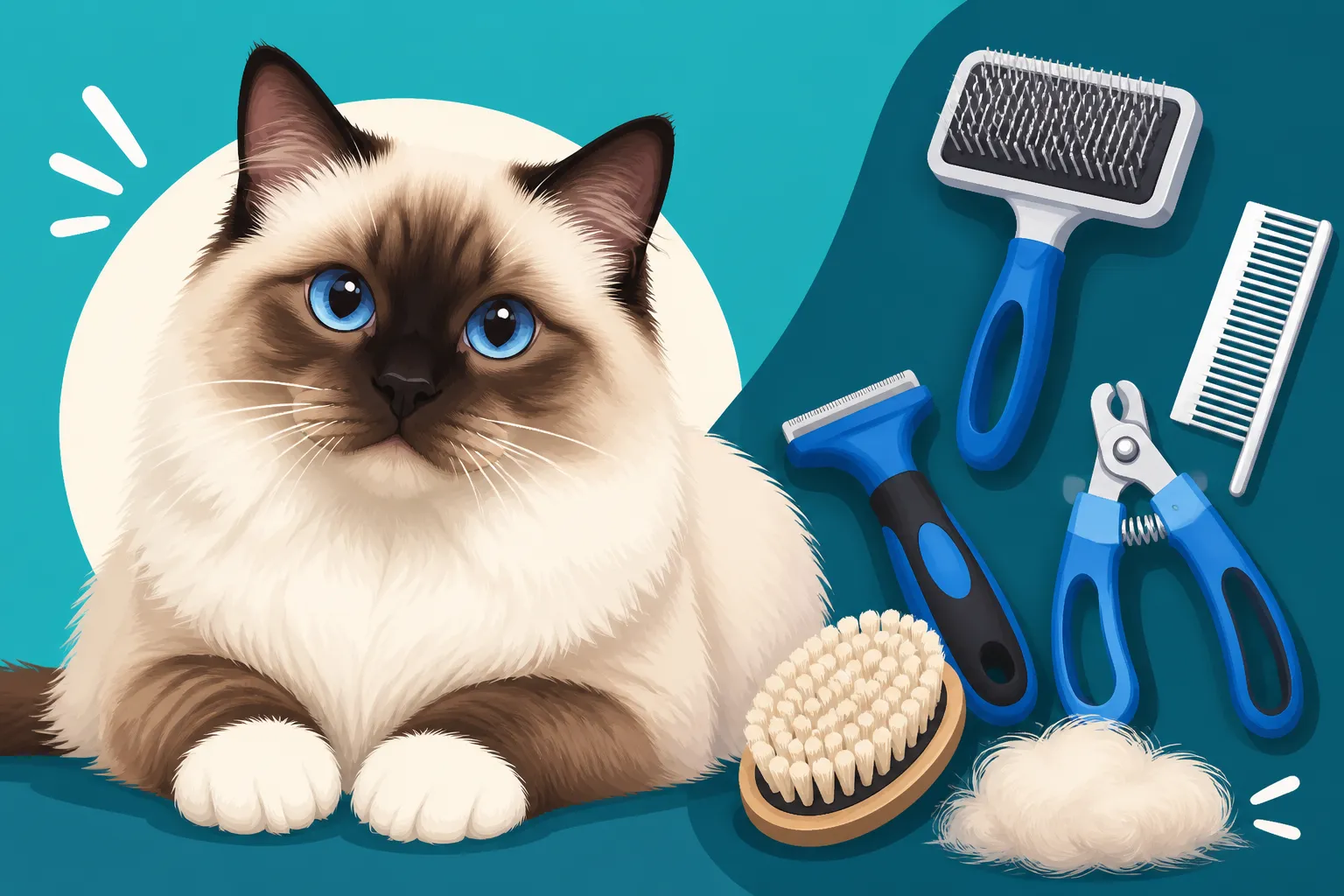
If there's one grooming tool you absolutely cannot skimp on for a Birman, it's a good quality comb. Forget the slicker brushes and rubber mitts often recommended for other breeds; these can actually damage a Birman's delicate, silky fur. Their single coat requires a gentle approach, and a sturdy metal comb is your best friend.
You'll want to invest in at least two types of metal combs:
- Wide-toothed comb: This is your primary tool for general grooming. It glides through the Birman's long fur, effectively removing loose hairs and preventing any nascent tangles, especially around the "mane" or ruff. Look for one with smooth, rounded teeth to ensure it doesn't scratch your cat's skin. A quality metal comb will feel solid in your hand and last for years, making it a wise initial investment. You'll use this regularly, perhaps Combing a Birman Three Times a Week, to keep their coat looking its best.
- Fine-toothed comb: This comes in handy for smaller, more delicate areas like behind the ears, the tail plume, or for a final polish after using the wider comb. It's also excellent for checking for any fleas or debris after outdoor adventures, even if your Birman is strictly an indoor cat. Some combs even have a combination of wide and fine teeth on different ends, offering versatility.
You might find a vast selection on sites like Chewy, making it easy to compare different brands and designs to find one that feels comfortable for you to hold. Remember, this comb isn't just about appearance; regular combing also serves as a gentle massage, helps distribute natural skin oils, and provides an excellent opportunity for you to bond with your Birman. The right comb makes the routine pleasant for both of you.
Nail Clippers and Dental Care Items
Grooming a Birman isn't just about their luxurious coat; it also involves essential maintenance for their claws and teeth. These areas are often overlooked but are crucial for their overall health and comfort, and the cost of the tools is generally quite modest compared to the long-term benefits.
- Nail Clippers: Just like any cat, a Birman needs its claws trimmed regularly. Untrimmed claws can snag on carpets, scratch furniture, and even grow into their paw pads, causing pain and infection. You'll want to purchase a good quality pair of cat-specific nail clippers. These come in various styles, such as scissor-style or guillotine-style. Choose the one you feel most comfortable and confident using. The initial cost is low, and they typically last for many years. Regular trimming from a young age helps your Birman become accustomed to the process, making it stress-free.
- Dental Care: Oral hygiene is incredibly important for cats, and Birmans are no exception. They can be prone to dental disease if not properly cared for. The tools for this include a cat-specific toothbrush and enzymatic toothpaste. Forget human toothpaste, as it's not safe for cats. There are tiny brushes designed to fit a cat's mouth, and even finger brushes you can use. Flavored toothpastes, like chicken or fish, make the experience more palatable for your feline friend. While the initial investment for a toothbrush and paste is minimal, the commitment to regular brushing can save you significant vet bills down the line for professional dental cleanings under anesthesia. It’s definitely worth Starting a Toothbrush Routine With a Placid Birman early on. You'll want to ensure you check How Often a Birman's Narrow Jaw Needs a Scale and Polish with your vet.
Shampoos and Stain Removers for Spot Cleaning
Given their easy-care coat, Birmans rarely need full baths. In fact, over-bathing can strip their natural oils and dry out their skin. However, life happens, and occasionally a full bath might be unavoidable, or more commonly, a quick spot clean is necessary, especially for those bright white gloves.
- Gentle Cat Shampoo: Having a high-quality, cat-specific shampoo on hand is a smart idea for those rare full-bath emergencies. Choose a mild, pH-balanced formula that is free of harsh chemicals, dyes, and strong perfumes, which can irritate your Birman's sensitive skin. Many pet supply stores, including major online retailers like Chewy, offer excellent options. While a bottle might seem like an initial expense, it will last you a very long time since it’s used so infrequently.
- Paw/Glove Cleaners and Stain Removers: This is where the white gloves come in. Instead of full baths, you'll more often be reaching for a targeted solution to keep those paws pristine. Pet-safe wipes are fantastic for quick clean-ups after a litter box mishap or an unexpected outdoor stroll. For more stubborn stains, a gentle, pet-safe whitening shampoo or paw stain remover can be invaluable. Again, these products are designed for spot treatment, so a single bottle or pack of wipes will go a long way. Consider also investing in a low-dust, non-clumping litter to prevent staining from the source, as discussed in Which Litter Suits a White Gloved Cat. Prevention is always easier than a cure, and choosing the right litter can drastically reduce the need for constant paw cleaning.
| Grooming Tool | Primary Purpose | Typical Frequency of Use | Longevity of Tool | Cost Implication |
|---|---|---|---|---|
| Metal Comb | Detangling, removing loose hair, distributing oils | 2-3 times per week | Many years | Moderate initial |
| Cat Nail Clippers | Trimming claws | Every 2-4 weeks | Many years | Low initial |
| Cat Toothbrush | Brushing teeth | Daily (ideally) | Several months | Low initial |
| Cat Toothpaste | Oral hygiene | Daily (ideally) | 1-3 months | Ongoing, low |
| Gentle Cat Shampoo | Rare full baths, severe spot cleaning | Infrequently (as needed) | 1-2 years | Low initial |
| Pet-Safe Wipes | Quick paw clean-ups, light stain removal | Daily (as needed) | 1-2 months | Ongoing, low |
| Paw Stain Remover | Stubborn paw stains | Infrequently (as needed) | 6-12 months | Low initial |
| Low-Dust Cat Litter | Preventing paw stains, hygiene | Replaced regularly | Ongoing, moderate | Ongoing, moderate |
Ongoing Costs and When Professional Help Might Be Considered
While the initial investment in grooming tools for a Birman is relatively modest, it's important to consider the ongoing costs of replacement supplies and the rare occasions when professional assistance might be beneficial. Fortunately, for this particular breed, these expenses are generally quite manageable, especially when compared to some other long-haired cats.
Replacements and Upgrades: Long-Term Tool Investment
The beauty of a well-chosen Birman grooming kit is its durability. A good metal comb, for instance, should last you for many, many years, possibly even for the entire lifespan of your cat, if cared for properly. The same goes for quality nail clippers. These are truly one-time purchases that provide excellent value over time. What a Comb for a Birman's Silky Coat Costs is primarily an upfront expense that doesn't repeat often.
However, certain items in your grooming arsenal will need regular replacement. Cat toothpaste and pet-safe wipes are consumables that you'll replenish periodically. How often depends on your usage habits – if you're diligently brushing daily and cleaning paws after every litter box visit, you'll go through these faster. Similarly, your choice of low-dust litter, crucial for keeping those white gloves sparkling, is an ongoing household expense, but it's a routine cost of cat ownership rather than an additional grooming burden. Opting for quality food can also contribute to coat health from the inside out, potentially minimizing the need for external conditioning products.
Thinking about long-term care also brings up dental health. Even with regular home brushing, your Birman might eventually need a professional dental cleaning. Pet insurance, such as a policy from Healthy Paws, could be a smart consideration to help manage these kinds of veterinary costs, which can become a significant expense if multiple cleanings or extractions are needed over your Birman's lifespan. Keeping those teeth clean throughout their life can prevent serious issues, as covered in Whether a Birman Keeps Its Teeth Into Its Teens.
Why a Birman Owner Rarely Books a Grooming Appointment
This is perhaps one of the most reassuring aspects of Birman ownership when it comes to grooming costs: professional grooming appointments are usually a rarity, not a routine necessity. Unlike breeds with dense undercoats that easily mat and require specialized clipping or de-shedding services, the Birman's single, silky coat is designed for self-maintenance by the cat and simple home care by the owner.
The occasions when a professional groomer might be considered are usually limited to:
- Severe Matting (Very Rare): If, for some reason, your Birman develops a mat that you absolutely cannot remove gently with your comb (perhaps after a period of neglect or an unusual incident), a professional might be needed to carefully shave it out. However, with regular Combing a Birman Three Times a Week, this should almost never happen. Why a Birman Mats Far Less Than It Looks Like It Should is a key factor here.
- Medical Necessity: In some cases, an elderly Birman might struggle to groom hard-to-reach areas, or a cat with mobility issues might need assistance. In these situations, a vet or professional groomer could offer a hygienic clip around the sanitary areas or help with overall coat maintenance that the cat can no longer manage. For a healthy, active Birman, this is not a concern for many years.
- Show Preparation: For owners who show their Birmans, specific grooming standards might call for professional expertise to ensure the coat is absolutely perfect for the ring. For the vast majority of pet owners, this isn't relevant.
Because the need for professional grooming is so infrequent, you won't typically factor in monthly or even quarterly grooming salon fees into your Birman budget. This is a significant saving compared to breeds that rely heavily on professional intervention. Why a Birman Owner Never Books a Grooming Appointment truly underscores the low-maintenance nature of this beautiful breed's coat. When you do need to consider professional help, you can usually ask your regular vet, who might offer basic grooming services, or seek out a reputable groomer, but it won't be a recurring expense like it is for other breeds. Understanding this helps you appreciate the genuine affordability of maintaining a Birman's stunning appearance.
Disclaimer
This article is for general informational purposes only and does not constitute professional advice. Laws, prices and regulations vary by location and change over time. Consult a qualified professional for guidance on your specific situation.