Why Birman Breeders Often Sell Two Kittens Together
One of the most heartwarming but often perplexing decisions for prospective Birman owners is whether to bring home one kitten or two. Many people envision a single, devoted companion, but then they discover that reputable Birman breeders frequently encourage, or even insist upon, two kittens going to the same home. This isn't just a marketing ploy; it's deeply rooted in understanding the Birman's unique temperament and ensuring their lifelong happiness and well-being. This guide will explore why Birman breeders advocate for pairs and how owning two of these beautiful cats can enrich your life and theirs.
The Birman's Innate Need for Companionship
The Birman cat is truly special, known for its gentle nature, striking sapphire eyes, and luxurious, non-matting coat. But beneath that plush exterior lies a deeply social soul that thrives on companionship. Unlike some more independent feline breeds, a Birman really doesn't do well as a solitary pet.
Why a Birman Does Badly as an Only Cat
Birmans are not the kind of cat that will loudly demand your attention with insistent meows or destructive antics if they feel neglected. Instead, their placid, quiet temperament means they often suffer in silence. A lone Birman might become withdrawn, spend more time sleeping, or simply exist rather than truly thrive. They are profoundly gentle creatures who crave interaction and presence, even if it's just being in the same room as you. If left alone for long stretches, a single Birman can become lonely and even depressed, leading to subtle changes in behavior that might be missed by an inexperienced owner. They aren't prone to the high-energy, vocal demands of a Siamese, nor the extreme reclusiveness some Persians might exhibit; instead, The Birman Sits Between the Siamese and the Persian, possessing a balanced, affectionate nature that leans heavily towards wanting company. Without a feline companion, much of their natural social behavior goes unexpressed, leaving a void in their daily lives.
How a Birman Kitten Benefits from a Playmate
Bringing two Birman kittens home together is like gifting them a lifelong friend from day one. These young cats learn so much from each other – how to play gently, when a bite is too hard, and the intricate social cues that make for a well-adjusted adult cat. They will chase, wrestle, and groom each other, expending their boundless kitten energy in ways a human simply cannot replicate. This constant, appropriate interaction means they're less likely to turn their playful energy onto your furniture or your ankles. Rather than being solely reliant on you for all their stimulation, they have a built-in play partner, which is crucial for their physical and mental development. This helps them grow into confident, well-socialized adults, reducing the likelihood of behavioral issues stemming from boredom or loneliness.
Understanding the Birman's Unique Social Dynamics
Birmans are incredibly adaptable and generally get along well with other pets and children, but their deepest bond often forms with another cat, especially a familiar one. They typically aren't hierarchical or territorial in the same aggressive way some breeds can be; rather, they seek harmony and closeness. A Birman will often choose to sit near you rather than directly on your lap, and their quiet affection can sometimes be misinterpreted as independence when it’s actually a gentle preference for shared space. Because of their docile nature, they might not outwardly show distress when lonely, making it even more important to provide them with consistent companionship. A Birman truly blossoms when they have a constant feline presence, a buddy to share sunbeams, naps, and playful skirmishes with. Their quiet demeanor means Why a Placid Birman Hides Pain, and loneliness can be one of those hidden struggles.
The Advantages of Bringing Home Two Birman Littermates
The decision to adopt two Birman kittens, especially littermates, often makes the transition into a new home smoother and significantly enhances their overall quality of life. Ethical breeders recognize these profound benefits and often structure their adoption processes to support this pairing.
Easier Transition and Reduced Stress for Kittens
Moving from a familiar cattery environment to a new home can be a huge, stressful event for any kitten. Imagine leaving everything you know behind and suddenly being alone in a strange place. For Birmans, who are inherently social, this can be particularly jarring. When two littermates come home together, they bring a piece of their familiar world with them. The scent, the warmth, the comforting presence of their sibling significantly reduces anxiety. They have a known companion to explore with, nap beside, and derive security from during those initial, sometimes overwhelming, days and weeks. This shared experience helps them acclimate more quickly, leading to happier, more confident kittens who are less likely to hide or exhibit stress-related behaviors. This comfort means they're more open to bonding with their new human family.
Built-in Entertainment and Socialization
One of the biggest advantages of two Birman kittens is the constant source of entertainment they provide for each other – and for you! You'll witness adorable wrestling matches, synchronized naps, and intricate games of chase. This continuous interaction isn't just cute; it's vital for their socialization. They teach each other crucial lessons about boundaries, play aggression, and appropriate social behavior that humans simply cannot replicate. For instance, if one kitten bites too hard during play, the other will likely respond with a hiss or a tap, teaching valuable bite inhibition. This peer-to-peer learning helps prevent them from becoming overly reliant on humans for play and attention, which can lead to destructive habits when left alone. Plus, watching two Birmans groom each other or cuddle up for a nap is a constant source of joy, a testament to their deep, natural bond. They also learn valuable social skills that prepare them for interacting positively with other cats later in life, should your family expand.
Why Birman Breeders Often Sell Two Kittens Together
So, why do Birman breeders often make this recommendation? It boils down to a deep understanding of the breed's specific needs and a commitment to the kittens' welfare. Breeders spend weeks, sometimes months, observing their litters. They see firsthand how these kittens thrive in pairs, how they comfort each other, and how their personalities develop more fully when they have a feline playmate. An experienced breeder knows that a Birman, despite its sweet and quiet demeanor, can easily become lonely and withdrawn if it's the sole feline companion in a household. They want their kittens to have the best possible start and a happy, fulfilling life. By advocating for two kittens to go together, they're ensuring that the social needs of these particular cats are met right from the outset, leading to better-adjusted, healthier, and happier adult Birmans. It’s an ethical choice, prioritizing the animal's natural inclinations over the convenience of a single adoption.
Practicalities of Owning a Birman Pair
While the benefits of two Birmans are clear, it's also important to be realistic about the practical aspects of doubling your feline family. It's not simply "double everything," but there are certainly increased considerations.
Doubling Up on Supplies and Space
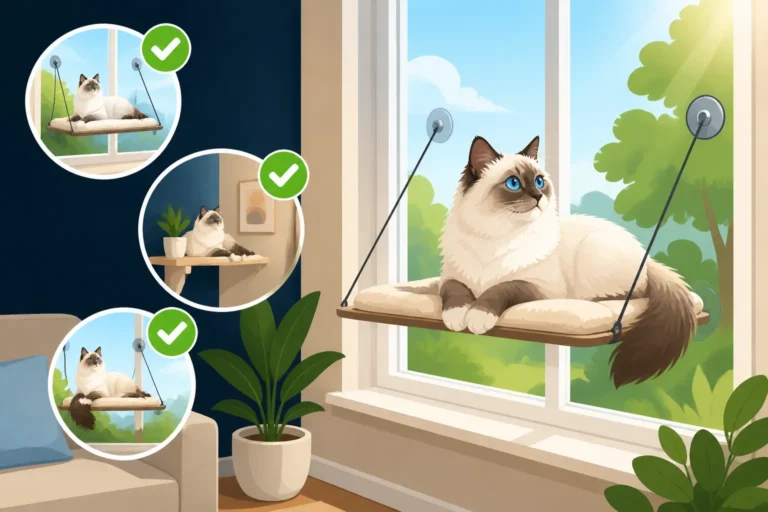
Having two Birmans means you'll need two of some things, and more of others. When it comes to litter boxes, the general rule is one box per cat, plus one extra, so you'd ideally want three for two Birmans. This prevents any territorial disputes and ensures clean facilities are always available. Remember, Why a Birman Needs a Longer Box Than a Round Cat due to their elegant, elongated body shape, so consider larger boxes. You'll also need separate food and water bowls, placed a little apart to give each cat their own space during meal times. While Birmans aren't typically extreme climbers, they still appreciate vertical spaces. A sturdy cat tree, perhaps purchased from a store like Amazon, can offer elevated perching spots where they can observe their domain. Even if they don't climb to the very top like some more adventurous breeds, they appreciate mid-level platforms. How Tall a Birman's Cat Tree Should Be isn't necessarily about reaching the ceiling, but providing a sense of safety and observation. While a single cat might claim one favorite bed, two Birmans will appreciate having multiple sleeping spots, including cozy beds, blankets, and perhaps a cat tunnel or two for play.
Managing Costs for Two Birman Cats
Yes, two cats will inherently cost more than one, but it's not always a straightforward doubling of expenses. Your biggest increases will be in food, litter, and veterinary care. You'll go through cat food and litter twice as fast. Investing in larger bags of quality kibble or multi-packs of wet food from retailers like Amazon can sometimes offer slight savings. Regular vet check-ups, vaccinations, and parasite control will be for two animals, which is a definite increase. However, some costs don't double. You typically only buy one set of grooming tools or one large cat carrier. And the sheer joy and reduced behavioral issues that come with a well-socialized pair can save you money on potential vet visits or damage repair caused by a lonely, stressed single cat. It's wise to budget carefully, as What Keeping a Birman Costs Every Year can be substantial, and having two naturally elevates this. Consider pet insurance for both early on, as it can be a lifesaver if one or both cats face unexpected health issues down the line.
Grooming and Health Considerations for a Pair
Birmans are famously easy to groom for a longhaired cat, thanks to their single coat that rarely mats. You'll still need to dedicate time to brushing both cats a few times a week, but the good news is they'll often help each other out with mutual grooming, especially those hard-to-reach spots. You'll also need to keep an eye on their claws, particularly their pristine white "gloves," and trim them regularly. When it comes to health, having two means keeping a close watch on both. While Birmans are generally hardy, they are prone to certain breed-specific health concerns, such as Hypertrophic Cardiomyopathy (HCM) and Polycystic Kidney Disease (PKD). Regular vet check-ups are paramount, and you'll need to remember which cat is due for what. Because Birmans are so stoic, Why a Placid Birman Hides Pain is a real concern, so paying attention to subtle changes in either cat's eating habits, energy levels, or litter box use is critical. The advantage of having a pair is that sometimes one cat's behavior can subtly alert you to an issue in the other, perhaps by a change in their interaction dynamics.
Finding the Perfect Pair from a Reputable Breeder
When you've decided that two Birmans are the right choice for your home, the next crucial step is finding a reputable breeder who understands and supports this philosophy. They are your best resource for matching you with the ideal pair.
How Breeders Assess Kitten Compatibility
A truly dedicated Birman breeder doesn't just sell kittens; they make carefully considered placements. They spend an incredible amount of time observing their litters, learning each kitten's unique personality, play style, and social dynamics. They'll notice which kittens naturally gravitate towards each other, which ones are always napping together, or which form a wrestling duo. Sometimes a more outgoing kitten can bring out the confidence in a shyer sibling, creating a balanced pair. They understand that not every two kittens in a litter are an ideal "pair package," and they'll use their expert eye to recommend siblings who will complement each other's personalities and thrive together in a new home. This isn't just guesswork; it's an art informed by years of experience.
Questions to Ask Your Birman Breeder
When speaking with a potential breeder, don't be shy about asking specific questions related to adopting a pair. Beyond the standard health clearances for parents and kittens—such as results for FOXN1 and PKD1 tests, and recent cardiac scans for HCM—you should delve into their observations about the kittens. Ask them: "Which two kittens in this litter do you think would do best together, and why?" Inquire about their individual play styles and how they interact with each other. A good breeder will have detailed insights and be able to articulate why certain pairings work better than others. It's also important to discuss Which Results a Birman Breeder Must Put in Writing and ensure you receive comprehensive documentation for both kittens. Understanding the home environment the kittens are accustomed to will also help you prepare for their arrival, ensuring a seamless transition for your new duo.
Preparing Your Home for Two New Birman Family Members
Once you've found your perfect Birman pair, it's time to get your home ready! While they have each other for comfort, it's still a good idea to set up a "safe room" initially. This quiet, contained space—perhaps a guest bedroom or a large bathroom—should have their litter boxes, food, water, scratching post, and beds. This allows them to decompress and gradually get used to their new surroundings without being overwhelmed by the entire house. Make sure you have plenty of resources for both: multiple scratching posts (Birmans often prefer sisal or cardboard, easily found on Amazon), toys they can share, and cozy sleeping spots. Even though they are littermates, ensure each cat has their own food bowl to prevent any competition. Consider enriching their environment with puzzle feeders, which can be a fun way to stimulate their minds and slow down their eating. Which Puzzle Feeder Suits a Birman will depend on their individual preference, so you might experiment with a few types. Remember, patience is key. Let them explore at their own pace, offering gentle reassurance and play, and soon enough, your two Birmans will feel right at home, filling your life with double the purrs and love.
Disclaimer
This article is for general informational purposes only and does not constitute professional advice. Laws, prices and regulations vary by location and change over time. Consult a qualified professional for guidance on your specific situation.