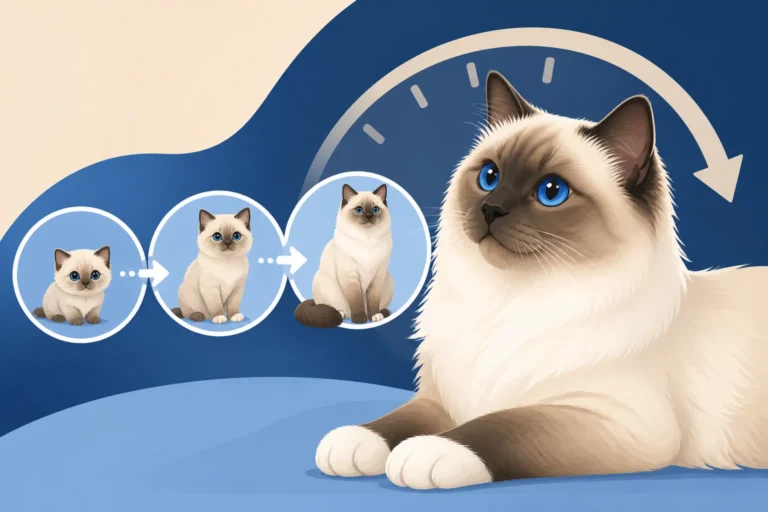
What a Camera Shows a Birman Doing While You Are Out
It's completely normal to feel a pang of worry when you close the door and leave your beloved Birman home alone. We all wonder what our furry companions get up to when we're not there, whether they're pining for us, or simply enjoying some peace and quiet. This guide will delve into what a pet camera can reveal about your Birman's solo adventures, helping you understand their behavior and ensure their comfort when you're out and about.
The Birman's Quiet Routine While You're Away
Birmans are known for their calm and affectionate nature, a temperament that often translates into a fairly placid routine when left to their own devices. Unlike some high-energy breeds that might create chaos, your Birman is more likely to settle into a predictable rhythm of rest and gentle observation.
Settling into Solitude
When you first leave, many Birmans will exhibit a brief period of observation. You might see them walk you to the door, perhaps sitting calmly nearby for a few minutes after you’ve gone, almost as if confirming your departure. This isn't usually a sign of distress, but rather a final acknowledgment before they decide on their next course of action. They aren't prone to frantic pacing or loud protests, but rather a quiet acceptance of the situation. After this initial few minutes, they'll typically find a comfortable spot and begin their solo routine. It's a testament to their easygoing nature that they adapt to the silence with such grace, often choosing a prime location that offers a good vantage point of the household.
The Art of the Nap
If there's one thing your pet camera will show you your Birman excelling at, it's the art of napping. Birmans are champions of relaxation, and a significant portion of their time alone is dedicated to catching z's. You'll likely observe them moving from one cozy spot to another as the sun shifts or as they simply fancy a change of scenery. They have a knack for finding the warmest, softest, and most inviting places. This could be curled up on your favorite armchair, stretched out on a sun-drenched rug, or perhaps nestled deeply into a soft cat bed you picked up from a retailer like Amazon. Why a Birman Sleeps Wherever You Last Sat often holds true even when you're not there; they gravitate towards places that carry your scent and offer comfort. These aren't just quick power naps; Birmans often indulge in long, luxurious sleeps, their bodies completely relaxed, occasionally twitching with dreams.
Observing the Surroundings
In between their extensive nap sessions, Birmans engage in quiet observation. They are curious creatures, but not usually destructive ones. Your camera might capture them performing a slow, deliberate patrol of the house, checking in on their territory. They might stand by a window, watching birds or squirrels with intense focus, their tail giving a gentle flick now and then. Sometimes, they'll simply sit and survey the room, taking in all the familiar sights and sounds of the empty house. This isn't boredom in the frantic sense; it's more like a peaceful monitoring of their domain. You might see them stretch luxuriously after waking, take a leisurely drink from their water bowl, or even use a scratching post before finding another prime napping or observation spot. Their activity levels are generally low, making them ideal companions for quieter homes.
Subtle Signs of a Content Birman on Camera
Understanding what a content Birman looks like on camera is key to putting your mind at ease. Their placid nature means their signs of contentment are often subtle, but no less reassuring.
Minimal Distress Behaviors
One of the most comforting things a pet camera will show you about a happy Birman is the absence of overt distress behaviors. You won't typically see them frantically pacing back and forth, scratching at doors or furniture out of anxiety, or engaging in excessive vocalizations. Birmans are known for their quiet voices, often communicating with soft trills rather than loud meows or yowls. The Small Trill a Birman Uses Instead of a Meow is their usual way of expressing themselves, and you're unlikely to hear sustained, worried vocalizations from a content Birman. If you see them peacefully sleeping, occasionally stretching, or calmly observing their surroundings, these are all excellent indicators that they are feeling secure and undisturbed in your absence. Their calm demeanor is a hallmark of the breed, even when solitary.
Engaged with Their Environment
A content Birman will engage with its environment in a calm, non-destructive manner. While they might not be chasing laser pointers across the room, you might see them interacting gently with a favorite toy. Perhaps they bat a soft ball around, or carry a beloved plush mouse from one room to another, a behavior that often signals comfort and a sense of ownership over their space. They might also make good use of vertical spaces, not necessarily scaling the tallest cat tree, but perhaps settling on a mid-height perch to watch the world go by. Which Toys Suit a Birman That Plays Quietly are often those that require minimal exertion, like crinkle balls or soft stuffed animals they can carry. The important thing is that their engagement appears relaxed and self-directed, not a desperate attempt to burn off pent-up energy or alleviate anxiety.
Routine Comforts
Observing your Birman's routine comforts provides further reassurance. You might see them visit their food bowl a couple of times, taking a few bites before wandering off again. Birmans are not typically prone to overeating or gobbling down their entire meal the moment you leave, especially if they are used to a measured feeding schedule. Why a Birman Will Not Tell You It Is Hungry means they'll quietly help themselves if food is available. You'll also likely observe them using their litter box in a relaxed manner, not rushing or showing any signs of discomfort. These routine behaviors, performed without haste or anxiety, are strong indicators of a cat that feels safe and content in its home, adhering to its familiar patterns even without your presence.
What a Lonely Birman Might Show You
While Birmans are generally adaptable, they are also highly social creatures who thrive on companionship. If your Birman is feeling truly lonely or stressed by your absence, your camera might pick up on some subtle (or not-so-subtle) changes in behavior. It's important to differentiate between quiet solitude and genuine distress.
Changes in Appetite and Grooming
One of the first signs that a Birman might be struggling with loneliness is a change in its normal eating habits. You might notice that a full bowl of food remains untouched for a surprisingly long time, or that they only pick at their meals rather than eating with their usual gentle appetite. Why a Birman's Appetite Goes First When It Is Unsettled is a common feline response to stress, and the camera can catch this clearly. Another subtle indicator can be changes in grooming. While Birmans are meticulous groomers, excessive licking or chewing, particularly in specific spots that then appear bare or irritated, can be a sign of stress-related overgrooming. What Overgrooming Means in a Birman in your absence could be their way of self-soothing or acting out anxiety. Keep an eye on consistent patterns of this behavior.
Increased Vocalization or Hiding
A Birman experiencing loneliness might start to vocalize more than usual. This isn't typically the loud, demanding meow of a Siamese, but it might be more frequent soft trills or a low, mournful murmur that you don't typically hear. If the camera captures repeated, prolonged vocalizations directed at the door or windows, it could be a sign of distress. Another common response to feeling insecure or lonely is hiding. While Birmans enjoy a good nap, a truly lonely cat might spend an unusual amount of time tucked away in a closet, under a bed, or in another secluded spot, even when there's no noise or activity to warrant it. What a Lonely Birman Does can manifest as a retreat from their usual comfortable lounging areas, seeking out small, enclosed spaces for prolonged periods.
Restlessness and Pacing
A Birman that is not settling well might exhibit restlessness. Instead of long, peaceful naps, you might see them wake frequently, wander aimlessly around the house, and then quickly settle down again, only to repeat the cycle a short time later. This constant shifting and inability to find a truly comfortable, settled position can be a sign of underlying anxiety. You might also observe pacing, especially near windows or doors, as if waiting or hoping for your return. This isn't the calm observation of a content cat, but rather a more agitated, repetitive movement. These behaviors suggest they're not enjoying their quiet time and are instead feeling the pangs of isolation.
Maximizing Comfort for Your Birman When You're Out
Fortunately, there are many ways to ensure your Birman feels safe and loved even when you're not physically present. A little preparation and understanding can go a long way.
The Power of Routine
Cats, and Birmans in particular, are creatures of habit. Establishing a consistent routine for when you leave and return can dramatically reduce anxiety. Try to feed them at the same time each day, play with them before you leave, and even have a specific "goodbye" ritual. Leaving a familiar blanket or a piece of your unwashed clothing can also provide immense comfort, as your scent acts as a reassuring presence. If you feed wet food, consider using a timed feeder (many excellent options are available on Amazon) to dispense a meal at midday, breaking up the long hours they might spend alone. Consistency helps them predict what's coming and reduces the uncertainty that can lead to stress.
Enrichment and Companionship
Even the calmest Birman benefits from mental and physical enrichment. While they might not be avid climbers, gentle playtime before you leave can help burn off any latent energy and solidify your bond. Leaving out a few Which Toys Suit a Birman That Plays Quietly can provide self-entertainment. Puzzle feeders, which you can easily find on Amazon, are fantastic for stimulating their minds and making mealtime a little more engaging, preventing them from gobbling food too quickly.
However, the best solution for a Birman prone to loneliness is often companionship. Why a Birman Does Better With a Companion Than a Toy speaks volumes about their social needs. If your lifestyle means long hours away, seriously consider getting a second Birman. Why a Birman Does Badly as an Only Cat is a common observation among owners, as these gentle souls truly blossom with a feline friend to nap with, groom, and quietly accompany throughout the day. A pair of Birmans often entertains each other and provides mutual comfort, significantly reducing any loneliness they might feel.
Setting Up the Camera for Insights
Choosing the right pet camera can make a huge difference in what you observe. Look for models with good low-light capabilities, wide-angle lenses, and even two-way audio if you want to occasionally speak to your Birman (though use this sparingly, as it can sometimes cause confusion or distress if they can't find you). Position the camera in a main living area where your Birman typically spends most of its time, perhaps near their favorite napping spot or the window they like to watch from. Regularly reviewing the footage, perhaps just a few key moments throughout the day rather than hours of continuous recording, will help you identify patterns. Don't jump to conclusions based on a single instance; look for recurring behaviors. Using a camera purchased from a reliable vendor like Amazon also ensures you have access to customer support and a good return policy if it doesn't meet your needs. It's a tool for understanding, not just surveillance.
| Behavior Type | Content Birman | Lonely Birman |
|---|---|---|
| Activity Level | Mostly napping, gentle patrols, quiet observation | Frequent waking, aimless wandering, pacing |
| Vocalization | Minimal soft trills or silence | Increased soft trills, mournful murmurs, directed calls |
| Eating Habits | Eats measured meals calmly, may graze | Picks at food, leaves food untouched for long periods |
| Grooming | Regular, even self-grooming | Excessive licking/chewing, bald patches |
| Location | Favorite sleeping spots, windows, common areas | Secluded hiding spots (closets, under beds) |
| Interaction | Gentle play with toys, uses scratching posts calmly | Little interest in toys, repetitive scratching |
| Overall Demeanor | Relaxed posture, calm eyes, settled | Restless, anxious, watchful, hunched posture |
Disclaimer
This article is for general informational purposes only and does not constitute professional advice. Laws, prices and regulations vary by location and change over time. Consult a qualified professional for guidance on your specific situation.