How Often a Birman Notices a Toy Has Changed
The placid Birman cat calmly observes new toys from a distance to process unfamiliar textures and scents without urgent engagement.
Change the room, not the cat.
Litter box avoidance, scratching and furniture, multi-cat tension and night activity — and the vertical space, play routines and feeding puzzles that solve more than correction does.

The placid Birman cat calmly observes new toys from a distance to process unfamiliar textures and scents without urgent engagement.
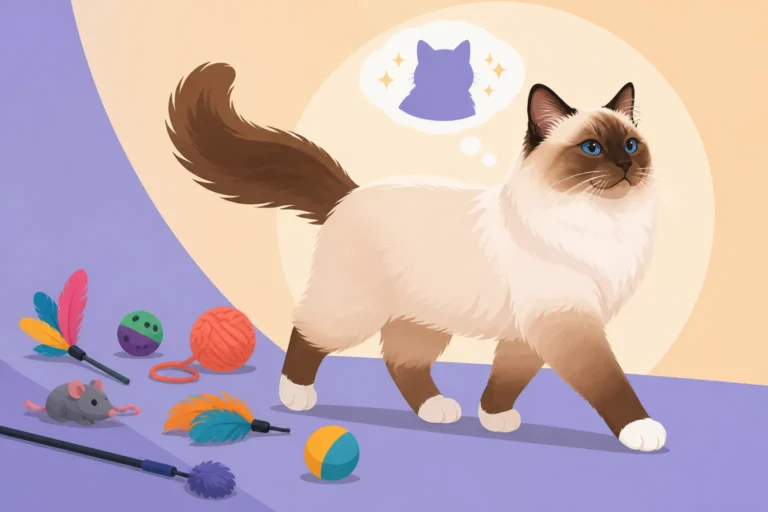
Birman cats ignore many store toys because their gentle play style favors quiet shared connection over frantic hunting chases.
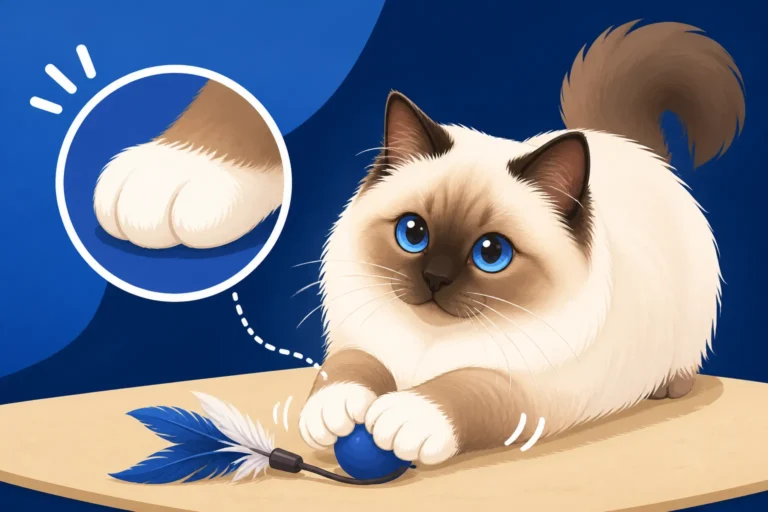
Birman cat claw retraction during play stems from a gentle temperament and selective breeding for peaceful companionship.

Birman cats use soft paws and kept claws during playtime because of their calm temperament and medium rectangular body structure.
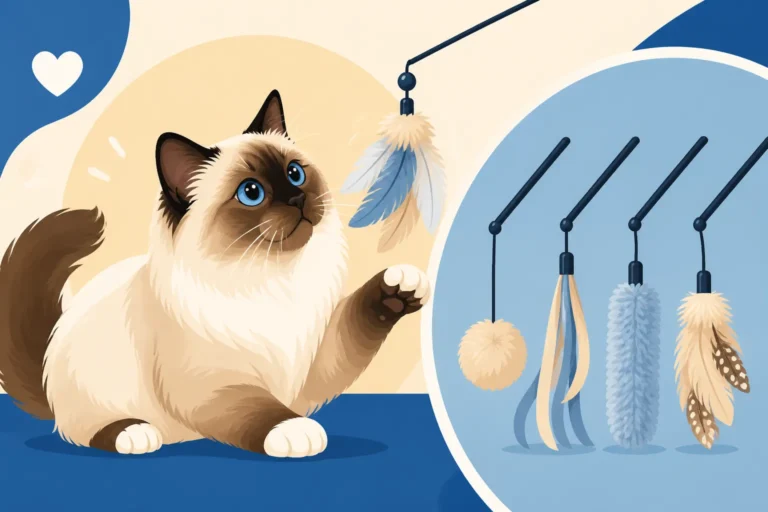
Slow wand toys and deliberate stalking movements match the calm demeanor of Birman cats for better playtime bonding.
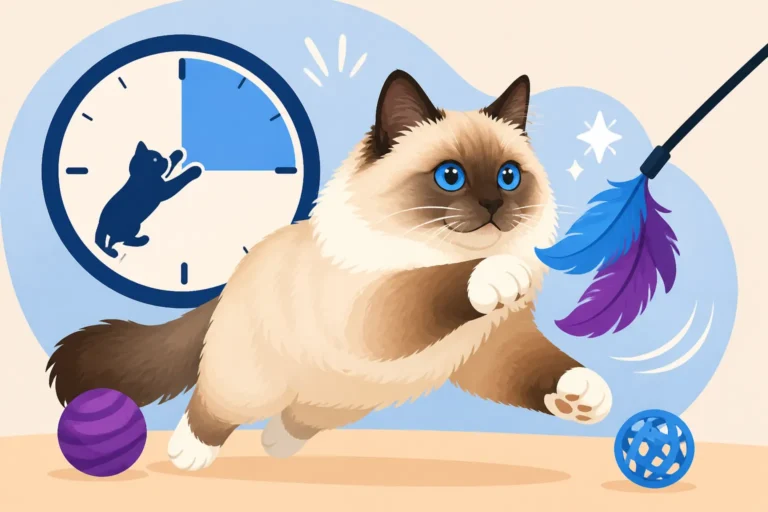
Daily play requirements for Birmans explain how twenty minutes of interactive engagement keeps this cat happy and healthy.

Pheromone diffusers for a stressed Birman cat, examining how these products work and when they help relieve hidden anxiety.

Stressed Birman cats show anxiety through appetite changes, litter box accidents, excessive grooming, and sudden social withdrawal.

Birman cat stress signals and behavioral changes during home building work, including decreased appetite, litter box issues, and grooming shifts.
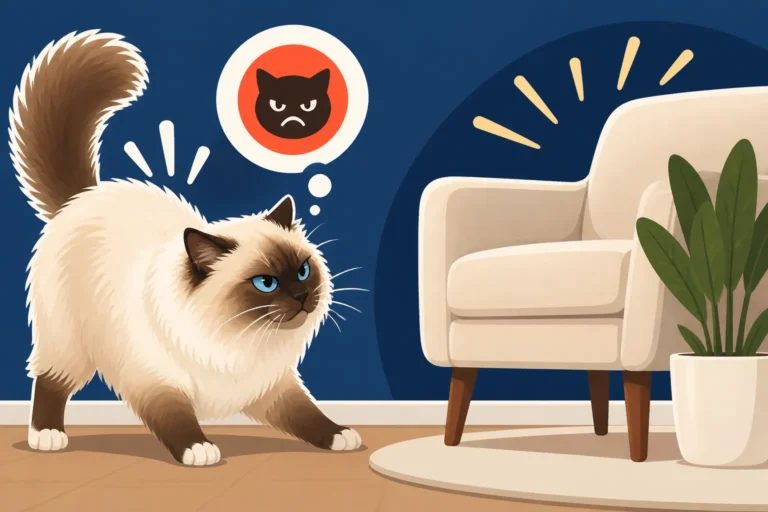
Birman cats avoid new furniture because the unfamiliar scents and disrupted territorial routines cause insecurity and stress.