What Fifteen Years of a Birman’s Coat and Feet Takes
Fifteen years of Birman coat and foot care requires adapting grooming routines from kittenhood through senior years.
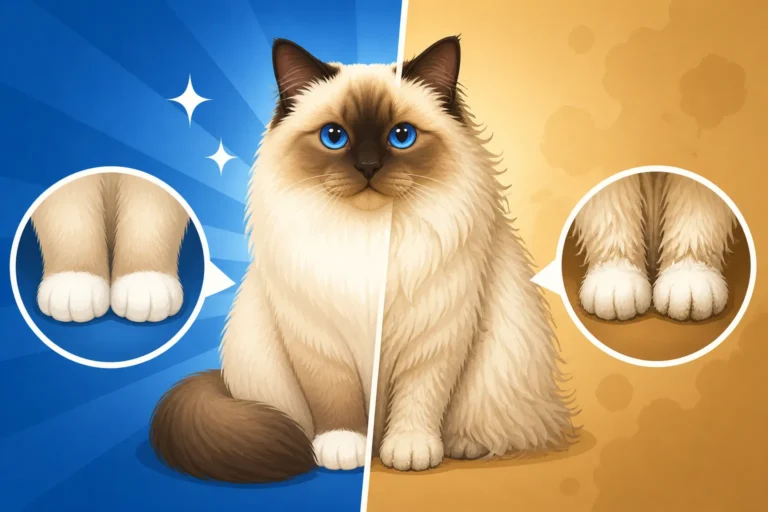
Fifteen years of Birman coat and foot care requires adapting grooming routines from kittenhood through senior years.

Senior Birman muscle loss happens before fat loss due to metabolic shifts, causing age-related sarcopenia and reduced strength.
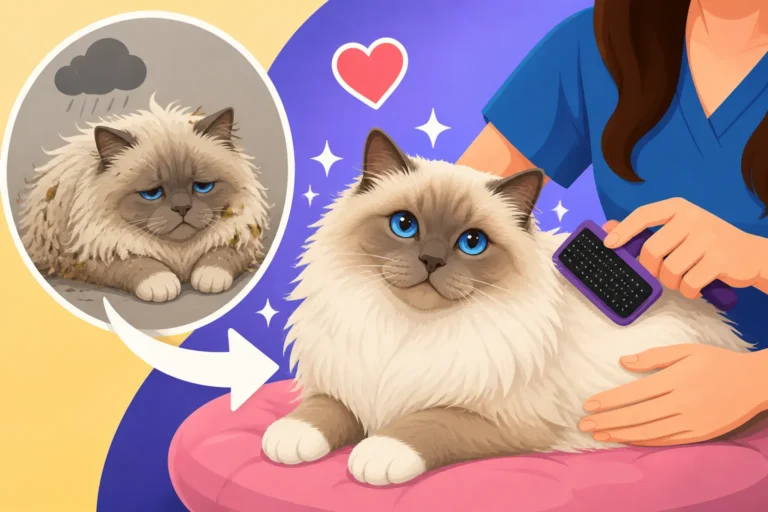
Aging Birman cats stopping self-grooming due to arthritis, dental pain, and vision loss explained with care tips.
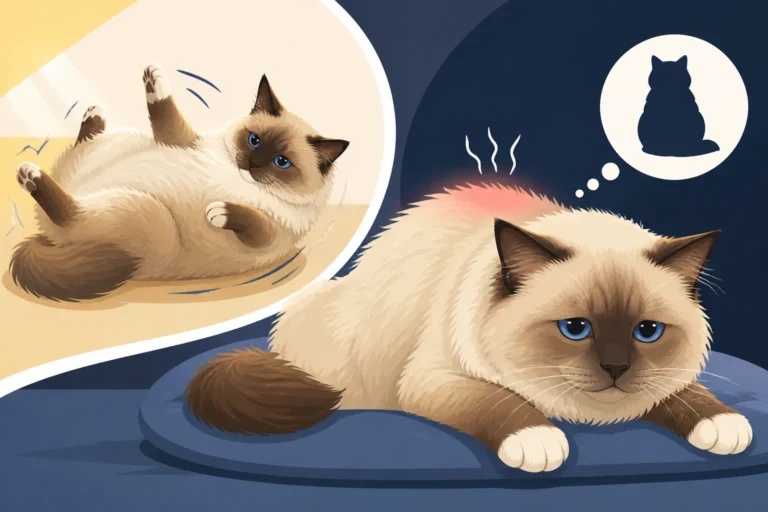
Aging Birmans struggling to groom their lower backs and tails require extra support, coat care, and reduced mobility monitoring.
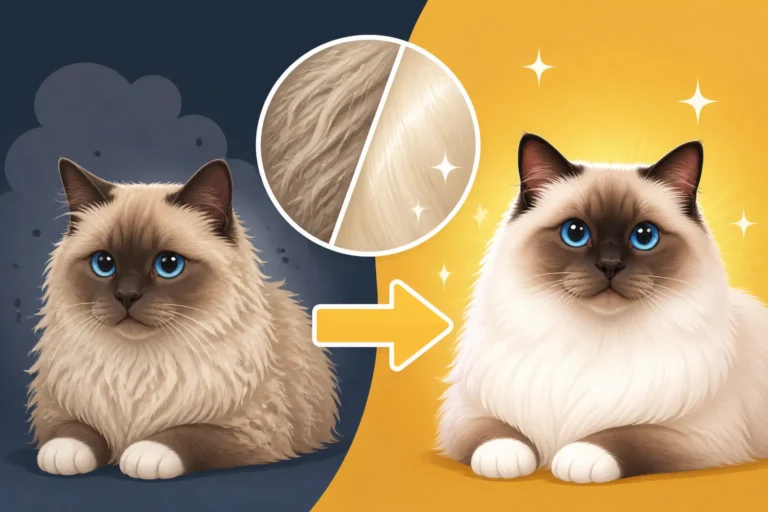
Aging Birman cats experience a dull coat because cellular renewal slows, hormones shift, and arthritis limits grooming mobility.

Birman cats possess a single coat lacking an undercoat, making outdoor snow exposure risky due to hypothermia and cold temperatures.

Birman cats lack a woolly undercoat, explaining why these pets constantly seek sunny spots and laps during winter.
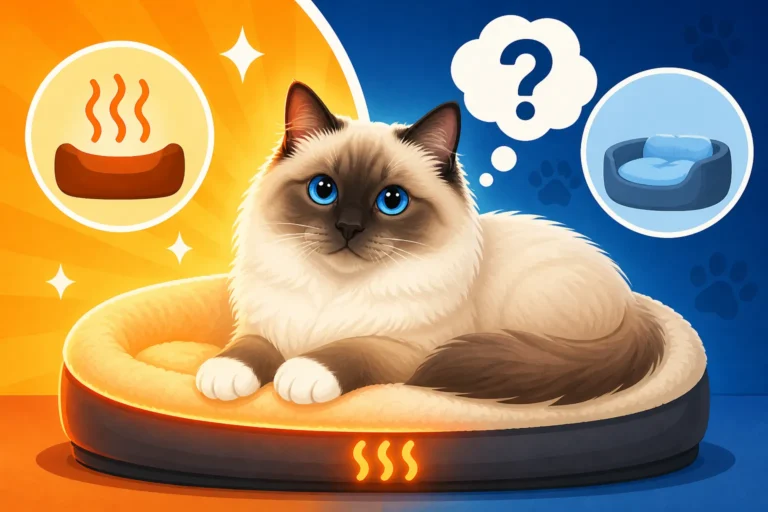
Heated beds for Birmans help single-coated and older cats stay warm during colder months and temperature drops.
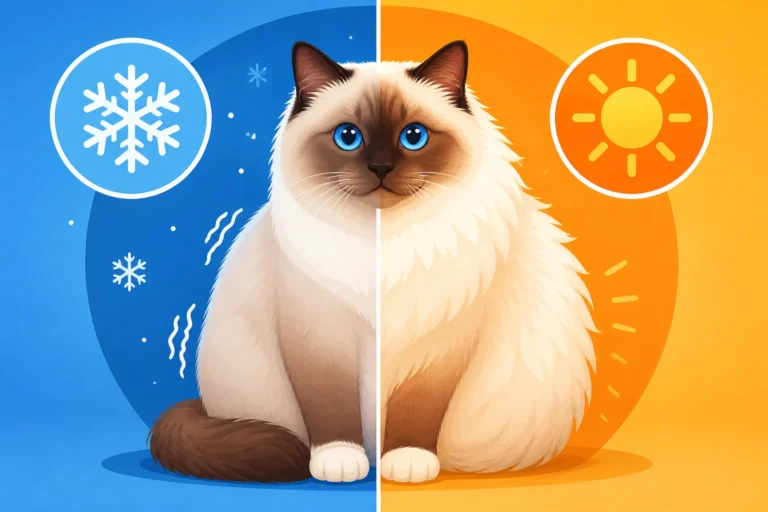
The single coat structure of a Birman cat lacks an insulating underlayer, explaining why this breed stays colder.
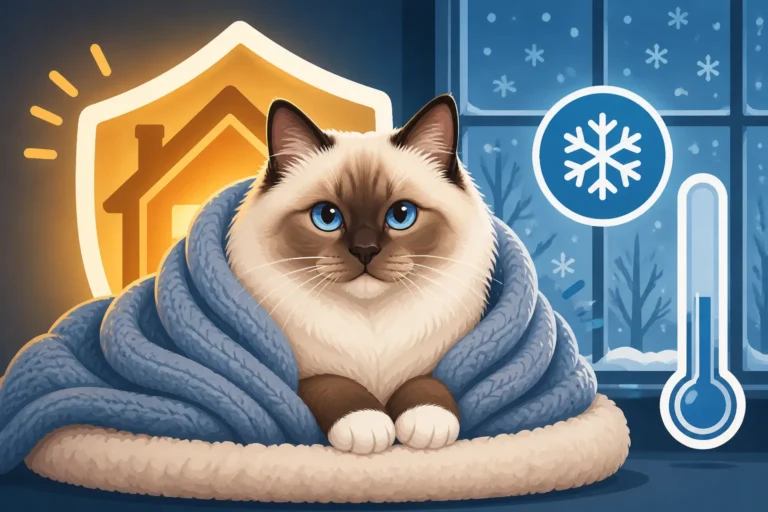
Birman cold tolerance depends on their single coat lacking a dense undercoat, causing temperature-sensitive points to darken.