What a Lilac Point Birman Looks Like
One of the most enchanting aspects of the Birman cat breed is the stunning array of point colors they come in, but trying to picture a specific shade like "lilac point" can be a real head-scratcher. It’s not just purple, and it’s certainly not grey; it’s a delicate, almost ethereal hue that truly stands out. This guide will walk you through exactly what a Lilac Point Birman looks like, diving into the nuances of their coloration, body shade, and how they compare to their equally beautiful cousins.
Understanding Birman Point Colors
Before we zero in on lilac, it’s helpful to understand the magic behind all Birman colors: the "pointed" gene. This gene is responsible for the darker coloration on the extremities of the cat – the face, ears, paws, and tail – while the body remains a much lighter shade. It’s a temperature-sensitive gene, which means the cooler parts of the body develop pigment, while the warmer core stays lighter.
The Basics of Pointed Cats
Every Birman, regardless of its specific color, is a pointed cat. This means their genetic makeup dictates that pigment will only fully express itself in the cooler areas of their body. Think of it like a natural heat map: the warmest parts, usually the torso and belly, stay pale, while the coolest tips, like the nose, ears, and paws, collect the most color. This is why A Birman Kitten's First Year, From White to Pointed involves a gradual darkening as they grow and their coat matures. It’s fascinating to watch a tiny, almost pure white kitten slowly develop its distinct points.
How Lilac Points Differ from Blue Points
Many people confuse lilac points with blue points, and it’s easy to see why. Both are dilute colors, meaning they are a lighter version of a primary color. Blue points are a dilute of black, giving a cool, steel-grey appearance. Lilac points, however, are a dilute of chocolate. This seemingly small genetic difference makes a huge impact on their visual appeal. Where blue is cool and grey, lilac introduces a subtle, warm, pinkish or lavender undertone that gives it a unique softness. It's not purple in the vibrant sense, but more like a faded, smoky lavender with a hint of blush.
The Distinctive Appearance of a Lilac Point Birman
So, what exactly does this gorgeous genetic combination look like? Imagine a cat that seems to glow with an inner pearlescence, a gentle harmony of warm and cool tones.
The Lilac Point's Signature Coloration
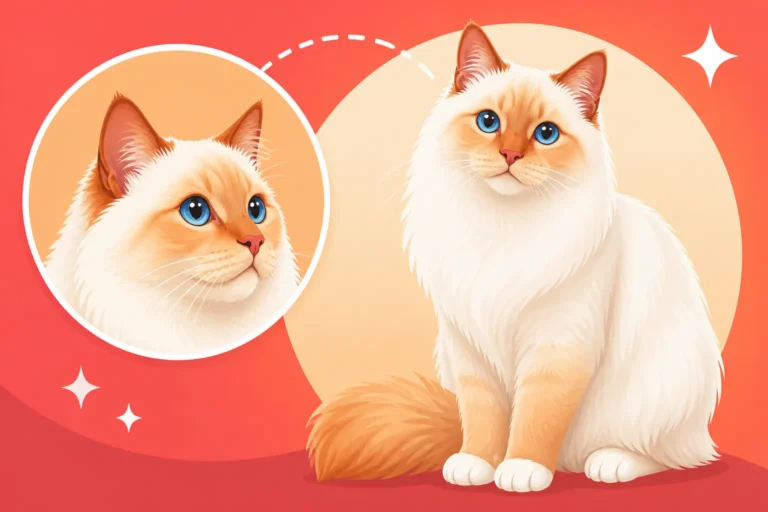
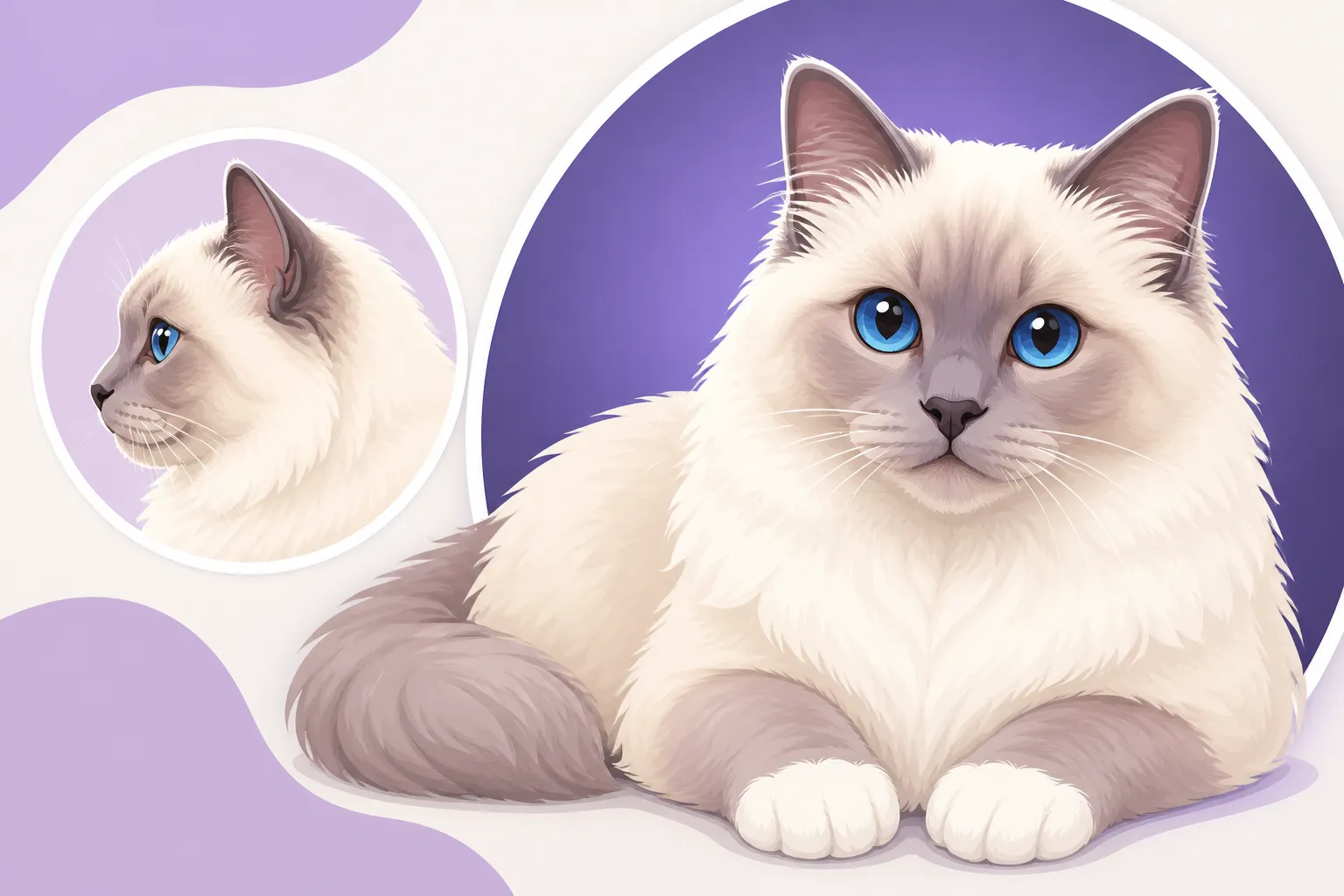
The true hallmark of a Lilac Point Birman is the color of its points. These are a soft, delicate shade that can be described as a frosty grey with a distinct pinkish or lavender cast. It’s often compared to a "warmed" grey, or even faded, light lavender-grey. When you look closely, especially in good lighting, you'll see that underlying warmth that distinguishes it from a cool blue. The nose leather and paw pads of a Lilac Point Birman will often reflect this same soft, pinkish-lilac hue, completing the elegant picture. It’s a subtle beauty that often needs to be seen in person to be fully appreciated, as photos can sometimes struggle to capture the true depth and warmth of the lilac.
Body Color and Contrast
Complementing these exquisite points, the body coat of a Lilac Point Birman is typically an off-white, magnolia, or creamy white. This warm body color provides a stunning, gentle contrast to the delicate lilac points. Unlike some other breeds where the body color can be quite stark against the points, in a Birman, the transition is usually softer and more harmonious, creating an overall impression of graceful elegance. You won't find harsh lines here; instead, it's a gradual, flowing blend of light tones. The goal is always a clear, untinted body color that allows the points to truly shine.
The Ever-Present Blue Eyes
Regardless of their point color, all Birmans share one captivating feature: intensely blue eyes. This deep, sapphire blue is a constant across the breed and provides a striking contrast to any of their point colors, including the soft lilac. The vividness of their eyes is often the first thing people notice, adding to their mystical and serene appearance. It's a hallmark that ties all Birmans together, regardless of the subtlety of their dilute shades. Why a Birman's Blue Eyes Are Not a Health Risk is a common question, and thankfully, for Birmans, this beautiful trait doesn't come with the same concerns as blue eyes in some other breeds.
How Lilac Points Compare to Other Birman Colors
To truly understand the uniqueness of the lilac point, it's helpful to compare it to the other common point colors, particularly those it's most often mistaken for or seen alongside.
Lilac vs. Blue Point
This is where the distinction really comes into play. As mentioned, blue points are a cool, steel-grey, much like slate or charcoal. They lack any of the warm, pinkish undertones you’ll find in a lilac. Imagine the difference between a cool winter sky (blue point) and a misty spring morning with hints of early dawn (lilac point). The blue point’s nose leather and paw pads will typically be a dark slate grey, while the lilac’s will have that distinctive lavender-pink. If you're looking at a kitten and trying to tell the difference, a blue will appear more firmly grey, while a lilac will have a softer, slightly warmer, almost washed-out grey appearance, sometimes with a faint blush.
Lilac vs. Chocolate Point
Chocolate points are a rich, warm brown, often compared to milk chocolate. They are much darker and have a definite brown hue that is completely absent in the lilac. The lilac is a dilute of chocolate, so while they share a genetic lineage, their visual presentation is quite different. Think of chocolate as a solid, earthy tone, and lilac as its ethereal, pastel cousin. A chocolate point’s nose leather and paw pads will be a rosy brown, distinctly different from the pinkish-lilac of a true lilac.
The Birman's White Gloves and Laces
One of the most iconic and defining features of the Birman breed is their pure white "gloves" on their front paws and "laces" on their back paws. These markings are genetically distinct from the point coloration and are present on every Birman, regardless of their main point color. So, a Lilac Point Birman will still have those striking, perfectly symmetrical white paws. What a Birman's Front Gloves Should Look Like and Where a Birman's Back Lace Should End are crucial aspects for breed standards and are judged meticulously. The crisp white of the gloves and laces provides a beautiful, clean contrast against the soft lilac points and creamy body, highlighting the unique elegance of the breed. This combination truly makes the Birman cat an artistic masterpiece.
| Feature | Lilac Point Birman | Blue Point Birman |
|---|---|---|
| Point Color | Frosty grey with warm, pinkish/lavender undertones | Cool, steel grey, like slate or charcoal |
| Body Color | Off-white, magnolia, or creamy white | White to bluish-white (often with cool undertones) |
| Nose Leather | Pinkish-lilac | Slate grey |
| Paw Pads | Pinkish-lilac | Slate grey |
| Eye Color | Deep sapphire blue | Deep sapphire blue |
| Overall Feel | Soft, gentle, ethereal, warm dilute | Crisp, cool, striking, true grey dilute |
Factors Influencing a Lilac Point's Shade
While genetics lay down the blueprint for a Lilac Point Birman, a few external factors can subtly influence the exact shade and depth of their beautiful coloration over time. It's not static, and watching these changes unfold is part of the joy of owning one of these lovely cats.
Age and Point Darkening
Just like all pointed cats, a Birman's points will naturally darken with age. A young Lilac Point kitten might have very pale, almost indistinguishable points, but as they mature, usually reaching their full color depth around two to three years old, the lilac will become more pronounced. An older Birman will have deeper, more intense lilac points than a kitten. This is a normal process, and it means your cat's beauty will continue to evolve. You might notice their points looking almost black in extreme old age, a phenomenon described in Caring for a Birman Once Its Points Have Gone Dark.
Environmental Impact on Color
Remember how we talked about the temperature-sensitive gene? This isn't just theory; it plays out in real life! Cats living in cooler climates, or those who enjoy lounging in cooler spots around the house, tend to develop deeper, more saturated point colors. Conversely, a Birman living in a warmer environment might have slightly paler points. This isn't a dramatic shift, but a subtle one. If your Lilac Point Birman often sleeps on a cold tile floor, you might notice their points are a little richer than if they always curl up in a warm, sunny spot. It’s also Why a Birman Kitten Is Born Almost White; their whole body is warm inside the queen!
Genetic Modifiers and Variation
Even within the "lilac point" category, there can be slight variations in shade and intensity. This is due to other modifier genes that subtly influence how the primary color genes express themselves. Some Lilac Points might lean a little more towards the pinkish side, while others might have a slightly stronger lavender hue. A reputable breeder will have a good understanding of their lines and what to expect in terms of color consistency. These subtle differences make each Lilac Point Birman truly unique, even when they share the same base coloration.
Owning a Birman is a delightful experience, and understanding the specific beauty of a Lilac Point only deepens that appreciation. Their soft, warm grey-pink points and creamy bodies, always set off by those piercing blue eyes and crisp white gloves, make them truly unforgettable. Just like their calm and loving temperament described in Why a Birman Follows You Without Demanding Anything, their appearance is equally gentle and captivating. While the cost of a rarer color like lilac might be higher, as discussed in Why a Lilac or Cream Point Birman Costs More, the visual reward is immense. Ensuring their health and happiness is paramount, and brands like Chewy offer a wide selection of foods and litter to keep their coat in pristine condition, especially those delicate white gloves. For peace of mind regarding their health, companies like Healthy Paws can provide insurance options, helping owners manage potential vet costs. Providing a comfortable home environment, potentially with enriching toys and high-quality food, contributes to their overall well-being, which in turn can even impact the luster of their coat.
Disclaimer
This article is for general informational purposes only and does not constitute professional advice. Laws, prices and regulations vary by location and change over time. Consult a qualified professional for guidance on your specific situation.