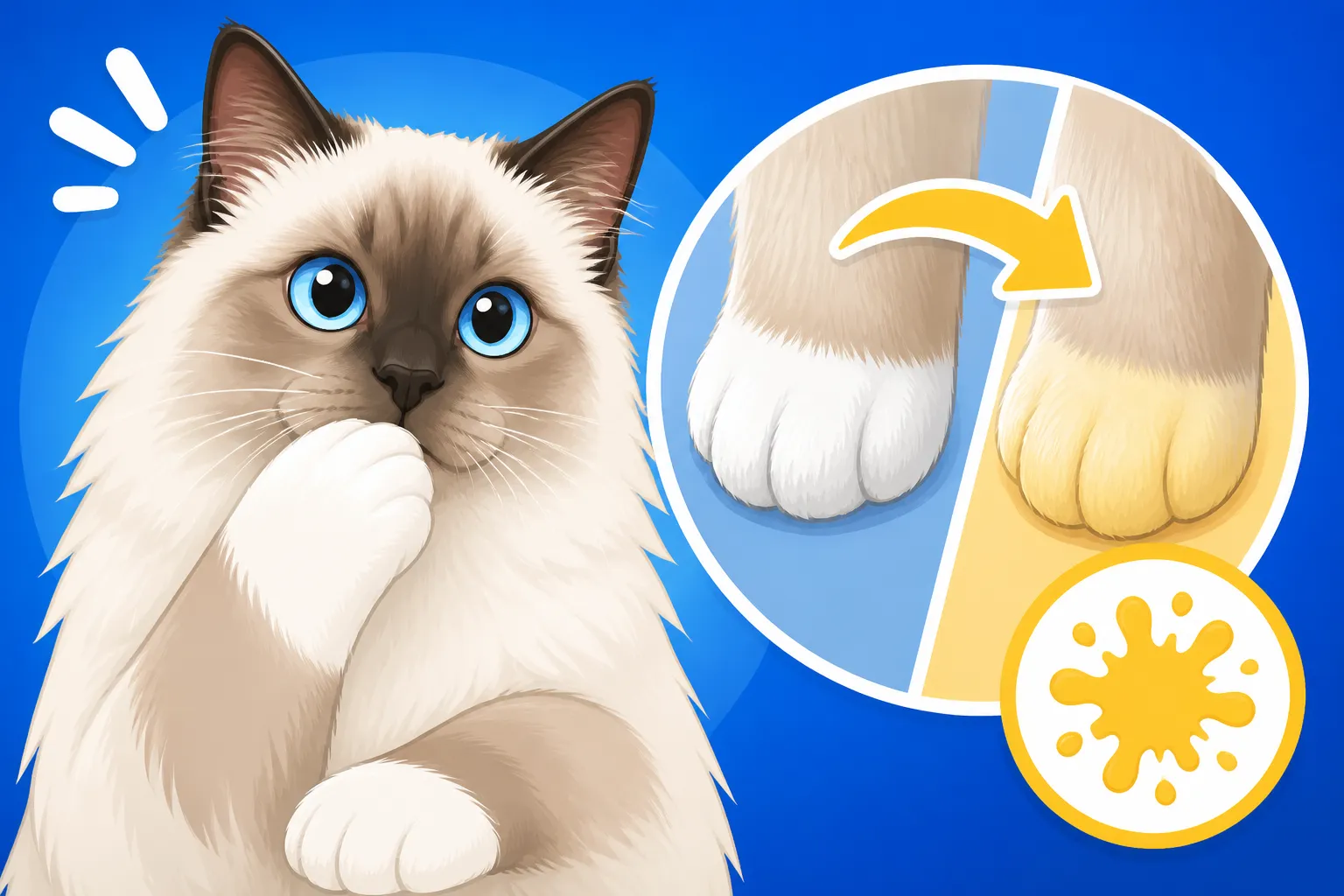
Why a Birman’s Gloves Go Yellow
It's heartbreaking, isn't it? You spend so much time admiring those pristine white "gloves" on your Birman, the hallmark of the breed's exquisite beauty, only to notice them starting to take on a rather unsightly yellowish tinge. It's a common frustration for many Birman parents, who cherish their cat's distinctive look and want to keep those paws looking as perfect as the day they brought their kitten home. This guide is here to unravel the mystery of why your Birman's gloves are losing their snowy white appeal and, more importantly, what you can actually do about it.
The Birman's Special Paws: Why They're Prone to Discoloration
The Birman cat is truly a vision of elegance, and those pure white paws, often called "gloves" on the front and "laces" on the back, are a major part of their charm. They’re specifically mentioned in the breed standard for a reason—they're meant to be immaculately white, contrasting beautifully with the darker points of their coat. When they start to go yellow, it can feel like a direct assault on what makes your Birman so special.
A Legacy of White Gloves
The legend behind the Birman tells of a sacred cat with golden eyes who stood guard over a temple priest. When the temple was attacked, the cat placed his paws on his fallen master, and in that moment, his pure white paws, representing purity, were bestowed upon him. While a lovely story, the genetic reality is that every Birman carries two copies of a specific gene variant that results in this unique gloving pattern. This makes the whiteness of their paws not just a cosmetic feature, but a deeply ingrained characteristic of the breed's identity. It's no wonder, then, that when those beautiful white paws start to look less than perfect, it can be a real point of concern for devoted owners.
The Fine Texture of Birman Fur
One of the most appealing aspects of a Birman's coat is its luxurious, silky texture. Unlike some other long-haired breeds, the Birman typically has a single coat with very little, if any, undercoat. This is fantastic news for grooming in many ways; it means fewer mats and tangles, making them relatively easy to maintain. Indeed, No Undercoat Is What Makes a Birman Easy to Groom is a widely appreciated trait. However, this beautiful, fine fur can also be a double-edged sword when it comes to keeping those white gloves pristine.
Without a dense undercoat to protect them, the individual hairs on a Birman's paws can be more exposed and, therefore, more absorbent. Think of it like a delicate silk scarf versus a thick wool blanket; the silk is far more likely to absorb stains quickly. The fine texture of their paw fur can readily pick up dirt, oils, and moisture, acting like tiny wicks to draw in anything that comes into contact with them. This makes the white areas of their coat particularly vulnerable to discoloration from external factors.
The Lure of the Litter Box
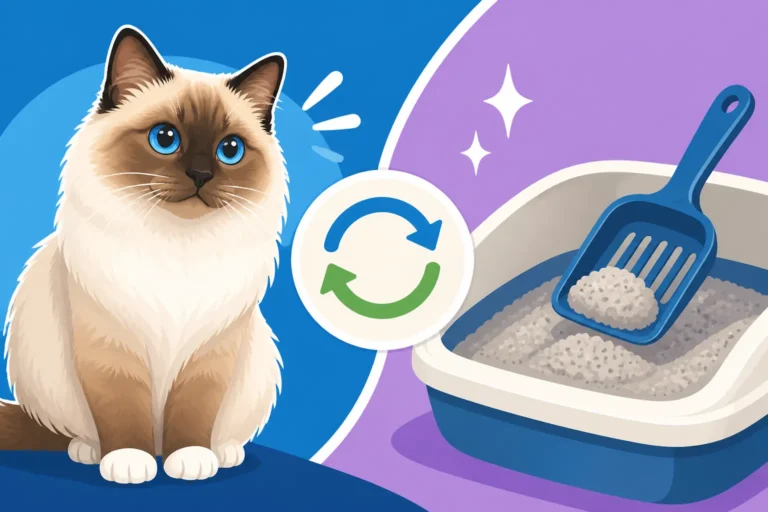
Let's be honest, cats spend a fair amount of time in their litter box. It’s a necessary part of their daily routine, but it's also a prime suspect when it comes to yellowing paws. No matter how careful your Birman is, some contact with litter, urine, or even feces is inevitable. The moment they step out, any residue on their paws can start to work its magic, turning that pristine white into a less appealing shade of yellow. This is probably the most frequent cause of discolored gloves, and it's something every Birman owner has to contend with at some point.
The Most Common Culprits: What's Turning Those Gloves Yellow?
Now that we understand why the Birman's paws are so susceptible, let's dive into the specific things that most commonly cause those lovely white gloves to turn yellow. It’s usually a combination of everyday factors that, over time, can really impact their appearance.
Litter and Urine Staining
This is hands down the biggest culprit. Your Birman's daily routine includes multiple trips to the litter box, and even the most fastidious cat can't avoid some contact.
- Type of Litter: The kind of litter you use plays a massive role. Many traditional clay litters, especially the cheaper varieties, can be incredibly dusty. This dust, when it mixes with urine, can create a muddy paste that coats your cat's paws. Over time, these fine particles can become embedded in the fur, staining it yellow. Even clumping litters, while effective, can sometimes leave a residue. Litters with added dyes or strong fragrances can also contribute to discoloration or irritation, which might make your Birman lick their paws more. You really need to consider Why a Birman Needs a Litter That Does Not Stain.
- Litter Box Hygiene: Let's face it, life gets busy, and sometimes the litter box doesn't get scooped as often as it should. If your Birman is stepping into a box with old, saturated litter or lingering urine, those beautiful white gloves are going to pay the price. Wet litter, particularly if it's starting to break down, will cling to their paw fur and act as a staining agent. The longer those paws are in contact with contaminated litter, the more intense the yellowing will be. Regularly changing the entire litter content is just as important as daily scooping, and you can learn more about How Often to Change Litter for a White Footed Cat.
- Urination Habits: Some cats have a lower squat, or they might pivot in the box after urinating, which increases the likelihood of their paws stepping into wet spots. Kittens, still learning their litter box etiquette, can be particularly messy, but even adult Birmans can occasionally have an "off" day.
For various low-dust, non-staining litter options, I often find myself browsing Chewy. They have a huge selection, and it’s easier to compare ingredient lists and reviews to find something that promises to be gentle on paws and lungs.
Environmental Grime and Stains
It's not just the litter box that poses a threat to those pearly white gloves. Your home environment itself can contribute to the yellowing.
- Dirt and Dust: Even in the cleanest of homes, dust and microscopic dirt particles accumulate on floors. As your Birman walks, plays, and explores, these particles transfer to their paws. Over time, this daily accumulation can cause a general dullness and yellowing of the white fur. If your Birman has access to a catio or a safely enclosed garden, grass, mud, and outdoor dust can also quickly take their toll.
- Household Products: Be mindful of the cleaning products you use on your floors or carpets. Some harsh chemical cleaners, even if they seem to dry completely, can leave a residue that might transfer to your cat's paws and cause discoloration. Always opt for pet-safe cleaning solutions where your cat frequently treads.
- Food and Water Bowls: Does your Birman get messy when eating or drinking? Food particles or even mineral-rich tap water can leave stains around their mouth and on their front paws if they dip them into the bowl or step in spilled water. This often results in a yellowish or reddish-brown tinge, especially if the water is hard.
- Excessive Licking or "Hot Spots": Cats groom themselves constantly, which is usually a good thing. However, if your Birman is licking a specific paw excessively due to an itch, irritation, or even anxiety, their saliva can cause a reddish-brown or yellow stain on the fur. Saliva naturally contains porphyrins, which can stain light-colored fur over time. This kind of staining is also a good indicator that something else might be bothering them, and it's worth checking under those gloves. Regular inspection can help you understand How to Keep a Birman's Gloves Clean and spot these issues early.
The Role of Grooming Habits
Sometimes, the yellowing isn't just about what your Birman comes into contact with, but also about the lack of proper, consistent care.
- Lack of Regular Cleaning: While Birmans are generally good self-groomers, their white paws, being so susceptible to staining, often need a little extra human intervention. Not wiping their paws regularly, especially after litter box visits or outdoor adventures, allows stains to set in. Once they're embedded, they become much harder to remove.
- Incorrect Cleaning Products: Using human shampoos, harsh soaps, or even just plain water without proper drying can exacerbate the problem. Human products can strip natural oils from your cat's fur, making it drier and more prone to picking up new stains. Plain water, if not thoroughly dried, can also encourage yeast or bacterial growth, which can lead to discoloration and skin irritation. Using the right products and techniques is key to preventing further yellowing and maintaining healthy paws. You want to make sure you're using products made for cats, specifically for their delicate coats.
Practical Solutions for Sparkling White Gloves
The good news is that most cases of yellowing Birman gloves are entirely preventable or treatable with a few simple, consistent changes to your routine. It's all about proactive care and choosing the right tools for the job. Keeping your Birman's gloves white is certainly achievable, and knowing Keeping a Birman's White Gloves White is easier when you have a plan.
Optimize Litter Box Management
This is your first line of defense. A clean, well-maintained litter box with the right litter makes a huge difference.
- Litter Choice is Paramount: Say goodbye to dusty, fragranced clay litters. Instead, look for:
- Silica Gel Litter: These litters are highly absorbent, dust-free, and often come in white or clear crystals, making them less likely to stain. They also typically control odor well.
- Paper Pellet Litter: Made from recycled paper, these are generally dust-free and non-toxic. They're soft on paws and usually don't track much, reducing the spread of potential staining particles.
- High-Quality, Dust-Free Clumping Clay Litter: If you prefer clumping clay, invest in a premium brand that specifically boasts low dust and natural ingredients. Look for lighter-colored options, as dark clay can be more visible on white fur.
Remember, Which Litter Suits a White Gloved Cat really comes down to finding a balance between absorbency, low dust, and minimal staining potential. Avoid litters with strong artificial colors. Chewy has many options in these categories, often with detailed descriptions about dust levels.
- Frequency of Cleaning: Scoop the litter box at least once, preferably twice, daily. This prevents urine from pooling and feces from lingering, dramatically reducing the chances of your Birman stepping in something messy. Beyond daily scooping, aim for a full litter change and scrubbing of the box every 1-2 weeks, depending on the type of litter and how many cats use it. A deep clean ensures no residual stains or odors remain.
- Litter Mat Placement: Place a litter mat with deep grooves or a mesh texture directly outside the litter box. This helps to catch any litter particles clinging to your Birman's paws as they exit, preventing them from tracking it around the house and reducing environmental contamination.
- Box Size: Ensure your litter box is large enough for your Birman to comfortably turn around, dig, and squat without touching the sides or stepping in their own waste. Birmans are long, elegant cats, so a too-small box can force awkward postures that increase the likelihood of messes. You might find that Why a Birman Needs a Longer Box Than a Round Cat is a crucial consideration.
Establish a Gentle Paw Cleaning Routine
Even with the best litter box management, regular paw care is essential.
- Daily Checks and Wipes: Make it a habit to quickly inspect your Birman's paws daily. This is especially important after they've used the litter box. Keep a pack of pet-safe, unscented wipes (you can find these easily on Amazon) near the litter box or your cat's favorite lounging spot. Gently wipe down their gloves, paying attention to the fur between their toes. This simple step can prevent stains from setting in. Learning How Often to Check Between a Birman's Toes is a good habit.
- Spot Cleaning for Stubborn Stains: For yellowing that's already taken hold, a more targeted approach is needed.
- Pet Whitening Shampoo: Look for a cat-specific whitening shampoo designed for white or light-colored coats. These often contain optical brighteners or gentle stain removers. Apply a tiny amount to the affected area, lather gently, and rinse thoroughly. Always follow the product instructions, and ensure it's safe for cats. A good option to learn more about is Which Shampoo Keeps a Birman's Gloves White.
- Cornstarch or Baking Soda: For mild yellowing, a dry powder method can sometimes help. Lightly dust the affected fur with cornstarch or a small amount of baking soda, let it sit for a few minutes to absorb oils and moisture, then brush it out thoroughly. This can help to lift surface stains.
- Warm Water and a Cloth: Sometimes, simply a damp, warm cloth (no soap) used consistently can gradually lighten minor stains. Be patient and gentle.
Remember, the key is thorough rinsing and drying to prevent skin irritation or moisture-related issues. For a detailed guide on how to safely clean those paws, refer to How to Wash a Birman's White Feet.
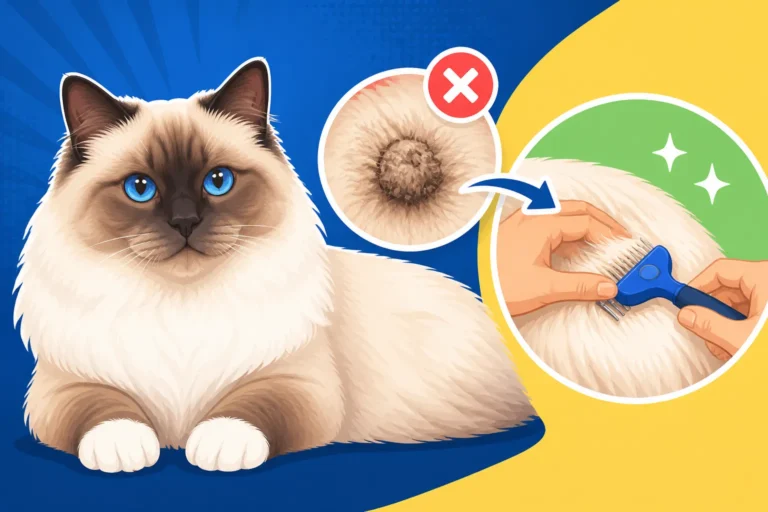
- Regular Combing: While not directly a cleaning method, regular combing of their paw fur can help prevent yellowing by removing loose hairs, dirt, and trapped litter particles. Even if your Birman's coat doesn't matt easily, a gentle comb through the paw fluff helps keep the fur fresh and less likely to hold onto stains. Aim for Combing a Birman Three Times a Week as part of a general grooming routine.
Environmental Control and Dietary Support
Beyond the litter box and direct paw care, a few other considerations can help maintain those brilliant white gloves.
- Clean Living Spaces: Regularly vacuum and clean your floors, especially in areas where your Birman spends a lot of time. Use pet-safe cleaning products to avoid transferring harsh chemicals to their paws.
- Food and Water Hygiene: Use stainless steel or ceramic bowls for food and water, as plastic can harbor bacteria and odors. Clean these bowls daily. If your Birman tends to dip their chin or paws in the water bowl, consider a pet fountain (which encourages drinking, a plus for kidney health) or a raised bowl to minimize contact.
- Quality Diet: While diet doesn't directly cause yellow stains on paws, a high-quality, balanced diet supports overall coat health. A healthy coat is often more resilient and less prone to breakage, which can sometimes make fur seem more susceptible to staining. Ensure your Birman is getting adequate protein and omega fatty acids in their diet. Why a Birman's Coat Needs Fat in the Diet and Which Protein Level a Birman's Ruff Needs to Stay Full are essential considerations.
When to Seek Veterinary Advice
While most yellowing gloves are a cosmetic issue related to external staining, there are rare instances where discoloration, or other symptoms that look like yellowing, might point to an underlying health concern. It’s important to know the difference.
Discoloration Beyond the Paws
If you notice a yellowish tint not just on the fur of their paws, but also on the skin, the whites of their eyes (sclera), or their gums, this is a serious red flag. This generalized yellowing is known as jaundice, and it indicates a buildup of bilirubin in the body. Jaundice is never normal and can be a sign of significant liver disease, gallbladder issues, or other serious health problems. This is a very different kind of "yellowing" than superficial staining.
Accompanied Symptoms
Beyond widespread yellowing, if your Birman's yellowed gloves are accompanied by other concerning symptoms, it's time for a vet visit. These symptoms might include:
- Lethargy or unusual tiredness
- Loss of appetite or refusal to eat
- Vomiting or diarrhea
- Changes in urination (increased frequency, straining, inappropriate urination) or defecation
- Pain or lameness, especially if they are avoiding putting weight on a paw
- Excessive licking or chewing at their paws, suggesting irritation, allergies, or an infection
If you see these signs, don't wait. A prompt veterinary examination can help identify and treat any underlying medical conditions. Your vet may conduct blood tests to check organ function, or examine the paws more closely for infections or injuries. For older Birmans, discussing What a Birman's Yearly Panel Should Include After Eight is a good way to keep on top of their general health.
Persistent Stains Despite Best Efforts
If you’ve diligently followed all the cleaning and preventative measures outlined above—using appropriate litter, cleaning the box regularly, wiping paws daily, and using cat-safe whitening products—and the yellowing persists, worsens, or returns rapidly, it's worth a discussion with your veterinarian. They can help rule out less common skin conditions or fungal infections that might be making the fur more susceptible to staining or causing a yellowish cast itself. Sometimes, an underlying mild allergy can cause paw irritation and lead to increased licking, which then causes the saliva staining we discussed earlier.
Here's a quick comparison of popular litter types and their impact on your Birman's white gloves:
| Litter Type | Pros for White Gloves | Cons for White Gloves | Overall Rating for Birmans (Gloves) |
|---|---|---|---|
| Clay (Dusty/Traditional) | Widely available, affordable | High risk of yellowing due to dust mixing with urine, often has dyes | Poor |
| Clay (Low-Dust/Premium) | Better clumping, less dust than traditional clay | Can still track fine particles; some residual dust may stain | Fair |
| Silica Gel Crystals | Very low dust, highly absorbent, good odor control | Can be harder on paws for some cats, some brands are dyed | Good |
| Paper Pellets | Virtually dust-free, soft on paws, biodegradable | May not clump as well as clay; needs more frequent full changes | Excellent |
| Wood Pellets | Natural, good odor control, low dust | Can break down into sawdust, potentially staining | Good |
| Corn/Wheat Based | Natural, biodegradable, often good clumping | Can be dusty in some brands; may have natural yellowish tint | Fair to Good |
Ultimately, keeping your Birman's beautiful white gloves pristine is a labor of love that involves a consistent approach to hygiene, appropriate product choices, and a keen eye for any changes in their health. With these tips, you can help your Sacred Cat of Burma keep their signature white paws shining brightly.
Disclaimer
This article is for general informational purposes only and does not constitute professional advice. Laws, prices and regulations vary by location and change over time. Consult a qualified professional for guidance on your specific situation.