Why a Birman’s Point Color Deepens With Age
It’s a common moment for Birman cat parents: you’re admiring your beautiful, fluffy companion, perhaps looking at old kitten photos, and suddenly you notice it – their gorgeous points, once a delicate whisper of color, have deepened into a rich, undeniable statement. This change can sometimes lead to worry or simply curiosity. Rest assured, this guide is here to explain precisely why your Birman’s point color is deepening with age, what factors are at play, and what to expect as they continue to mature.
The Science Behind Birman Point Coloration: Temperature Sensitivity
The secret behind your Birman’s captivating color changes lies deep within their genetics, specifically involving a fascinating enzyme that is highly sensitive to temperature. This isn't just a Birman quirk; it's a characteristic shared by all pointed breeds. Understanding this fundamental biological process can really shed light on why their appearance evolves over time.
The Tyrosinase Enzyme and Heat Sensitivity
At the heart of a Birman's point coloration is an enzyme called tyrosinase. This enzyme is crucial for the production of melanin, the pigment that gives hair its color. Here’s the clever part: in Birmans and other pointed cats, this particular tyrosinase enzyme is temperature-sensitive. It only works efficiently to produce pigment in cooler areas of the body. In warmer areas, the enzyme is essentially "denatured" or inactive, meaning it can't do its job of making color.
Think of it like a light switch that only works when the room is cold. If the room gets too warm, the switch just won't click on. For your Birman, the cooler extremities – their ears, nose, paws, and tail (the "points") – are where the tyrosinase enzyme can function, depositing pigment and creating those beautiful, contrasting colors. The warmer core body, on the other hand, remains light or white because the enzyme there is mostly inactive. This genetic trait is what defines the striking appearance of a Birman, making them instantly recognizable.
How Birman Kittens Are Born White
One of the most delightful surprises for new Birman parents or those observing a litter is seeing Why Every Birman Kitten Is Born Pure White. It seems counter-intuitive when you know they'll develop those deep, rich points. But once you understand the temperature-sensitive tyrosinase enzyme, it makes perfect sense. Inside the queen's womb, the environment is uniformly warm and cozy – perfectly insulated and a consistent temperature.
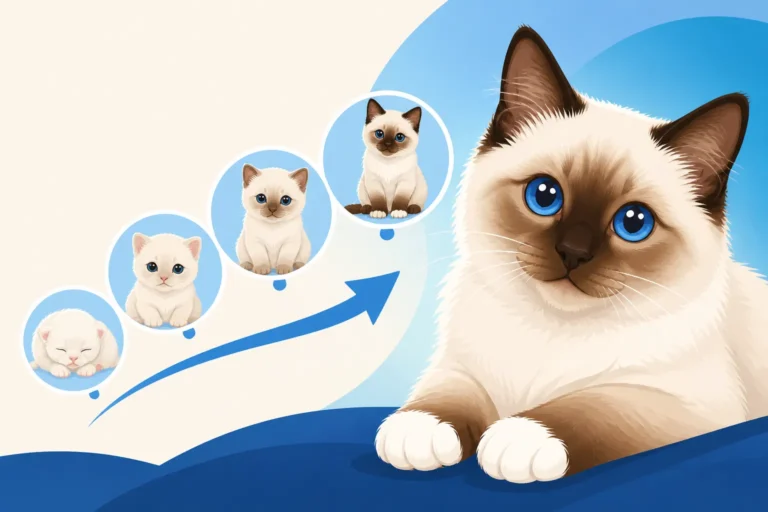
Because the developing kittens are kept at a constant, high body temperature within this environment, the tyrosinase enzyme isn't able to activate and produce pigment anywhere on their tiny bodies. It's like being in a perpetually warm room where the color switch never gets a chance to turn on. As a result, Birman kittens emerge into the world looking like little cream puffs, all soft white or pale cream. Their future point color is already genetically determined, of course, but the physical manifestation of that color is entirely dependent on their exposure to cooler temperatures outside the womb. This pure white stage is fleeting but incredibly charming, a testament to the elegant genetic mechanism at play.
The Role of Environmental Temperature in Color Development
Once a Birman kitten is born and exposed to the wider world, the magic starts to happen. As their extremities cool down relative to their warmer core body, the temperature-sensitive tyrosinase enzyme begins to activate in those cooler areas. This is why you'll gradually start to see How a Birman Kitten's Points Come In, first as a faint blush on their ears and nose, then slowly spreading and deepening.
The ambient temperature of their environment plays a huge role in this initial development. A kitten raised in a cooler climate or a slightly chillier room might develop its points a little faster or more intensely than one kept in a consistently warm environment. It’s not about extremes, but about the subtle differences in temperature across their body and in their surroundings. This gradual process means that the Birman you bring home might look different even a few months later, as their point coloration continues to mature and respond to their personal thermal environment. This subtle interaction between their genetics and their surroundings is what gives each Birman their unique shade and depth of color.
Factors Influencing the Darkening Process
Beyond the initial development, a Birman's point color isn't static; it's a dynamic trait that continues to evolve throughout their life. Several factors contribute to the gradual deepening of their points, making them a living canvas that changes with time and circumstances. These aren't just minor shifts; they can be quite noticeable over months and years, often catching owners by surprise if they don't understand the underlying reasons.
Age and Metabolic Changes
As your Birman transitions from a playful kitten to a serene adult and then into their wise senior years, their metabolism and overall body temperature subtly change. Younger cats tend to have a slightly higher metabolic rate and are generally more active, which can generate more internal heat. As Birmans mature, their metabolism naturally slows down. This can lead to a slight, gradual decrease in their core body temperature, or at least changes in how efficiently their body regulates heat.
This subtle shift in internal temperature means that the temperature-sensitive tyrosinase enzyme might become active in slightly larger or traditionally warmer areas of the body. Over the years, this continuous, low-level activity of the enzyme contributes to the progressive darkening of their points. It’s a slow burn, not a sudden change. You might not notice it day-to-day, but compare a photo of your Birman at two years old to one at ten, and the difference can be striking. This is why How Many Years a Birman's Points Take to Finish Darkening is often a multi-year process, with gradual changes continuing well into adulthood.
Climate and Ambient Temperature
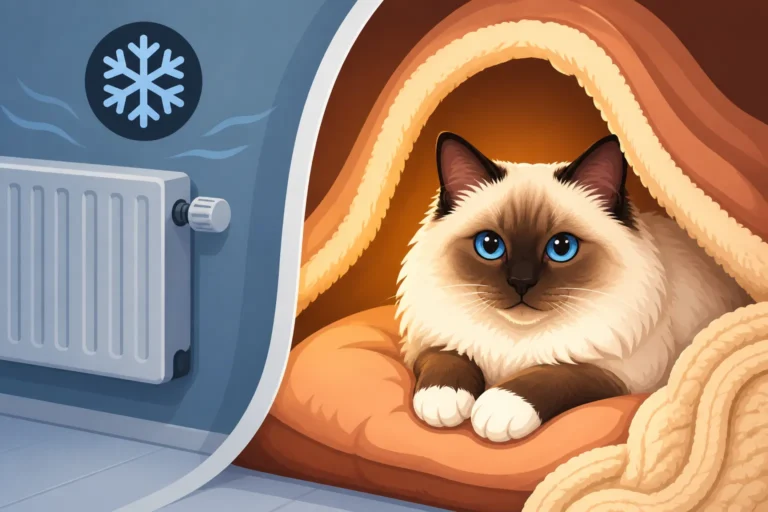
It might sound obvious, but the climate your Birman lives in and the ambient temperature of your home have a significant impact on their point color. If you live in a colder region, or if your home tends to be a bit on the cool side, you might notice your Birman's points deepening more quickly and intensely. Conversely, a Birman living in a consistently warm, tropical climate, or a home kept at a higher temperature, might develop points that are a shade lighter than their cooler-dwelling counterparts.
This phenomenon is so well-known that breeders and owners often discuss How a Birman Living Somewhere Cold Gets Darker. The consistent exposure to cooler temperatures allows the tyrosinase enzyme to work more effectively over a wider area, even slightly extending beyond the traditional "points" as the body adjusts to the environmental chill. It's also why some owners observe that Whether a Birman's Points Lighten in Summer is a real possibility; as summer temperatures rise and your cat naturally seeks cooler spots, their coat might appear a touch lighter than during the colder winter months. These environmental factors create a unique palette for each Birman, making their coat a reflection of their personal climate.
Health and Activity Levels
Beyond age and ambient temperature, a Birman's general health and activity levels can also play a role in how their point coloration develops and changes over time. A cat that is less active, perhaps due to age or an underlying health issue, might have a slightly lower metabolic rate and thus a slightly cooler body temperature. This can contribute to a more pronounced darkening of the points, as the tyrosinase enzyme becomes active in more areas.
For instance, if a Birman is recovering from an illness or injury that requires prolonged rest, you might notice that the fur growing back in certain areas appears darker. This is because the skin underneath might have been cooler for an extended period. Conversely, a very active, spry Birman might maintain a slightly warmer overall body temperature, which could, in some cases, lead to a slightly less intense point coloration compared to a more sedentary cat of the same age and genetics. Of course, maintaining good health with appropriate nutrition and regular vet check-ups is paramount for your Birman's overall well-being, even as you observe these fascinating color changes. Keeping an eye on their weight and activity, and understanding that a sudden, drastic color change could indicate something unusual, is always a good idea, though subtle darkening is perfectly normal.
What to Expect as Your Birman Ages
Observing your Birman's point color evolve over the years is part of the unique joy of owning this breed. It’s a subtle transformation that adds character and depth to their already stunning appearance. Knowing what to expect can help you appreciate these changes and understand the natural progression of their coat.
The Timeline of Color Change
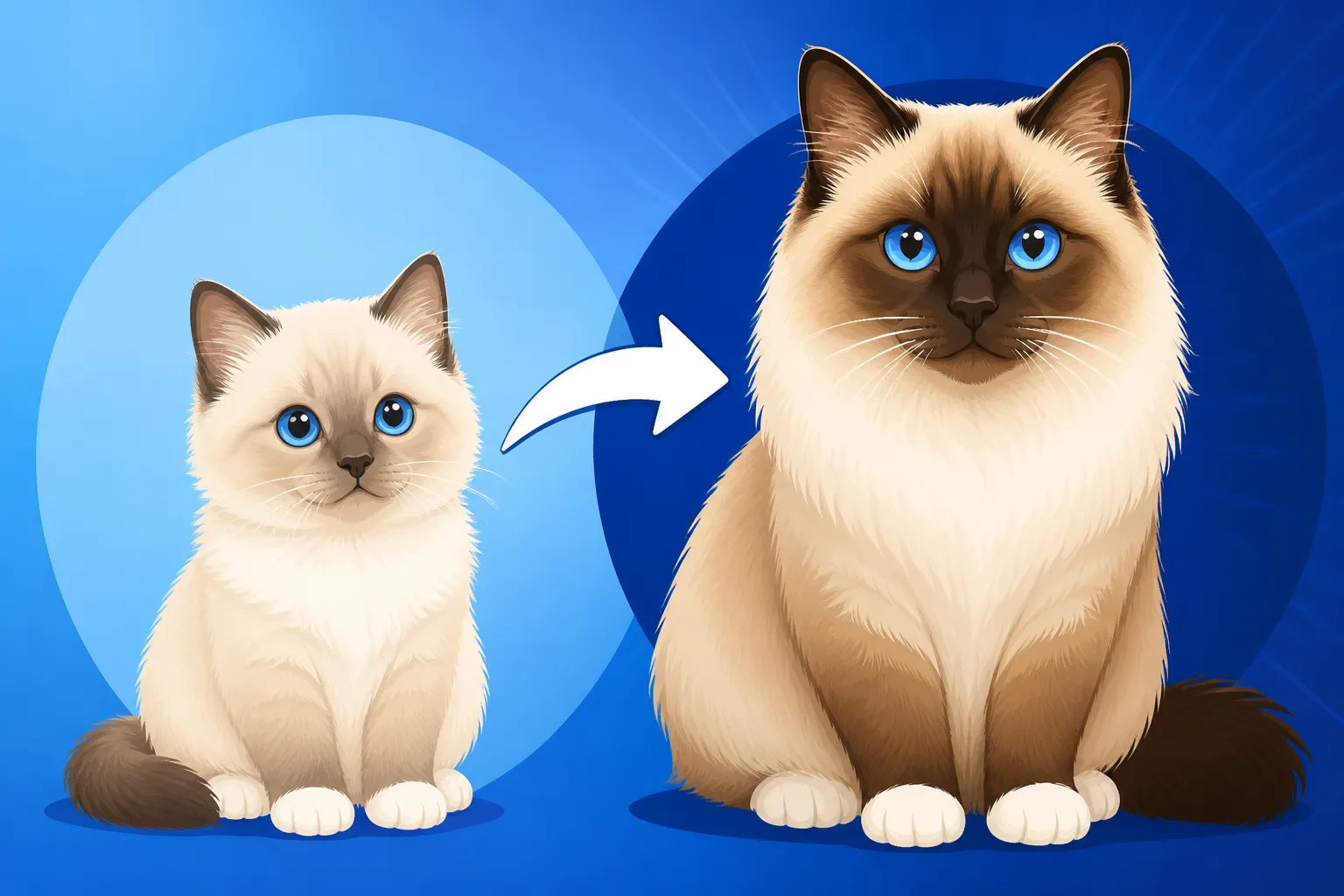
The journey of a Birman's point color begins shortly after birth, as discussed with When a Birman Kitten's Points Start to Show. The initial pastel hues gradually deepen, but the process doesn't stop once they reach adulthood. Most Birmans will continue to see their points darken progressively throughout their lives, often reaching their deepest, richest shades in their middle to senior years. This isn't a rapid shift; it’s a gradual, almost imperceptible evolution that unfolds over many years.
You might notice the most significant darkening between their first and fifth birthdays, as their body matures and stabilizes. After that, the changes become even more subtle, but they are ongoing. The ears might become a deeper shade, the mask on their face more pronounced, and their tail a richer hue. This continuous deepening is a hallmark of the breed and a testament to that temperature-sensitive gene working diligently over time. It's truly a long-term artistic project, painted by nature.
Uniformity vs. Patchiness
When we talk about point darkening, it's often a general, overall deepening of the color on the extremities. However, it's not always perfectly uniform, and some variations are completely normal. You might notice that certain areas, like the tips of the ears or the bridge of the nose, darken more intensely or quickly than other parts of their points. This can be due to localized temperature differences; for example, ear tips are often slightly cooler than other areas.
Sometimes, especially in older cats or those with certain injuries, you might see small patches of darker fur appear in areas that were once lighter. This can happen if a patch of fur is shaved for a medical procedure, and when it grows back, the area has been slightly cooler for a period, allowing more pigment to develop. This isn't a cause for alarm, but rather another interesting manifestation of the tyrosinase enzyme at work. It's all part of the unique charm that is Caring for a Birman Once Its Points Have Gone Dark, as their mature coats take on a distinguished look.
Point Colors and Their Intensity
Different base point colors will naturally darken at varying rates and to different degrees. A Seal Point Birman, for example, which starts with a deep brown-black point color, will typically deepen to an even richer, almost black-brown shade. Their points might become so intense that the individual hairs blend seamlessly. What a Seal Point Birman Looks Like when fully mature is a stunning sight, often with a striking contrast to their cream body.
Blue Point Birmans, starting with a softer grey, will see their points evolve into a darker slate grey. Chocolate Points, with their warm, milk-chocolate hue, will also deepen, becoming a richer, darker brown without losing that characteristic warmth. Lilac Points, the palest of the traditional colors, will deepen from a frosty grey-pink to a more pronounced lavender-grey. Knowing What a Lilac Point Birman Looks Like in its mature state reveals just how much nuance these colors hold. Each color family has its own unique darkening trajectory, adding another layer of beauty to the Birman's already exquisite coat.
| Birman Point Color | Kitten Stage (Approx. 8-12 weeks) | Adult Stage (Approx. 1-3 years) | Senior Stage (Approx. 8+ years) |
|---|---|---|---|
| Seal Point | Pale fawn, light brown | Medium to dark brown | Deep dark brown, almost black |
| Blue Point | Pale grey, cool beige | Medium slate grey | Deep blue-grey, charcoal |
| Chocolate Point | Creamy white, warm beige | Milk chocolate brown | Dark chocolate brown |
| Lilac Point | Frosty white, pinkish-grey | Lavender-grey, dove grey | Deeper lilac-grey |
| Red Point | Creamy white, pale orange | Orange-red, apricot | Deep red, rusty orange |
| Tortie Point | Mixed patches, often indistinct | Distinct patches, deepening | Rich, well-defined patches |
Managing and Understanding the Birman's Changing Coat
While the darkening of your Birman's points is a natural, genetic process, understanding how to support their overall coat health and recognizing when changes might signal something more is an important part of responsible pet ownership. It’s about more than just aesthetics; a healthy coat is often a reflection of a healthy cat.
Diet and Coat Health
Although diet won't directly change the genetic process of point darkening, it absolutely impacts the overall health, shine, and quality of your Birman's coat. A well-nourished Birman will have a soft, silky coat that sheds minimally and has a beautiful luster, regardless of its point intensity. Ensure your Birman receives a high-quality, balanced diet rich in essential fatty acids, particularly Omega-3 and Omega-6. These healthy fats are crucial for skin and coat health, promoting a shiny, supple coat and reducing dryness or flakiness. Many premium cat foods are formulated with these in mind.
Consider foods that list meat as the first ingredient and avoid excessive fillers. Hydration is also key; supplementing dry kibble with wet food can significantly increase their water intake, which benefits everything from kidney function to skin hydration. A hydrated body is a healthy body, and that health often shows through in the quality of their fur. If you're ever unsure about the best diet for your Birman, especially if they have specific health concerns, a chat with your vet is always a good idea.
Grooming for a Healthy, Vibrant Coat
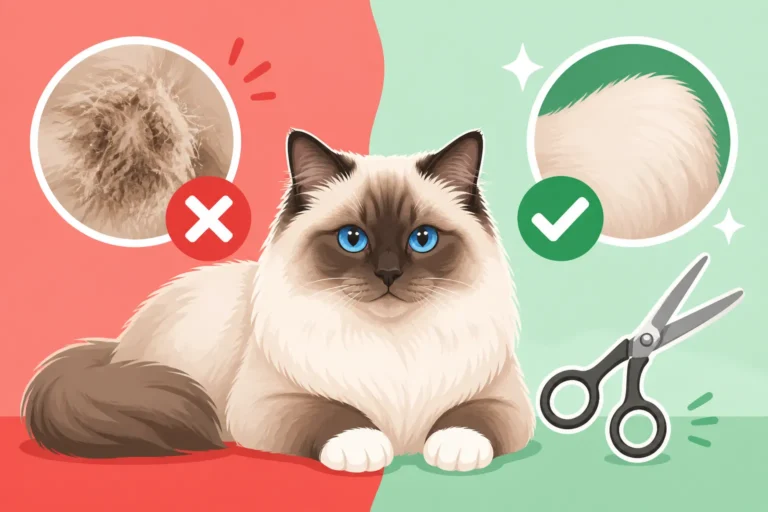
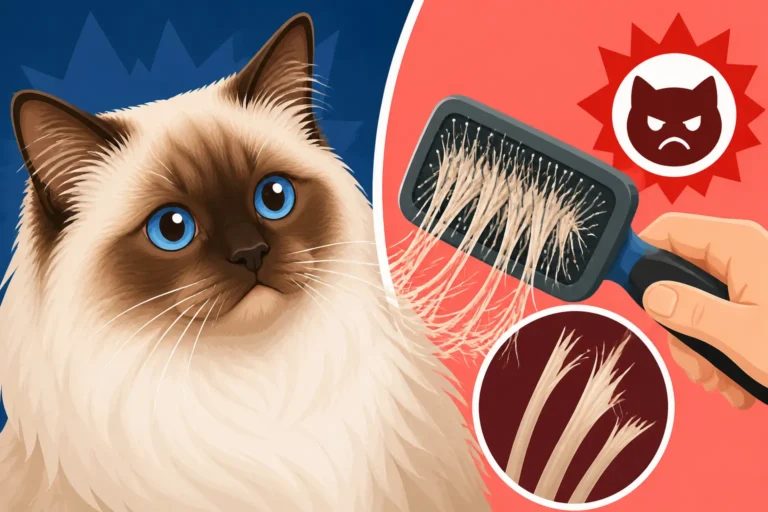
Your Birman's single, silky coat is relatively low-maintenance compared to some other long-haired breeds, but consistent grooming is still essential. Regular brushing, two to three times a week, helps to distribute natural oils, prevent mats, and remove loose hairs. This keeps the coat healthy and vibrant, ensuring that any color changes are a natural progression rather than masked by poor coat condition. A good quality comb that glides through their fur without snagging is an excellent investment. You can find many suitable options on platforms like Amazon.
Focus on the areas where mats are most likely to form, such as behind the ears, under the "armpits," and on their britches. Regular grooming also serves as a bonding experience and an opportunity to do a quick health check. You can gently check for any skin irritations, lumps, or unexpected changes in their fur texture that might warrant further investigation. While grooming won't alter the color deepening, it ensures the beauty of that evolving color is always on display.
When Color Changes Signal Something Else
It’s important to remember that the gradual deepening of your Birman's point color over time is a completely normal and healthy part of their development. However, any sudden or drastic change in coat color, particularly if it's accompanied by other symptoms, could signal an underlying health issue. For example, some nutritional deficiencies or metabolic conditions could, in rare cases, affect coat quality and even pigmentation.
If you notice patches of unusual discoloration, or if your Birman's coat suddenly becomes dull, greasy, or starts to thin in conjunction with a rapid color shift, it's always best to consult your veterinarian. They can rule out any medical causes and provide peace of mind. A healthy Birman will show a beautiful, slow evolution of their points, a testament to their unique genetics and the wonderful journey of aging. Trust your instincts as a pet parent; you know your cat best, and if something seems off, a vet visit is always the safest bet.
Disclaimer
This article is for general informational purposes only and does not constitute professional advice. Laws, prices and regulations vary by location and change over time. Consult a qualified professional for guidance on your specific situation.