How Often a Birman’s Teeth Come Off the Vet’s List
One of the quiet anxieties for any Birman parent is that nagging feeling about their cat's teeth. These beautiful, placid companions are often masters at hiding discomfort, and dental issues can sneak up on them, leading to pain and serious health problems before you even realize anything is amiss. This guide aims to demystify Birman dental care, helping you understand why their teeth need special attention, what to expect from your vet, and how you can be a proactive partner in keeping their pearly whites healthy and their breath fresh for years to come.
Understanding Your Birman's Unique Dental Landscape
It's easy to assume all cats have similar dental needs, but that's just not the case. Your Birman, with its distinctive head shape and genetic background, has a dental landscape that presents specific considerations. Understanding these nuances is the first step toward effective preventive care and knowing what to watch for.
The Anatomy of a Birman's Mouth: More Than Just Pretty Teeth
When you peek inside your Birman's mouth (which, let's be honest, they usually tolerate with surprising grace), you'll notice a rather elegant, somewhat narrow jawline. Birmans typically have smaller mouths compared to some other longhaired breeds, and this anatomical detail plays a significant role in their dental health. Their teeth, like all cats, are designed for tearing and shearing meat, not grinding. They have sharp incisors at the front, longer canines for piercing, and smaller pre-molars and molars further back. While these are perfectly functional for their intended purpose, the crowding that can occur in a slightly narrower jaw can create nooks and crannies where plaque and tartar love to accumulate.
Think of it like this: if you have a tight kitchen with lots of small corners, cleaning can be a real pain. The same applies to a cat's mouth. Those tight spaces between teeth, especially towards the back, become prime real estate for bacteria, food particles, and mineral deposits to set up shop. This environment is ripe for the formation of plaque, which hardens into tartar. And once tartar forms, it's virtually impossible to remove with a toothbrush alone; it needs professional intervention. This is why even a routine How Often a Birman's Narrow Jaw Needs a Scale and Polish conversation with your vet is so crucial.
Why Birmans are Prone to Dental Challenges
Unfortunately, Birmans, like many purebred cats, carry a predisposition to certain dental problems. While their lovely, calm temperament might make you think they're immune to stress-related ailments, their oral health can be quite vulnerable. The primary culprit is periodontal disease, a progressive condition that starts with gingivitis (inflammation of the gums) and, if left unchecked, can lead to painful infections, tooth loss, and even systemic health issues.
Several factors contribute to this vulnerability in Birmans:
- Genetic Predisposition: Some breeds are simply more genetically prone to developing dental disease earlier or more severely. While not as dramatically impacted as some brachycephalic (flat-faced) breeds, Birmans aren't entirely off the hook.
- Diet: A diet consisting solely of soft, wet food, while delicious and hydrating, doesn't offer the same abrasive cleaning action that quality dry kibble can provide. While kibble alone isn't a magical tooth cleaner, certain dental-specific kibbles are designed to help scrape plaque off the tooth surface.
- Lack of Home Care: This is a big one. Without regular brushing or other active dental interventions at home, plaque builds up steadily. Most pet parents struggle with brushing their cat's teeth, and it’s completely understandable. But this is where the vulnerability lies.
- Hidden Pain: Birmans are famously stoic. They don't typically cry out or dramatically show pain, especially when it comes to something like a sore tooth. A Birman might just slowly stop playing as much, eat a little slower, or groom a bit less, subtle changes that can easily be missed or attributed to old age. This placid nature means that Why a Quiet Birman Is Easy to Misread when it comes to illness, including dental issues.
Recognizing these inherent challenges helps you appreciate why a proactive approach to dental care isn't just a suggestion for Birmans – it's a necessity.
The Vet's Role: Routine Check-ups and Professional Cleanings
Your veterinarian is your most important ally in maintaining your Birman's dental health. Regular visits aren't just for vaccinations; they're vital opportunities for professional oral assessment and intervention. Think of it as a partnership where you handle the daily care, and your vet handles the deep dives and necessary heavy lifting.
What Happens During a Regular Vet Visit
During your Birman's annual wellness exam, your vet will perform a basic visual inspection of their teeth and gums. This "awake exam" is a quick check for obvious signs of trouble:
- Gum Health: They'll look for redness, swelling, or bleeding, which are all indicators of gingivitis. Healthy gums should be a pale pink.
- Tartar Buildup: The vet will visually assess the amount of yellowish-brown tartar on the tooth surfaces, especially on the outside of the upper canines and molars.
- Broken or Missing Teeth: Sometimes, a tooth can be fractured or already fallen out due to disease. Your vet will note this.
- Bad Breath: While not a definitive diagnostic tool, unusually foul breath (halitosis) is a strong indicator of bacterial overgrowth from dental disease.
- Oral Masses: Less common, but still important, is checking for any suspicious lumps or bumps inside the mouth.
However, it's crucial to understand the limitations of an awake exam. A cat's mouth is small, and they typically aren't keen on having their teeth thoroughly probed while awake. The vast majority of dental disease happens below the gum line, in the roots and surrounding bone, which cannot be seen without X-rays. A basic visual check only scratches the surface. If your vet notes significant tartar, red gums, or suspect areas, they'll likely recommend a professional dental cleaning under anesthesia for a more thorough investigation and treatment. This is where How Dental Disease Progresses in a Birman becomes a more serious concern if not addressed.
When a Professional Dental Cleaning Becomes Necessary
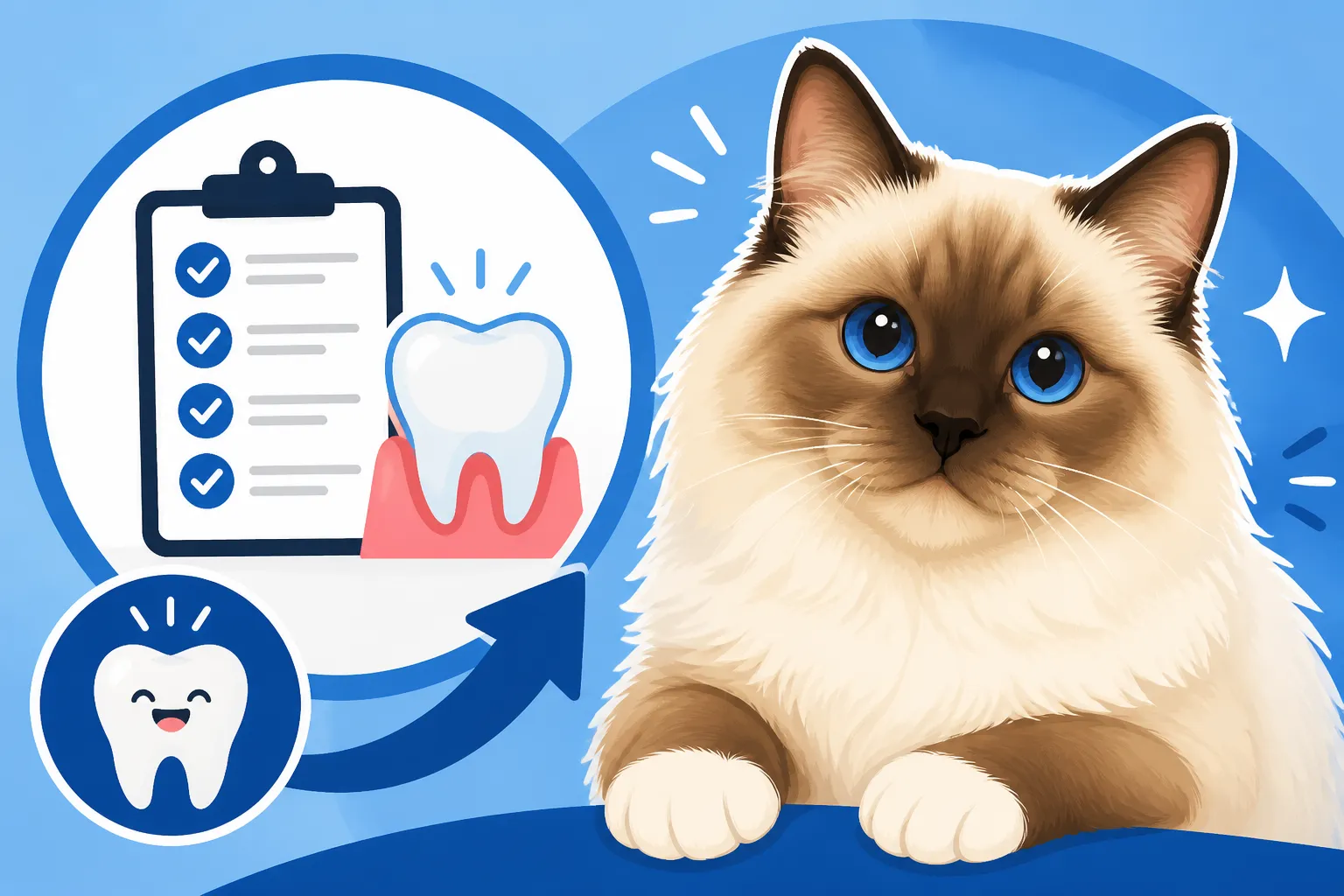
The short answer to "how often a Birman's teeth come off the vet's list" often boils down to when they need a professional cleaning. For most Birmans, this could be every one to three years, but it's highly individual. Factors like genetics, diet, and how diligently you perform home care will influence this timeline.
A professional dental cleaning (often called a COHAT – Comprehensive Oral Health Assessment and Treatment) is not just a cosmetic procedure; it's a medical necessity for your cat's overall health. Here’s what it typically involves:
- Anesthesia: This is essential for proper assessment and cleaning. Your vet will perform pre-anesthetic blood work to ensure your Birman is healthy enough for the procedure. While understandable to be worried about anesthesia, modern veterinary anesthesia protocols are very safe.
- Full Oral Exam: Once your Birman is safely under anesthesia, the vet can perform a detailed examination, charting every tooth. They will carefully probe around each tooth to check for gum recession, pockets, and inflammation.
- Dental X-rays: This is perhaps the most critical part. X-rays reveal the hidden 60% of the tooth structure that lies below the gum line. This is where abscesses, bone loss, root resorption (a painful condition common in cats), and other severe problems are detected. Without X-rays, many painful issues would be missed entirely.
- Scaling and Polishing: Using ultrasonic scalers, similar to those a human dentist uses, the vet will meticulously remove all plaque and tartar from above and below the gum line. This is followed by polishing the teeth to smooth out any microscopic etches, making it harder for plaque to adhere.
- Extractions (if necessary): If X-rays or the oral exam reveal severely diseased, fractured, or painful teeth, these will be extracted. While no one wants their cat to lose teeth, removing a painful, infected tooth dramatically improves their quality of life. The vet will then use sutures to close the extraction sites.
After the procedure, your vet will discuss their findings, any extractions performed, and a plan for post-operative care and ongoing home maintenance. What Cleaning a Birman's Teeth Costs Under Anesthetic is an investment in your cat's comfort and long-term health, and something to budget for as part of responsible Birman ownership.
Owner's Role: Daily Care and Prevention at Home
While professional cleanings are vital, they're only part of the equation. What you do at home, consistently, can significantly extend the time between professional cleanings and prevent severe dental disease from taking hold. This is where you truly become your Birman's dental health advocate.
Brushing: The Gold Standard of At-Home Dental Care
Yes, brushing your cat's teeth is absolutely possible, even with a Birman! It might sound daunting, but with patience and the right approach, many Birmans tolerate it quite well, especially if introduced early as a kitten. Consistent brushing is the single most effective way to remove plaque before it hardens into tartar.
Here’s how to approach it:
- Start Slow and Positive: Don't expect to brush all teeth on day one. Begin by simply getting your Birman used to you touching their mouth. Reward them with praise and treats.
- Choose the Right Tools: You'll need a cat-specific toothbrush (often a finger brush or a small brush with soft bristles) and enzymatic toothpaste formulated for cats. Never use human toothpaste, as it contains fluoride and other ingredients harmful to cats. You can find excellent options on retailers like Chewy or Amazon.
- Introduce Toothpaste: Let your Birman taste the toothpaste from your finger first. They often enjoy the poultry or fish flavors!
- Gradual Introduction to Brushing: Once they're okay with the taste and mouth touching, gently lift their lip and try to brush just a few teeth, focusing on the outside surfaces (this is where plaque builds up most). Aim for the gum line.
- Consistency is Key: Ideally, brush daily. If that's too much, every other day is a good goal. Even a few times a week is better than nothing. Short, positive sessions are always more effective than long, stressful ones.
Remember, the goal is plaque removal. Even if you can only get to the front teeth or a few back molars, you're making a difference. Don't beat yourself up if you can't reach every single tooth perfectly. Introducing a Toothbrush to a Birman Kitten can make this process much easier down the line, as they grow up accustomed to the routine.
Beyond Brushing: Other Tools and Tricks
If brushing proves to be an impossible feat for you and your Birman (and let's face it, some cats just aren't having it, no matter how gentle you are!), there are other supportive measures you can take. While none are as effective as brushing, they can certainly help slow down plaque accumulation.
- Dental Diets and Treats: Look for kibbles or treats that are specifically formulated to help clean teeth. These often have a unique shape, texture, or coatings that mechanically scrub the tooth surface as your cat chews. Always look for products with a Veterinary Oral Health Council (VOHC) seal, which means they've been proven to reduce plaque and/or tartar. You can often find a wide selection of VOHC-approved products on Chewy.
- Water Additives: These products are designed to be added to your cat's drinking water and contain ingredients that can help reduce bacteria or break down plaque. However, make sure your Birman still drinks enough water with the additive; some cats are finicky.
- Dental Wipes: Similar to brushing, but a bit less invasive. You wrap a medicated dental wipe around your finger and gently rub it along your cat's gum line and tooth surfaces. These can be a good stepping stone to brushing or a reasonable alternative for less tolerant cats.
- Chew Toys: While cats aren't typically "chewers" in the same way dogs are, some do enjoy specific rubber or textured toys. The mechanical action can provide a small amount of plaque removal. Always supervise your Birman with any chew toy to ensure it's safe and doesn't pose a choking hazard.
Integrating these methods can create a multi-pronged approach to at-home dental care, supporting your Birman's oral health and helping to reduce the frequency of professional cleanings.
Recognizing the Signs: When to Act Sooner Rather Than Later
Because Birmans are so good at masking discomfort, being vigilant about subtle changes in their behavior or habits is incredibly important. Waiting for obvious signs of pain means the dental disease is likely already quite advanced.
Subtle Clues Your Birman Might Be Hiding Dental Pain
Your Birman might not cry out, but they will give you clues if you know what to look for. These can be very subtle, so regular observation is key:
- Changes in Eating Habits: This is often the first sign. Your Birman might chew more slowly, drop food from their mouth, prefer only soft food, or even hesitate before eating. They might approach the food bowl, seem hungry, and then back away. Why a Birman That Drops Food Has a Mouth Problem is definitely a red flag.
- Halitosis (Bad Breath): While a cat's breath is never truly "minty," unusually foul, persistent bad breath is a strong indicator of bacterial overgrowth and infection.
- Excessive Drooling: If your Birman starts drooling more than usual, especially if the drool is tinged with blood, it's a sign of oral pain or infection.
- Facial Swelling or Rubbing: Swelling on one side of the face, or your cat frequently rubbing their face against furniture or pawing at their mouth, can indicate a painful tooth or abscess.
- Changes in Grooming: A Birman with oral pain might stop grooming themselves as meticulously, leading to a duller, unkempt coat. Grooming around the mouth or face might become particularly difficult.
- Irritability or Hiding: While rare for such a placid breed, increased irritability, reluctance to be petted around the head, or spending more time hiding can be a sign they're in pain. Why a Birman That Stops Following You Needs a Vet for any behavioral change, including those that might point to dental pain.
If you notice any of these signs, don't wait. Schedule a vet appointment right away. The sooner dental disease is caught, the easier and less invasive the treatment tends to be.
The Consequences of Neglected Dental Health
Ignoring dental problems in your Birman isn't just about bad breath or a lost tooth; it has far-reaching consequences for their entire body. The mouth is a gateway to the rest of their system, and infections there don't stay contained.
- Pain and Discomfort: This is the most immediate and impactful consequence. Cats with dental disease live with chronic pain, which affects their appetite, energy levels, and overall quality of life. Imagine having a constant toothache – it's no fun for anyone.
- Tooth Loss: Advanced periodontal disease destroys the supporting structures of the teeth, leading to loose, painful teeth that eventually fall out or need to be extracted.
- Jaw Bone Loss and Fractures: Severe infection can erode the jaw bone, making it brittle and susceptible to fractures, especially in the delicate lower jaw.
- Systemic Infections: The bacteria from dental infections don't stay in the mouth. They can enter the bloodstream and travel to major organs, including the heart, kidneys, and liver, causing secondary infections and worsening existing conditions. For example, a severe dental infection can put added strain on kidneys, which is a concern given that Why Birman Kidney Disease Is Watched From Middle Age.
- Decreased Appetite and Weight Loss: Painful teeth make eating difficult. Over time, this can lead to a significant decrease in food intake and subsequent weight loss, further compromising your Birman's health.
Ultimately, keeping your Birman's teeth off the vet's "problem list" requires a consistent, proactive approach from kittenhood through their senior years. It's an ongoing commitment to their comfort and well-being, ensuring they can enjoy their food, play, and cuddle without the silent burden of oral pain.
Disclaimer
This article is for general informational purposes only and does not constitute professional advice. Laws, prices and regulations vary by location and change over time. Consult a qualified professional for guidance on your specific situation.