Whether a Fountain Gets a Birman Drinking More
One of the most common worries for us cat parents is whether our furry companions are truly getting enough to drink. It's a silent struggle many Birmans face, often because they’re just not wired to seek out still water. If you've ever watched your beautiful Birman sniff at their water bowl and then walk away, you know that little pang of concern. This guide is here to explore a popular solution: the cat water fountain, and whether it can genuinely encourage your Birman to hydrate more consistently.
The Stubborn Reality of Cat Hydration (and Why Your Birman is No Exception)
It’s easy to look at our domestic cats and forget their wild roots, but those instincts run deep, especially when it comes to something as fundamental as water. We want them to drink freely from a bowl, but their ancient programming often tells them otherwise.
Why Cats Are Naturally Poor Drinkers
Believe it or not, our beloved housecats, including the regal Birman, are descended from desert-dwelling ancestors. In that harsh environment, water wasn't always readily available, so cats evolved to get most of their necessary moisture directly from their prey. Think about it: a mouse is about 70-80% water. If a wild cat was consistently catching and eating fresh prey, it wouldn't need to drink much standing water at all. This incredible adaptation means that your Birman's body is still somewhat expecting a high-moisture diet, and its thirst drive might not kick in as strongly as ours does, even when it’s slightly dehydrated. It’s no wonder they often seem indifferent to a bowl of perfectly good water.
This ancient hardwiring is why so many cat owners feel a deep frustration watching their feline friends ignore what seems like a perfectly adequate water source. You put down fresh, clean water, maybe even change it multiple times a day, only for it to sit untouched while your Birman saunters past. It’s not that they're being rude; it's just that still water doesn't trigger their natural inclination to drink in the same way it might for other animals. Understanding this makes it easier to empathize with their behavior and seek out solutions that appeal to their inherent instincts, rather than trying to force them into a human-centric hydration habit.
The Birman's Unique Hydration Needs and Risks
While all cats can benefit from increased hydration, Birmans have particular reasons why getting enough water is exceptionally important. This breed, like many others, can be prone to certain health issues where good hydration plays a crucial preventative or management role. For instance, Why a Birman's PKD History Makes Water Intake Matter is a topic often discussed, as adequate water intake can help support kidney function and potentially slow the progression of kidney-related issues. It’s not a cure, of course, but it’s a vital part of proactive care.
Beyond specific genetic predispositions, consistent hydration is foundational for overall health, impacting everything from urinary tract health to coat quality and digestive regularity. A Birman's placid temperament, while endearing, can sometimes work against us when it comes to spotting illness. Why a Quiet Birman Is Easy to Misread is a real concern, as they might hide discomfort or subtle signs of dehydration for longer than a more vocal or overtly energetic cat. This makes it even more important for us to be proactive in encouraging them to drink, rather than waiting for obvious signs of trouble. Knowing how much water a Birman should ideally get through in a day can be a useful benchmark for concerned owners. How Much Water a Birman Should Get Through in a Day.
How Water Fountains Address a Cat's Instincts
So, if still water bowls aren't always cutting it, what's the alternative? This is where the magic of a water fountain often comes into play. It taps directly into those ancient feline instincts we just talked about, making hydration far more appealing.
The Allure of Running Water
Imagine being a wild cat. A still puddle on the ground might be contaminated or stagnant, an invitation to illness. But a babbling brook or a trickling stream? That’s fresh, safe, and clean water. Our domestic cats retain this deeply ingrained preference. The sound and sight of moving water instinctively signal freshness to them. It’s perceived as being safer and more appealing than static water. This is why you might find your Birman fascinated by a dripping faucet or even trying to drink from the shower – the running water is irresistible.
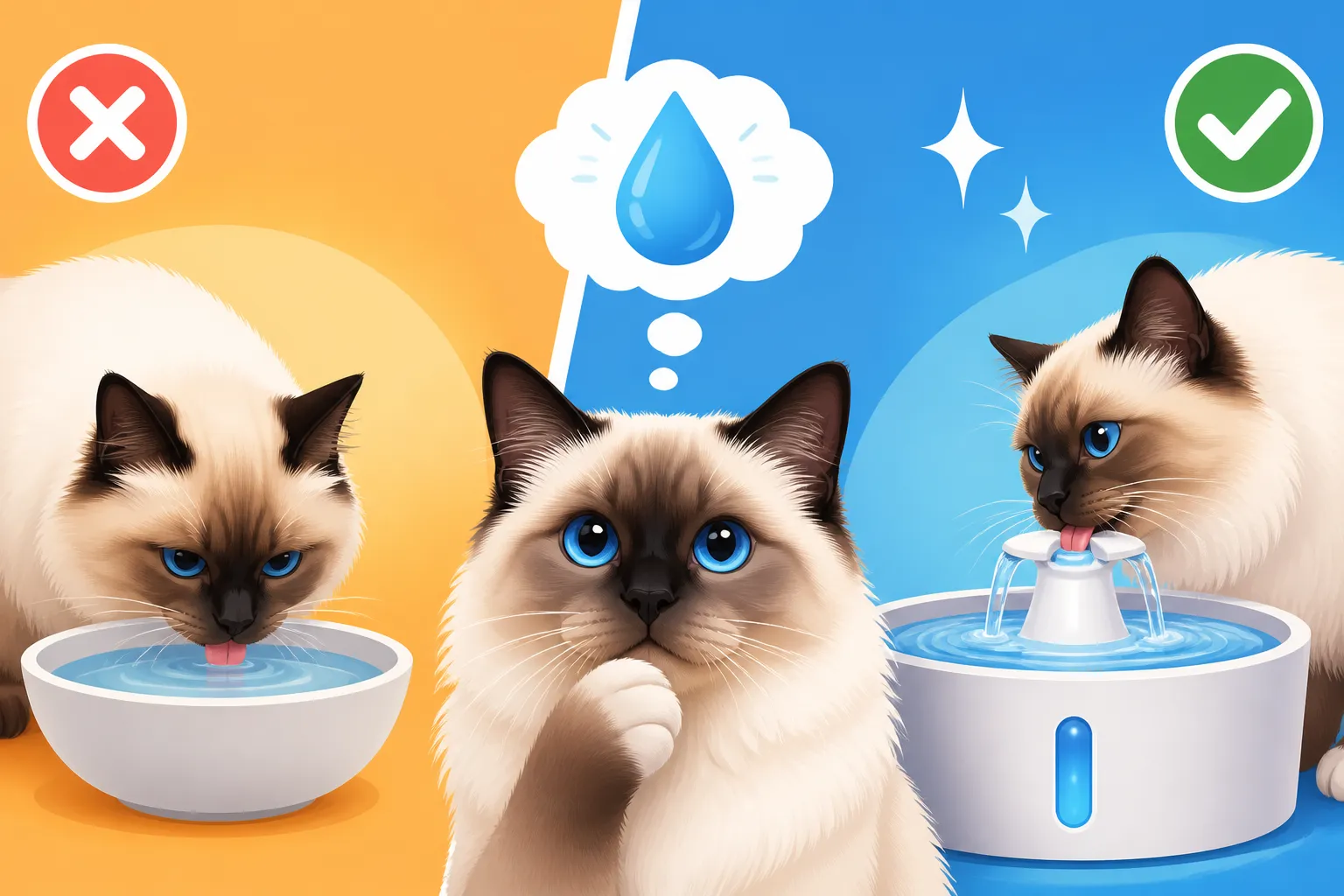
A cat water fountain mimics this natural source, providing a constant flow that appeals directly to this instinct. It’s not just the movement; it's the subtle gurgle, the ripple, the way the surface is always changing. This makes the water more enticing and less like a potential hazard. Furthermore, running water is often cooler and more oxygenated than still water in a bowl, which can also make it taste better to a discerning feline palate. For a Birman that's usually so calm and undemanding, this simple stimulation can be enough to pique their interest and encourage those vital sips throughout the day.
Different Types of Fountains and Their Appeal
Once you decide to try a water fountain, you'll quickly realize there's a whole world of options out there! They come in various designs, from bubbling springs to cascading waterfalls, each offering a slightly different appeal. Some Birmans might prefer a gentle bubble, while others are drawn to a wider, more pronounced flow. Materials also vary widely, typically including plastic, ceramic, and stainless steel, and each has its own set of pros and cons.
Plastic fountains are usually the most affordable and lightweight, making them easy to move and maintain. However, some cats (and their owners) prefer to avoid plastic due to concerns about bacteria buildup on microscopic scratches or the possibility of "plastic chin acne." Ceramic fountains are often heavier and more aesthetically pleasing, blending well with home decor. They tend to stay cooler and are generally easier to keep pristine, reducing the risk of bacterial growth. However, they can be more fragile if dropped. Stainless steel fountains are another excellent option, known for their durability, hygiene, and modern look. They are typically resistant to scratches, easy to clean, and don't harbor bacteria. When choosing, consider not just your Birman’s potential preference (though that might take some trial and error!), but also your ability to keep it consistently clean. You can often find a good selection of various types of fountains on sites like Chewy or Amazon, allowing you to compare features and read reviews from other cat owners.
Here's a quick comparison of common fountain materials:
| Material | Pros | Cons | Birman Preference Considerations |
|---|---|---|---|
| Plastic | Lightweight, affordable, variety of designs. | Can scratch easily, potentially harbor bacteria (biofilm), may cause "plastic chin acne" in sensitive cats, some cats dislike plastic taste. | Good for a trial run due to low cost, but observe for skin irritation or reluctance. |
| Ceramic | Heavier, stable, aesthetically pleasing, easy to clean (when glazed), keeps water cooler, less likely to scratch. | More fragile (can break if dropped), often higher initial cost, can be heavy to move for cleaning. | Excellent for hygiene and stability; beautiful designs can blend well with home environments. |
| Stainless Steel | Highly durable, very hygienic (non-porous), resistant to scratches, easy to clean, generally dishwasher safe. | Often more expensive than plastic, can be noisy depending on water level, some cats may dislike metallic taste (rare). | A top choice for long-term hygiene and durability; quiet models are best for a placid Birman. |
The Practicalities of Introducing a Water Fountain to Your Birman
So you've chosen a fountain – great! But don't expect your Birman to immediately ditch their old bowl and start guzzling. Cats are creatures of habit, and introducing something new requires a bit of strategy and a whole lot of patience.
Placement and Patience are Key
The first rule of introducing a new water source is: don't get rid of the old one immediately! Your Birman needs time to adjust and investigate the fountain on their own terms. Place the fountain in a quiet, accessible spot where your cat already feels comfortable, but crucially, away from their food bowl and especially their litter box. Cats instinctually don't like to drink near where they eat or eliminate. Think about it: in the wild, water sources near kills or waste might be contaminated. This instinct still holds true for your Birman. A good distance, even just a few feet, can make all the difference.
Once it's set up and running, simply let your Birman discover it. Resist the urge to pick them up and place them in front of it or try to force them to drink. This can create a negative association. Instead, try dropping a favorite treat near the fountain to encourage a positive initial interaction. You might even find them watching it for a few days, observing the moving water with curiosity before taking a tentative sip. Some Birmans are bolder than others, but patience is always a virtue. Remember, your goal is to make drinking an enjoyable and natural activity, not a chore.
Maintenance Matters for Continued Interest
A water fountain is only as good as its cleanliness. If you don't keep it meticulously clean, it can quickly become counterproductive. Just as a stagnant bowl deters a cat, a dirty fountain with slime, hair, or food particles will do the same. Running water helps, but it doesn't eliminate the need for regular cleaning. You should aim to clean the fountain at least once a week, thoroughly scrubbing all components to prevent biofilm (that slippery, slimy buildup) and bacterial growth. Some parts, especially the pump, can gather debris and need a good rinse.
Beyond daily water changes and weekly scrubbing, filter replacement is critical. Most fountains use charcoal or activated carbon filters to remove impurities, odors, and tastes from the water, keeping it fresh and appealing. These filters typically need to be changed every 2-4 weeks, depending on the model and how many cats are using the fountain. Neglecting filter changes can lead to water that tastes bad or even becomes unhealthy, which will quickly deter your Birman from drinking. Always follow the manufacturer's recommendations for cleaning and filter replacement, and make sure to have spare filters on hand. Brands like Chewy and Amazon are reliable sources for replacement filters for most popular fountain models. Consistently clean water will not only encourage drinking but also contribute to your Birman's overall health and well-being, helping to support their kidneys over the long term.
Beyond the Fountain: Other Ways to Boost Your Birman's Water Intake
While a water fountain can be a fantastic tool, it's not the only arrow in your quiver when it comes to boosting your Birman's hydration. A multi-pronged approach is often the most successful strategy to ensure they're getting all the moisture they need.
The Power of Wet Food
If there's one golden rule for cat hydration, it's this: feed wet food. This goes back to their desert ancestors' reliance on prey for moisture. A diet primarily composed of dry kibble leaves your Birman in a constant state of mild dehydration, no matter how much they drink from a bowl or fountain. Why Kibble Alone Leaves a Birman Short of Water is a critical insight for any cat owner. Wet food, by its very nature, is typically 70-80% water, much like natural prey.
Even if you can't switch entirely to wet food, incorporating it into their diet, even just once a day, can make a significant difference. Choosing high-quality, palatable wet food is key. Which Wet Food Suits a Birman's Kidney History might guide you towards options that are lower in phosphorus and sodium, further supporting kidney health. For particularly finicky drinkers, you can even add an extra tablespoon or two of water or low-sodium broth to their wet food to sneak in more moisture. Most Birmans won't even notice the addition and will happily lap it up. This simple dietary adjustment is often the most effective way to ensure consistent hydration.
Creative Hydration Hacks
Beyond fountains and wet food, there are several other tricks you can employ to make water more appealing to your Birman. Variety and accessibility are your best friends here. Start by placing multiple water stations around your home. Different locations might appeal to different moods or preferences. Consider using wide, shallow bowls made of ceramic or stainless steel. Many cats dislike their whiskers touching the sides of a deep bowl while drinking, a phenomenon known as "whisker fatigue." Why a Birman's Whiskers Need Bowl Room can make a surprisingly big difference to their comfort.
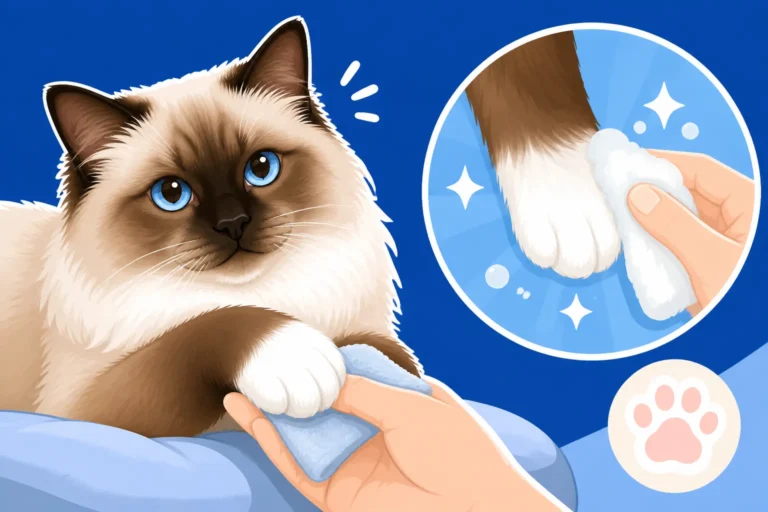
Adding a few ice cubes to their water bowl can make it more refreshing, especially in warmer weather, and the novelty might encourage them to investigate. For truly stubborn drinkers, you could try offering "flavored" water, such as a tiny splash of tuna water (from tuna in spring water, not oil!) or unsalted, unseasoned bone broth mixed heavily with fresh water. Be cautious with additives, as too much can upset their stomach, but a very dilute solution might tempt them. Just be mindful of their beautiful white gloves; sometimes these creative solutions can lead to a bit more mess! How to Keep a Birman's Gloves Clean with a damp cloth after an adventurous drink might become part of your routine. Remember, every little bit of moisture counts towards their long-term health and helping them live The Twelve to Sixteen Years a Birman Usually Gets.
Disclaimer
This article is for general informational purposes only and does not constitute professional advice. Laws, prices and regulations vary by location and change over time. Consult a qualified professional for guidance on your specific situation.