Which Litter Leaves a Birman’s Gloves Clean
Oh, those beautiful white gloves of a Birman cat! If you're a Birman parent, you know the struggle is real. One minute they're pristine, the next they've taken a deep dive into the litter box, emerging with little bits clinging to their delicate toe tufts, leaving a trail of tiny surprises across your clean floor. It’s frustrating, isn't it? You adore their gorgeous white socks, but keeping them spotless in a world full of dusty, clingy litter feels like a never-ending battle. This guide is here to walk you through choosing the best litter to protect those signature Birman gloves and keep your home a little cleaner in the process.
The Unique Challenge of Keeping Birman Gloves Pristine
Let's be honest, those stunning white "gloves" on a Birman are a huge part of their charm, but they also present a unique grooming challenge. It's not just about aesthetics; dirty paws can lead to other issues for your beloved feline friend.
Why Those Gorgeous White Gloves Get So Grubby
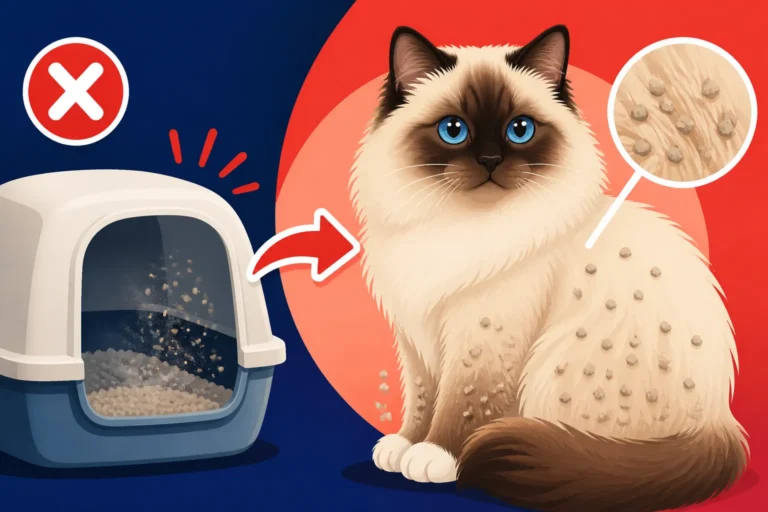
Your Birman's coat isn't just long; it's unique. Unlike many longhaired breeds with a thick, woolly undercoat, Birmans boast a single, silky layer that just glides through your fingers. While this means less matting for you to deal with, it also means their fine fur, especially on their paws and between their toes, can act like a static-charged magnet for all sorts of tiny particles – including litter. Imagine walking through a dusty room with a silk scarf trailing behind you; it’s bound to pick things up. That’s essentially what happens to your Birman’s elegant feet every time they visit the litter box.
The fur on their "gloves" is quite dense and extends right down to their paw pads. This means there's ample surface area for litter particles to adhere to, both inside and outside the box. Every digging motion, every step, every attempt to cover their business results in tiny grains becoming entangled in those delicate white tufts. And because the gloves are white, every speck of dust, every fleck of clay, every tiny piece of tracked litter stands out like a beacon. You can't just ignore it; it's glaringly obvious. This makes keeping them clean a constant consideration, influencing everything from your choice of litter to your cleaning habits. Why Litter Discolors a Birman's White Feet explains more about why those white areas get stained.
Furthermore, a Birman's natural oils in their fur can sometimes make litter particles adhere even more stubbornly than you'd expect. It's not just superficial dirt; sometimes, the oils can bind fine dust or moisture-laden litter to the fur, leading to actual discoloration over time rather than just loose debris that can be brushed off. This can leave their beautiful white gloves looking perpetually dingy, no matter how much you try to comb them clean. It's a frustrating cycle that makes the right litter choice even more critical.
The Hidden Damage: Beyond Just Unsightly Paws
While the visual aspect of dirty gloves is a primary concern for most Birman owners, there are more serious implications that go beyond just aesthetics. Constant contact with certain types of litter can pose genuine health risks and discomfort for your cat.
Firstly, think about irritation. Litters that are particularly dusty or have sharp, coarse granules can be abrasive to your Birman's sensitive paw pads and the delicate skin between their toes. Imagine walking barefoot on gravel all day – it would be incredibly uncomfortable! Over time, this constant irritation can lead to dryness, cracking, or even minor skin infections if the skin barrier is compromised. You might notice your Birman licking their paws excessively, which can be a sign of discomfort or irritation.
Secondly, there's the ingestion risk. Birmans are meticulous groomers, as are most cats. Whatever sticks to their paws, they will inevitably try to clean off and ingest. If your litter is dusty, or contains dyes, perfumes, or other chemicals, your Birman is consuming small amounts of these substances daily. While most litters are formulated to be non-toxic, continuous ingestion of fine dust particles can potentially irritate their respiratory or digestive systems. It's an unseen burden that can impact their long-term health.
Lastly, consistent discomfort or irritation can lead to behavioral changes. If their paws are constantly dirty or uncomfortable, your Birman might develop an aversion to the litter box itself, leading to inappropriate elimination elsewhere in the house. Or, conversely, they might start over-grooming their paws in an attempt to alleviate the discomfort, which can lead to skin lesions or hair loss. It's a subtle but significant impact that choosing the wrong litter can have on your Birman's overall well-being.
What to Look For: Key Litter Qualities for Birman Parents
When you're trying to keep those lovely Birman gloves pristine, not all litters are created equal. You need to prioritize certain qualities to minimize mess and maximize comfort for your cat.
Dust Control: The Number One Priority
When it comes to your Birman's pristine white gloves, and frankly, their respiratory health (and yours!), dust control is paramount. High-dust litters are the nemesis of white paws and clean homes.
Imagine your Birman enthusiastically digging in the litter box, sending a cloud of fine dust into the air. This dust doesn't just settle on surfaces around the box; it clings to your Birman's silky fur, especially those beautiful white gloves. It infiltrates the delicate fur between their toes, leaving a dingy, grey residue that's incredibly difficult to remove entirely. It’s not just a superficial layer; it can actually embed itself in the coat, leading to persistent staining. Beyond the aesthetic nightmare, this dust is also a concern for respiratory health. Both you and your Birman are inhaling these fine particles, which can irritate nasal passages, trigger allergies, and potentially contribute to more serious respiratory issues over time. Why Dusty Litter Ruins a Birman's Gloves elaborates on this.
When brands claim "low dust" or "99% dust-free," it’s important to understand what that truly means. "Low dust" usually signifies a significant improvement over traditional clay litters, but it might not be entirely dust-free. You might still see a faint haze when you pour it or when your cat digs vigorously. "99% dust-free" is a higher standard, often achieved through specialized manufacturing processes that minimize fines. To test a new litter, try pouring a small amount into the box; if a visible cloud rises, it's probably not ideal for your Birman's gloves. Also, observe your Birman after they use the box – are their paws immediately grayed?
The consequences of choosing a high-dust litter extend beyond just dingy paws. The constant exposure to dust can cause your Birman's eyes to water or discharge, and even lead to sneezing. You might also notice a fine layer of dust on your furniture near the litter box, requiring more frequent cleaning. For your Birman, their magnificent coat and delicate white gloves deserve a litter that won't compromise their cleanliness or their health.
Tracking Prevention: Keeping Litter in the Box (Mostly!)
After dust, tracking is the next big challenge for Birman parents. Those little granules making their way across your house are not only annoying but also contribute directly to dirtying those white gloves.
There are essentially two main ways litter tracks: "cling-on" and "carry-out." Cling-on tracking happens when fine, lightweight particles stick to your Birman's fur due to static electricity or natural oils. Given the Birman's silky, long coat, this is a significant issue. Carry-out tracking occurs when larger particles get caught in their paw pads or between their toes and are simply carried out of the box with each step. Because Birmans have relatively long fur on their feet and between their toes, both types of tracking are a concern, as those white "gloves" are perfectly designed to transport litter from one place to another.
The size and shape of litter particles play a huge role in how much tracking occurs. Smaller, lighter granules tend to cling more readily to fur and are more easily scattered by digging. Think about fine-grained clay litters; they stick to everything. Larger, heavier pellets or crystals, on the other hand, are less prone to clinging and are harder for your Birman to kick out of the box. They might still get caught in paw tufts, but they won't scatter as widely. This is why many Birman owners gravitate towards pelletized or crystalline litters.
It's important to have realistic expectations: no litter is 100% non-tracking. Even the best options will see some escape the box. The goal is to minimize it as much as possible. This is where clever strategies like using a larger litter box, strategically placed litter mats, and even trimming the fur between your Birman's paw pads can become essential complementary tools. The less litter that leaves the box, the cleaner your Birman's gloves and your floors will be.
Non-Staining and Odor Management
Beyond dust and tracking, the aesthetic and olfactory qualities of litter are still super important, especially when dealing with those brilliant white gloves. You want a litter that won't contribute to discoloration, while also keeping your home smelling fresh.
When we talk about non-staining, we're primarily looking at two factors: dyes and moisture. Many litters, particularly some scented clay varieties, contain artificial dyes or coloring agents. While these might seem harmless, they have the potential to transfer color to your Birman's pristine white fur, especially if the fur is damp. Just like a white shirt can pick up dye from colored clothing in the wash, your Birman's gloves can pick up color from brightly dyed litter. Opting for natural, uncolored litter is always the safest bet to avoid any accidental staining. Perfumes and artificial fragrances, while not directly staining, can also be irritating to a cat's sensitive nose and skin, and sometimes their residue can attract more dust.
Superior absorbency goes hand-in-hand with preventing stains and managing odor. If urine sits in the litter box without being quickly absorbed, it creates a damp environment where bacteria can thrive, leading to unpleasant smells. More importantly for those white gloves, if the litter remains moist, it's far more likely to wick up the fur on your Birman's paws and legs, leading to both urine stains and the adherence of dirty litter particles. A litter that clumps quickly and firmly, or one that has exceptional moisture-absorbing properties, helps encapsulate waste immediately, reducing both odor and the chance of a wet, dirty paw contact. How Often to Change Litter for a White Footed Cat is a good read on keeping everything fresh.
Effective odor control doesn't have to mean overpowering fragrances. In fact, many Birmans (and their humans) prefer unscented options. Litters with natural odor neutralizers, like activated charcoal, or those with highly absorbent materials that lock away moisture and ammonia, are often the best choice. These materials tackle odors at their source, rather than just masking them, ensuring a fresh-smelling environment without introducing potentially irritating scents or dyes that could stain those precious white gloves.
Decoding Your Litter Options: The Best Choices for Birman Paws
Now that we know what to look for, let's dive into the actual litter types available and how they measure up for your Birman's delicate paws.
The "Gold Standard" for White Paws: Paper and Silica Gel
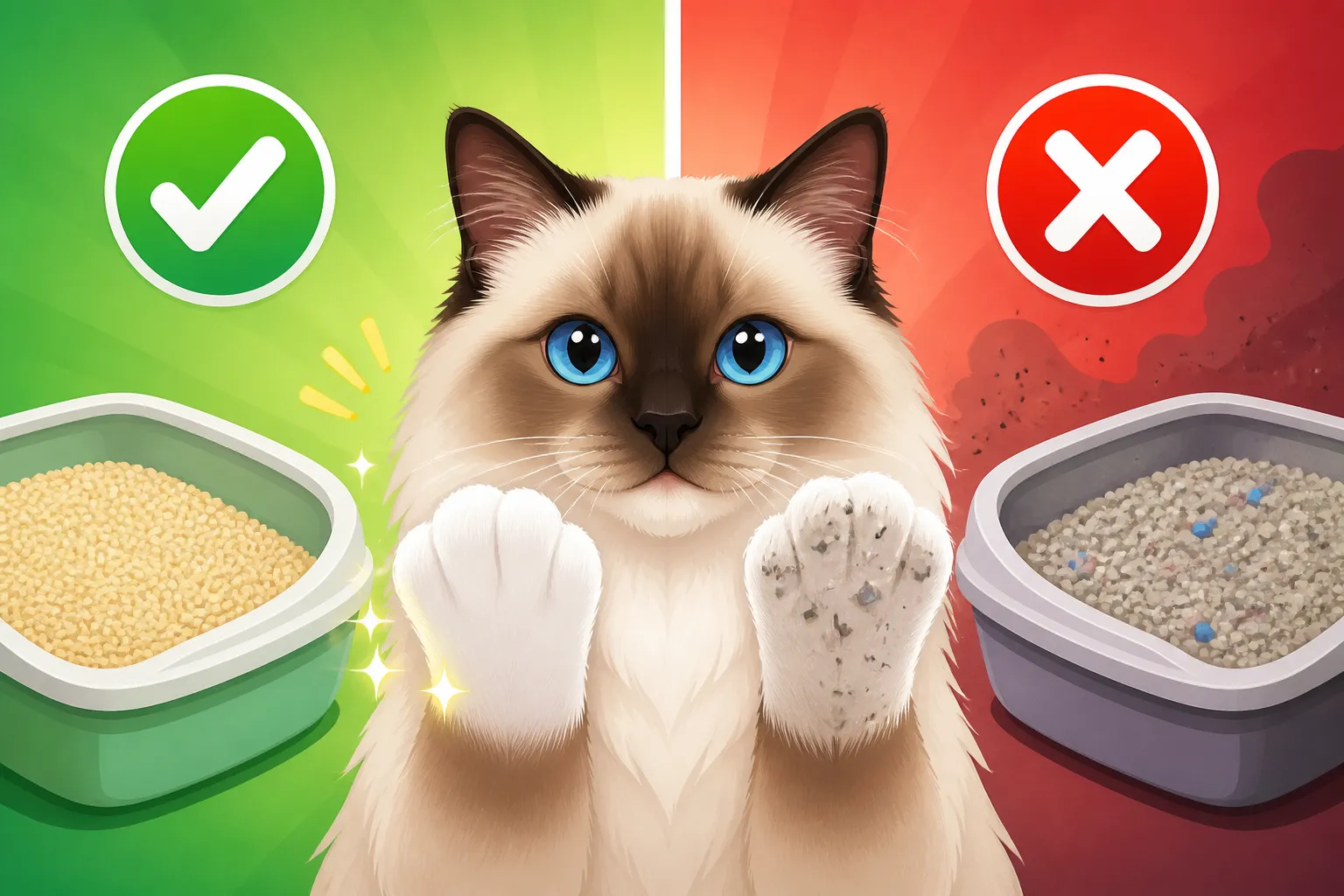
When the goal is to keep those Birman gloves sparkling white, certain litter types consistently rise to the top of the list due to their inherent qualities. Paper and silica gel litters are often hailed as the champions in this particular battle.
Paper pellet litters are often seen as a gentle giant in the litter world, particularly for cats with white paws. Their primary advantage is their virtually dust-free nature. Made from recycled paper, these pellets create almost no fine dust when poured or when your Birman digs, meaning significantly less particulate matter clinging to their fur. They are also non-tracking in the "cling-on" sense, as the larger, heavier pellets don't easily stick to fur. Whether Paper Litter Suits a Birman is a great resource. Paper pellets are highly absorbent, soaking up urine effectively and reducing the chance of damp litter wicking onto those white gloves. However, they typically don't clump, which means you'll need to scoop solids and completely change the litter more frequently to maintain optimal hygiene and odor control. Some cats might also find the texture less appealing than traditional clay.
Silica gel crystal litters are another strong contender, celebrated for their exceptional odor control and low dust. These tiny, hard crystals absorb moisture like sponges, dehydrating solid waste and locking away odors. Because the particles are relatively large and smooth, they tend to track less than fine clay litters, as they don't cling as easily to fur. They are also incredibly low in dust, making them a fantastic choice for keeping white paws clean and minimizing respiratory irritation. You can often find a good selection of these on sites like Chewy, making it easy to compare brands. The downside? Some cats find the texture of the crystals less comfortable on their paws than softer litters, and they can be more expensive upfront. They don't typically clump either, requiring regular stirring and full changes.
When choosing between paper and silica gel, consider your Birman's preference. Some cats adore the soft feel of paper, while others don't mind the crystals. It might take a small trial to see which one your furry friend prefers, but both offer significant advantages in keeping those beautiful white gloves as clean as possible.
Natural and Sustainable Alternatives: Corn, Wheat, and Wood
For Birman parents seeking environmentally friendly options that are also gentle on paws, the world of natural plant-based litters offers a compelling array of choices. These alternatives like corn, wheat, and wood aim to be biodegradable, often low in dust, and can be quite effective.
Corn, wheat, and wood litters have gained popularity for their eco-conscious benefits. Many of these are made from renewable resources and are biodegradable, which is a big win for sustainability. Many of these litters focus on natural ingredients, avoiding artificial dyes and perfumes that could potentially stain or irritate. They often boast good odor control and some varieties even clump quite effectively, making scooping easier. The texture of these litters is generally softer than silica gel, which can be more appealing to sensitive paws.
Each type, however, has its nuances. Corn litter, for instance, is often low dust and clumps well, but some varieties can have a distinct, slightly sweet smell. It can also be susceptible to attracting pantry pests if not stored properly. Wheat litter tends to be very soft on paws, low dust, and has good clumping action, but like corn, it's a lighter material so it can still track a bit. Wood litters come in various forms, from pellets to finely ground shavings. Wood pellets are fantastic for odor control and are very low dust, but they usually don't clump; instead, they break down into sawdust when wet, requiring different cleaning methods. They also offer a very different texture underfoot.
While these natural litters are generally designed to be low dust, it’s always wise to check reviews and observe them yourself. Lighter, plant-based materials, despite their larger granule size, can still be carried out of the box due to their weight. So, while they excel at being non-staining and often low-dust, don't forget that tracking mats and regular cleaning are still your allies. Choosing one of these options, like those often stocked on Chewy or Amazon, means you’re often balancing environmental benefits with acceptable performance for those precious white Birman gloves. Which Litter Suits a White Gloved Cat will give you more ideas.
The Clay Conundrum: When to Use (and Avoid) It
Ah, traditional clay litter. It's the most common, often the most affordable, and many cats absolutely love the familiar texture. However, for Birman owners striving for pristine white gloves, it often presents a significant challenge.
Traditional clumping clay litter is ubiquitous for a reason: it's widely available, typically less expensive, and forms hard clumps that make scooping urine relatively easy. Brands found on Amazon or Chewy offer a vast array of clay options. Many cats, having grown up with it, prefer the feel of fine clay granules under their paws. But here's the conundrum for Birman parents: traditional clay litter is often a notorious culprit for both high dust and extensive tracking. The fine clay particles create plumes of dust when agitated, which then readily cling to your Birman's silky fur, turning those white gloves into a dingy gray mess.
While many manufacturers now offer "dust-free" or "low-dust" clay options, it's crucial to approach these claims with a healthy dose of skepticism. While they are certainly an improvement over older, dustier formulations, they rarely achieve the near-zero dust levels of paper or silica gel litters. The very nature of clay, with its fine particulate structure, makes it inherently prone to some level of dust. This fine dust, even in smaller quantities, can still cling to those white paws and exacerbate respiratory sensitivities for both your Birman and yourself.
So, when should you consider clay? Perhaps if your Birman absolutely refuses all other litter types, and you're willing to commit to an extremely rigorous cleaning routine. If you find yourself in this situation, opt for the hardest-clumping, lowest-dust clay litter you can find. Pair it with extra-large litter mats designed to trap granules, and be prepared for frequent vacuuming around the litter box. But for most Birman owners whose priority is keeping those gorgeous white gloves spotless, clay litter, even the "low-dust" varieties, is usually not the ideal solution and often presents more problems than it solves.
Optimizing the Litter Box Environment for Your Birman
Choosing the right litter is a massive step, but it’s only one part of the equation. To truly ensure your Birman’s gloves stay as white as possible, you need to think about the entire litter box setup and your daily routine.
The Right Box and Companion Accessories
Just as important as the litter itself is the actual litter box and the accessories that go with it. A well-designed litter station can significantly reduce tracking and keep those white gloves cleaner.
First, let's talk about the litter box itself. Birmans are not small cats; they are long and rectangular, with adult males often weighing a good 12-18 pounds and queens only slightly less. They need a spacious box where they can comfortably turn around, dig, and relieve themselves without touching the sides or having to stand in their own waste. A box that's too small forces them into cramped positions, making them more likely to track litter out. Covered boxes versus open boxes is another consideration. While covered boxes can offer privacy and seemingly contain odors, they can also trap humidity, making litter stickier and more likely to adhere to fur. They can also make a Birman feel claustrophobic, leading to a hasty exit that scatters more litter. An open, extra-large box is often preferable for Birmans. Why a Birman Needs a Longer Box Than a Round Cat dives deeper into appropriate box size.
Next, litter mats are absolutely non-negotiable for a Birman owner. Think of them as the first line of defense against tracked litter. There are various types: mesh, grooved rubber, or even grass-like mats. The best ones have textures designed to gently dislodge litter from your Birman's paws as they step out of the box. Place them strategically: a large mat directly in front of the box, and if possible, a smaller one immediately after it. These mats should be easy to clean – shake them out daily and wash them regularly. Without a good litter mat, even the best low-tracking litter will still end up scattered around your home.
Finally, consider the placement of the litter box. A quiet, accessible location that isn't in a high-traffic area is ideal. If your Birman feels rushed or exposed, they might bolt out of the box, increasing the likelihood of tracking. Ensuring they have ample space around the box also means less chance of them brushing against walls or furniture immediately after exiting, potentially leaving a trail of litter on those surfaces too.
A Routine for Impeccable Paws
Even with the perfect litter and an optimized box setup, a consistent routine is what truly seals the deal for keeping your Birman's white gloves impeccable. It's about proactive care and maintaining cleanliness.
The golden rule of litter box hygiene, especially for a white-gloved Birman, is frequent scooping. You should be scooping solids and urine clumps at least twice a day, and ideally more often if your schedule allows. Why is this so crucial? Because if wet litter or waste sits in the box, it becomes a prime candidate for clinging to your Birman's fur. Urine-soaked litter particles are incredibly difficult to remove from white fur without leaving a stain. Prompt removal prevents this adherence and keeps the entire box cleaner and fresher, reducing the chances of any mess transferring to those delicate paws. For tips on managing changes, see How Often to Change Litter for a White Footed Cat.
Beyond daily scooping, a full litter change and thorough box cleaning are essential. Depending on the type of litter you use and the number of cats, this might mean weekly or bi-weekly. Empty the entire box, wash it with mild soap and water (avoid harsh chemicals or strong fragrances), rinse thoroughly, and then refill with fresh litter. This practice eliminates accumulated dust, microscopic debris, and bacteria that can contribute to odor and dirty paws. A clean box encourages your Birman to use it properly and gently.
Finally, don't underestimate the power of regular paw hygiene and grooming. Even with the best litter, an occasional spot clean of your Birman's paws might be necessary. A soft, damp cloth can work wonders after a particularly enthusiastic digging session. Be gentle, and make it a positive experience with treats and praise. Moreover, incorporating gentle combing around your Birman's paws and lower legs into your regular grooming routine can prevent small mats from forming, which are notorious for trapping litter particles. Regularly checking between their toes is also key, as stray bits of litter can get lodged there. How to Keep a Birman's Gloves Clean offers more guidance, and How Often to Check Between a Birman's Toes provides specific tips.
By combining the right litter with a thoughtful box setup and a diligent cleaning and grooming routine, you'll be well on your way to enjoying those stunning white Birman gloves, free from the frustrations of constant litter-related mess.
| Litter Type | Dust Level | Tracking Tendency | Clumping Ability | Odor Control | Paw-Friendliness (Texture) |
|---|---|---|---|---|---|
| Paper Pellets | Very Low | Low | Non-Clumping | Moderate | Soft, Gentle |
| Silica Gel (Crystals) | Very Low | Low-Moderate | Non-Clumping | Excellent | Can be coarse/sharp |
| Corn | Low-Moderate | Moderate | Good | Good | Soft, Fine |
| Wheat | Low | Moderate | Good | Good | Soft, Fine |
| Wood (Pellets) | Low | Low | Non-Clumping | Excellent | Smooth, Hard |
| Clay (Traditional) | High | High | Good | Moderate | Soft, Fine |
| Clay (Low Dust) | Moderate | Moderate-High | Excellent | Good | Soft, Fine |
Keeping your Birman's white gloves clean can feel like a Herculean task, but it's entirely achievable with the right strategy. By prioritizing low-dust, low-tracking, non-staining litters like paper pellets or silica gel, you're already doing wonders for their paw hygiene and your home's cleanliness. Remember to pair your choice with a spacious litter box, effective litter mats, and a diligent scooping and cleaning routine. Those glorious white gloves are one of the Birman's most enchanting features, and with a little effort and the right approach, you can ensure they remain a source of joy, not frustration, for years to come. Your elegant Birman (and your floors!) will thank you for it.
Disclaimer
This article is for general informational purposes only and does not constitute professional advice. Laws, prices and regulations vary by location and change over time. Consult a qualified professional for guidance on your specific situation.