Why a Birman Needs a Longer Box Than a Round Cat
Many Birman cat owners find themselves scratching their heads when their elegant feline starts having accidents outside the litter box, despite being perfectly house-trained. It’s a common and frustrating puzzle: a cat that clearly knows better, yet chooses to relieve itself on a bathmat or a cool tile floor. The truth is, often the issue isn't defiance or a sudden behavioural shift, but rather a simple matter of space. This guide will delve deep into why your graceful Birman, with its long, dignified frame, requires a significantly larger litter box than a more compact cat, and how providing the right dimensions can resolve these puzzling bathroom woes.
The Birman's Unique Proportions: More Than Just a Pretty Face
The Birman cat is undeniably stunning, a magnificent blend of strength and elegance. But beneath that luxurious, silky coat lies a body that is distinctly different from many other popular breeds, and these unique proportions have a profound impact on their daily needs, including their bathroom habits.
The Elegant, Elongated Body Shape
Unlike the "cobby" build of a Persian or the more compact frame of many domestic shorthairs, the Birman possesses a long, rectangular body. They aren't just fluffy; they are genuinely lengthy cats, often surprising owners with just how much they stretch out when fully relaxed. Imagine a sleek, well-muscled athlete rather than a sturdy, round-bodied wrestler. This elongated physique means that while they might not appear exceptionally bulky, they demand considerable horizontal space to manoeuvre comfortably. A typical, standard-sized litter box, designed for the "average" cat, simply doesn't account for this graceful extension.
Their long spine and limbs require a full extension for proper posture during elimination. They don't just squat in one spot; they need to step in, turn around, choose their preferred digging location, and then dig and cover. All of these actions require ample real estate. If you’ve ever seen your Birman lounging, perhaps stretched out completely on a sofa or sunbeam, you’ll have a clear visual of just how much length they can command. This isn't just about their comfort; it's about their inherent need to perform natural behaviours without feeling restricted. Considering How Long a Birman Tom Grows Along the Body can really help put this into perspective.
Why Turning and Positioning Matter
Cats are meticulous creatures, and their bathroom routine is no exception. Before they eliminate, they engage in a ritual: stepping into the box, sniffing, turning around one or more times, and then digging to create a suitable spot. After doing their business, they repeat the digging and covering process with great dedication. For a cat with a long body like a Birman, all these steps require a significant amount of unimpeded space.
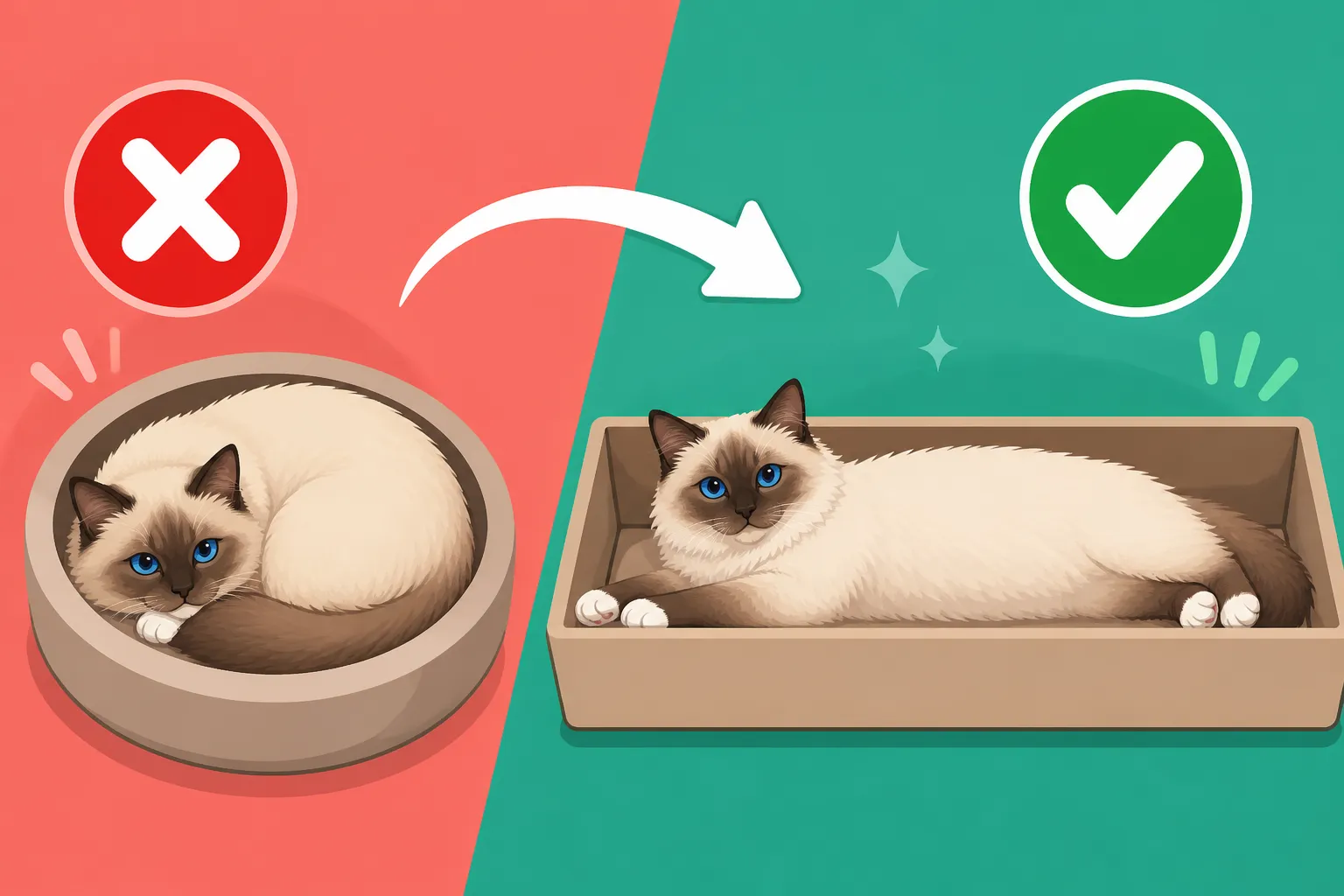
If a litter box is too small, your Birman will find themselves in a conundrum. They might be able to get their front paws in, but their rear end might hang over the edge. Or, they might try to turn around and find their head is pressed against one wall while their tail brushes another, making the full 180-degree rotation awkward or impossible. This isn't just an inconvenience; it can be deeply unsettling for a fastidious animal. Imagine trying to use a public restroom stall that's too small for you to close the door or turn around. You'd likely feel exposed, uncomfortable, and might even avoid it if possible. Your Birman feels much the same. They want to be able to position themselves naturally and comfortably, ensuring they can eliminate cleanly and cover their waste thoroughly. When they can't, it compromises their sense of security and cleanliness, paving the way for those frustrating accidents outside the box.
The Practical Imperative: Dimensions for Dignity and Cleanliness
It's not enough to just buy a "large" litter box. The specific dimensions, especially length, are paramount for a Birman. Getting this right isn't just about preventing accidents; it's about respecting their natural instincts and maintaining their health and hygiene.
The Critical Need for Length and Width
The golden rule for litter box sizing is that it should be at least one and a half times the length of your cat, measured from their nose to the base of their tail. For many Birmans, who can easily measure 18-20 inches or more just in body length, this translates to a box that is at least 27-30 inches long. Most "standard" or even "large" litter boxes fall significantly short of this requirement, often maxing out around 20-22 inches in length. This is where the core problem lies. Your Birman needs to be able to step in, stand fully upright, turn a complete circle, and then assume their squatting position without any part of their body touching the walls or hanging over the edge.
Width is also crucial, but typically, if you get a box that's long enough, the width tends to follow suit. However, ensure there's enough clearance for them to turn comfortably without their whiskers constantly brushing the sides, which can be an annoyance for many cats. It’s also important that the box doesn't have an overly restrictive hood or entry point that makes them feel claustrophobic or requires them to crouch too low to enter. For a truly elegant breed like the Birman, dignity in their elimination space is key.
Here's a quick reference for general cat sizes vs. what your Birman might need:
| Cat Type | Average Body Length (Nose to Tail Base) | Recommended Litter Box Length (1.5x Body Length) | Recommended Litter Box Width |
|---|---|---|---|
| Standard Adult Cat | 12-15 inches | 18-22.5 inches | 12-15 inches |
| Large Breed Cat (e.g., Maine Coon) | 18-22 inches | 27-33 inches | 18-22 inches |
| Birman (Average) | 16-20+ inches | 24-30+ inches | 16-20+ inches |
Containing the Litter and the "Gloves"
Birmans are famous for their luxurious, silky coats and, of course, those pristine white "gloves" on their paws. This distinct feature, while beautiful, adds another layer of consideration when it comes to litter boxes. A small box means your Birman has a higher chance of stepping in or brushing against their own waste, leading to soiled fur. Not only is this unpleasant for you, but it's also highly distressing for a cat that prides itself on cleanliness.
Beyond simply stepping in the waste, their vigorous digging can also cause issues. When a Birman starts excavating in a cramped box, litter is far more likely to be kicked out onto the floor. High sides become incredibly important here, acting as a barrier to contain the flying granules. Furthermore, a long-bodied cat squatting in a small box might find their rear end positioned too close to the edge, increasing the risk of "overshoots" that land outside the box entirely. This creates a hygiene nightmare, not only for your home but also for your Birman's beautiful white paws. Keeping those Which Litter Leaves a Birman's Gloves Clean is a constant battle, and the right litter box can make a huge difference in that fight. Without adequate containment, you'll be constantly cleaning up, and your Birman's meticulous grooming will include consuming whatever particles cling to their fur, which isn't ideal for their health. This also links to Why a Birman's Coat Carries Litter Out of the Box, emphasizing the need for both length and adequate side height.
Behavioural and Health Repercussions of a Cramped Crate
The wrong litter box isn't just an aesthetic inconvenience; it can lead to serious behavioural problems and even impact your Birman's overall health and well-being. Understanding these repercussions can help you appreciate why investing in the right setup is so crucial.
The Silent Protest: Litter Box Aversion
Birmans are known for their gentle, placid, and generally undemanding nature. They aren't typically a breed that will loudly complain or spray to make a point. Instead, their protests are often subtle, and easily misinterpreted as "naughtiness." If your Birman finds their litter box too small, uncomfortable, or unsanitary due to its size, they might simply start avoiding it. This isn't out of spite; it's a logical decision for a clean animal trying to find a more suitable toilet.
You might find them using bathmats, laundry piles, cool tile floors, or even just the spot directly beside the litter box. This "litter box aversion" is one of the most common reasons cats are rehomed, and it's heartbreaking because it's often entirely preventable. The stress of having an inadequate bathroom facility can also manifest in other ways, such as overgrooming, changes in appetite, or becoming more withdrawn. While Birmans are good at hiding discomfort, their quiet nature can make these subtle signs even harder to spot. If your Birman's behaviour changes, particularly around the litter box, it's a huge clue that something isn't right. Understanding What a Stressed Birman Does can help you recognize these more subtle signals before they escalate.
Preserving Paws and Preventing Health Issues
Beyond behavioural issues, a small litter box can have direct impacts on your Birman's physical health and hygiene. When a cat has to squeeze into a tiny space, they might not be able to dig or cover their waste properly. This leaves waste exposed, increasing odors and potentially fostering bacterial growth in the box itself. More critically, it means your Birman's paws and coat are more likely to come into contact with urine and faeces.
For a Birman with those distinctive white gloves, soiled paws are not just unsightly; they're a health risk. Cats are meticulous groomers, and anything on their paws will inevitably be licked off. This means they could be ingesting bacteria or parasites. Chronic exposure to urine can also lead to skin irritation or even urinary tract infections if they're constantly lying in a damp, unsanitary box. Furthermore, as Birmans age, like any breed, they can develop arthritis or other joint issues. Twisting and contorting their long bodies into a small box can become genuinely painful, making them even more reluctant to use it. This is particularly relevant as you consider Caring for an Old Birman That Cannot Reach Its Back, as mobility issues make maneuvering in a tight space even harder. If an older Birman stops using the box, it could well be a sign of discomfort rather than a lapse in training. Observing Why an Old Birman Stops Using the Stairs might also give you clues about their joint health and how a small box could exacerbate discomfort.
Finding the Perfect Fit: Tips for Birman Litter Box Selection
Choosing the right litter box for your Birman doesn't have to be a bewildering task, but it does require a bit more thought than simply grabbing the first "large" option you see. Focus on specific features that cater to their unique build and habits.
Prioritizing "Extra-Long" Over "Extra-Deep"
When you're shopping, resist the urge to simply pick the deepest box, or one that's labelled "jumbo" if its length isn't equally impressive. For a Birman, length is king. They need room to stretch out and turn around comfortably. While depth is good for containing litter, an overly deep box with a small footprint can still feel cramped and might even be difficult for an older or less agile Birman to get into and out of comfortably. Look for boxes marketed specifically for "large cats" or "Maine Coons," as these often have the extended dimensions your Birman needs. Remember, your Birman truly needs Why a Birman Needs a Box Long Enough for Its Body.
Consider the design: open-top boxes are generally preferred by cats as they offer a clear escape route and don't trap odors. Covered boxes, while appealing to humans for aesthetic reasons and odor control, can feel like a cramped, dark cave to a long-bodied Birman, exacerbating the feeling of confinement. The lower ceiling of many covered boxes can also make it impossible for them to stand or turn without brushing their head or back against the lid, which is an immediate turn-off. While they might seem like a good idea for containing mess, often Why a Covered Box Traps Litter in a Birman's Coat is a real issue, as the top can brush against their fluffy tail and britches when they enter and exit.
Where to Source Your Birman's Palace
Once you know what you're looking for, finding the right litter box becomes much easier. Many online retailers offer an extensive selection, allowing you to filter by size and read reviews from other large cat owners. Sites like Chewy and Amazon are excellent starting points. You can often filter results specifically for "extra-large" or "jumbo" litter boxes, and then check the precise dimensions listed in the product details against your Birman's length. Don't just rely on the marketing; always double-check the actual measurements.
Look for brands known for producing sturdy, well-designed pet products. Some owners find success with storage bins or large utility tubs that they modify (by cutting an entrance if necessary), as these can often provide the necessary length and width at a more accessible price point. Just ensure any plastic used is pet-safe and easy to clean. You might also find options at specialist pet stores or breeders who often have experience with large, long-bodied breeds and can offer specific recommendations.
The "More is More" Philosophy
Even with the perfect-sized litter box, quantity and placement still matter. The general rule of thumb is one litter box per cat, plus one extra, and this maxim is even more critical for a fastidious, long-bodied breed like the Birman. If you have multiple Birmans, or even just one, providing multiple spacious options in different, quiet locations around the house can significantly reduce the chances of litter box aversion. Cats often prefer to urinate and defecate in separate spots, or might simply appreciate having options.
Placement is key: choose quiet, private areas where your Birman won't feel ambushed or exposed. Avoid high-traffic areas, noisy appliances, or places where dogs or small children might disturb them. Ensure the boxes are easily accessible, not tucked away in a dark, hard-to-reach corner. If your Birman has to navigate obstacles or feel vulnerable, they're less likely to use the box, no matter how perfectly sized it is. Regular cleaning is also paramount – a large box will still become unappealing if not scooped daily. For white-gloved cats, this is especially true. Regularly changing the litter is vital, and you can learn more about this by reading How Often to Change Litter for a White Footed Cat. By providing ample, appropriately sized, and well-maintained litter boxes, you're not just preventing accidents; you're creating an environment where your elegant Birman can thrive in comfort and cleanliness.
Disclaimer
This article is for general informational purposes only and does not constitute professional advice. Laws, prices and regulations vary by location and change over time. Consult a qualified professional for guidance on your specific situation.