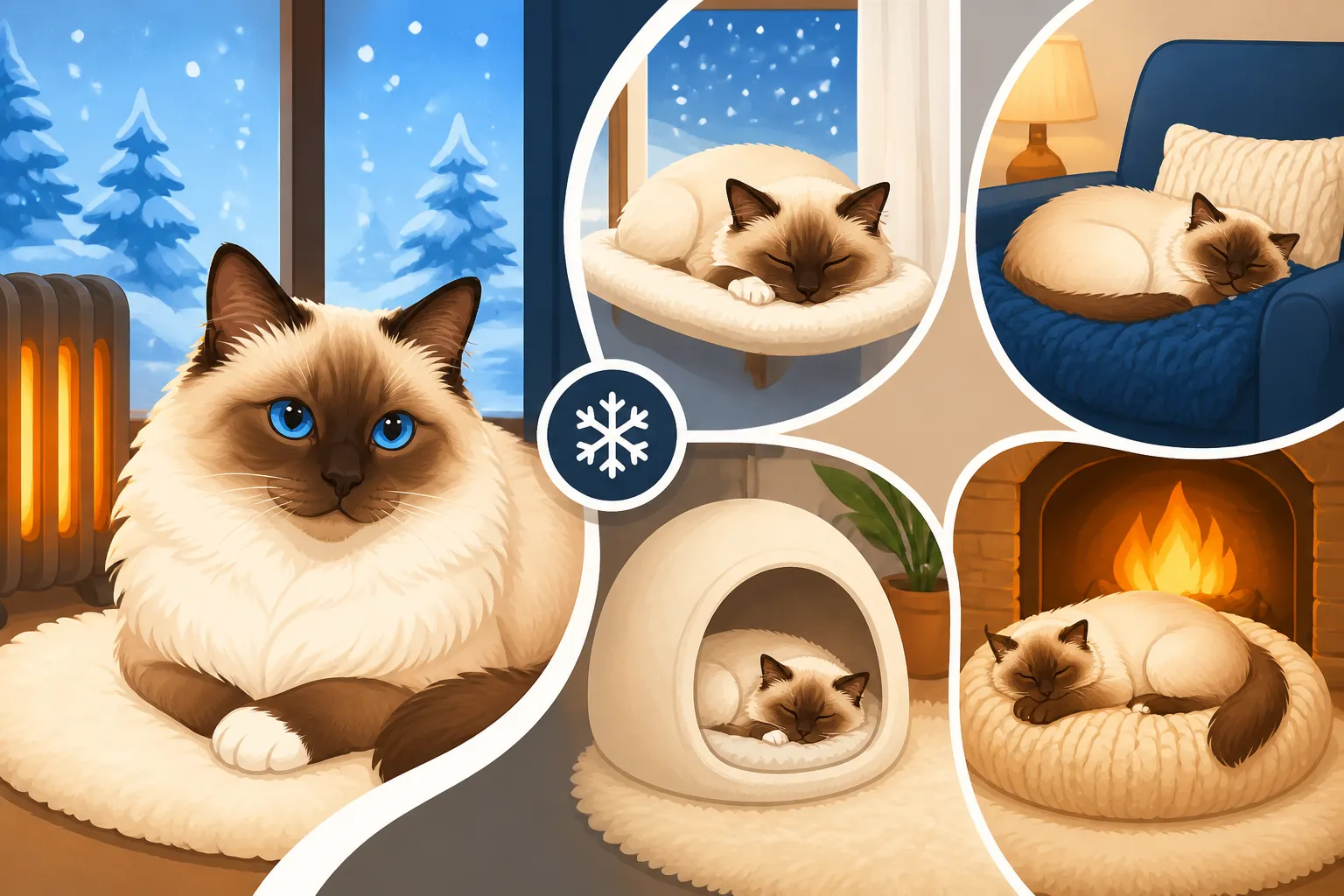
Where a Birman Chooses to Lie in Winter
Winter often brings a unique challenge for us Birman owners: finding our regal, blue-eyed companions curled up in the most unexpected, yet intuitively warm, places. Unlike some other longhaired breeds that boast a dense, insulating undercoat, our Birmans have a silky, single coat that, while beautiful, doesn't always provide the robust insulation needed when the temperatures drop. This guide dives deep into understanding their natural inclination for warmth, uncovering their favorite chilly-weather hideaways, and helping you create the coziest havens for them throughout your home.
The Birman's Unique Coat and Its Winter Implications
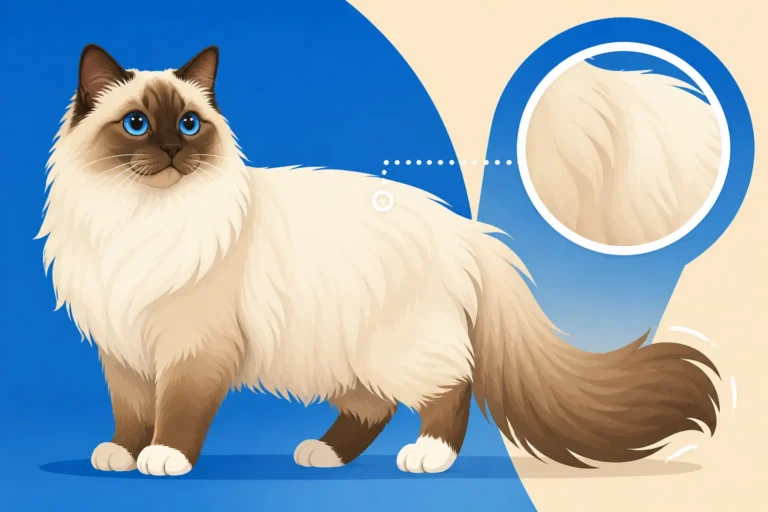
It's easy to look at a Birman's magnificent, flowing fur and assume they're naturally equipped for any cold snap. After all, they're longhaired, right? But here's the kicker: the Birman's coat is actually quite different from many other longhaired breeds. They truly shine with a single coat, meaning they lack the thick, woolly underlayer that offers significant insulation. This characteristic is part of what makes their grooming so manageable, but it also means they don't have that built-in thermal layer some cats enjoy.
Why a Single Coat Means Less Warmth
Imagine wearing a luxurious silk scarf versus a chunky wool sweater in chilly weather. That's a bit like the difference between a Birman's coat and, say, a Persian's. While the Birman's fur is undeniably soft and beautiful, its primary purpose isn't to trap layers of warm air close to their body in the same way a double coat does. This is Why a Birman's Single Coat Never Developed a Woolly Layer and it has real implications for their comfort when the thermostat dips. They rely more on external heat sources, which means they're constantly seeking out the warmest spots in your home. We might find ourselves turning up the heating just for them, only to discover them still seeking out a little extra personal warmth.
How Cold Affects Their Comfort Levels
Because they lack that dense undercoat, Birmans are more susceptible to feeling the cold than many people realize. They might not shiver overtly, given their generally placid nature, but you'll notice subtle cues. They might curl up tighter, seek direct contact with warm surfaces, or become even more of a "velcro cat," preferring to be draped over your lap or tucked in beside you. This isn't just about being cuddly; it’s often a genuine quest for warmth. This is also why you might find your Birman, even if usually quite independent, suddenly becoming your shadow, following you from room to room, just hoping for a warm spot near you. Why a Coat With No Undercoat Is Not Warm highlights this very point; their beautiful fur is more about aesthetics and feel than robust thermal protection.
Birman's Preferred Winter Hideaways
When the cold air starts to creep in, your Birman will become a master detective, sniffing out every available pocket of warmth in your home. Their choices often reflect a blend of their inherent desire for coziness and their strong bond with their human family.
Sunbeams and Warm Surfaces
On a bright winter day, there’s nothing quite like a sunbeam for a Birman. You’ll find them stretched out, luxuriating in every photon of warmth. They'll follow that patch of sunlight across the floor, shifting positions like a slow-moving sundial. When the sun isn't out, their instinct turns to any surface that retains heat: window sills above radiators, warm throw blankets, or even the top of a warm computer tower (though maybe not the safest spot!). You'll often discover Where a Birman Goes When the Heating Goes Off – they seek out residual warmth or try to make the most of any natural heat. This is a common strategy for any cat, but for a Birman, it's particularly vital due to their coat type.
The Lap, The Bed, and Under the Covers
Perhaps the most obvious, and most cherished, warm spot for a Birman in winter is right with you. Birmans are famously affectionate and people-oriented, and this trait amplifies when they're seeking warmth. They might start on the sofa arm, then migrate to your lap, eventually settling directly on your chest or tucked beside you under a blanket. Many Birman owners will confirm that Whether a Birman Ends Up Under the Covers isn't just a possibility; it's practically a guarantee once the mercury drops. They love the security and shared warmth. It's not just about body heat, though that's certainly a factor; it's also about their desire for closeness, a comforting presence during the long, dark nights.
Enclosed, Elevated, and Familiar Spots
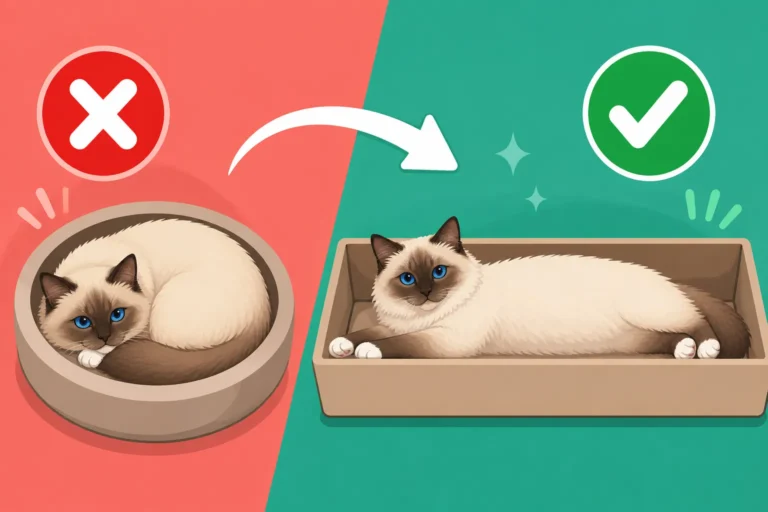
Birmans appreciate security and comfort, so enclosed spaces or elevated perches can also be popular. A soft bed tucked into a quiet corner, a cat tree with a cozy cubby, or even an open-top carrier lined with a plush blanket can become a winter retreat. They often like to be slightly elevated, not necessarily high up like a Siamese, but enough to feel safe and survey their domain. Why a Birman Prefers Mid Height to the Ceiling means they might favor the middle shelf of a cat tree or the back of a sofa rather than a ceiling-high perch. They also gravitate towards familiar scents and textures, so their usual bed, even if just a pillow, becomes a preferred spot once adequately warmed.
Creating Optimal Winter Napping Stations
Knowing where your Birman likes to snuggle up is one thing; actively enhancing those spots and creating new, irresistible havens is another. A little foresight can make a huge difference in their winter comfort.
Heated Beds and Self-Warming Pads
This is a game-changer for Birmans. Given their lean towards warmth, a heated cat bed or a self-warming pad can provide consistent, inviting heat, even when you're not home to be their personal heater. There's a lot of debate on Whether a Heated Bed Is Worth It for a Birman, and from my experience, the answer is a resounding yes, especially for cats with single coats or older Birmans who might feel the cold more acutely. You can find excellent options on Chewy or Amazon, ranging from low-wattage electric pads to microwaveable discs that radiate warmth for hours. Place these in their favorite spots – a quiet corner, a cat tree perch, or even inside a carrier if they like to den.
Strategic Blanket Placement and Cozy Fabric Choices
Simply adding soft, plush blankets to key areas can make a world of difference. Think about where your Birman usually naps: the sofa, the armchair, the foot of your bed. Drape a warm fleece or faux fur blanket there. Blankets aren't just for insulation; they also create a comforting, den-like feel when your Birman kneads and arranges them. Consider materials that trap heat effectively, like polar fleece or velvet. For older Birmans, who might start to lose condition in their coat or just feel the cold more as they age, extra layers are essential. Why an Old Birman Sleeps Closer to You isn't just about affection; it's a physiological need for warmth.
Here's a quick comparison of popular cozy materials:
| Material Type | Pros | Cons | Ideal Use Case |
|---|---|---|---|
| Fleece (Polyester) | Soft, lightweight, warm, easy to wash | Can attract static, not always breathable | Everyday blankets, bed liners, cat tree covers |
| Faux Fur | Luxuriously soft, excellent insulation | Can be bulky, harder to wash thoroughly | Plush beds, decorative throws in prime nap spots |
| Sherpa | Very soft, good warmth, durable | Can shed, might be too warm for some cats | Thicker blankets, lining for cat beds |
| Wool | Excellent natural insulator, breathable | Can be itchy, expensive, harder to clean | Small, dense pads for extreme cold, not common for cats |
| Microfiber | Very soft, absorbent, easy care | Less insulating than fleece/faux fur | Lighter throws, wiping paws, general use |
Maintaining a Consistent Indoor Temperature
While you might not want your heating on full blast all winter, striving for a consistent indoor temperature can help your Birman regulate their body heat more easily. Avoid drastic temperature drops overnight or when you leave the house. A smart thermostat can be a lifesaver here, allowing you to program warmer periods or control it remotely. Remember, a Birman might not outwardly complain, but a sustained chill can lead to them being less active or even seeking out less ideal heat sources. How a Birman Copes With a Cold House often involves them huddling and conserving energy, which isn't ideal for their overall well-being.
The Human Factor: Your Presence as a Heat Source
Beyond all the beds and blankets, never underestimate the power of your own presence as a source of warmth and comfort for your Birman. Their social nature means they thrive on proximity, and a cold winter day often brings out their most cuddly tendencies.
The Allure of the Lap and Body Contact
For a Birman, there's no warmer spot than a human lap, especially during colder months. They will find any excuse to curl up close, perhaps starting with a head rub against your leg and gradually easing their way onto your lap or shoulder. This isn't just about the physical warmth; it's about the emotional connection. The rhythmic sound of your breathing, the comforting scent, and the gentle strokes you offer all contribute to a feeling of supreme well-being, amplified by the shared body heat. It's why Why a Birman Sleeps Wherever You Last Sat is so common; they're associating your warmth and scent with comfort.
Cuddling During Downtime and Sleep
Whether you're unwinding on the sofa after a long day or settling in for the night, expect your Birman to want to be part of the action, or at least very near it. They might position themselves on the armrest, against your leg, or even find a spot nestled between your feet. If you work from home, don't be surprised to find them draped across your keyboard or tucked into your office chair the moment you step away. This combination of seeking warmth and seeking company is a hallmark of the breed. Even if you're out of the house for a significant portion of the day, a Birman often uses your return as an opportunity to warm up both physically and emotionally. What a Birman Does During a Nine Hour Working Day often includes long naps in favored, warm spots, but they truly come alive when you're there to offer that ultimate source of comfort and warmth.
Recognizing When Your Birman is Truly Cold
While Birmans are generally stoic, persistent cold can cause discomfort. Look for these signs:
- Huddling tightly: If they're always curled into a tight ball, even in what seems like a warm room.
- Seeking extreme heat: Constantly trying to get under blankets, pushing directly against heaters, or refusing to leave a sunbeam.
- Reduced activity: While Birmans aren't hyperactive, a marked decrease in their usual play or exploration might indicate discomfort. How Little Play a Birman Needs to Stay Content means they might be active in short bursts, but a lack of even those short bursts could be a sign.
- Shivering or trembling: This is a clear sign they are too cold and need immediate warming.
- Cold paws or ears: Gently feel their extremities. If they are noticeably cold to the touch, they are likely feeling chilly overall.
By paying attention to these cues and proactively creating warm, inviting spaces, you can ensure your beautiful Birman enjoys the winter months in ultimate comfort and coziness.
Disclaimer
This article is for general informational purposes only and does not constitute professional advice. Laws, prices and regulations vary by location and change over time. Consult a qualified professional for guidance on your specific situation.