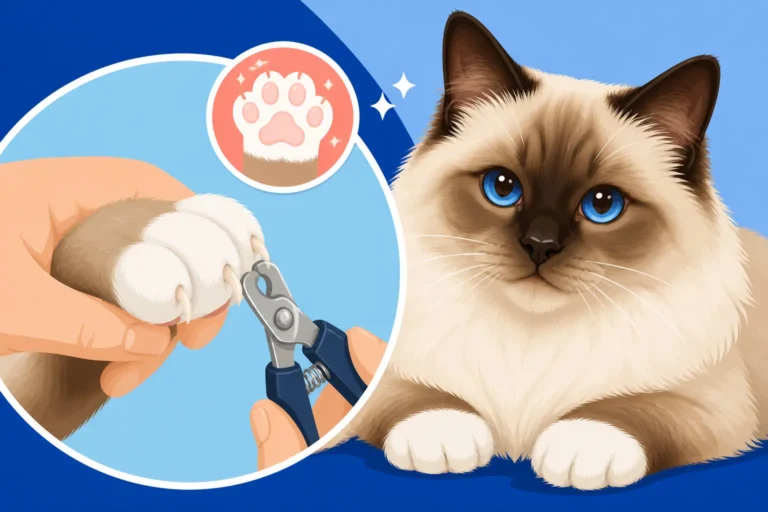
Whether a Birman Should Ever Go Outside in Snow
It's completely natural to look out at a fresh blanket of snow, see your beautiful Birman gazing longingly out the window, and wonder if they might just love a little romp in the winter wonderland. We all want our beloved pets to experience joy, and the idea of a Birman prancing gracefully through soft snow can be very appealing. However, as charming as that image might be, the reality for a Birman and snowy outdoor conditions is far from ideal, and often comes with significant risks that we, as their devoted caretakers, need to understand and protect them from. This guide will walk you through why a Birman's unique characteristics make snow a dangerous environment for them, and how to keep them safe and happy when the temperatures drop.
The Birman's Coat: Beautiful, But Not Built for Snow
One of the most defining features of a Birman is their stunning, silky coat. It's truly a sight to behold, long and flowing, making them look incredibly regal. But despite its length, this coat is fundamentally different from many other longhaired breeds, and this difference is critical when considering cold weather exposure, especially snow.
Why a Single Coat Offers Little Winter Protection
Unlike many cats bred for colder climates, the Birman possesses a single coat. What does this mean in practical terms? It means they lack the dense, woolly undercoat that acts as a primary insulator for breeds like the Persian or Maine Coon. Think of it this way: if you went out in freezing temperatures wearing a beautiful silk evening gown, you'd look lovely, but you'd be absolutely freezing, wouldn't you? That's somewhat akin to how a Birman's coat performs in the cold. Their luxurious guard hairs are designed more for elegance and minimal matting than for trapping a thick layer of warm air against their body.
This single layer of hair, while easy to groom and wonderfully soft to the touch, simply isn't engineered to provide adequate protection against biting winds, icy precipitation, or prolonged exposure to snow. Their fur gets wet quickly, and wet fur loses its insulating properties even faster. If a Birman were to get damp and then spend time in freezing conditions, the risk of hypothermia would increase dramatically. They truly aren't equipped to brave the elements in the way a more robust, double-coated cat might be, and even then, most cats are far safer indoors during harsh winter weather. Why a Coat With No Undercoat Is Not Warm explores this further.
The Cold and Your Birman's Points: A Visual Impact
Beyond the immediate physical discomfort, there's another fascinating aspect of how cold weather affects a Birman: their point coloration. Birmans are a pointed breed, meaning their extremities – face, ears, paws, and tail – are darker than their body. This is due to a temperature-sensitive gene that only allows pigment to develop in cooler areas of the body. While it's a beautiful genetic quirk, it also means that sustained exposure to cold can literally make their points appear darker over time.
While a darkening of points isn't a direct health risk, it's a visible indicator of how their body reacts to lower temperatures. It signifies that their body is working harder to regulate its warmth in those areas. If you live in a perpetually cold environment, you might notice your Birman's points appearing almost black in their later years, a natural process that highlights their sensitivity to temperature. Why a Birman Living Somewhere Cold Gets Darker delves into this phenomenon. This natural response serves as a subtle reminder that their physiology is geared towards warmer conditions, and extreme cold, like that found in snow, pushes them beyond their comfortable range.
Beyond the Chill: The Risks of Outdoor Adventures in Snow for a Birman
While the direct impact of cold on a Birman's coat is a major concern, the dangers of allowing a Birman outside in the snow extend far beyond just feeling chilly. The outdoor environment during winter presents a unique set of hazards that our gentle, house-loving Birmans are simply not equipped to handle.
Paws, Ice, and Chemicals: A Dangerous Combination
Imagine walking barefoot on icy, rough pavement that's been treated with harsh chemicals. That's essentially what we'd be asking our Birman to do in the snow. Their delicate paw pads are incredibly sensitive. Ice and freezing temperatures can cause frostbite on exposed skin, and prolonged contact with frozen surfaces can be painful and damaging. Beyond the cold itself, snow often conceals sharp bits of ice, twigs, or debris that could cut or injure their paws.
Then there's the chemical cocktail often found on winter surfaces. Driveways, sidewalks, and roads are frequently treated with de-icing salts, antifreeze, and other chemicals. These substances are highly corrosive and toxic. A Birman, being a fastidious groomer, will inevitably lick their paws clean after being outside. Ingesting these chemicals, even in small amounts, can lead to severe gastrointestinal distress, kidney damage, or even be fatal. And let's not forget those gorgeous white gloves! Snow and slush are never clean; they're a mix of water, dirt, and often grime, which will quickly stain those pristine white feet. Why a Birman's Gloves Go Yellow and How to Keep a Birman's Gloves Clean offer more insights on maintaining their signature look. Keeping them indoors protects their paws and prevents accidental poisoning.
Predators, Traffic, and Disorientation: Winter's Hidden Dangers
Birmans are known for their incredibly placid and trusting nature. They're often described as dog-like in their loyalty and tend to be quite friendly, even with strangers. While this is a wonderful trait indoors, it makes them particularly vulnerable in an unsupervised outdoor setting, especially when snow adds another layer of complexity. They are not street-smart hunters; they are gentle companions. This means they're ill-equipped to defend themselves against aggressive dogs, larger predators (like coyotes or even foxes in some areas), or the ever-present danger of traffic. Snow can muffle sounds, making it harder for them to hear approaching vehicles or dangers.
Furthermore, a blanket of snow drastically alters the landscape. Familiar landmarks can be obscured, and the scent trails that cats rely on to navigate their territory can be dulled or completely covered. This makes it incredibly easy for a Birman to become disoriented and lost, even just a few feet from home. Their trusting nature also makes them susceptible to theft; a beautiful, friendly Birman is an attractive target. For all these reasons, it's widely recommended that Birmans, particularly those with their distinctive white gloves, should never be allowed outdoors unsupervised. Why a White Gloved Cat Should Never Be Let Out and Why a Birman Would Be Stolen Outdoors highlight these specific concerns. The risks far outweigh any fleeting enjoyment they might get from a snowy outing.
Keeping Your Birman Warm and Happy Indoors During Winter
Since outdoor snowy adventures are off the table for our Birmans, the focus shifts to creating an indoor environment that is both warm, stimulating, and safe during the colder months. Ensuring their comfort and well-being doesn't require drastic changes, but rather thoughtful attention to their natural preferences and needs.
Creating a Cozy Indoor Oasis
Birmans thrive on comfort and proximity to their human companions. When the temperatures drop outside, their need for warmth becomes even more pronounced, especially given their lack of an insulating undercoat. Providing dedicated warm spots around the house isn't just a luxury; it's a necessity. Think about soft, plush blankets draped over their favorite napping spots, or even a specialized heated pet bed. These beds can be a real game-changer, offering consistent, gentle warmth that mimics the feeling of snuggling up to a warm body. Whether a Heated Bed Is Worth It for a Birman is a question many owners ponder, and for a Birman in winter, the answer is often a resounding yes. You can find excellent options on platforms like Amazon or Chewy, which often stock a variety of self-warming pads and thermostatically controlled beds.
Beyond specific bedding, consider the overall temperature of your home. A Birman will instinctively seek out the warmest spots, whether that's a sunbeam, next to a radiator, or curled up in your lap. Ensure your home is kept at a comfortable, consistent temperature, especially in areas where your Birman spends a lot of time. If you notice your Birman constantly searching for heat, or shivering, it's a clear sign they're feeling the chill. Observing Where a Birman Chooses to Lie in Winter can give you great clues about their preferred cozy corners. Sometimes, a simple rearrangement of furniture to allow more access to sunny spots can make a huge difference to their winter happiness.
Safe Winter Enrichment: Catios and Supervised Play
While outdoor snow is a definite no-go, Birmans still benefit from environmental enrichment. Just because they can't frolic in the snow doesn't mean their world has to shrink to just the living room. For many Birman owners, a secure catio can be a wonderful compromise. A catio allows them to experience fresh air, observe birds and squirrels, and feel the gentle breeze, all while being completely safe from outdoor hazards. In non-snowy, mild winter weather, a catio can provide that vital connection to the outside world without the risks of escape, predators, or toxic substances. Ensure it's enclosed, secure, and perhaps even has a sheltered, warmed area for ultimate comfort. What a Birman Actually Does in a Catio offers a peek into their outdoor enjoyment.
When outdoor access isn't feasible, indoor play becomes even more important to keep your Birman mentally and physically stimulated. Birmans are known for their gentle play style, and they enjoy interactive games with their owners. Wand toys, feather teasers, and even laser pointers can provide excellent exercise and engagement. Don't underestimate the power of a good play session for their overall well-being. Aim for a few short, energetic bursts of play throughout the day. Puzzle feeders are another fantastic way to engage their minds, making them "work" for their food and preventing boredom. How Much Play a Birman Needs Daily is a good read for tailoring their activity levels. Companies like Chewy and Amazon offer a vast selection of interactive toys and puzzle feeders perfect for keeping your Birman entertained during those long winter days.
Understanding Your Birman's Cold Tolerance and Health
As a responsible Birman owner, it's crucial to understand not only why snow is dangerous for them but also how to recognize the signs that your cat might be too cold, even indoors. Beyond that, supporting their overall health through diet can play a role in their ability to maintain warmth and resilience throughout the winter months.
Recognizing Signs of Being Too Cold
Birmans, true to their placid and undemanding nature, are often very good at hiding discomfort or illness. This stoic quality, while admirable, means we need to be extra vigilant in observing their behavior, especially when it comes to temperature. If your Birman is too cold, they won't necessarily yowl or make a huge fuss. Instead, you might notice more subtle changes. Shivering, even slight tremors, is a clear sign. They might curl up even tighter than usual, trying to make themselves as small as possible to conserve body heat. You might also find them constantly seeking out the warmest spots in the house, like under blankets or pressed against a heating vent.
Lethargy, a lack of interest in play, or a reduction in appetite can also be indicators that they're uncomfortable or feeling unwell due to cold. If their ears or paw pads feel noticeably cold to the touch, that's a red flag. It’s important to remember that a quiet Birman is not always a content one; sometimes, it’s a sign they’re retreating to cope with discomfort. If you suspect your Birman is consistently too cold, especially if accompanied by other behavioral changes, it's worth a chat with your vet. Why a Birman Hides Illness Behind a Placid Temperament reinforces the importance of knowing your cat's baseline behavior.
The Connection Between Diet and Winter Warmth
A well-nourished cat is better equipped to handle environmental stressors, including cooler temperatures. While diet won't turn a Birman into an arctic explorer, it plays a vital role in maintaining a healthy coat and providing the energy needed to regulate body temperature. High-quality cat food, rich in appropriate proteins and healthy fats, supports overall health and contributes to a lush, healthy coat. Omega fatty acids, often found in fish oils or fortified foods, are particularly beneficial for skin and coat health, ensuring their fur is in the best possible condition, even if it's a single coat. Why Omega Oils Matter for a Birman's Coat delves deeper into this.
During winter, with indoor heating, hydration is also incredibly important. Cats often don't drink enough water naturally, and dry indoor air can exacerbate this. Ensuring access to fresh, clean water at all times, perhaps even investing in a drinking fountain to encourage more intake, can help support their kidney health and overall vitality. While Birmans aren't known for being huge eaters or constantly begging, ensuring they receive the appropriate number of calories for their age and activity level is key. A slightly higher calorie intake in colder conditions (if approved by your vet) can provide the energy needed to stay warm. How Many Calories a Birman Needs to Hold Its Coat can help you determine their dietary needs.
Birman Outdoor Winter Risk Assessment
| Risk Factor | Description | Impact on Birman in Snow | Preventive Measure |
|---|---|---|---|
| Hypothermia | Dangerously low body temperature. | Single, silky coat offers poor insulation; wet fur loses heat rapidly, leading to quick onset of severe cold. | Keep Birman strictly indoors during cold/snow. Provide heated beds and warm resting spots. |
| Frostbite | Tissue damage from freezing temperatures. | Delicate paw pads, ears, and tail are highly susceptible to freezing on icy or snowy surfaces. | Never allow a Birman to walk on snow or ice. Ensure indoor warmth. |
| Chemical Toxicity | Ingestion of de-icing salts or antifreeze. | Chemicals cling to paws and fur, easily ingested during grooming, causing severe internal organ damage. | Prevent outdoor access. Wipe paws thoroughly if accidental contact occurs (e.g., vet visit). |
| Physical Injury | Cuts, sprains, falls on slippery or hidden objects. | Snow can conceal sharp objects or uneven surfaces; Birmans are not agile climbers or fighters. | Keep indoors. Provide safe, varied indoor environments for play and exploration. |
| Disorientation/Loss | Inability to find way home. | Snow covers familiar landmarks and dulls scent trails, making it easy for a gentle Birman to get lost and panic. | Ensure all Birmans are microchipped. Strict indoor-only policy, or secure catio access in appropriate weather. |
| Predator/Traffic | Attack by animals or collision with vehicles. | Birmans are trusting and not street-wise, making them highly vulnerable to outdoor dangers, especially with reduced visibility. | Maintain indoor-only status. Supervise any limited outdoor access (e.g., harness walks on clear, safe paths). |
| Coat Damage/Staining | Discoloration and matting of fur. | White gloves and lighter points easily pick up dirt, mud, and slush, leading to unsightly stains and potential mats. | Regular indoor grooming. Use low-dust litter. Why a Birman's Gloves Go Yellow and Which Litter Suits a White Gloved Cat. |
Disclaimer
This article is for general informational purposes only and does not constitute professional advice. Laws, prices and regulations vary by location and change over time. Consult a qualified professional for guidance on your specific situation.