What the Temple of Lao-Tsun Legend Says
It's truly fascinating how a breed's history can be intertwined with ancient myths and mystical tales, and for the Birman cat, this couldn't be more true. Many new Birman owners, or those simply admiring these stunning cats, often hear whispers of a "sacred cat of Burma" and wonder where these stories come from. This guide delves deep into the enchanting Temple of Lao-Tsun legend, exploring its origins, its narrative, and how it continues to shape our understanding and appreciation of this gentle, blue-eyed feline.
The Enduring Allure of Birman Legends
There's something incredibly special about a cat breed that comes with its own rich tapestry of myths and stories. It adds a layer of depth and mystique, elevating them beyond just a pet to something almost ethereal. For the Birman, this isn't just a bit of clever marketing; it’s a narrative that has been passed down through generations, captivating hearts and sparking imaginations.
Why Legends Matter to Cat Breeds
Think about it: when you learn about a cat, knowing its alleged ancient lineage or a fantastical origin story makes it feel more unique, more connected to something grander. It gives us a sense of history, even if that history is woven from the threads of folklore rather than documented fact. For breeds like the Birman, whose exact historical origins are a bit hazy, these legends fill a void, creating an emotional bond and a unique identity that resonates deeply with enthusiasts. It offers a romantic explanation for their distinctive appearance and gentle nature, making them even more beloved. It's not just about what the cat is, but what it represents through these captivating tales.
Setting the Scene: Ancient Burma and Sacred Cats
The Birman legend transports us to a time long past, to the mountainous, mystical land of Burma (modern-day Myanmar). This was a place where temples rose against lush landscapes, adorned with gold and jewels, and where sacred beings, both human and animal, held deep spiritual significance. Cats, particularly those residing within the hallowed walls of temples, were often revered as guardians of the sacred, vessels for ancient souls, or companions to monks and deities. It’s in this rich, spiritual tapestry that the story of the Birman cat, the "Sacred Cat of Burma," is said to have unfolded, painting a vivid picture of devotion and transformation. The very concept of a cat holding such a revered position speaks volumes about the culture and beliefs of the time, where animals were often seen as integral to spiritual life and worship.
Unveiling the Temple of Lao-Tsun Legend
The heart of the Birman's mythical origin lies within the captivating narrative of the Temple of Lao-Tsun. It's a tale of devotion, sacrifice, and divine intervention that explains many of the Birman's most striking features. This story, though legendary, is often told with a reverence that suggests it holds a deeper truth for those who cherish the breed.
The Sacred Priest Mun-Ha and the Goddess Tsun-Kyan-Kse
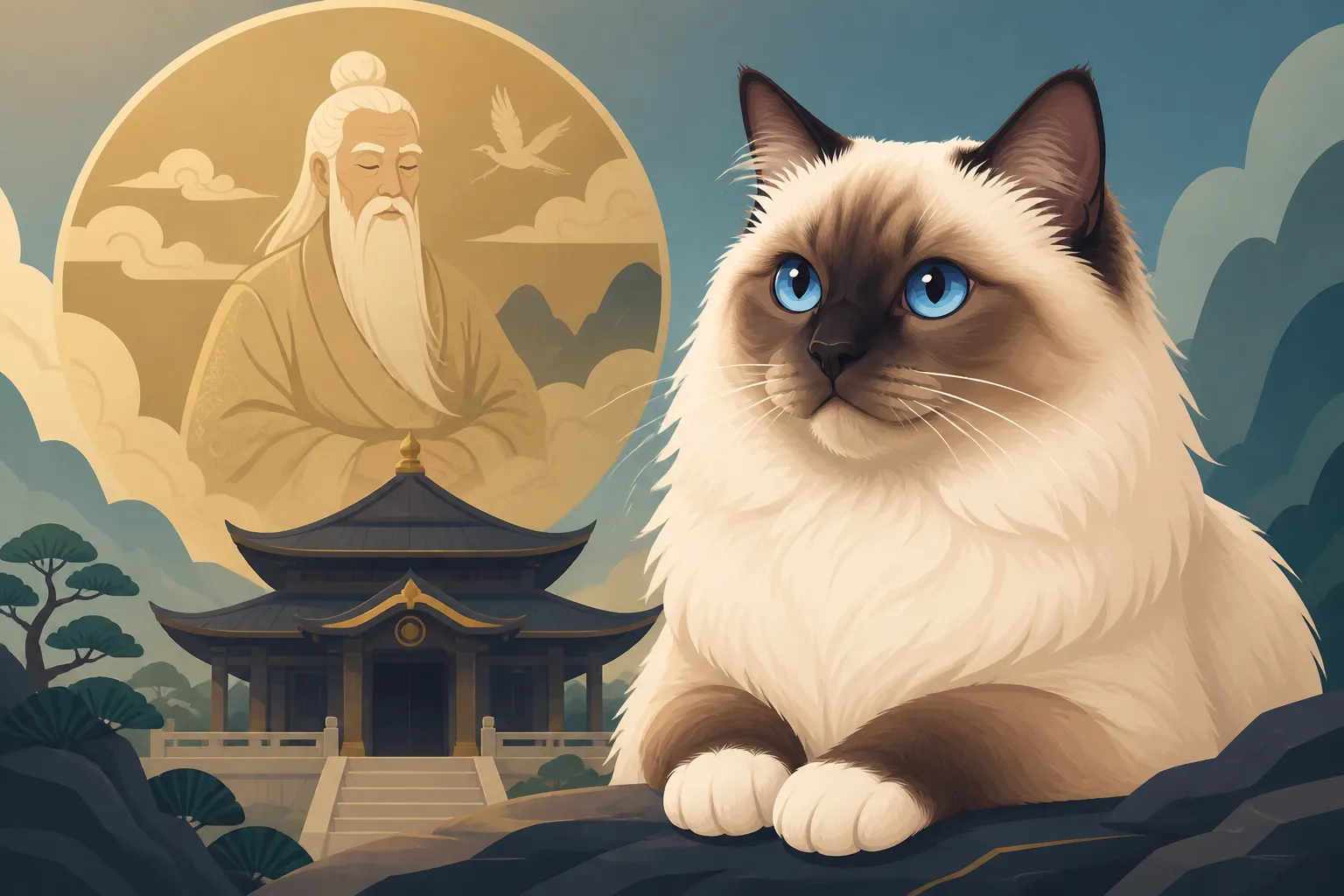
Our legend begins in the Temple of Lao-Tsun, a breathtaking sanctuary dedicated to the golden goddess Tsun-Kyan-Kse. This goddess, with her sapphire eyes, was said to preside over the transmigration of souls, and her golden statue was central to the temple's worship. Among her devoted followers was the venerable high priest, Mun-Ha, a man known for his wisdom, piety, and profound love for the temple's sacred cats. He spent his days in deep meditation before the goddess, his loyal companion, a magnificent white cat named Sinh, always at his side. The priest and his feline friend were inseparable, their bond a symbol of the harmony between man and nature, and the spiritual connection that could exist between them. This opening scene establishes the deep spiritual context that is so crucial to Why the Birman Is Called the Sacred Cat of Burma.
Sinh, the Blue-Eyed Temple Cat
Sinh was no ordinary cat. Described as possessing pure white fur, reminiscent of the temple's gleaming marble, and eyes the color of gold, he embodied the grace and purity associated with his sacred surroundings. He was a quiet, observant presence, a constant shadow to Mun-Ha. One fateful night, as the temple was besieged by invaders, the aged priest Mun-Ha was struck down while in prayer before the goddess. As Mun-Ha lay dying, his faithful cat Sinh leapt onto his chest, gazing intently into his master's face. The grief and devotion in Sinh’s eyes were palpable, and in that moment, something miraculous occurred, forever changing the cat and the legend itself. It's a powerful moment in the tale, depicting What Sinh the Temple Cat Is Said to Have Done.
The Transformation and the Gifts
As Sinh rested on the dying priest, a divine transformation began. His golden eyes deepened into the brilliant sapphire blue of the goddess Tsun-Kyan-Kse's own eyes, reflecting the depth of his master's soul ascending to the divine. His pure white fur, save for his paws, instantly changed to a glorious golden hue, the same shade as the goddess's statue, signifying his newfound sacred status. And those paws? They remained pure white, an everlasting symbol of his purity and unwavering devotion as he touched his master’s sacred body. Simultaneously, the other temple cats also underwent a similar transformation, taking on the same stunning features as Sinh. This miraculous event cemented their status as sacred protectors and companions to the resurrected spirit of Mun-Ha. This moment is key to understanding Why the Legend Says a Birman's Paws Stayed White.
Deconstructing the Birman's Distinctive Features Through Legend
The legend of the Temple of Lao-Tsun isn't just a pretty story; it provides a mythical explanation for the Birman's most captivating physical attributes. It offers a romantic narrative for the traits that make the Birman so distinct and beloved, allowing us to see these features not just as genetic happenstance, but as signs of a divine blessing.
The Mystical Origin of White Gloves
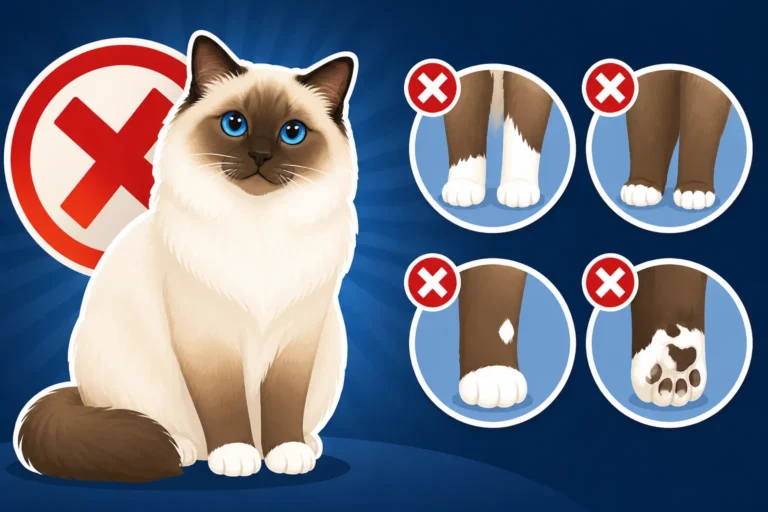
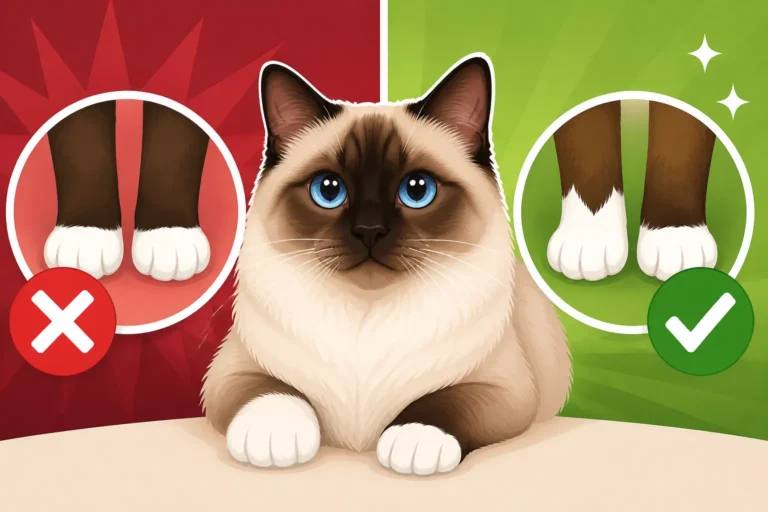
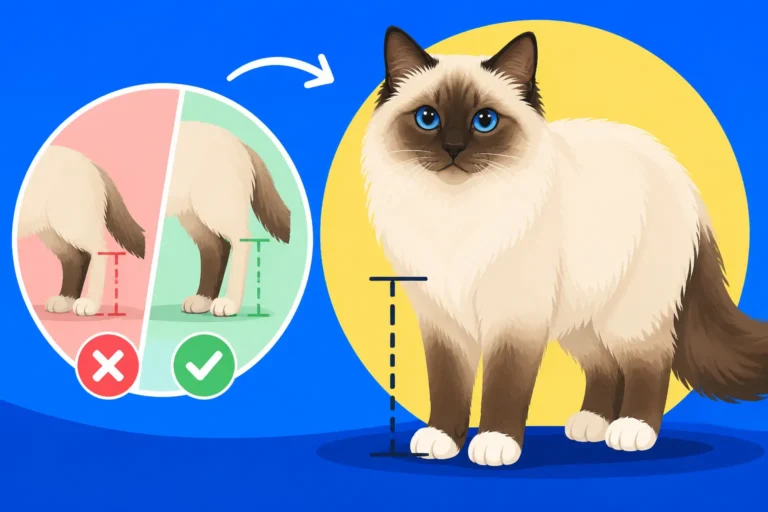
The Birman's most iconic and distinguishing feature is undoubtedly its pure white "gloves" on all four paws, perfectly contrasting with its pointed body color. According to the legend, these white paws are a permanent reminder of Sinh's purity and loyalty. When Sinh placed his paws upon the dying priest Mun-Ha, his paws were the only part of him that remained untouched by the golden transformation, symbolizing his untainted devotion as he touched sacred ground. This element of the legend directly addresses Why the Birman Legend Explains the White Gloves. It explains why breeders strive for those perfect, symmetrical white markings, and why they are such a critical part of the breed standard. When you see a Birman with those pristine white socks, you're not just looking at a beautiful cat; you're seeing a living echo of that ancient, sacred moment. For breeders, perfecting these gloves is a monumental task, and the meticulous care taken in selecting breeding pairs reflects this mythical significance. Even if you're just picking up a bag of kibble for your Birman on Chewy, it's those white gloves that make them so recognizable in any breed illustration!
The Deep Blue Eyes: A Glimpse of the Divine
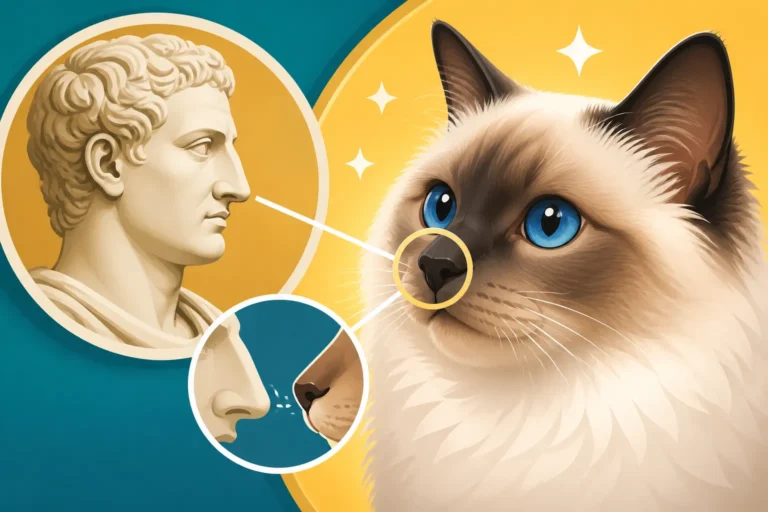
Another striking feature of the Birman cat is its intense, sapphire-blue eyes. In the legend, Sinh's golden eyes changed to the deep blue of the goddess Tsun-Kyan-Kse's own eyes. This transformation signifies that Sinh, and by extension all Birmans, now possess a piece of the divine, a reflection of the goddess's wisdom and eternal spirit. It’s believed that looking into a Birman’s blue eyes is like looking into the soul of the sacred, connecting us to that ancient moment of grace and blessing. These eyes are not merely beautiful; they are said to hold a depth and understanding that transcends the ordinary feline gaze, hinting at their celestial origins. The standard for the breed calls for as deep and clear a blue as possible, further emphasizing the legendary connection.
The Golden Sheen: A Reflection of Purity
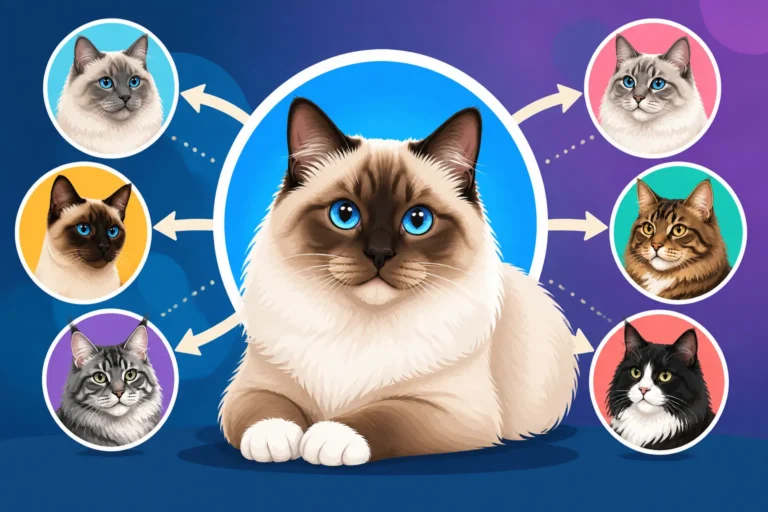
Beyond the gloves and eyes, the legend also accounts for the Birman's coat color. The pure white cat Sinh's fur turned golden, matching the idol of the goddess. This golden hue, which manifests in the Birman as a rich, creamy body color that contrasts with its darker points (ears, face, legs, tail), is said to be a blessing from the goddess herself. It represents the divine light and purity that enveloped Sinh, signifying his sacred status and his connection to the heavens. While modern Birmans come in various point colors (seal, blue, chocolate, lilac, red, cream, tortie, and tabby points), that underlying golden or creamy body tone, softening the contrast, is a hallmark of the breed and a nod to this legendary transformation. It’s a gentle reminder of their divine origins, even as Caring for a Birman Once Its Points Have Gone Dark becomes a part of their natural aging process.
The Legacy of the Legend in the Modern Birman
Even in our modern world, far removed from ancient Burmese temples, the Temple of Lao-Tsun legend continues to hold significant sway over the Birman breed. It's more than just a historical anecdote; it’s a living part of their identity, influencing how they are perceived, bred, and cherished.
How the Legend Shapes Breeder and Owner Perception
For breeders, the legend is often a source of immense pride and a guiding principle. They strive to produce Birmans that not only meet the physical standards but also embody the spirit of the sacred temple cat—gentle, devoted, and majestic. This isn't just about winning ribbons; it's about honoring a legacy. Many breeders will excitedly share the legend with prospective owners, believing it’s crucial for understanding the profound nature of the Birman. For owners, knowing the legend deepens their bond with their cat. It transforms their Birman into something more than just a pet; it becomes a piece of living history, a direct descendant of those sacred cats of Lao-Tsun. This perception can foster an even deeper sense of care and respect for these animals, who are seen as living embodiments of beauty and serenity. When you're looking for Which Certificates a Birman Breeder Hands Over With the Kitten, you're also looking for a connection to this very heritage.
The Symbolic Importance Beyond Physical Traits
The legend's influence extends beyond just the physical appearance. It also attributes many of the Birman's renowned personality traits. The Birman is known for its incredibly placid, gentle, and affectionate nature. Owners often describe them as quiet companions, following them from room to room without being overly demanding, yet always wanting to be near. This temperament is often attributed to the spiritual calm and devotion of the temple cats. The legend implies a certain wisdom and inner peace, reflecting Mun-Ha's meditative life. Thus, when a Birman exhibits its characteristic quiet companionship and sweet disposition, many feel they are witnessing the enduring spirit of the sacred cats, carrying forward the serene energy of the temple. They are not just beautiful; they are seen as noble and wise, living up to their legendary beginnings. This is part of Why every standard calls the Birman a gentle breed.
Fact Versus Fiction: Historical Context of the Birman
While the Temple of Lao-Tsun legend provides a beautiful and compelling origin story for the Birman, it's important to differentiate between charming folklore and documented history. The reality of the Birman's arrival in the Western world and its subsequent development is a fascinating story in itself, albeit one with less divine intervention.
Whether the Birman Legend Has Any Evidence Behind It
It's a beautiful story, isn't it? The kind that makes you want to believe every word. However, when we look for concrete historical evidence, the charming tale of the Temple of Lao-Tsun, Mun-Ha, and Sinh is considered a legend rather than a factual account. There are no historical records or anthropological findings to corroborate the existence of this specific temple, priest, or miraculous transformation in ancient Burma. Most historians and feline geneticists agree that the legend was likely penned in France, during the early 20th century, to provide a romantic and exotic origin for a relatively new and strikingly beautiful breed. This doesn't diminish the story's power or its importance to the breed's identity, but it does mean we should appreciate it for its evocative imagery and symbolic value rather than as a literal historical document. It beautifully captures the essence of the Birman, even if it wasn't the exact path they took into our lives.
The Real-World Origins of the Birman Breed
So, if not a mystical temple, where did the Birman truly come from? The actual history is a bit more grounded, though still full of intrigue. The consensus among feline historians is that the Birman breed likely originated in France in the early 20th century, possibly from a cross between Siamese and Persian cats. These early cats possessed the color point pattern of the Siamese and the long coat of the Persian, along with the unique white "gloves" that set them apart. The first documented appearance of the breed in the Western world was around 1919, when a pair of Birmans was reportedly shipped from Indochina to France. Sadly, the male cat did not survive the journey, but the female, named Sita, was pregnant and her kittens became instrumental in establishing the breed in Europe. Who Shipped the First Birmans to France is a topic of some debate, but the breed gained official recognition in France in 1925. The breed's population suffered greatly during World War II, nearly driving it to extinction, and it had to be rebuilt using a very small number of surviving cats, often necessitating outcrossings to other longhaired breeds to preserve the line. This turbulent history underscores the dedication of early breeders to keep this beautiful cat from disappearing.
| Legendary Origin (Temple of Lao-Tsun) | Documented Origin (Early 20th Century France) |
|---|---|
| Location: Ancient Burma, Temple of Lao-Tsun | Location: France, early 1900s |
| Key Figures: Priest Mun-Ha, Goddess Tsun-Kyan-Kse, Cat Sinh | Key Figures: Early French breeders, possibly from Indochina |
| Origin of Traits: Divine intervention, miraculous transformation | Origin of Traits: Selective breeding, likely Siamese x Persian crosses |
| Purpose: Explains white gloves, blue eyes, golden body coat | Purpose: Developed a distinct longhaired, color-pointed breed with white paws |
| Historical Evidence: Considered folklore/legend | Historical Evidence: Pedigree records, historical accounts of breeding programs |
Preserving the Birman's Heritage and Health
Regardless of its true origins, the Birman cat today is a beloved and distinctive breed, and ensuring its longevity and well-being is paramount. For owners and breeders alike, understanding their unique needs and supporting ethical practices helps uphold the legacy of this "sacred cat."
The Importance of Ethical Breeding Practices
Because of the Birman's somewhat limited gene pool following the post-war reconstruction, ethical breeding practices are absolutely crucial. Responsible breeders focus not just on maintaining the iconic physical traits like the white gloves and blue eyes, but also on the health and temperament of their cats. This means rigorous health screening for genetic conditions, careful selection of breeding pairs to maintain genetic diversity, and providing a nurturing environment for kittens. They will proudly share information about their cats' lineage and health tests. If you're considering a Birman kitten, always ask about the health clearances of the parents, especially for conditions common in longhaired breeds. Breeders often post results for Which Results a Birman Breeder Must Put in Writing and will be transparent about the health history of their lines. Responsible breeders understand that the health of the breed is more important than any single cat's markings.
Caring for a Birman: A Living Legend
Bringing a Birman into your home means welcoming a truly special companion. Their placid nature, beautiful coat, and striking eyes make them a joy to live with. However, like any breed, they have specific care requirements. Their silky, single coat, while less prone to matting than some other longhairs, still benefits from regular grooming to keep it pristine and to minimize shedding. You can find excellent grooming tools on sites like Chewy that are perfect for their delicate fur. Their gentle disposition means they thrive on companionship, often preferring to be near their human family. They also benefit from a high-quality diet that supports their coat health and overall vitality. While they might not demand attention vocally, a Birman will show its affection by quietly following you, sitting nearby, and offering soft purrs. Providing them with a loving, stable environment and regular vet check-ups ensures they live a long, happy, and healthy life, honoring the gentle spirit attributed to them by legend. Understanding How often a Birman with clear papers still needs a vet is crucial for their long-term health.
Disclaimer
This article is for general informational purposes only and does not constitute professional advice. Laws, prices and regulations vary by location and change over time. Consult a qualified professional for guidance on your specific situation.