Why the Legend Says a Birman’s Paws Stayed White
Have you ever gazed at a Birman cat, admired its stunning color points, and then found your eyes drawn to those pristine white paws, looking almost dipped in snow? Many people wonder about these distinctive "gloves" and "laces" – they're so unique! It's not just a genetic quirk; for centuries, a beautiful, mystical legend has been woven into the very fabric of the Birman's identity, offering a heartfelt explanation for why those paws stayed so wonderfully, purely white. This guide will take you deep into that ancient tale and explore the enduring magic behind the Birman's most cherished feature.
The Sacred Legend of Lao-Tsun and the Birman's Divine Markings
The Birman isn't just a cat; it's a living legend, often referred to as "The Sacred Cat of Burma." This isn't just a catchy nickname; it comes from a deeply spiritual and ancient story, the legend of the Temple of Lao-Tsun. This tale is central to understanding the mystique that surrounds the breed, particularly the miraculous origin of their signature white paws.
The Faithful Companion and the Golden Goddess
Imagine a serene, ancient temple high in the mountains of Burma, a place of peace and devotion. Here, revered priests worshipped a golden goddess with sapphire blue eyes, Tsun-Kyan-Kse. Among these priests was Mun-Ha, a venerable old man known for his deep wisdom and unwavering faith. His constant companion was a beautiful white cat named Sinh, whose fur was as white as freshly fallen snow and whose eyes were the color of rich amber. Sinh was more than a pet; he was a silent, loyal presence, always by Mun-Ha’s side, reflecting the tranquility of the temple itself.
The frustration here for many is that, without this story, the Birman’s appearance might seem arbitrary. But the legend gives such profound meaning to their physical traits. It roots them in a spiritual narrative, elevating them beyond just another beautiful cat. This isn't just a bedtime story; it's a foundational myth for the entire breed. The Birman Is the Sacred Cat of Burma, and the Story Is a Legend is a great resource if you want to delve deeper into the overall narrative.
The Moment of Transformation: A Miracle in the Temple
One fateful night, the peaceful temple was brutally attacked by invaders. As the invaders stormed in, they struck down the beloved Mun-Ha, who lay dying before the golden goddess. It was a moment of profound despair, a test of faith for all present. In this critical instant, as Mun-Ha’s spirit prepared to depart, Sinh, his loyal companion, underwent an extraordinary transformation.
Sinh sprang onto the body of his dying master, his amber eyes fixed upon the statue of the golden goddess. As Mun-Ha's soul ascended, a miracle unfolded. Sinh's pure white fur began to change, taking on the rich golden hue of the goddess's body. His amber eyes deepened into the brilliant sapphire blue of Tsun-Kyan-Kse’s own gaze. Even his face, ears, legs, and tail, areas where his master's hands had often lovingly touched him, darkened to a rich, warm brown, mirroring the sacred earth.
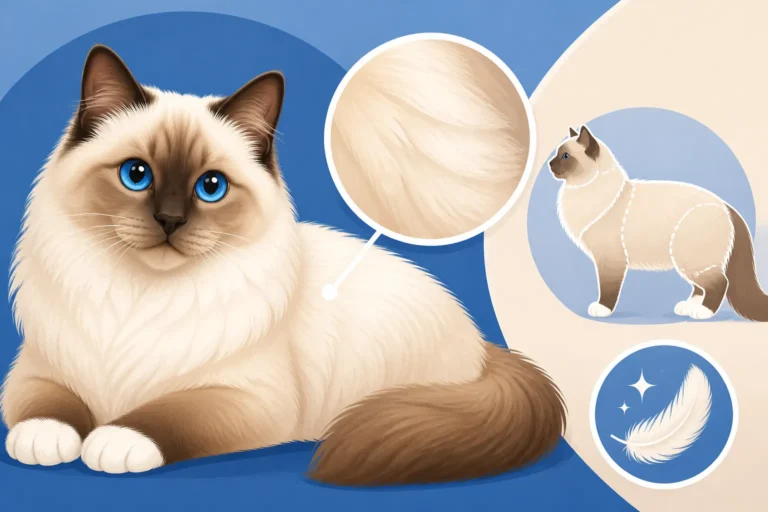
But here’s the crucial part, the detail that answers our core question: his paws, which had rested on his master's pure white robes, remained untouched by the golden transformation. They stayed a pristine, snowy white. These were not just any paws; these were the paws that had cradled his master, providing comfort in his final moments. They symbolized purity, the preservation of an unblemished soul, and unwavering loyalty in the face of tragedy. According to the legend, all the other cats in the temple underwent similar transformations, inheriting the golden body, sapphire eyes, and point coloration, but always, always, retaining those sacred white 'gloves' on their paws. What the Temple of Lao-Tsun Legend Says outlines these events in more detail.
Symbolism and Significance: Why White Paws Hold Deep Meaning
The enduring appeal of the Birman cat lies not just in its striking beauty, but in the profound symbolism embedded in its physical characteristics, particularly those iconic white paws. The legend of Sinh at the Temple of Lao-Tsun isn't just a fanciful tale; it’s a narrative that gives spiritual depth to the breed's most distinctive trait, turning a simple marking into a powerful emblem.
Purity, Loyalty, and the Divine Touch
The white paws, or "gloves" as they are affectionately called, represent purity and the unblemished soul of the faithful Sinh. They remained white because they rested on the pure robes of the dying priest Mun-Ha, signifying that his spirit, though departing, was clean and honorable. This detail elevates the Birman from a mere feline to a sacred guardian, a creature touched by the divine.
Beyond purity, the white paws symbolize unwavering loyalty. Sinh's transformation occurred because of his devotion to his master, making the white gloves a perpetual reminder of that sacred bond. For Birman owners, this connection translates into an appreciation for their cats' famously affectionate and devoted personalities. It’s comforting to think that the quiet, gentle nature of your Birman, perhaps curled up on your lap from a comfortable bed from Chewy, carries echoes of ancient loyalty. This mythical origin truly explains Why the Birman Legend Explains the White Gloves better than anything else.
The Enduring Allure in Breed History
The legend has played a pivotal role in shaping the Birman's reputation and desirability throughout its history. When the breed first made its way to the Western world, this rich, mystical backstory immediately set it apart. It wasn't just a new type of cat; it was a sacred animal from a faraway land, imbued with ancient blessings. This narrative fostered a sense of awe and respect for the breed, influencing early breeders and enthusiasts.
Even today, the legend contributes to the Birman's allure. Many owners feel a special connection to their cats, seeing them as more than just pets, but as descendants of those sacred temple guardians. This sense of heritage can deepen the bond between human and cat, making the experience of owning a Birman feel truly unique. The white paws, therefore, are not just a physical trait; they are a direct link to the Birman's spiritual origins and a testament to its enduring mystique.
Beyond the Myth: The Genetics Behind the Gloves
While the legend of the Temple of Lao-Tsun provides a beautiful and compelling origin story for the Birman's white paws, the scientific explanation involves fascinating genetics. Understanding both the myth and the science helps us appreciate just how special these cats truly are.
Understanding the Unique "Gloving Gene"
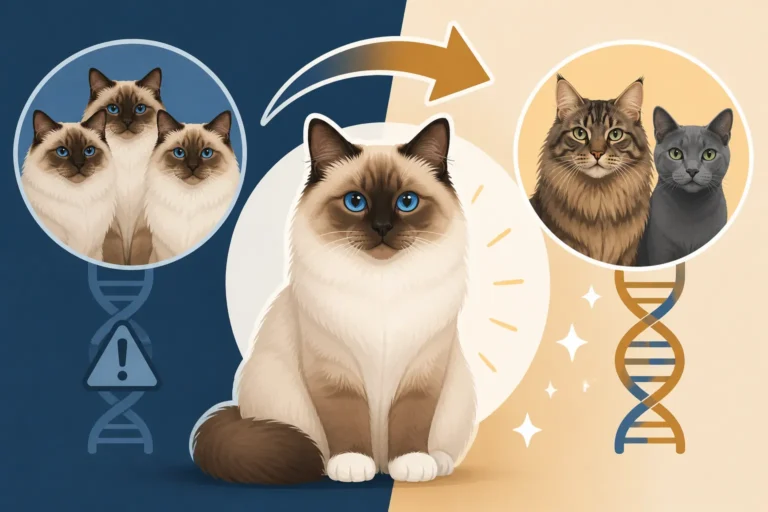
In reality, the Birman's distinctive white "gloves" and "laces" are the result of a specific genetic mutation. This isn't just random white spotting; it's a unique pattern called "gloving." Unlike other white spotting genes that can produce varied patches of white, the gloving gene in Birmans consistently produces the specific white markings on the paws.
Every Birman cat carries two copies of this gloving gene. It's a recessive trait, meaning that both parents must pass on the gene for the kitten to display the characteristic white paws. This genetic uniformity is why The Gloving Gene Every Birman Carries Two Copies Of in the breed, ensuring that all true Birmans exhibit this iconic feature. However, even with the presence of the gene, the expression of the white can vary significantly. Some Birmans will have perfectly symmetrical gloves and laces, while others might have slight irregularities, sometimes referred to as "mismarks."
The Breeder's Quest for Perfection
For Birman breeders, the white paws are not just a charming feature; they are a cornerstone of the breed standard. Judges evaluate the gloves with meticulous attention to detail, looking for symmetry, crispness, and the correct height – gloves on the front paws and "laces" running up the back hocks. This is where the legend meets the rigorous demands of show halls. Breeders strive to produce kittens with the most perfect gloves possible, a task that is surprisingly challenging.
Despite the fact that every Birman carries the gloving gene, achieving perfect symmetry and ideal placement is complex due to modifier genes and other genetic factors that influence how the white is expressed. It's a delicate balance, and Why Perfect Birman Gloves Are Almost Impossible to Breed is a common frustration for breeders. They often spend years carefully selecting breeding pairs to enhance the consistency and quality of these markings. It's a continuous labor of love, a dedication to preserving the breed's legendary appearance through careful genetic management.
Living with the Legend: Care for Those Pristine Paws
Owning a Birman means appreciating its unique qualities, from its gentle temperament to its stunning appearance. Those famous white paws, so central to the breed's legend, also come with their own set of practical care considerations. Keeping them clean and healthy is part of honoring their sacred heritage.
Everyday Maintenance for Snowy Feet
While Birmans have a single coat that is relatively easy to groom compared to other longhaired breeds, their white paws require a little extra attention. These pristine white areas can easily pick up dirt, dust, and litter debris, leading to discoloration. Imagine your sacred temple cat tracking litter through the house – not quite the image the legend portrays!
Regular, gentle cleaning is key. A quick wipe down with a damp cloth or a pet-safe wipe, perhaps after each litter box visit, can go a long way in preventing staining. Many Birman owners also opt for low-dust or non-tracking litter varieties to minimize the amount of debris that adheres to their cat's paws. Products designed for white pet fur are available at retailers like Chewy, offering gentle cleaning solutions specifically formulated to brighten and maintain that snowy appearance. Keeping a Birman's White Gloves White is more than just aesthetics; it's about comfort and hygiene for your feline companion.
Preserving the Birman's Iconic Look
Beyond daily wipes, a few other practices can help preserve the iconic look of your Birman's paws:
- Regular Nail Trims: Long nails can pick up more dirt and also lead to discomfort. Keeping your Birman's claws trimmed prevents them from extending beyond the white glove and gathering extra grime.
- Inspecting Paw Pads: Periodically check between the paw pads for any trapped litter, debris, or mats. While Birmans aren't as prone to mats as some double-coated breeds, small tangles can still form, especially around the sensitive paw area.
- Soft Bedding: Providing clean, soft bedding helps keep paws free from dust and dirt while your Birman rests. A plush bed from Chewy, regularly washed, ensures a clean sanctuary for your sacred cat.
- Indoor Living: While some cats enjoy supervised outdoor time, keeping your Birman indoors is the best way to protect those pristine white paws from the elements, mud, and anything else that could compromise their snowy appearance. Plus, it keeps them safe from other outdoor hazards.
The significance of the Birman's white paws, whether viewed through the lens of ancient legend or modern genetics, makes them one of the most cherished and distinctive features of the breed. Understanding and appreciating this aspect of your Birman not only connects you to its rich history but also inspires the care and attention that truly honor this sacred feline.
The Birman's Paws: A Tale of Myth and Marvel
From the ancient temples of Burma to the cozy comfort of your living room, the Birman cat carries a legacy unlike any other. Those iconic white paws, often referred to as "gloves" and "laces," are far more than just a pretty marking. They are the physical embodiment of a beautiful, spiritual legend, a testament to purity, loyalty, and divine intervention.
The story of Sinh, the temple cat whose transformation mirrored the ascending soul of his beloved priest, explains in vivid detail why those paws alone remained white—touched by the pure robes of Mun-Ha. This legend has cemented the Birman's place in history as "The Sacred Cat of Burma," imbuing every kitten with a sense of ancient mystique and grace. While modern genetics offers a scientific explanation for the specific gene responsible for gloving, the myth continues to lend an almost magical quality to these felines.
Whether you're marveling at their legendary past or simply enjoying their gentle presence, the Birman's white paws serve as a constant reminder of their unique heritage. They inspire not only admiration but also a commitment to their care, ensuring these living legends continue to shine, pure and devoted, for generations to come.
| Legendary Element | Birman Feature (Legendary Origin) | Symbolic Meaning |
|---|---|---|
| Golden Goddess's Influence | Golden-hued body | Divine blessing, sacred beauty |
| Sapphire Blue Eyes | Deep blue eyes | Reflection of the goddess, wisdom |
| Priest Mun-Ha's Departing Soul | Darkened points (face, ears, legs, tail) | Connection to the earth, sacred places |
| Mun-Ha's Pure Robes | Pristine white paws (gloves) | Purity, loyalty, unblemished spirit |
How a Birman Differs From a Ragdoll by Its Feet highlights the uniqueness of these gloves compared to other breeds. And if you’ve ever wondered What a Birman Would Look Like Without Its Gloves, it's clear how essential they are to its identity. Truly, the Birman is a breed steeped in story, with every white paw a whispered echo of its sacred past.
Disclaimer
This article is for general informational purposes only and does not constitute professional advice. Laws, prices and regulations vary by location and change over time. Consult a qualified professional for guidance on your specific situation.