How Many Birmans Survived the Second World War
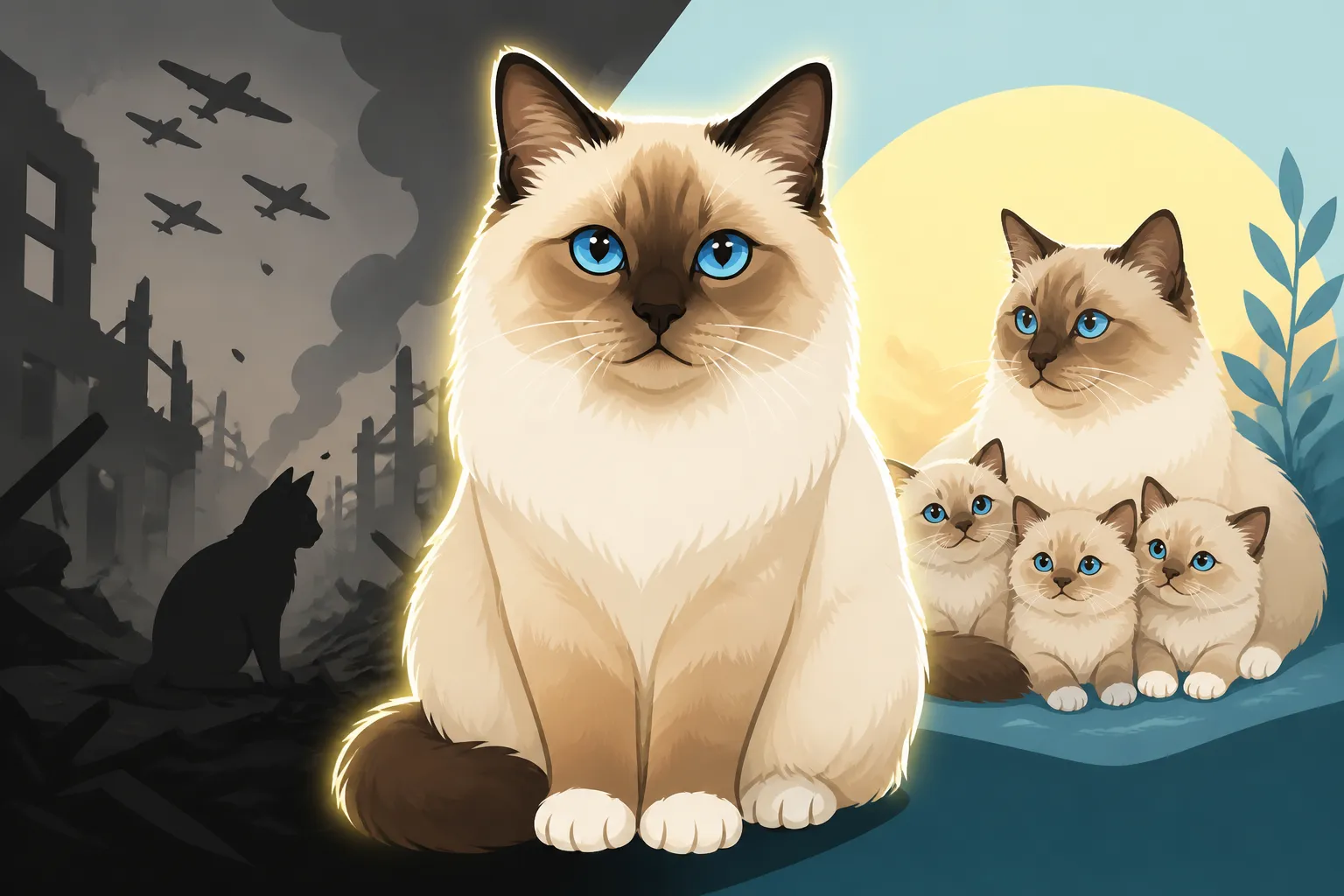
The Birman cat, with its stunning blue eyes and pristine white 'gloves', almost vanished entirely during the tumultuous years of World War II. Many aspiring owners or even seasoned cat enthusiasts don't realize just how close this beloved breed came to extinction, facing desperate odds that reduced its numbers to a terrifying minimum. This guide delves into the historical records and the poignant stories of survival, exploring the devastating impact of the war on the Birman breed and the heroic efforts that brought it back from the brink.
The Birman's Pre-War Standing
Before the dark clouds of global conflict gathered, the Birman was already a relatively young breed in the Western world, having only recently found its footing in Europe. Its mystique, stemming from its alleged origins as the sacred cat of Burma, captivated early enthusiasts, but its numbers were never vast.
Early European Establishment
The Birman breed first truly took hold in France in the 1920s, after a somewhat legendary arrival from what was then known as Burma. The early breeders, enchanted by their unique pointed coats and striking white paws, worked diligently to establish a consistent type. This involved careful breeding and the formation of the first breed clubs. Records show that the breed was officially recognized in France as "Sacre de Birmanie" in 1925, a significant step that cemented its presence in the burgeoning world of pedigree cats. Imagine the dedication of these early fanciers, meticulously documenting pedigrees and striving for the ideal Birman standard, laying the groundwork for what they hoped would be a thriving lineage. Sita, Poupee and the Founding of the Birman in France gives more insight into these pivotal early days.
Limited Global Presence
Despite its recognition in France, the Birman's reach beyond its initial European strongholds was quite limited before World War II. While some individuals had been exported to other European countries like Germany and Britain, and whispers of its beauty had crossed the Atlantic, it hadn't yet achieved widespread popularity or distribution. This meant that the total global population of Birmans, even at its pre-war peak, was relatively small compared to more established breeds like the Persian or Siamese. This restricted gene pool, while giving the Birman its distinctive traits, also made it incredibly vulnerable to any significant disruption. There simply weren't enough Birmans scattered across the world to weather a major storm easily.
The Devastation of World War II
The outbreak of World War II brought unprecedented hardship across Europe, impacting every aspect of life, including the breeding and care of pedigree animals. For a delicate breed like the Birman, the challenges were particularly acute.
Impact on European Catteries
As war raged, the priority shifted from selective breeding and showing to mere survival. Many catteries, once bustling hubs of activity and careful genetic planning, faced immense pressure. Breeders were conscripted, homes were destroyed, and the resources needed to maintain a cattery – quality food, veterinary care, and suitable housing – became incredibly scarce. Think of the heartbreaking choices breeders faced: feeding their families or their beloved cats. The disruption to communication and transport also meant that breeding lines became isolated, making it impossible to arrange responsible matings or to share knowledge and resources. Some breeders simply had to let their lines die out, a crushing blow after years of dedicated work.
Challenges of Wartime Cat Keeping
Keeping even a single pet became a luxury many simply couldn't afford during the war. Food rationing meant that specialized cat food was non-existent, and owners struggled to find enough scraps to keep their animals fed. Many cats, including Birmans, suffered from malnutrition and disease as veterinary care became difficult to access or afford. The constant threat of bombing raids and displacement also took a toll. Imagine trying to evacuate with several pedigree cats, or the stress of your home being damaged, leaving your precious animals vulnerable. The once-placid Birman temperament, known for its gentle nature, would have been severely tested by the terror and uncertainty of wartime existence. Even today, many Birman owners choose high-quality foods, often found at retailers like Chewy, to ensure their cats receive optimal nutrition, a stark contrast to the wartime struggles.
The Near Extinction Event
As the war concluded, the true extent of the damage to many pedigree breeds became agonizingly clear. For the Birman, the situation was nothing short of catastrophic.
The Critical Count
When the dust settled across Europe, cat fanciers began the daunting task of assessing the damage to their beloved breeds. What they discovered for the Birman was truly shocking. The once-small population had been decimated to an almost unimaginable degree. While exact pre-war figures are somewhat elusive, particularly given the fragmented nature of wartime record-keeping, it is widely acknowledged that the global population of Birmans was reduced to critically low numbers. Some historical accounts suggest that only a handful of individuals, perhaps as few as two breeding pairs, were identifiable and healthy enough to continue the line. This wasn't just a reduction; it was a near annihilation.
The Two Surviving Founders
The generally accepted narrative, steeped in both tragedy and remarkable resilience, is that only two Birmans survived the Second World War as viable breeding stock. These two cats, a male named Orloff de Kaabaa and a female named Xenia de Kaabaa, became the foundation for every single Birman cat in existence today. The Birman Came Out of the War With Two Cats Left delves deeper into this incredible bottleneck. They were owned by a French breeder, Madame Baudon, who, through immense dedication and sacrifice, managed to keep them safe through the brutal years of occupation and hardship.
It’s hard to overstate the precariousness of this situation. If anything had happened to just one of these cats, the Birman breed as we know it would likely have ceased to exist. Their survival was a testament to the unwavering commitment of a handful of individuals who understood the immense value of preserving these beautiful animals, even in the darkest of times. This dramatic reduction to just two individuals meant that the entire genetic future of the breed rested on their shoulders and their immediate offspring.
The Rebuilding Efforts
With the breed hanging by a thread, a concerted and often challenging effort was launched to bring the Birman back from the brink of extinction. This wasn't a quick fix but a dedicated, multi-generational project.
Necessity of Outcrossing
With only two cats remaining, the immediate challenge was clear: severe inbreeding would quickly lead to genetic weaknesses and further threaten the breed's survival. To expand the gene pool and introduce new vigor, breeders had no choice but to engage in outcrossing. This meant carefully mating Birmans with other breeds that shared some characteristics or were deemed suitable for introducing desired traits without fundamentally altering the Birman's unique appearance and temperament. Why Birman Breeders Had to Outcross explains the dilemmas faced.
Commonly, breeds like the Persian and the Siamese were used. The Persian, with its long hair and cobby body, contributed to the Birman's luxurious coat and sturdy build. The Siamese, known for its striking point coloration and elegant lines, helped reinforce the Birman's distinctive color pattern. These outcrossings were not undertaken lightly; they required meticulous planning and a deep understanding of feline genetics to ensure that the offspring would eventually "breed back" to the Birman standard.
The Role of Key Individuals and Cats
The rebuilding of the Birman breed was a collaborative effort driven by passionate individuals across Europe. Breeders in France, Germany, and later Britain, shared knowledge, resources, and carefully selected cats to ensure genetic diversity was maximized from the minuscule starting point. The offspring of Orloff and Xenia de Kaabaa became the vital links in this chain. These kittens, though sometimes carrying traits from their outcrossed parents, were meticulously evaluated for their potential to carry on the Birman legacy.
It wasn't just about breeding; it was about protecting every single kitten that could contribute to the future. Imagine the collective sigh of relief with each healthy litter, each tiny life representing a step further away from extinction. The dedication of these breeders, often working in difficult post-war conditions, cannot be overstated. They were true custodians of the breed, ensuring its survival against incredible odds.
Breeding Back to Type
After the initial outcrossings, the subsequent generations were carefully bred back to pure Birman lines to re-establish the breed's distinct characteristics. This process, known as "back-crossing," involved mating the offspring of outcrossed cats with purebred Birmans (or cats that were predominantly Birman in appearance and temperament) over several generations. The goal was to eliminate undesirable traits introduced by the outcrosses while retaining the genetic diversity and health benefits.
Breeders were looking for specific features: the correct "gloving" (the white paws), the deep blue eyes, the Roman nose, the semi-long silky coat, and the placid temperament. This was a slow and painstaking process, requiring patience and a keen eye. It took decades for the Birman to be considered "rebuilt" and for its studbooks to be reopened in various registries, meaning that all Birman ancestors could once again be traced exclusively back to Birman lines. This diligent work is why today's Birman cats consistently exhibit the traits we adore. The Birman Was Rebuilt From Two Cats and It Shows highlights these efforts.
The Legacy of the Bottleneck
The dramatic near-extinction and subsequent rebuilding efforts left an indelible mark on the Birman breed, shaping its genetic profile and influencing breed standards and health considerations to this day.
Genetic Implications for the Breed
The severe genetic bottleneck caused by the war meant that every modern Birman cat traces its lineage back to those two surviving individuals and the subsequent outcrosses. This drastically reduced genetic diversity within the breed. While outcrossing helped to some extent, it couldn't fully replicate the diversity that existed pre-war. This limited gene pool can sometimes make breeds more susceptible to certain genetic conditions if those conditions were present in the founding stock or introduced through the outcrosses.
Breeders today are acutely aware of this history and work tirelessly to maintain genetic health. Responsible breeders prioritize health testing and careful mating plans to avoid inadvertently concentrating undesirable genes. The legacy means that a comprehensive understanding of a Birman's pedigree is not just interesting history, but a crucial tool for responsible breeding. What a Narrow Founder Base Left in the Birman further explains these genetic impacts.
Modern Birman Health and Temperament
Despite the historical challenges, the Birman today is generally considered a healthy and robust breed, thanks to the dedicated efforts of those who rebuilt it. They typically have a lifespan of 12 to 16 years, which is quite respectable for a pedigree cat. However, the legacy of the bottleneck means that certain health considerations are carefully monitored. For instance, reputable breeders still screen for conditions like hypertrophic cardiomyopathy (HCM) and polycystic kidney disease (PKD), even though genetic tests for some of these issues, like PKD1, have become widely available and allow breeders to clear their lines. Which Diseases Survived the Birman's Post War Bottleneck offers a closer look at these inherited concerns.
The breed's temperament, often described as gentle, placid, and affectionate, is another enduring legacy. The cats that survived and were chosen for rebuilding were likely those with calm dispositions, able to cope with immense stress. This inherent resilience, combined with careful breeding for temperament, has cemented the Birman's reputation as a wonderful companion cat, thriving in family environments. Many owners appreciate this calm nature, finding it easier to introduce new toys or even grooming tools, which are readily available from suppliers like Chewy, without causing undue stress.
Historical Birman Numbers and Survival Snapshot
To illustrate the dramatic impact of World War II on the Birman breed, consider this stark comparison:
| Period | Estimated Breeding Population | Status | Key Factors Affecting Numbers |
|---|---|---|---|
| Pre-WWII (1930s) | Low hundreds (global) | Established in France, spreading in Europe | Young breed, limited global distribution, early recognition |
| Post-WWII (1945) | 2 individuals | Critically Endangered (Near Extinct) | War devastation, lack of resources, breeder sacrifice, isolation |
| Rebuilding (1950s-70s) | Slowly increasing | Recovering, outcrossing to broaden gene pool | Dedicated breeders, use of other breeds (Persian, Siamese) |
| Modern Day | Thousands (global) | Healthy, stable, popular breed | Controlled breeding, health testing, international breed clubs |
This table truly highlights the severe decline and the subsequent recovery, a testament to the dedication of the Birman community.
Post-War Recovery and Breed Recognition
The journey from near extinction to a thriving breed was long and arduous, marked by strategic decisions and unwavering dedication that shaped the Birman we know today.
Reopening Studbooks and New Registries
Once the initial outcrossings had produced several generations of cats that consistently met the Birman standard, the various cat registries began the process of re-opening their studbooks for the breed. This was a momentous occasion, signifying that the Birman was once again a recognized, self-sustaining breed with a stable enough genetic base to continue without reliance on further outcrossing. This period saw the formal recognition of the rebuilt Birman in countries like Britain in 1966, followed by acceptance for championship status in the United States by organizations like the CFA in 1967. This widespread recognition helped solidify the breed's future, encouraging more dedicated breeders to join the cause and ensuring the Birman's continued preservation.
Enduring Appeal and Popularity
Today, the Birman enjoys a strong and steady popularity around the world. Its serene disposition, striking appearance, and relatively low-maintenance coat make it a favored companion for many households. The breed's journey through near extinction has, in a way, added to its mystique and value, reminding owners of the incredible resilience and dedication embedded in its history. Whether you're looking for a quiet companion who loves to be near you or a gentle presence in a busy family home, the Birman often fits the bill perfectly. Their adaptability means they appreciate comfortable bedding and enrichment, which can easily be found through pet supply retailers like Chewy. The story of its survival is a powerful narrative that continues to resonate with cat lovers, ensuring that the Sacred Cat of Burma continues to grace homes for generations to come. Why the Birman Is Recommended to First Time Owners details its broad appeal.
Disclaimer
This article is for general informational purposes only and does not constitute professional advice. Laws, prices and regulations vary by location and change over time. Consult a qualified professional for guidance on your specific situation.