Why the Birman Is Called the Sacred Cat of Burma
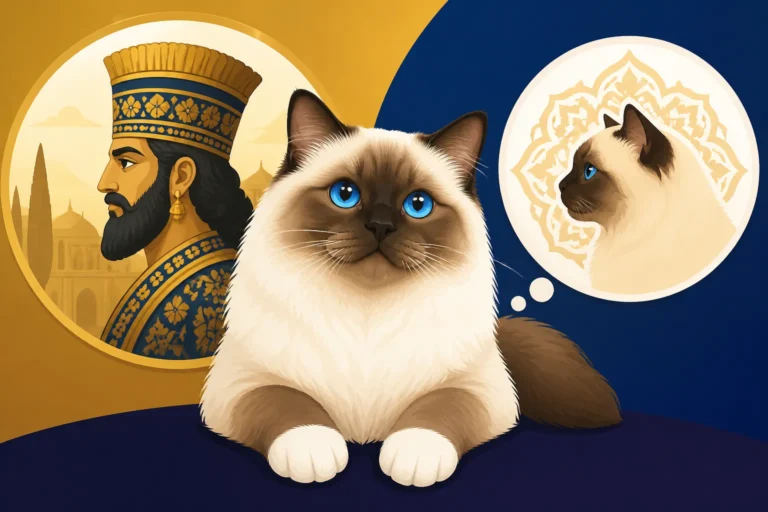
Many Birman cat owners know the breed by its poetic moniker, "The Sacred Cat of Burma." This isn't just a fancy name; it's steeped in a captivating legend of devotion, transformation, and divine blessing. If you've ever wondered about the mystical origins behind those striking blue eyes and perfectly white 'gloves,' this guide will delve into the rich folklore that shaped this beloved breed's identity.
Unraveling the Legend of the Temple of Lao-Tsun
For generations, the enchanting legend of the Birman cat has been passed down, imbuing this beautiful breed with a sense of ancient mystique and spiritual significance. This tale, set in a faraway land, explains the very characteristics that make the Birman so unique and revered, particularly those striking blue eyes and perfectly gloved paws. It’s a story that every Birman enthusiast eventually encounters, and it truly elevates the breed beyond just another pretty face.
The Sacred Transformation of Sinh
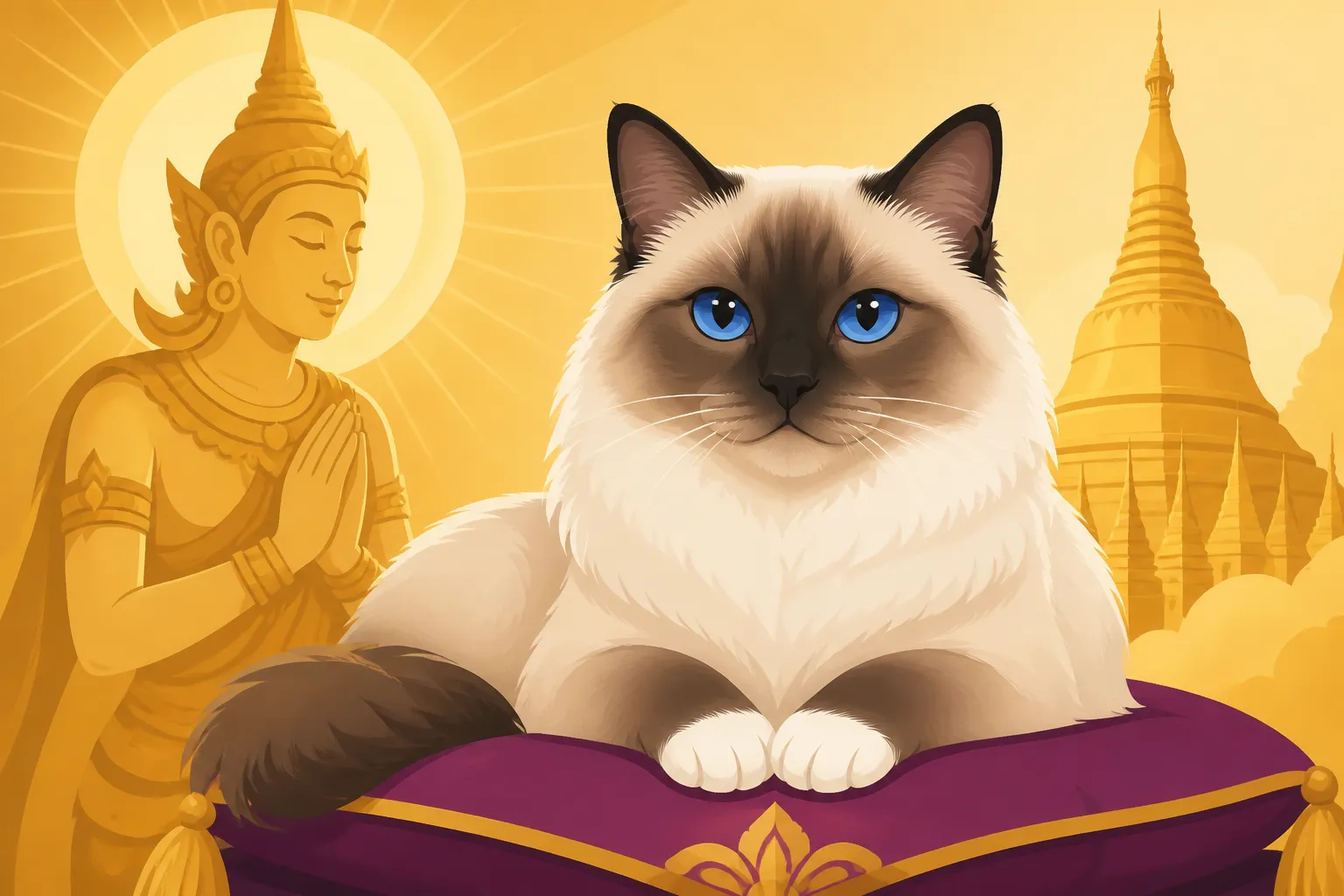
The heart of the Birman legend takes us to the serene and majestic Temple of Lao-Tsun, nestled high in the mountains of ancient Burma, what we now call Myanmar. Here, amidst golden statues of goddesses with sapphire eyes, lived a revered community of Kittah priests. These holy men shared their sacred space with a hundred pure white, long-haired cats, whose golden eyes were believed to house the souls of deceased priests, guiding them on their journey to the afterlife. The most revered among the priests was Mun-Ha, a man known for his profound wisdom and unwavering devotion to the golden goddess Tsun-Kyan-Kse. His constant companion was Sinh, a magnificent pure white cat whose golden eyes held a quiet intensity.
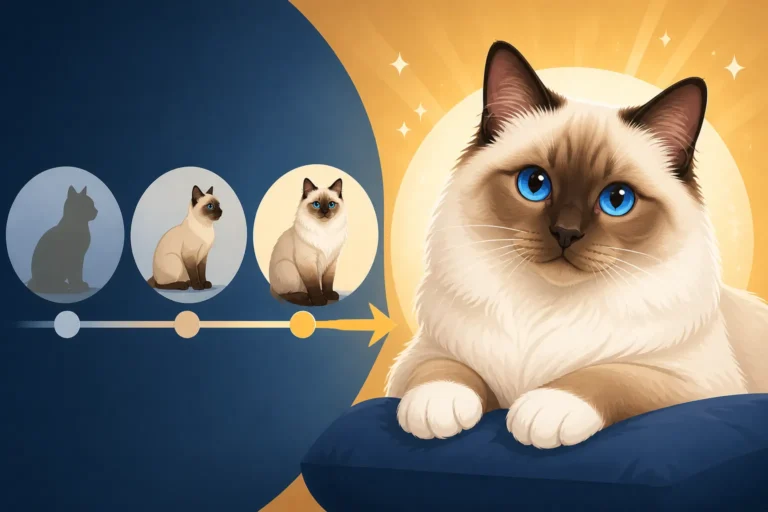
One fateful and tragic night, the peaceful temple was brutally attacked by raiders. As the revered Mun-Ha lay dying before the statue of his beloved goddess, his faithful cat, Sinh, leapt onto his master's chest. Sinh gazed intently into the sapphire eyes of Tsun-Kyan-Kse, and in that moment of deep sorrow and unwavering loyalty, a miraculous transformation unfolded. Sinh’s golden eyes shifted to an ethereal sapphire blue, mirroring the goddess's own. His pristine white fur took on a shimmering golden hue, reflecting the goddess's golden body, while his face, ears, legs, and tail deepened to a rich, earthy brown – the distinct 'points' that would come to define the Birman.
But the most iconic change, and the one that forever marked the breed, occurred on Sinh's paws. Where his pure white feet touched his dying master, they remained untouched by the golden and brown transformation, staying startlingly white. These became the famed 'gloves' of the Birman, a divine blessing symbolizing purity and devotion. This sacred event solidified not just Sinh's special status, but that of all cats descended from him, earning them the title of the "Sacred Cat of Burma." Which Goddess the Birman Legend Names and her role in this transformation is central to understanding the Birman's mythical beginnings.
The Divine Sign: How the Birman's Distinctive Markings Appeared
The legend unfolds further, describing how, when the sun rose the next morning, a truly astonishing sight greeted the surviving priests. All the other cats within the Temple of Lao-Tsun had undergone the same miraculous transformation as Sinh. Each now bore the golden body, sapphire eyes, dark points, and most importantly, the pristine white gloves and laces. This collective transformation was interpreted as a direct divine sign, a blessing from the goddess Tsun-Kyan-Kse, confirming the sacred role of these cats and their guardianship over the temple and its holy men. The white paws, in particular, were seen as an everlasting symbol of purity, a tangible connection to the sacred earth upon which the priests, and now the cats, tread.
This enchanting story serves as a beautiful, albeit fantastical, explanation for the very specific physical traits that modern Birman breeders meticulously work to achieve. The deep, piercing blue eyes, the creamy-gold body color that contrasts so elegantly with the darker seal, blue, chocolate, or lilac points, and, of course, the exquisite white 'gloves' on the front paws and the higher 'laces' on the back. It's truly remarkable how a legend from a bygone era can so precisely dictate the aesthetic ideals of a contemporary pedigree cat. Breeders dedicate countless hours striving for that elusive perfect symmetry and length in the gloves, honoring this ancient, mythical standard.
This sacred patterning, with its clear delineation between the dark points and the pure body color, is not just visually stunning but deeply symbolic. It speaks to a transition from the mundane to the sacred, a spiritual awakening reflected in the very fur of these animals. For those who encounter Birmans for the first time, or for long-time enthusiasts, the legend provides a powerful lens through which to view these magnificent cats, adding a layer of reverence to their already captivating beauty. It helps explain why the quest for perfect gloving in breeding is not merely about aesthetics, but about honoring an ancient, if mythical, ideal. Why the Birman Legend Explains the White Gloves perfectly encapsulates this breed's foundational myth and its enduring appeal.
Beyond the Myth: Fact vs. Folklore
As captivating as the legend of the Temple of Lao-Tsun is, it’s important to separate the romanticized story from the actual historical record. While the tale provides a wonderful origin myth, most feline historians and breed experts agree that there is no verifiable historical or archaeological evidence to support the existence of such cats or the specific events described in ancient Burma. The narrative is largely considered a piece of delightful folklore, rather than factual history.
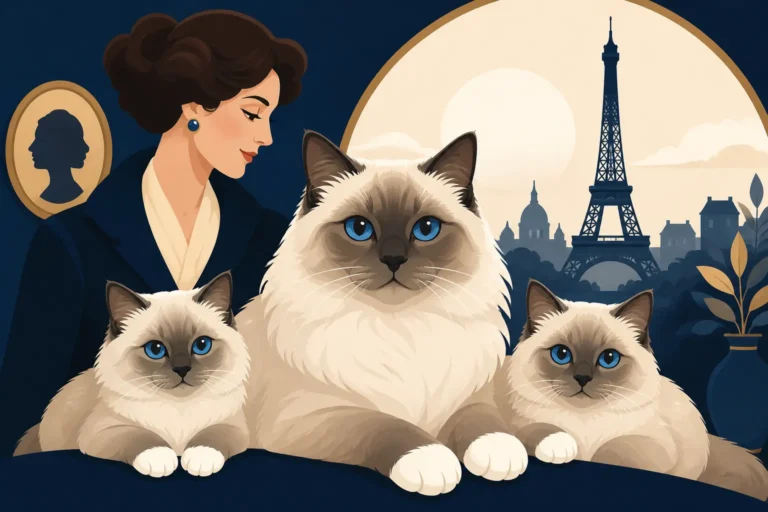
The true origins of the Birman breed are much more recent, firmly rooted in European breeding programs of the early 20th century. It is widely believed that the legend itself was predominantly crafted in France, where the breed was first formally established. European breeders often developed elaborate and exotic backstories for new breeds, especially those with mysterious or uncertain ancestries, to enhance their allure and appeal to a public captivated by tales of faraway lands. The title "Sacred Cat of Burma" certainly achieved this, capturing the imagination and contributing significantly to the breed's initial popularity. Whether Burmese Temples Ever Kept Birmans is a question that fascinates many, but the historical consensus points to no.
Despite its mythical nature, the legend plays a crucial cultural and emotional role for the Birman breed and its admirers. It provides a profound identity, a sense of ancient wisdom, and a noble heritage that resonates deeply with owners. It reinforces the image of a cat that is not only beautiful but also gentle, intelligent, and imbued with a quiet, almost spiritual presence. This powerful narrative contributes immensely to the Birman's unique appeal and ensures that it will forever be cherished as the "Sacred Cat of Burma," regardless of its factual origins. The enduring nature of the legend speaks volumes about the breed's charm. Why the Birman Legend Was Written Down in France offers further insight into how this enchanting story came to be.
The Birman's Journey to the West: A Tale of Intrigue and Survival
While the legend weaves a beautiful tapestry of divine origins, the Birman's actual journey from its rumored homeland to the drawing rooms of Europe is a testament to human fascination, dedication, and the breed's remarkable resilience. This part of the story, though less fantastical, is equally compelling, marked by intrigue, near-extinction, and a passionate commitment to preservation. It's a journey that explains how a cat from Southeast Asia found a permanent home in the Western world.
From the Temples (or Traders) to France
The verifiable history of the Birman's arrival in the Western world typically begins in the early 20th century, specifically around 1919. The accounts are somewhat shrouded in mystery, contributing to the breed's enigmatic charm. The most common narrative suggests that the first Birmans were smuggled or acquired from Southeast Asia, possibly Burma, by individuals with connections to the region, such as a French military major named Russell or an American millionaire, Mr. Vanderbilt. These cats were believed to have been associated with temple life, though perhaps not in the way the legend describes.
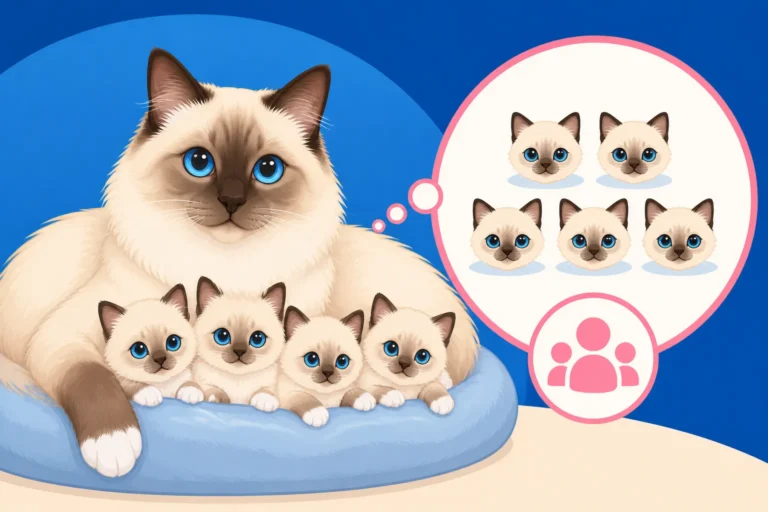
One particularly poignant version of this historical account details a pair of these cats being shipped to France. Sadly, the male cat reportedly perished during the arduous sea voyage. However, the female, named Sita, was said to be pregnant and safely delivered a litter of kittens upon her arrival in Nice, France. These kittens, along with their resilient mother, are often considered the foundational stock from which the entire Western Birman population descended. It's a dramatic entry into history, highlighting the challenges of transporting animals across continents in that era. Who Shipped the First Birmans to France and Why the Male Birman Died at Sea are questions whose answers remain somewhat speculative, but the impact of these initial arrivals is undeniable.
From these early, precious arrivals, dedicated French breeders began the meticulous work of developing and standardizing the breed. The first recorded Birman cat in France was officially registered in 1925, under the name "Sacre de Birmanie," or "Sacred Birman," thus formally introducing the breed to the European cat fancy. This period was crucial for shaping the Birman's physical traits, solidifying its unique markings, and establishing the foundational lines that would eventually spread across Europe and beyond. When France Registered the Sacre de Birmanie marks a pivotal moment, transforming a rumored cat into a recognized breed.
The Devastation of War and Rebuilding the Breed
Just as the Birman breed was beginning to establish itself and gain popularity in Europe, the world was plunged into the turmoil of World War II. The devastating conflict brought immense hardship to people and animals alike, and the fragile Birman population was hit particularly hard. Many catteries were destroyed, breeding programs ceased, and the breed, still relatively rare and with a limited gene pool, faced the very real threat of extinction. It’s a somber chapter in their history, emphasizing how easily a cherished breed can be lost.
By the end of the war, the situation was dire. It is widely believed that only two Birman cats survived the war in Europe: a male named Orloff and a female named Xenia de Kaabaa. Their survival was nothing short of a miracle, and they became the genetic foundation upon which the entire modern Birman breed was painstakingly rebuilt. To prevent severe inbreeding and to expand the dangerously small gene pool, dedicated breeders had to carefully outcross these remaining Birmans with other long-haired breeds, primarily Persian cats and, in some instances, Siamese cats, to restore numbers and ensure genetic viability. How Many Birmans Survived the Second World War vividly illustrates the precarious state of the breed at that time.
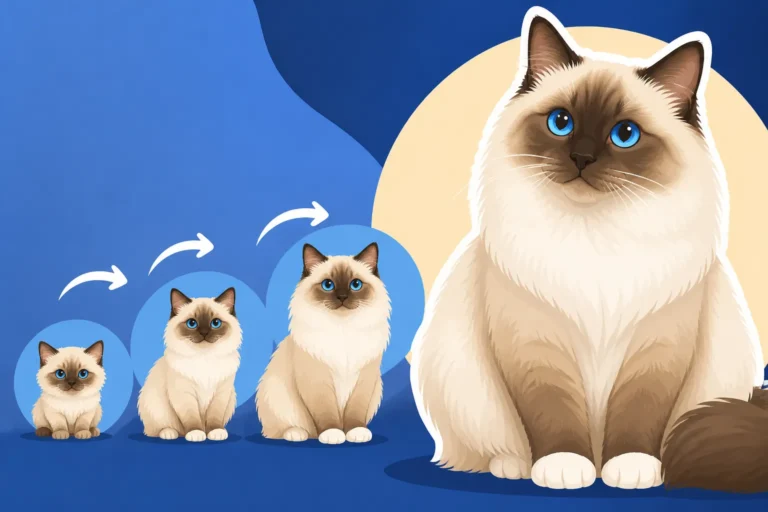
The process of rebuilding the Birman breed was a monumental task, requiring years of careful selection and breeding to restore the breed's distinct characteristics, particularly those iconic white gloves and laces. It was a testament to the perseverance and deep passion of breeders who were determined not to let this beautiful and unique cat vanish from the world. Thanks to their tireless efforts, the breed eventually recovered, and by the 1960s, it began to gain international recognition, once again captivating cat lovers with its beauty and gentle temperament. Which Two Cats Rebuilt the Birman celebrates the extraordinary efforts of those who brought the breed back from the brink.
The Enduring Legacy of a 'Sacred' Name
Even with the understanding that the Birman's mythical origin story is largely folklore, the title "Sacred Cat of Burma" holds immense power and continues to shape the breed's identity in the modern world. It’s far more than just a historical anecdote; it's a descriptor that perfectly encapsulates the Birman's inherent grace, tranquil demeanor, and captivating allure, resonating deeply with all who encounter these magnificent felines.
Why the Story Resonates with Birman Owners
The legend imbues the Birman with a sense of ancient wisdom, tranquility, and a gentle spirit, qualities that align perfectly with the breed's actual temperament. Birman owners consistently describe their companions as calm, affectionate, and incredibly patient, making them wonderful household members. They are known for their quiet demeanor, often communicating with soft trills rather than loud meows, and their endearing habit of following their humans from room to room, preferring quiet companionship over boisterous activity. This behavior perfectly fits the image of a sacred temple cat, a serene observer offering silent, unwavering support.
Many Birman parents find a profound connection to this legend because it beautifully reflects the serene, almost ethereal presence their cats bring into their homes. It’s remarkably easy to imagine a Birman, with its striking sapphire eyes and gentle, intelligent gaze, serving as a spiritual guardian or a comforting presence, much like the temple cats of old. This narrative provides a deeper layer of appreciation for the cat, elevating it beyond a mere pet to something imbued with a sense of ancient history and quiet majesty. The legend's emphasis on loyalty and devotion further enhances this bond, as Birmans are well-known for forming deep, loving attachments to their families.
When you choose to welcome a Birman into your life, you are not just acquiring a beautiful animal; you are embracing a piece of this rich history and captivating mystique. The legend deepens the experience of owning such a graceful and mild-mannered animal, making every interaction feel a little more meaningful. You might even find yourself browsing for specialty items for your regal companion on trusted sites like Chewy, knowing that your "sacred" cat deserves the very best, from premium, nutritious food to comfortable, plush beds that enhance their serene lifestyle. This dedication to their well-being mirrors the reverence in the old tales.
Modern Interpretations and the Breed Standard
Even within the stringent guidelines of modern breed standards, the influence of the "Sacred Cat of Burma" legend remains subtly yet powerfully present. The meticulous emphasis on the Birman's distinctive markings – those intensely deep sapphire blue eyes, the stark contrast of the 'points' against the lighter body, and, critically, the precise patterning of the pure white 'gloves' on the front paws and the higher 'laces' on the hind paws – directly echoes the divine transformation described in the ancient tale. Judges at cat shows scrutinize these features with utmost care, recognizing their paramount importance to the breed's iconic image and its legendary origins.
For instance, the precise delineation and symmetry of the white markings on the paws are considered the hallmark of the Birman. The 'gloves' on the front paws should ideally be perfectly symmetrical and terminate cleanly at the metacarpal-phalangeal joint, appearing as if the cat has dipped its paws in pure white. On the hind paws, the white 'laces' are expected to extend further up the back of the leg, ending in a graceful, inverted V-shape. This intricate detail, born directly from the legend, is a defining characteristic that distinctly sets the Birman apart from other pointed breeds, making it instantly recognizable. What a Century Has Not Changed About the Birman includes these fundamental visual characteristics that define the breed today.
The breed standard also describes a cat of moderate build, possessing a sturdy yet elegant frame that is neither overly cobby nor excessively svelte. Its broad, rounded head, full cheeks, and medium-sized ears contribute to its sweet and amiable expression. The coat is semi-long, wonderfully silky, and notably lacks a dense undercoat, contributing to its graceful appearance and ease of grooming. All these physical attributes, combined with the inherently gentle and placid temperament, culminate in the overall image of a balanced, beautiful, and indeed, "sacred" animal. Maintaining a Birman's lustrous coat and overall health, perhaps with high-quality grooming tools and specialized foods readily available from retailers like Chewy, directly supports these breed ideals and helps uphold its beautiful legacy.
Birman Physical Traits vs. Legend Elements
| Trait | Legendary Origin (Temple of Lao-Tsun) | Modern Breed Standard Significance |
|---|---|---|
| Blue Eyes | Reflection of goddess Tsun-Kyan-Kse's sapphire eyes after Sinh's transformation. | Essential feature; deep, clear sapphire blue is highly prized. Lack of blue eyes is a disqualification. |
| White Gloves/Laces | Paws remained pure white where Sinh touched his dying master, symbolizing purity and devotion. | Defining characteristic; strict symmetry and length requirements for show. Faults include uneven or missing gloves. |
| Golden Body Coat | Sinh's coat turned golden, matching the goddess's body. | Desired body color, a pale cream or off-white, showing good contrast with darker points. |
| Dark Points | Face, ears, legs, and tail became brown, signifying the transformation. | Required color on extremities (seal, blue, chocolate, lilac, red, tortie, tabby points). |
| Gentle Temperament | Cats were revered companions to Kittah priests, embodying tranquility and wisdom. | Known for being calm, placid, affectionate, and people-oriented, making them ideal family pets. |
| Long, Silky Coat | Descriptions of the temple cats as pure white, long-haired. | Semi-long, silky coat without a dense undercoat, contributing to its graceful appearance and minimal matting. |
The name "Sacred Cat of Burma" is more than just a historical curiosity; it’s an integral part of what makes the Birman cat so special. It ties the physical beauty and gentle nature of the breed to a timeless story of devotion and divine grace, ensuring that every Birman carries a piece of that mystique within its very being. When you see a Birman gracefully moving through your home, you can truly appreciate the centuries-old narrative that still whispers through its striking features. When it comes to providing the best care for these magnificent creatures, resources like Chewy offer a wide range of products tailored to their specific needs, from specialized grooming tools to nutritious food that supports their stunning coats and overall well-being. This ensures the legacy of the "Sacred Cat" continues in every loving home.
Disclaimer
This article is for general informational purposes only and does not constitute professional advice. Laws, prices and regulations vary by location and change over time. Consult a qualified professional for guidance on your specific situation.