Whether Burmese Temples Ever Kept Birmans
For many of us who fall in love with the Birman cat, there's an immediate enchantment not just with their striking appearance and sweet nature, but with the captivating legend of their origins. It’s natural to wonder if these beautiful tales of ancient temples and divine transformations hold any actual historical truth, especially when it comes to whether these magnificent felines truly guarded sacred sites in Burma. This guide delves into the cherished Birman origin story and contrasts it with what history and genetics actually tell us.
The Allure of the Birman's Origin Legend
The Birman cat's origin story is one of the most romantic and enduring myths in the feline world. It speaks to something deep within us, connecting these beautiful creatures to ancient mysticism and sacred spaces. It’s a tale that adds an extra layer of magic to an already enchanting breed, making them feel like more than just pets – almost like living pieces of history.
The Sacred Cat of Burma and the Temple of Lao-Tsun
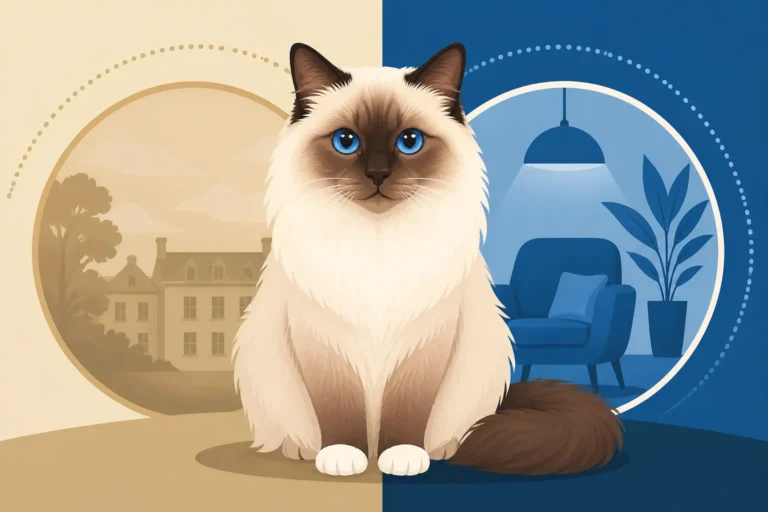
The most widely known and beloved legend surrounding the Birman cat posits its origins in ancient Burma, specifically within the magnificent Temple of Lao-Tsun. This tale describes a time when the temple was home to a revered goddess, Tsim-Kyan-Kse, with eyes of sapphire blue, who watched over her devoted priests. Beside the high priest, Mun-Ha, there was a magnificent white temple cat named Sinh, who shared his master’s golden eyes. The temple was attacked by invaders, and Mun-Ha was tragically struck down. At this critical moment, Sinh placed his paws on his fallen master, looking into the eyes of the golden goddess. In an instant, his fur transformed from pure white to a golden hue, matching the goddess’s statue. His legs, ears, tail, and nose took on the rich, dark points of the earth, but his paws, where they touched his master, remained pure white, symbolizing purity. His golden eyes transformed to a brilliant sapphire blue, reflecting the goddess's gaze.
This transformation was said to then occur in all the other temple cats, who also acquired the same distinctive markings. The white feet, known as "gloves," were seen as a divine blessing and a constant reminder of Mun-Ha’s pure soul. This story, passed down through generations of Birman enthusiasts, paints a picture of a breed deeply intertwined with spiritual reverence and miraculous events. It’s no wonder people yearn to believe in such a poetic genesis for their beloved companions. It truly gives the breed a sense of ancient mystique and noble purpose, a legacy that resonates with anyone who owns a Birman. The Birman Is the Sacred Cat of Burma, and the Story Is a Legend is a deeper dive into this captivating narrative.
How the Legend Explains the Birman's Distinctive Markings
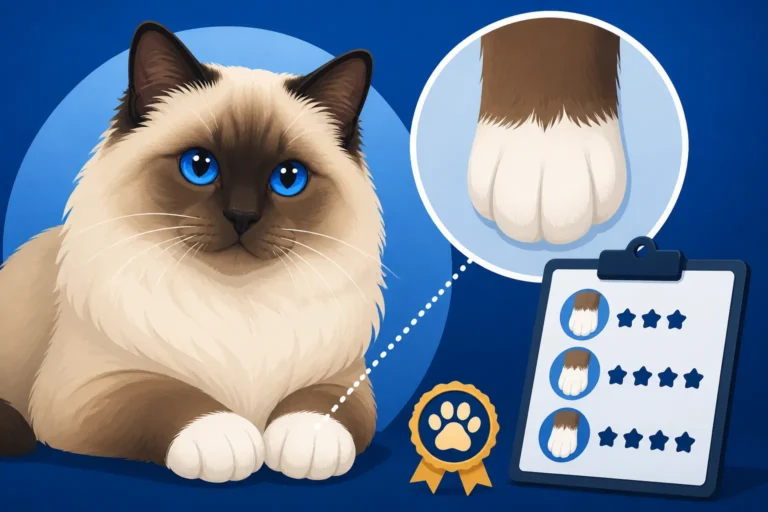
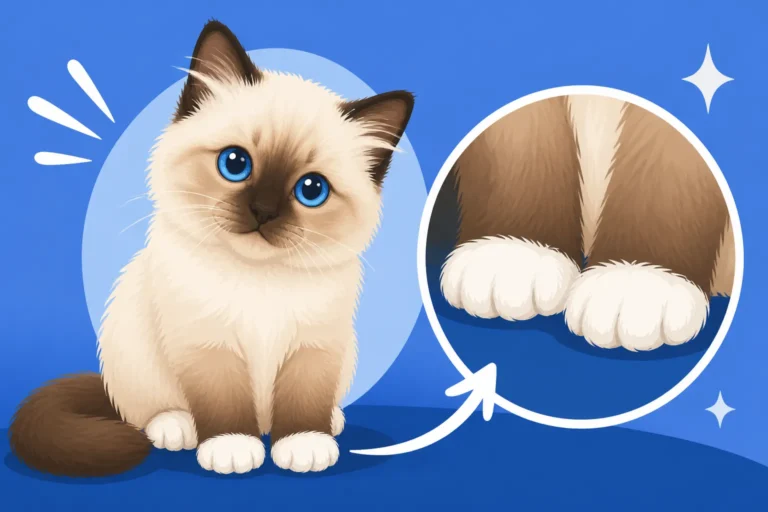
The legend isn't just a whimsical story; it cleverly provides a mythical explanation for the Birman's most distinctive and cherished physical traits. Those pure white "gloves" on all four paws, famously the hallmark of the breed, are explained as the divine touch of the goddess, preserving the priest's purity. The dark points – the seal, blue, chocolate, or lilac hues on their ears, face mask, legs, and tail – are attributed to the earthly elements, a stark contrast to their pale, golden bodies. And then there are those incredibly striking, deep sapphire-blue eyes, said to be a direct reflection of the goddess’s own gaze.
For Birman enthusiasts, these physical characteristics are not merely aesthetic; they are living testaments to this beautiful, albeit fictional, history. When you look at a Birman's perfectly gloved paws, it’s easy to imagine the ancient tale and feel a connection to something larger and more mystical. This narrative adds immense character and depth to the breed, fostering a unique appreciation for their appearance that goes beyond mere beauty. It makes every Birman feel like a sacred treasure, a descendant of those miraculous temple guardians. Why the Birman Legend Explains the White Gloves explores this connection in more detail.
Scrutinizing the Historical Record: Fact vs. Fiction
While the Birman legend is undeniably enchanting, a realistic look at historical records and feline genetics presents a different picture. It can be a little disappointing, I know, to learn that such a beautiful story might not be true, especially when you've fallen in love with a breed that seems to embody it so perfectly. But understanding the actual history doesn't diminish the Birman's charm; it simply shifts our appreciation to the dedicated breeders who truly brought this incredible cat into existence.
The Lack of Historical Evidence in Burma
Here's where the romantic bubble might gently burst for some: there is no historical or archaeological evidence to suggest that Birman cats, as we know them today, ever existed in ancient Burmese temples. While Burma (now Myanmar) is rich in ancient culture and Buddhist traditions, and cats were certainly present in the region, there are no documented records, ancient artworks, or genetic markers that connect the modern Birman breed directly to these sacred sites. The kind of detailed, specific markings of the Birman, particularly the precise white "gloves" and "laces," are not found in historical depictions of cats from that region.
In fact, the legend itself, beautiful as it is, was not recorded in Burma. Instead, it seems to have been created and popularized in the Western world, specifically in France, to lend an air of exotic mystery and ancient lineage to a newly developing breed. Why the Birman Legend Was Written Down in France sheds more light on this fascinating aspect. The absence of historical evidence in Burma doesn't mean ancient Burmese people didn't revere cats, but it does mean that the Birman's specific origin story is more of a charming marketing narrative than historical fact.
The European Genesis of the Birman Breed
The true story of the Birman cat's origin is firmly rooted in Europe, primarily France, during the early 20th century. While the exact genetic mix and timeline are somewhat debated due to the disruptions of two World Wars, the consensus among feline historians is that the Birman was developed through careful breeding efforts involving existing European cat breeds. Most theories point to crosses between Siamese cats, known for their pointed coloration, and long-haired breeds like the Persian, which contributed the luxurious coat. This blending of traits, refined over generations, eventually produced the distinct Birman look: a pointed cat with a silky, medium-long coat, captivating blue eyes, and, of course, those unique white gloves.
One popular theory involves two cats, a male named Maldapour and a pregnant female named Sita, supposedly smuggled out of Burma around 1919 and brought to France. While Maldapour tragically died on the journey, Sita's kittens are said to have formed the foundation of the breed in Europe. This story, while still having some romantic elements, is far more grounded in documented breeding efforts than the temple legend. Early breeders in France, keen to establish a unique and elegant breed, nurtured these lines. Who Shipped the First Birmans to France delves into these early European accounts. The breed was officially recognized in France in 1925, cementing its European heritage. For more on the complex genetic tapestry, you might read What Genetics Say About the Birman's Origin. It highlights the scientific understanding of how certain traits, like the gloving gene, became fixed in the breed.
| Feature | Mythical Origin (Temple of Lao-Tsun) | Historical Reality (European Development) |
|---|---|---|
| Location | Ancient Burma, Temple of Lao-Tsun | Early 20th Century France |
| Primary Event | Divine transformation of cats in response to a priest's death | Intentional cross-breeding of existing cat types (e.g., Siamese, Persian) |
| White Gloves | Sacred touch of priest's purity, blessed by goddess | Result of specific genetic traits carefully selected by breeders |
| Blue Eyes | Reflection of the sapphire eyes of the goddess | Genetic trait linked to colorpoint gene, common in Siamese ancestry |
| Coat Color | Golden transformation from pure white | Colorpoint pattern (darker extremities) inherited from ancestors |
| Documentation | Oral tradition, romanticized story | Breeder records, registry documents, genetic analysis |
| First Appearance | Ancient times, alongside Buddhist priests | Early 1900s in Europe |
The Importance of the Legend, Despite Its Origins
Even with the historical clarity, the Birman legend isn't just some quaint piece of forgotten fiction; it's an integral part of the breed's identity and its enduring appeal. There’s a power in stories, and this one has shaped how many of us perceive and connect with these incredible cats. It doesn’t matter that it’s not historically accurate; what matters is the impact it has.
Why the Myth Persists and Its Cultural Impact
The Birman legend persists because it adds a rich, evocative backstory to a truly beautiful cat. It taps into our human desire for wonder, for something sacred and extraordinary in our everyday lives. For potential owners, the story elevates the Birman beyond just another breed; it offers a glimpse into a supposed ancient heritage, making the cat feel special, noble, and even mystical. This narrative makes the Birman memorable and unique, setting it apart in the crowded world of pedigreed cats. Breeders often share the legend as part of the Birman experience, knowing it resonates deeply with those drawn to the breed's ethereal beauty and gentle nature. It’s part of the mystique that helps sell the dream, connecting prospective owners to a sense of history and spiritual significance, even if it's a romanticized one. Whether the Birman's Legend Still Helps It Sell further explores this marketing magic.
The cultural impact is undeniable: the Birman is often called the "Sacred Cat of Burma," a title that immediately conjures images of ancient temples and serene wisdom. This perception influences how people interact with Birmans, often treating them with an extra degree of reverence and respect. It fosters a deep connection, a feeling that you're not just owning a cat, but safeguarding a lineage. The emotional resonance of the legend is perhaps more important than its historical accuracy, enriching the experience of Birman ownership for countless families.
Appreciating the Birman's True Legacy
While the temple legend is a myth, the Birman's true legacy is no less impressive. It’s a testament to dedicated breeders who, through careful selection and thoughtful pairings, created a cat of exquisite beauty and famously gentle temperament. The actual history involves meticulous genetic work, an understanding of feline traits, and a passion for developing a truly unique companion. The Birman's silky, non-matting single coat, its vivid blue eyes, and its perfectly symmetrical white gloves are all real, tangible achievements of thoughtful breeding programs. The phrase "Sacred Cat of Burma" might be romantic, but the actual development of the breed is a fascinating journey of human dedication.
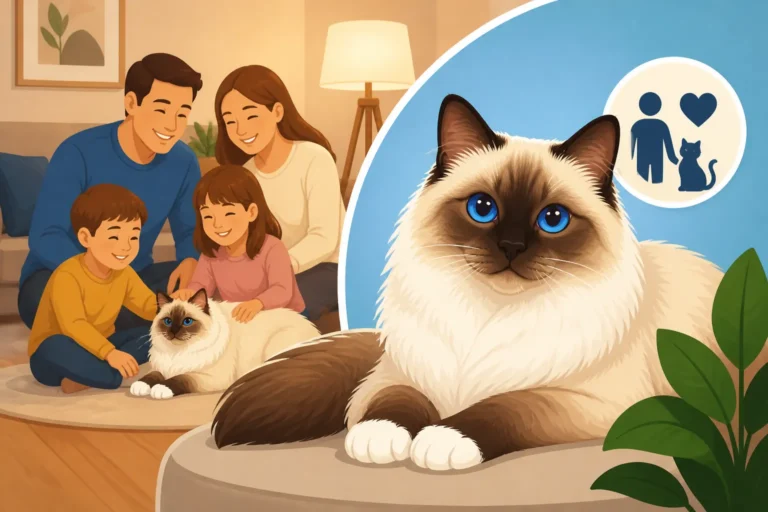
Today, the Birman is celebrated not for mythical temple duties, but for its incredibly loving, placid, and sociable personality. They are known for their quiet demeanor, their tendency to "follow you without demanding anything," and their ability to integrate beautifully into family life, often getting along wonderfully with children and other pets. Why Every Standard Calls the Birman a Gentle Breed speaks volumes about this aspect. Their genuine attributes—their gentle nature, their stunning appearance, and their robust health (when responsibly bred)—are their true, undeniable legacy. Caring for these wonderful cats involves finding quality nutrition, perhaps browsing reputable online retailers like Chewy for their favorite wet food or a comfortable bed, and ensuring they receive regular veterinary care.
Common Misconceptions and the Breeder's Role
Understanding the truth behind the Birman's origins also helps to clarify other common misconceptions and highlights the vital role of responsible breeders in preserving the health and integrity of the breed. It’s important to separate the romantic tales from the practicalities of cat care and breeding.
Distinguishing Birman History from Other Breeds
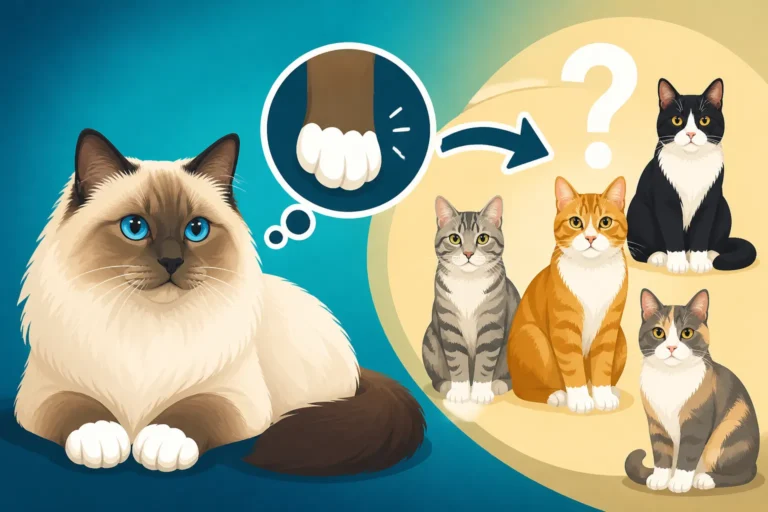
It's easy to lump all "Oriental" or "Asian" cat breeds into one historical narrative, but each has its own distinct past. While the Siamese cat, for example, has more verifiable historical ties to Southeast Asia and is often depicted in ancient manuscripts and artwork from Thailand (formerly Siam), the Birman's story is fundamentally different. The point coloration itself is a genetic trait, found across many breeds, but the Birman's specific combination of this trait with long hair and distinct white gloves sets it apart. The existence of The Gloving Gene Every Birman Carries Two Copies Of is a scientific explanation, not a mythical one, for their unique paws.
Comparing the Birman to other breeds like the Ragdoll, which also carries a similar gentle temperament and semi-long coat, further emphasizes these distinctions. While both are beautiful, placid cats, their histories and genetic compositions are different. For example, How a Birman Differs From a Ragdoll by Its Feet highlights a key visual difference that stems from their unique breed standards and genetic pathways. The Birman's unique genetic signature, particularly the gloving gene, is something that breeders have carefully managed over generations. The historical outcrossing needed to rebuild the breed after wartime devastation also brought in genetic contributions from other breeds, further cementing its European development rather than ancient Burmese origins. Which Breeds Were Crossed In to Save the Birman goes into more detail on this critical period.
How Breeders Address the Origin Story
Responsible Birman breeders understand the allure of the temple legend, and many will share it with prospective owners as a charming anecdote. However, they will always differentiate it from the factual history of the breed. Their priority is to educate buyers about the real origins, the genetic health considerations, and the specific care requirements of a Birman. They focus on the integrity of their breeding lines, ensuring health screenings for conditions relevant to the breed, like hypertrophic cardiomyopathy (HCM) and polycystic kidney disease (PKD), and adhere to breed standards that define the Birman's appearance and temperament.
When you're speaking with a reputable breeder, they'll emphasize the documented lineage of their cats, the health tests performed on parent animals, and the temperament of the kittens. They’ll proudly discuss the work that went into producing a healthy, well-socialized kitten with the correct Birman characteristics, like the beautiful gloves and blue eyes. They understand that while the legend is a nice story, the actual care and well-being of the cat are paramount. Finding the right tools for grooming that silky coat, or a nutritionally sound diet, often means shopping at places like Chewy or a trusted local pet supply store, where product information is readily available. A breeder might even recommend specific types of brushes or foods they've found beneficial for their Birmans, knowing that quality care contributes to a long and happy life. After all, what truly matters is the happy, healthy cat in your home, not a mythical backstory.
Disclaimer
This article is for general informational purposes only and does not constitute professional advice. Laws, prices and regulations vary by location and change over time. Consult a qualified professional for guidance on your specific situation.