Why the Male Birman Died at Sea
When we delve into the romantic origins of the Birman cat, there's a foundational story that often carries a somber note: the loss of the male half of the pioneering pair during their journey from Burma to Europe. It’s a detail that underscores the incredible resilience of the breed and the challenges faced by those who first sought to establish it in the Western world. This guide explores the historical backdrop of that fateful voyage and sheds light on the likely circumstances surrounding this tragic, yet pivotal, event.
The Genesis of a Legend: The Birman's Arrival in the West
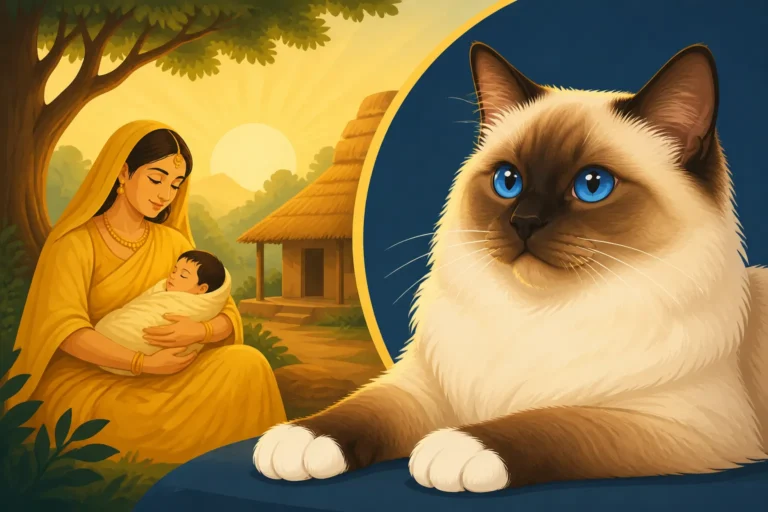
The Birman cat's journey to global recognition is steeped in mystery and fascinating legend, truly earning its moniker as the "Sacred Cat of Burma." The stories tell of temple cats, revered and living lives of spiritual significance, far removed from the bustling ports of the early 20th century. However, as colonial influences expanded, so did the allure of exotic animals, and soon, these beautiful, white-gloved felines caught the eye of Western enthusiasts.
Around 1919, a pivotal moment arrived when a pair of these magnificent cats was supposedly acquired and prepared for transport from what was then Burma (modern-day Myanmar) to France. This was not a simple journey; it was an undertaking fraught with peril, especially for live cargo. The exact details are shrouded in the mists of history, with various accounts mentioning different individuals responsible for their acquisition and transit. Some stories point to a Major Gordon Russell or a French industrialist named Mr. Vanderbilt. Regardless of the exact human escort, the intent was clear: to introduce these stunning cats to the burgeoning European fancy. This event marked the beginning of the Birman as a recognized breed outside its homeland, setting the stage for its unique development and the challenges it would face. You can learn more about The Birman Is the Sacred Cat of Burma, and the Story Is a Legend and Who Shipped the First Birmans to France to understand the historical context.
The world of international pet transport in the early 1900s was vastly different from what we know today. There were no climate-controlled cabins, no specific pet-friendly protocols, and certainly no dedicated animal couriers with veterinary support. Animals were often considered cargo, much like any other goods, and their well-being was secondary to the logistics of the journey. The concept of animal welfare, especially for domestic pets, was still in its infancy. For a cat, particularly one accustomed to a sheltered temple life, such a journey would have been an immense shock to its system.
The Perilous Passage: Why Sea Travel Was a Death Sentence for Many Animals
Imagine a sea voyage in the early 20th century. Long before air travel became commonplace, ships were the primary means of moving goods and people across continents. These journeys could last weeks, even months, crossing vast oceans, enduring storms, and battling unpredictable weather. For animals on board, the conditions were often harsh and unforgiving.
Cats, being creatures of routine and sensitive to their environment, would have faced immense stress. They were likely confined in small, unfamiliar spaces, subjected to the constant motion of the ship, loud noises, and the unsettling smell of saltwater and diesel. The lack of proper sanitation could lead to illness, and limited access to fresh water or appropriate food sources would have quickly taken a toll. There were no specialized veterinary services on board most cargo or passenger ships, meaning any sickness or injury would likely go untreated. A simple respiratory infection, exacerbated by stress and poor ventilation, could turn fatal rapidly. Even today, despite advancements, pet travel carries risks, which is why brands like Chewy offer stress-reducing supplements or specialized carriers designed for comfort during travel. But back then, such considerations were non-existent.
The challenges were compounded by several factors. Firstly, hydration was a critical issue. Cats can be notoriously picky about water, and if the water provided was unfamiliar, stale, or contaminated, they might have refused to drink adequately, leading to dehydration. Secondly, nutrition would have been basic at best. It's unlikely that the specific dietary needs of a pedigreed cat were understood or catered for; they would have received whatever common food was available, which may have been insufficient or inappropriate for their delicate digestive systems. Lastly, the sheer psychological toll of prolonged confinement, separation from familiar surroundings, and constant disruption to their natural rhythms could weaken even the hardiest animal. The journey itself became a gauntlet, a test of survival against overwhelming odds. When we look at the efforts made today to ensure comfortable and safe pet travel, it highlights just how brutal those early voyages must have been.
The Fading Echoes of a Tragedy: What We Know About the Male Birman's Demise
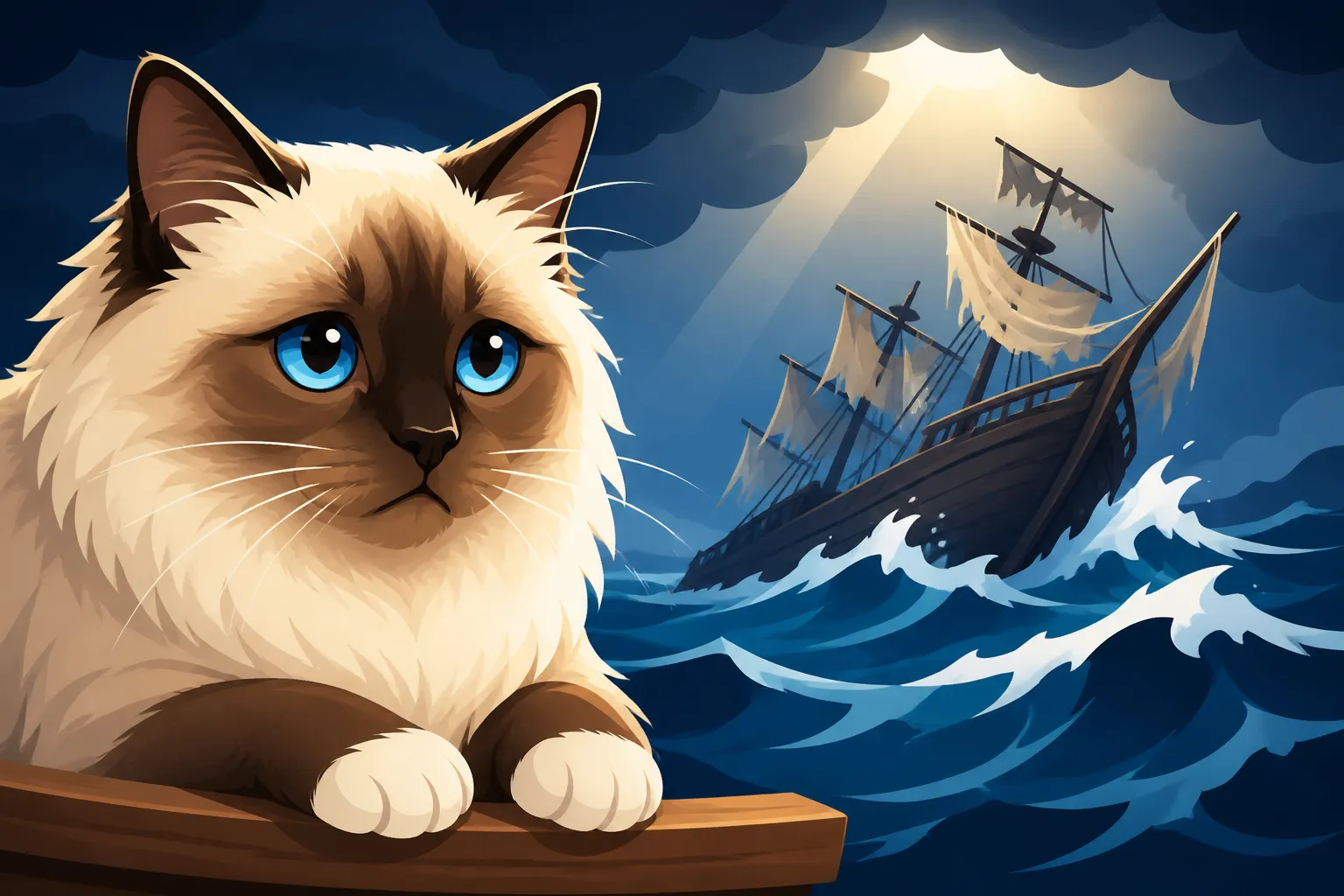
It's a stark reality that one of the founding Birmans, the male, did not complete the journey. He tragically died at sea. While the exact cause remains lost to history, it's not difficult to speculate on the likely reasons, especially given the perilous conditions of the time. The combination of stress, poor diet, inadequate hydration, and exposure to unfamiliar pathogens would have been a potent cocktail for disaster.
The most common theories for his demise revolve around illness or the sheer shock of the experience. A viral or bacterial infection, perhaps contracted during transit or from other animals on board, could have rapidly overwhelmed his system. Cats are masters at hiding illness, a trait that Birmans, with their placid temperament, are particularly known for. By the time symptoms became obvious, it may have been too late for any intervention, even if one were possible. The male cat could have also suffered from extreme dehydration or stress-induced organ failure. Why Only One of the First Two Birmans Survived underlines the fragility of the journey. Without modern veterinary care, diagnostic tools, or even basic knowledge of feline specific needs, it was a miracle that any cat survived such a trip.
The table below outlines a comparison between the conditions faced by animals during early 20th-century sea travel and the standards expected for pet travel today. This stark contrast illustrates just how unforgiving the environment was for that unfortunate male Birman.
| Aspect of Travel | Early 20th Century Sea Travel (Likely Conditions) | Modern Pet Travel Standards (Today) |
|---|---|---|
| Duration | Weeks to months | Hours (air), days (road/sea, often with planned stops) |
| Environment | Cargo holds, often dark, noisy, poor ventilation, extreme temperatures, shared with other cargo/animals | Climate-controlled, pressurized cabins (air), well-ventilated crates (ground/sea) |
| Veterinary Care | Non-existent | Pre-travel health checks, veterinary certificates, emergency vet care at destination |
| Confinement | Basic crates, potentially unsanitary, unknown materials | IATA-compliant carriers, size-appropriate, labeled for live animal, clean |
| Hydration/Food | Irregular, basic water/food, often unsuitable for cats | Controlled feeding schedule, access to fresh water, specific diet requirements met |
| Stress Factors | High noise, constant motion, isolation, unfamiliar smells, lack of human interaction | Efforts to minimize stress (e.g., pheromone sprays, familiar items, human reassurance where possible) |
| Disease Exposure | High, no quarantine protocols, mixed animal populations | Strict vaccination requirements, health certificates, managed animal interactions |
This historical loss serves as a powerful reminder of the immense challenges that early breeders and enthusiasts faced in bringing these treasured felines to the wider world. It was a time when the passion for a breed often meant risking an animal's life, simply because the infrastructure for safe transport didn't exist.
A Legacy Forged in Survival: Sita and the Future of the Birman Breed
Despite the tragic loss of her male companion, the female Birman, Sita, miraculously survived the ordeal and successfully reached France. Her arrival was nothing short of a triumph against overwhelming odds. Sita became the undisputed matriarch of the Birman breed in the Western world, carrying the entirety of the breed's initial genetic legacy from Burma. Without her, there simply would be no Birman cat as we know it today.
Upon her safe arrival, Sita was soon bred, and her offspring would go on to establish the foundation of the breed in Europe. One of her kittens, a female named Poupee de Madalpour, became particularly significant, often cited as a crucial early Birman. Who Poupee de Madalpour Was is another name etched into the breed's history books. These early cats faced their own challenges, including the need for careful breeding programs to establish consistency in type and temperament, all while working with a very limited gene pool inherited solely from Sita.
This initial, incredibly narrow founder base had a profound impact on the Birman breed's development. Breeders in France and later in other countries had to carefully manage genetics to avoid inbreeding depression while striving to meet the emerging breed standards. They had to rely on outcrossing to other breeds, such as Persians and Siamese, to introduce new genetic material and bolster the population, especially after the devastating effects of World War II nearly wiped out the breed again. You can learn more about How a Pair of Birmans Left Burma in 1919 and Where Sita Gave Birth in 1920. The fact that the Birman breed not only survived but thrived, becoming one of the most beloved and recognized longhaired cats globally, is a testament to the dedication of those early breeders and the inherent strength of Sita's lineage.
Even today, responsible Birman breeders continue to focus on genetic health and diversity, building upon the legacy of that brave surviving queen. They understand the importance of careful breeding to maintain the health and vigor of these wonderful cats, ensuring that the Birman's future is as bright as its legendary past. The journey from a single surviving female to the robust, popular breed we cherish is a remarkable story of perseverance, born from both tragedy and unwavering dedication. The Birman Came Out of the War With Two Cats Left showcases the breed's ability to rebound from near extinction multiple times, making the survival of Sita even more incredible.
Disclaimer
This article is for general informational purposes only and does not constitute professional advice. Laws, prices and regulations vary by location and change over time. Consult a qualified professional for guidance on your specific situation.