Whether the Birman’s Outcrossing Bought It Years Over the Persian
It’s a common worry when you bring a pedigree cat into your home: what kind of health challenges might they face, and how long will they truly be with us? For anyone considering a beautiful Birman, or perhaps already sharing their life with one, you might have heard whispers about the breed's history and how it compares to other long-haired beauties like the Persian. The big question often arises: did the Birman's journey through outcrossing actually give it a leg up in terms of lifespan and overall health compared to the Persian, a breed known for its more extreme features? This guide dives deep into the fascinating genetic history of the Birman and its impact on their health and longevity.
The Birman's Post-War Survival and Genetic Rebuilding
Imagine a breed on the brink of extinction, its very existence hanging by a thread. That was the grim reality for the Birman cat after the devastation of World War II. The number of surviving Birmans had dwindled to an incredibly low count, forcing dedicated breeders to make difficult decisions to save the breed they cherished. This dramatic historical event is key to understanding the Birman's current genetic makeup and health profile.
The Dire Situation for Birmans Post-WWII
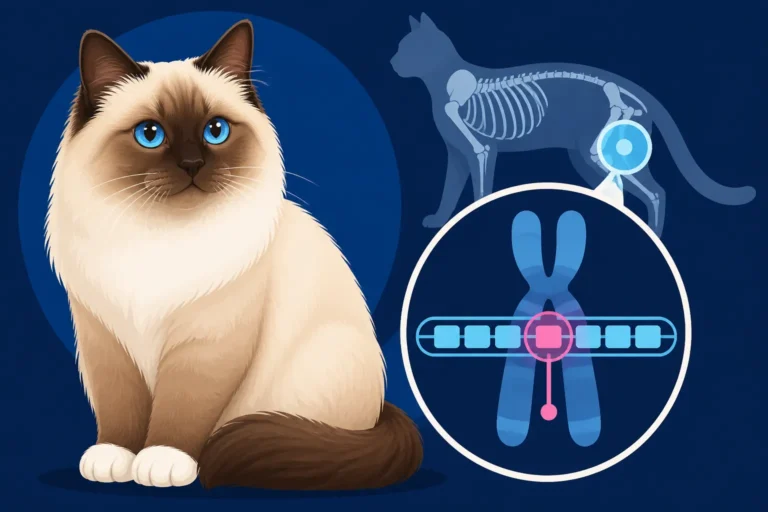
Following the war, the Birman population in Europe was decimated. Records suggest that the entire breed line descended from just two cats in 1945, a pair named Orloff and Xenia de Kaabaa. It’s a truly staggering thought, isn't it? Such a tiny gene pool is a recipe for disaster in terms of genetic health, leading to intensified inbreeding and the potential for severe health issues to become rampant. To ensure the survival and genetic viability of the breed, outcrossing became not just an option, but an absolute necessity. Without it, the Birman as we know it today simply wouldn't exist. This pivotal moment is crucial when we consider How Two Cats in 1945 Shaped the Birman's Health.
The Breeds Introduced for Outcrossing
To expand the gene pool and bring in new vitality, Birman breeders carefully selected other breeds for outcrossing. The most prominent among these were the Persian and, to a lesser extent, the Siamese, along with other domestic longhairs. The Persian, with its luxurious coat and docile temperament, was a natural choice to help rebuild the Birman's distinctive appearance and gentle nature. However, these choices, while vital for survival, also meant introducing new genetic material that carried both benefits and potential risks. It's important to remember that these crosses were temporary, aimed at strengthening the breed before breeding back to pure Birman lines over several generations. If you’re curious about the specific breeds involved, you can learn more about Which Breeds Were Crossed In to Save the Birman.
The Goal of Outcrossing: More Than Just Numbers
The primary goal of this intensive outcrossing program wasn't just to increase the sheer number of Birmans. It was a strategic effort to broaden the genetic diversity within the breed, dilute any potential harmful genes that might have been concentrated due to the post-war bottleneck, and re-establish the breed's unique characteristics, like those stunning white gloves and deep blue eyes. By introducing new genetic lines, breeders aimed to infuse the breed with hybrid vigor, theoretically leading to stronger, healthier animals. This move was a deliberate attempt to safeguard the Birman's future health, hoping to avoid the pitfalls of a restricted gene pool that many other pedigreed cats face.
Examining Health Profiles: Birman vs. Persian
Now that we understand the Birman’s genetic journey, let’s compare its health landscape with that of the Persian, particularly concerning how outcrossing might have influenced their relative longevity and health challenges.
The Persian's Predispositions and Closed Gene Pool
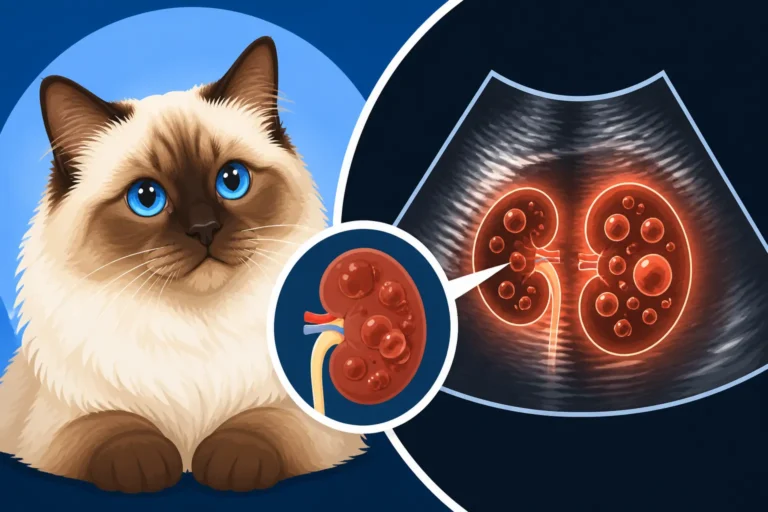
The Persian cat, a breed beloved for its luxurious coat and distinctive flat face, has a long history of a relatively closed gene pool. While beautiful, their extreme brachycephalic (flat-faced) conformation can lead to a host of health problems. These include Brachycephalic Airway Syndrome (BAS), which causes breathing difficulties, tear duct overflow leading to eye staining, and dental issues due to jaw structure. Furthermore, Polycystic Kidney Disease (PKD) was historically very prevalent in Persians. These conditions, often linked to their highly specific breed standards and limited genetic diversity, can significantly impact a Persian's quality of life and potentially shorten their lifespan. This highlights why understanding What Persian Blood Brought Into the Birman is so crucial, as some of these predispositions could have been introduced to the Birman.
How Outcrossing Benefited the Birman's Health
The Birman's outcrossing, while introducing some genes from the Persian, also introduced a much-needed influx of genetic diversity. This broader gene pool has, by and large, given the Birman a more moderate physical structure. They don't typically suffer from the extreme brachycephalic issues seen in many Persians. Their noses are generally more prominent, allowing for better airflow, and their facial structure tends to avoid the severe tear staining and dental crowding issues that plague flat-faced breeds. This moderation, a direct result of careful selection during the rebuilding process, contributes significantly to their generally robust health. While some traits from the outcrosses remained, the judicious selection helped steer the Birman towards a more balanced health profile overall, potentially buying them years of comfortable life compared to a breed with more exaggerated features.
Persistent Genetic Concerns in Birmans Despite Outcrossing
However, it's vital to be realistic: outcrossing isn't a magical cure-all, and the Birman isn't entirely free from genetic predispositions. The very act of using Persians in the outcrossing meant that Polycystic Kidney Disease (PKD), a common genetic condition in Persians, was indeed introduced into the Birman gene pool. Fortunately, through dedicated genetic testing by responsible breeders, the incidence of PKD in Birmans has been significantly reduced. This is why Why a Birman Breeder Still Tests for PKD remains an important practice.
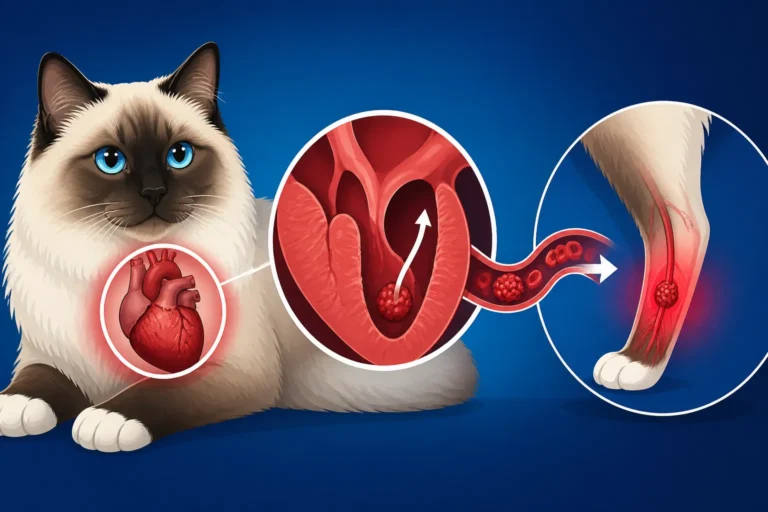
Another concern is Hypertrophic Cardiomyopathy (HCM), a common heart condition in many purebred cats, including Birmans. Unlike PKD, for which a DNA test exists, HCM in Birmans can only be reliably screened for through regular echocardiograms. As such, HCM in a Birman Has No DNA Test, Only an Echo emphasizes the ongoing need for vigilant screening. There's also FOXN1 (feline athymic alopacia), a rare but serious genetic condition that affects hair growth and immune system development, which breeders now test for. So, while outcrossing brought many benefits, it also underscored the ongoing responsibility of breeders and owners to be proactive about health screening.
Longevity and Quality of Life: A Direct Comparison
When we look at the raw numbers and daily experiences, how do Birmans and Persians stack up in terms of how long they live and how well they live those years?
Average Lifespans: A Telling Statistic
Generally speaking, Birmans tend to have a slightly longer average lifespan than many Persians. A healthy Birman can often live for The Twelve to Sixteen Years a Birman Usually Gets, with many living even longer with proper care. Persians, while also capable of reaching their teens, often have an average lifespan closer to 10-15 years, with some lines experiencing shorter lives due to chronic health issues tied to their conformation. This difference, though seemingly small, can add up to several years of companionship, which is priceless for any cat owner. When considering How Long a Birman Lives Against Other Longhairs, their outcrossing history and moderate build certainly play a role.
Factors Contributing to Birman Longevity
Several factors contribute to the Birman's generally good longevity. Their moderate body type, as mentioned, largely avoids the breathing difficulties, dental problems, and eye issues that can plague breeds with more extreme features. Their semi-long, silky single coat is also less prone to matting than a dense, double-coated Persian, reducing the risk of skin infections and discomfort.
Moreover, the Birman's placid and adaptable temperament means they often handle stress better than some other breeds. A less stressed cat is often a healthier cat, as stress can exacerbate underlying health conditions. This gentle nature means Why a Birman Hides Illness Behind a Placid Temperament is a key consideration, meaning owners need to be attentive to subtle changes. Responsible breeding, with a focus on screening for known genetic conditions like HCM and PKD, also plays a huge part in promoting longer, healthier lives within the breed.
The Persian's Longevity Challenges
For Persians, the challenges to longevity often stem directly from their unique breed characteristics. The very features that define the breed can lead to chronic health issues. Breathing difficulties from their flattened faces can lead to a reduced tolerance for exercise, heat stress, and increased risk during anesthesia. Persistent tear staining can cause skin irritation and infections around the eyes. Dental malocclusions can lead to painful gum disease and tooth loss if not meticulously managed. While many Persian owners provide exceptional care to manage these conditions, they do represent ongoing health burdens that can impact the cat's comfort and shorten its overall lifespan. These are not minor inconveniences but significant health considerations that potential owners must be aware of.
The Role of Modern Breeding and Owner Care
Beyond historical outcrossing, modern breeding practices and diligent owner care are paramount in securing a long, healthy life for any Birman.
The Power of Genetic Testing and Responsible Breeding
Today's responsible Birman breeders are true guardians of the breed's health. They go to great lengths to ensure the cats they breed are free from known genetic diseases. This means:
- DNA testing for FOXN1 and PKD: These simple genetic tests can identify carriers or affected cats, allowing breeders to make informed decisions and prevent the spread of these conditions.
- Regular echocardiograms for HCM: As there's no DNA test for HCM in Birmans, breeding cats undergo regular heart scans by a veterinary cardiologist to identify early signs of the disease. This proactive approach helps reduce the incidence of HCM in offspring. You'll find that if a Birman develops HCM, it can significantly impact their activity levels, leading to Why a Birman With HCM Stops Jumping.
Breeders who are transparent about their testing results and provide health guarantees are investing in the future of the breed and offering future owners the best possible start. Always ask to see the health certificates for both parents.
The Importance of Comprehensive Veterinary Care
Even with a healthy genetic background, a Birman's longevity is heavily influenced by the quality of care they receive throughout their lives. Regular veterinary check-ups are non-negotiable. These check-ups aren't just for vaccinations; they're an opportunity for your vet to monitor your cat's weight, listen to their heart, check their teeth, and discuss any subtle changes you might have noticed.
As Birmans age, their healthcare needs evolve. From middle age onwards, monitoring kidney function becomes especially important, given the breed's history with PKD. How a Birman's Kidney Numbers Are Tracked From Middle Age is something your vet will discuss with you. Furthermore, knowing What an Ageing Birman Slows Down From can help you recognize normal aging versus signs of illness. Preventive care, proper nutrition, and a comfortable environment contribute hugely to a long, happy life. Many owners find value in pet insurance providers like Healthy Paws, which can help cover the costs of unexpected illnesses or ongoing care for chronic conditions, ensuring that financial concerns never stand in the way of necessary treatments. Why a Birman's Kidneys Are Checked Before Any Anesthetic is another example of important preventative measures that become routine.
| Feature | Birman (Post-Outcrossing) | Persian (Modern) |
|---|---|---|
| Average Lifespan | 12-16 years | 10-15 years |
| Facial Structure | Moderate, less extreme brachycephaly | Pronounced brachycephaly (flat face) |
| Breathing Issues | Generally few, clear airways | Prone to Brachycephalic Airway Syndrome (BAS) |
| Eye Issues | Minimal, clear eyes | Prone to tear duct overflow, chronic staining, potential corneal issues |
| Dental Issues | Generally good, can have narrow jaw leading to crowding | Prone to dental malocclusion, gum disease, early tooth loss |
| Coat | Semi-long, single coat, less prone to matting | Long, dense double coat, requires extensive daily grooming to prevent matting |
| Genetic Diversity | Increased due to post-war outcrossing | Historically more restricted, leading to higher incidence of specific issues |
| Key Health Concerns | HCM (Heart), PKD (Kidney – though reduced), FOXN1 (Rare) | BAS, PKD (Kidney), eye issues, dental problems |
In conclusion, the Birman's outcrossing history was a necessity for survival, and it appears to have inadvertently contributed to a generally more robust health profile and potentially longer lifespan compared to the Persian. While Birmans still have their own genetic considerations, the deliberate broadening of their gene pool post-WWII, combined with modern responsible breeding and vigilant veterinary care (supported by services like Healthy Paws), has positioned them as a relatively healthy and long-lived breed. It's a testament to the dedication of breeders who saved the sacred cat of Burma, ensuring their gentle companionship for many years to come.
Disclaimer
The information provided in this article is for general informational purposes only and does not constitute veterinary advice. Always consult with a qualified veterinarian for any health concerns or before making any decisions about your cat's health and treatment. Breed-specific information should be discussed with your breeder and vet.