Whether the Birman Escaped the Diabetes Risk Its Cousins Carry
It's a common worry among Birman enthusiasts, especially when you start looking into the lineage and the health profiles of some of their "cousins." You hear stories and read about certain breeds that seem predisposed to conditions like diabetes, and it’s natural to wonder if your beloved Birman carries that same hidden risk. This guide is here to shed some light on whether the Birman cat has indeed sidestepped the elevated diabetes risk often seen in some of its ancestral or related breeds, helping you understand what to watch for and how to keep your furry friend healthy.
Understanding Feline Diabetes Mellitus: A Broad Overview
Before we dive into the specifics of the Birman, it's really important to understand what feline diabetes mellitus actually is. It's a condition that can sound quite intimidating, but at its heart, it’s about how your cat's body handles sugar. Just like in humans, diabetes in cats is primarily a disorder where the body either doesn't produce enough insulin (Type 1, rare in cats) or, more commonly, doesn't respond properly to the insulin it does produce (Type 2, by far the most prevalent in felines). Insulin is the key hormone that allows glucose (sugar) from food to enter cells and be used for energy. When this system goes awry, glucose builds up in the bloodstream, leading to high blood sugar levels, which can cause a whole host of problems if left unmanaged.
This build-up of glucose can damage organs over time, affecting everything from their kidneys to their nervous system. Cats with diabetes often show signs like increased thirst and urination, unexplained weight loss despite a good appetite, and lethargy. It’s a serious condition that requires diligent management, often involving dietary changes, weight control, and sometimes insulin injections. The good news is that with proper care, many diabetic cats can live long, comfortable lives.
The Diabetes Predicament in Birman "Cousins"
When we talk about "cousins" in the context of Birman ancestry and diabetes risk, we're really looking at specific breeds that have a known genetic predisposition. The Birman's history is fascinating and complex; it's a breed that was famously rebuilt from only two cats after World War II and then outcrossed with other long-haired and pointed breeds to re-establish its numbers and genetic diversity. The Birman Was Rebuilt From Two Cats and It Shows is a great resource if you're curious about this history. This outcrossing meant that while the Birman retained its unique traits, it also inherited genetic material from other breeds.
The Burmese Cat and Its Unique Vulnerability
The Burmese cat is perhaps the most well-known example of a breed with a significantly elevated risk of diabetes mellitus. It's truly startling how prevalent it is in this breed compared to the general cat population. Studies have shown that Burmese cats have a genetic predisposition that makes them much more likely to develop Type 2 diabetes. This isn't just about diet or lifestyle; there's a specific genetic component at play that affects their insulin sensitivity, making them highly susceptible. Owners of Burmese cats often have to be incredibly vigilant about diet and weight management from a very young age to try and mitigate this inherent risk. This genetic vulnerability is a prime example of what breeders and owners mean when they talk about "cousins" carrying a higher diabetes risk.
Other Breeds with Noted Higher Risks
While the Burmese is at the top of the list, other breeds, including some Oriental cats like the Siamese, have also been observed to have a somewhat higher incidence of diabetes compared to the average domestic cat. The Siamese, for instance, shares some of the pointed gene that defines the Birman's stunning coloration, and What Siamese Blood Brought Into the Birman details some of that genetic influence. The Persian, another breed that played a role in the Birman's reconstruction, particularly after the war, isn't typically highlighted for a specific diabetes predisposition in the same way the Burmese is, but obesity can certainly be a factor in any cat, regardless of breed. What Persian Blood Brought Into the Birman provides more context on this historical crossing.
The concern, therefore, is whether the genetic contributions from these diabetes-prone lines were strong enough to pass on that specific susceptibility to the Birman. It's a valid question, as genetic bottlenecks and subsequent outcrossing can concentrate or introduce new health challenges into a breed.
Does the Birman Carry an Elevated Diabetes Risk?
Now for the million-dollar question: did the Birman inherit this heightened diabetes risk from its "cousins"? The good news, based on current veterinary understanding and breed health surveys, is that the Birman cat does not appear to have the same pronounced genetic predisposition to diabetes mellitus as breeds like the Burmese. This is a significant relief for Birman owners! While any cat can develop diabetes, especially Type 2, due to lifestyle factors, Birmans aren't specifically called out as a breed with an inherently higher, genetically-linked risk.
This means that while a Birman can get diabetes, it's not because their genetics are working against them in the same way they might be for a Burmese. Their risk is more in line with the general feline population, where factors like diet, weight, and age play a much larger role than a specific breed predisposition.
Factors That Still Influence a Birman's Diabetes Risk
Even without a specific genetic predisposition, Birmans are not entirely immune to diabetes. Like all cats, several factors can increase their risk:
- Obesity: This is by far the most significant risk factor for Type 2 diabetes in cats. An overweight Birman is far more likely to develop insulin resistance. Their sturdy, long rectangular frame can sometimes hide extra pounds, so it's important to keep a close eye on their body condition. Why a Birman's Weight Should Be Recorded Every Visit emphasizes the importance of consistent monitoring.
- Diet: A diet high in carbohydrates, particularly dry kibble, can contribute to weight gain and stress the pancreatic system over time, increasing diabetes risk. Many vets now advocate for higher protein, lower carbohydrate diets for cats, especially those at risk or who are already overweight. Feeding a Birman That Will Never Beg for It offers great insights into their dietary needs.
- Age: Older cats are generally more susceptible to diabetes. As a Birman ages, its metabolism can slow, and other health issues might emerge that could indirectly affect glucose regulation. What an Ageing Birman Slows Down From touches on the changes that come with age.
- Pancreatitis: Inflammation of the pancreas can damage the insulin-producing cells, leading to diabetes. If your Birman has a history of pancreatitis, they're at a higher risk.
- Certain Medications: Long-term use of certain medications, particularly corticosteroids, can sometimes induce diabetes in susceptible cats.
It's crucial to remember that prevention largely comes down to managing these controllable factors. A healthy lifestyle is your Birman's best defense against diabetes.
Why a Birman's Placid Temperament Can Mask Illness
One unique challenge with Birmans is their incredibly placid and gentle nature. They are known for being quiet companions, rarely demanding, and often stoic. While this makes them wonderful pets, it also means they can be masters at hiding discomfort or illness. Cats are, by nature, very good at masking pain or sickness as a survival instinct. A Birman, with its calm demeanor, might simply become a little more withdrawn or slightly less interactive when unwell, which can be easily missed.
For a condition like diabetes, subtle signs such as increased thirst or slightly more frequent urination might not be immediately obvious in a quiet cat. You might attribute a slight decrease in activity to just being "lazy" or growing older, when in fact, it could be an early symptom of something more serious. This makes regular veterinary check-ups and paying close attention to any minor shifts in behavior incredibly important. Why a Birman Hides Illness Behind a Placid Temperament really drives home this point and offers tips on what to look for. Don't underestimate the power of knowing your cat's normal habits!
Proactive Care and Early Detection for Your Birman
Even though Birmans don't carry an elevated genetic risk for diabetes, proactive care and vigilance are still paramount. Prevention is always better than cure, and early detection can make a world of difference in managing any health condition, including diabetes. Pet insurance providers like Healthy Paws can also offer peace of mind by helping cover the costs of diagnostics and long-term treatment should your Birman ever develop a chronic condition.
Recognizing the Subtle Signs of Diabetes
Because Birmans are so good at hiding illness, it's vital for owners to be aware of the subtle indicators of potential diabetes. These signs can be easily overlooked, but catching them early can significantly improve outcomes. Look for:
- Increased Thirst (Polydipsia): Your cat might be visiting the water bowl more often or drinking larger amounts. You might notice the water level in their bowl dropping faster than usual.
- Increased Urination (Polyuria): This often goes hand-in-hand with increased thirst. You might find more clumps in the litter box or your cat might even start urinating outside the box if they can't make it in time.
- Weight Loss Despite Good Appetite: This is a classic sign. Your Birman might be eating normally, or even more, but still losing weight. This happens because their cells aren't getting glucose for energy, so the body starts breaking down fat and muscle instead.
- Lethargy or Decreased Activity: Your usually playful or curious Birman might seem less energetic, sleeping more, or less interested in toys and interaction. How to Tell a Quiet Birman From an Unwell One delves deeper into distinguishing subtle changes.
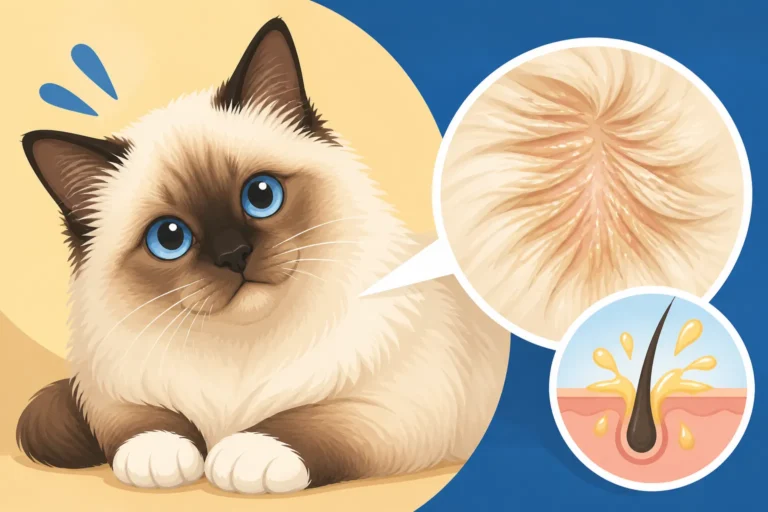
- Poor Coat Condition: A diabetic cat might have a dull, unkempt coat due to dehydration and generally feeling unwell, making it harder for them to groom themselves effectively.
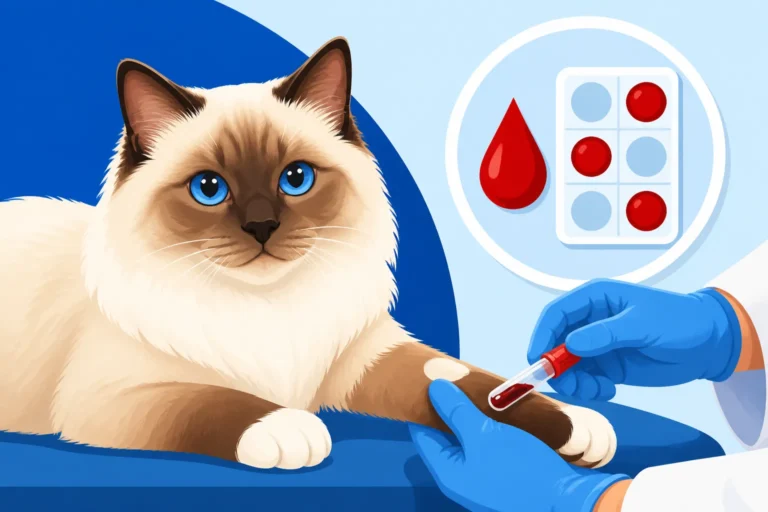
If you notice any of these signs, don't delay in contacting your veterinarian. A simple urine and blood test can quickly provide answers.
The Importance of Diet and Weight Management
Since obesity is the number one preventable risk factor for diabetes in cats, diligent diet and weight management are your most powerful tools. Birmans can be quite food-motivated and, being less active than some other breeds, can easily put on weight if not carefully managed.
- Portion Control: Free-feeding (leaving food out all day) is generally not recommended, especially for Birmans prone to overeating. Measure out their food according to their ideal weight and activity level.
- High-Quality, Low-Carbohydrate Diet: Discuss with your vet the best food for your Birman. Many veterinarians recommend wet food, which is typically higher in protein and lower in carbohydrates than dry kibble, and also helps with hydration, which is crucial for kidney health. Which Wet Food Suits a Birman's Kidney History can provide more context on dietary considerations.
- Regular Exercise: Encourage play sessions daily to keep your Birman active and maintain a healthy weight. Even a placid Birman enjoys gentle play with wand toys.
- Monitor Body Condition: Learn how to feel your Birman's ribs and spine. You should be able to feel them easily without them being visibly prominent. If you're unsure, your vet can show you how to assess their body condition score. Remember, How Many Calories a Birman Needs to Hold Its Coat is important, but balancing that with their actual activity level is key.
Regular Vet Check-ups and Monitoring
Consistent veterinary care is non-negotiable for keeping your Birman healthy and catching any issues like diabetes early. Annual or even semi-annual check-ups, especially as your Birman gets older, are crucial. During these visits, your vet will perform a thorough physical examination, discuss any changes you've observed, and potentially recommend routine blood and urine tests.
These tests are invaluable for monitoring overall health, including kidney function and glucose levels. How Often a Birman With Clear Papers Still Needs a Vet is a reminder that even healthy cats benefit from regular professional oversight. If your vet notes any concerns, they might suggest further diagnostics, which is where having good pet insurance like Healthy Paws can truly alleviate financial stress. Catching diabetes in its early stages means treatment can begin promptly, giving your Birman the best chance at a good quality of life. For an overweight Birman, your vet can also help devise a safe and effective weight loss plan, as Why an Overweight Birman Must Come Down Slowly highlights the risks of rapid weight reduction.
| Diabetes Risk Factors in Cats | Birman Specific Considerations | Prevention/Monitoring |
|---|---|---|
| Genetic Predisposition | Lower compared to Burmese/Siamese, largely escaped the specific genetic vulnerability of some "cousins" post-outcrossing. | No specific genetic test needed for Birmans for diabetes. Focus on environmental factors. |
| Obesity | Significant risk. Their long, sturdy build can mask weight gain. Placid nature means less intense activity, increasing calorie storage. | Strict portion control, regular weight checks at home and vet, encouraging play. |
| Diet | High-carb diets can contribute to risk. | Consult vet for a high-protein, low-carb diet (often wet food). Feeding a Birman That Will Never Beg for It for dietary insights. |
| Age | Risk increases with age, as with all cats. | Regular senior check-ups with blood and urine panels. What an Ageing Birman Slows Down From for typical age-related changes. |
| Pancreatitis | Can lead to diabetes if the pancreas is damaged. | Prompt veterinary attention for any signs of gastrointestinal upset or discomfort. |
| Masking Illness | Birmans excel at hiding symptoms due to their placid temperament, making early detection challenging. Why a Birman Hides Illness Behind a Placid Temperament details this behavior. | Close observation of subtle behavioral changes (thirst, urination, appetite, energy). Regular vet visits are non-negotiable. |
| Overall Health Monitoring | General health is important; other underlying conditions can complicate glucose regulation. Comprehensive care includes awareness of potential Birman specific health concerns like HCM or PKD, even if not directly diabetes-related. | Annual or bi-annual vet check-ups, including bloodwork and urinalysis. Consider pet insurance from providers like Healthy Paws for unexpected health issues. How Often a Birman With Clear Papers Still Needs a Vet for vet visit frequency. |
Ultimately, while the Birman appears to have largely escaped the specific genetic curse of elevated diabetes risk carried by some of its "cousins," it's not a free pass. Every Birman owner still needs to be a diligent advocate for their cat's health, focusing on a healthy lifestyle, recognizing subtle changes, and maintaining a close relationship with their veterinarian. This way, you can ensure your serene companion enjoys a long, vibrant life, free from preventable health woes.
Disclaimer
The information provided in this guide is for general educational purposes only and should not be considered a substitute for professional veterinary advice. Always consult with a qualified veterinarian for any health concerns or before making any decisions related to your pet's health and treatment.