Whether Early Neutering Changes a Birman’s Coat
It’s a common worry among Birman parents: you’ve heard whispers, perhaps seen a friend’s cat with a dramatically altered coat after spaying or neutering, and now you’re wondering if this essential procedure will change your beloved Birman’s beautiful, silky fur. This guide aims to clear up the confusion and provide a realistic look at how neutering, especially early neutering, might or might not affect your Birman's unique coat.
The Birman Coat: A Unique Structure
One of the most delightful aspects of sharing your life with a Birman is undoubtedly their stunning coat. It's often described as luxurious, silken, and surprisingly low-maintenance compared to other long-haired breeds. But what exactly makes it so special, and how does it naturally change over time?
Understanding the Birman's Single Coat
Unlike many long-haired cats, such as the Persian, the Birman boasts what's known as a "single coat." This means they primarily have soft guard hairs and little to no dense undercoat. This lack of an insulating, woolly underlayer is precisely No Undercoat Is What Makes a Birman Easy to Groom and why you'll find far fewer mats than you might expect for a cat with such flowing locks. The texture is truly unique – it feels incredibly fine and silky to the touch, almost like spun glass, and flows rather than clumps. This single-layered structure also means they generally shed less excessively than double-coated breeds, though they certainly still shed!
This distinction is crucial when we talk about potential coat changes. Breeds with dense undercoats are often the ones where neutering can lead to a significant increase in coat density or a "cottony" texture. Their hormonal balance heavily influences the growth cycles of that undercoat. With a Birman, the underlying structure is different, which sets a different stage for how it might react to hormonal shifts.
Natural Coat Changes Throughout a Birman's Life
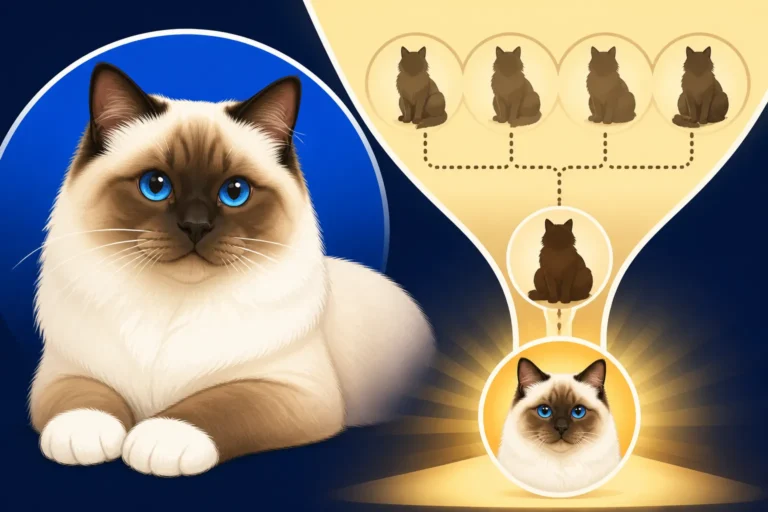
Even without any medical interventions, a Birman's coat is a dynamic thing, constantly evolving throughout its life. When your Birman kitten arrives, they are typically born almost pure white, with their beautiful point coloration developing over their first few weeks and months. This process is fascinating, tied to temperature-sensitive genes, and it doesn't stop once they're adults.
As your Birman ages, you'll notice their points – the ears, face, paws, and tail – will gradually Why a Birman's Points Darken as It Ages. This is a natural progression, a beautiful deepening of color that tells the story of their years. You might also observe subtle seasonal shedding, where their coat thins slightly in warmer months and might become a touch fuller in winter, particularly around their glorious ruff. These are all part of the normal tapestry of a Birman's coat life, entirely separate from any neutering procedure.
Hormones and Coat Health: The Science Behind the Changes
The idea that neutering changes a cat's coat isn't entirely baseless; there's a physiological reason why these concerns arise, particularly in certain breeds. Understanding the role of hormones can help demystify what happens after the procedure.
How Hormones Influence Coat Growth and Texture
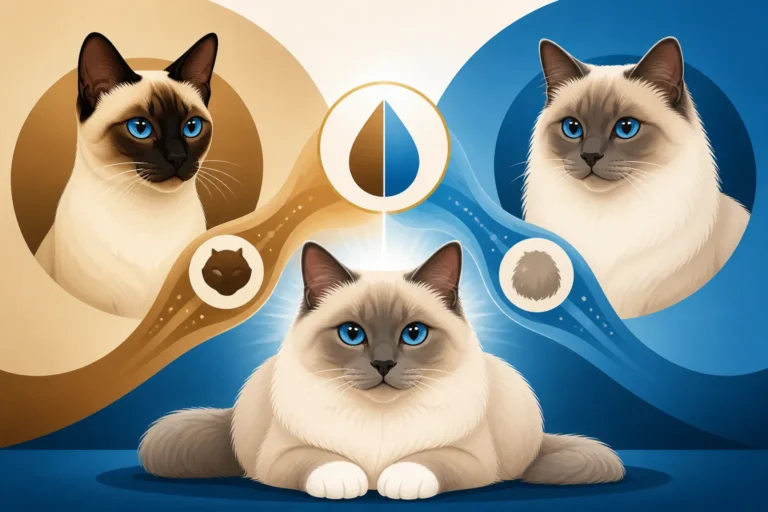
Sex hormones, primarily testosterone in males and estrogen in females, play a significant role in a cat's overall health, including the condition of their skin and coat. These hormones influence everything from the thickness and growth rate of hair to the oil production in the skin, which contributes to coat luster and health. For example, intact male cats often have coarser coats and thicker skin due to testosterone, while intact females might have very sleek, shiny coats influenced by estrogen, especially during heat cycles.
When a cat is spayed or neutered, the primary source of these sex hormones is removed. This leads to a drop in circulating testosterone or estrogen, which can, in turn, alter the hormonal balance that dictates coat characteristics. In some breeds, this shift can lead to a noticeable change in the coat's texture or density, often resulting in a softer, fluffier, or sometimes even "woolly" coat that requires more attention. This is a real phenomenon, but it's important to differentiate between breeds.
The "Post-Neutering Coat" Phenomenon
The "post-neutering coat" or "spay coat" is a term commonly used to describe the change in fur texture that some breeds experience after being altered. Breeds known for dense double coats, like many Northern breeds (think Siberian or Norwegian Forest Cats), often show the most dramatic changes. Their undercoat can become much thicker, softer, and sometimes less manageable, leading to more matting and a general "puffier" appearance. It's not necessarily a negative change, but it's certainly different and can require adjusted grooming routines.
However, this phenomenon is far less pronounced, if present at all, in Birmans. Because the Birman has that unique single coat, without the dense undercoat that really responds to hormonal shifts in other breeds, their fur tends to maintain its characteristic silky texture post-neutering. You might notice a subtle softening or a slight increase in fluffiness, but it’s rarely the dramatic, woolly transformation seen in some other breeds. Many Birman owners report no significant change at all, which is a huge relief when you cherish that specific texture.
Early Neutering and the Birman's Coat
Now, let's get to the heart of the matter: does performing the neutering procedure early — typically before six months of age — change a Birman's coat? This is where a lot of anecdotal evidence can create unnecessary anxiety for pet parents.
Separating Fact from Anecdote for Birmans
When it comes to Birmans, the consensus among experienced breeders and veterinarians is that early neutering does not typically lead to a significant, undesirable change in their coat. While some pet owners might perceive a slight increase in softness or fullness, it's rarely anything that deviates from the breed's natural, silky texture. The myth of a drastically altered, "cottony" coat primarily applies to breeds with substantial undercoats, which Birmans simply don't have. So, if you've been putting off neutering your Birman kitten because you're worried about their beautiful fur, you can likely set those fears aside.
It's true that any change in hormonal balance can have some effect on hair growth cycles, but for a Birman, this often manifests as maintaining the kitten-softness a little longer, or perhaps a slightly thicker ruff, rather than a coarse, mat-prone mess. This isn't a problem, it's just a subtle variation within the breed's normal spectrum. Keeping up with your regular Combing a Birman Three Times a Week routine will be more than sufficient to manage any minor changes.
Managing Any Subtle Coat Shifts
Should your Birman’s coat experience even the most subtle of shifts post-neutering, rest assured that these are generally easy to manage. The key is consistent, gentle grooming. A good quality, wide-toothed comb and a slicker brush (used very carefully to avoid damaging the fine guard hairs) will be your best friends. Regular combing not only keeps the coat free of tangles but also distributes natural skin oils, enhancing its shine and health.
Beyond grooming, nutrition plays a vital role. A high-quality diet rich in Omega-3 and Omega-6 fatty acids can support skin and coat health, ensuring the fur remains as lustrous as possible. Look for foods that list real meat as the first ingredient and avoid excessive fillers. If you ever have concerns about your Birman's coat or skin, don't hesitate to chat with your veterinarian. Proactive veterinary care, often supported by pet insurance like Healthy Paws, can help address any issues before they become major problems. A healthy cat inside and out will always have a better coat.
Beyond Coat Changes: The Broader Benefits of Early Neutering
While the focus here is on coat changes, it's essential to remember that neutering is a vital part of responsible pet ownership, offering numerous health and behavioral benefits that far outweigh any minor, often unnoticeable, coat variations in Birmans.
Health Advantages of Early Neutering for Birmans
The health benefits of neutering your Birman are substantial and well-documented. For females, spaying virtually eliminates the risk of mammary cancer, especially if done before their first heat cycle. It also completely prevents pyometra, a life-threatening uterine infection common in intact female cats. For males, neutering removes the risk of testicular cancer and significantly reduces the likelihood of prostate problems later in life. These preventative measures contribute significantly to The Twelve to Sixteen Years a Birman Usually Gets.
Early neutering also plays a critical role in controlling pet overpopulation. By preventing unintended litters, you're doing your part to ensure every kitten has a loving home. These are serious, life-saving benefits that should always be considered when making the decision to neuter.
Dispelling Myths About Timing and Development
There's a persistent myth that early neutering (before sexual maturity, around 4-6 months) can stunt a cat's growth or negatively impact bone development. However, extensive research and veterinary practice have largely debunked these concerns for the vast majority of felines. Studies generally show that while early-neutered cats might grow slightly taller or have slightly longer limbs, their overall skeletal development is not negatively impacted. The minimal difference in growth is rarely clinically significant or detrimental to their health.
In fact, the American Veterinary Medical Association (AVMA) supports early-age (prepubertal) spay/neuter, citing numerous benefits and no significant long-term adverse health effects when performed on healthy animals. So, when your vet recommends early neutering for your Birman kitten, they are doing so with robust scientific backing, ensuring your cat can still grow into its full, magnificent self. This allows your Birman to focus on growing into a healthy, well-adjusted adult without the hormonal stresses of intact animals, giving them the best start, particularly when you have a good pet insurance plan like Healthy Paws to cover those initial vet checks and ensure their development is on track.
| Feature | Birman Coat (General) | Post-Neutering Coat (Birman) | Post-Neutering Coat (Some Other Breeds) |
|---|---|---|---|
| Undercoat | Absent/Minimal | Absent/Minimal | Can become denser/woollier |
| Texture | Silky, Fine | Remains Silky, possibly softer | Often becomes cottony, coarse |
| Matting Tendency | Low | Low | Can increase significantly |
| Shedding | Moderate | Moderate | Can increase due to denser undercoat |
| Overall Appearance | Flowing, sleek | Slightly fuller, still elegant | Puffy, less defined silhouette |
| Grooming Needs | 2-3x/week combing | Same or slightly more | Significantly increased combing |
Post-Neutering Care for Your Birman
Even though dramatic coat changes are unlikely, the period after neutering is still a crucial time for your Birman's recovery and overall well-being. Good post-operative care can ensure a smooth transition and keep their coat looking its best.
Nutritional Adjustments and Weight Management
After neutering, a cat's metabolism can slow down, and their caloric needs may decrease. This is a very common scenario across all breeds, including Birmans. If you continue to feed them the same amount of food as before, they can easily gain weight, which brings its own set of health issues like diabetes, arthritis, and heart strain. An overweight Birman might also struggle to groom themselves properly, especially around their back and hindquarters, leading to a dull, matted coat in those areas.
It's incredibly important to monitor your Birman's weight closely after neutering. Your veterinarian can help you determine the appropriate caloric intake and recommend specific foods if necessary. Slowly transitioning to a 'neutered cat' formula or simply reducing portion sizes of their current high-quality food, like what you use for Feeding a Birman That Will Never Beg for It, is often recommended. This careful approach to diet will help prevent weight gain, keeping your Birman active and ensuring their beautiful coat stays within reach for self-grooming.
Continued Grooming and Skin Health
While your Birman's coat isn't likely to transform into something entirely new, continued grooming is still paramount. Regular combing not only prevents tangles but also stimulates blood circulation to the skin, which is essential for healthy hair growth. It also allows you to check for any skin issues that might arise, such as dryness, flakiness, or irritation, which can sometimes be exacerbated by changes in diet or environment post-surgery.
If you notice any persistent skin problems or unusual coat shedding, don't hesitate to consult your vet. They might recommend specific supplements, medicated shampoos, or further investigation to rule out underlying health concerns. Maintaining overall health, including keeping your Birman active and engaged, contributes to a shiny, healthy coat. Remember, even though A Birman Kitten's First Year, From White to Pointed is behind them, their needs continue to evolve. Your veterinarian is a key partner in this ongoing care, and having pet insurance like Healthy Paws can provide peace of mind that these checks and treatments are financially manageable.
Environmental Considerations for Coat Health
It might seem indirect, but your Birman's environment also plays a role in its coat health. While a Birman's single coat is less prone to extreme reactions to temperature fluctuations than, say, a Maine Coon's, consistent warmth and humidity can contribute to a healthier coat. Keep their living space comfortable, avoiding extreme cold which can, incidentally, cause their points to darken more intensely.
Furthermore, minimizing stress in your Birman's environment contributes to their overall well-being, which in turn reflects in their coat. A stressed cat can sometimes over-groom, leading to bald patches, or under-groom, resulting in matting and dullness. Maintaining a calm household, providing plenty of enrichment, and ensuring they have safe, comfortable resting spots will support both their mental health and their physical appearance. The average What Keeping a Birman Costs Every Year will include environmental enrichments as well as their food and vet care.
Disclaimer
This article is intended for informational purposes only and does not constitute veterinary advice. Always consult with a qualified veterinarian for any health concerns or before making any decisions about your pet's care.