Why an Old Birman Needs Fewer Calories
As our beloved Birmans gracefully enter their senior years, many of us start to notice changes – a little less zoom, a few more naps, and perhaps a slight shift in their physique. What often surprises owners is that these changes aren't just about slowing down; they also mean your older Birman's dietary needs are shifting, specifically their caloric requirements. This comprehensive guide is here to help you navigate those crucial adjustments, ensuring your cherished companion maintains a healthy weight and optimal well-being throughout their golden years.
The Inevitable Slowdown: Why Caloric Needs Change with Age
It’s a natural part of life, and our Birmans are no exception: as they get older, their bodies simply don’t operate with the same youthful efficiency they once did. This isn't a sign of anything being "wrong," but rather a signal that their internal mechanics are shifting, and their diet needs to shift with them. Understanding these physiological changes is the first step in providing the best care.
Metabolism Shifts and Energy Expenditure
Think about how much energy a Birman kitten burns, zooming around and exploring every nook and cranny. Now, picture your senior Birman, perhaps contentedly supervising you from a sunbeam or enjoying a quiet cuddle on the sofa. There’s a clear difference in activity, isn't there? This reduction in physical activity directly translates to a lower energy expenditure. Their metabolic rate, the speed at which their body converts food into energy, also slows down with age. This isn't always immediately obvious because Birmans are known for their calm and placid temperament, so their slowing down can be subtle.
If an older Birman continues to consume the same amount of calories they did in their prime, when they were more active and their metabolism was humming along at a faster pace, those excess calories have to go somewhere. More often than not, they get stored as fat. It's a simple energy balance equation: calories in versus calories out. For an older cat, "calories out" generally decreases, so "calories in" needs to follow suit to prevent weight gain. This is a critical factor in understanding What an Ageing Birman Slows Down From.
Muscle Loss and Fat Gain
Another significant change that impacts caloric needs is the natural process of sarcopenia, which is age-related muscle loss. Muscles are metabolically active tissues; they burn more calories at rest than fat does. As Birmans age, they can gradually lose muscle mass, even if they appear to be maintaining their overall weight. This means their body requires fewer calories just to sustain itself.
Simultaneously, as muscle mass decreases and activity levels drop, older Birmans often tend to accumulate more fat. This fat isn't as metabolically active, further reducing their overall caloric requirement. You might notice this as a softer feel around their belly or a less defined waistline, even if the numbers on the scale haven't drastically changed. This combination of muscle wasting and fat deposition means that their body composition is changing, and their diet needs to provide nutrients that help preserve muscle while reducing the risk of excessive fat accumulation. It's not just about less food, but often about the type of food.
Impact on Organ Function
As Birmans age, their organs, like our own, can become less efficient. The kidneys, for instance, play a vital role in filtering waste and maintaining fluid balance. Over time, kidney function can naturally decline, making proper hydration and a carefully balanced diet even more crucial. A diet too rich in certain nutrients, or too high in calories, can put additional strain on these aging organs. This is why you might hear vets recommend specific senior diets or those tailored for kidney support later in life.
Beyond kidneys, other organs, such as the liver or heart, may also have reduced capacities. A heavier cat can put extra strain on their joints and their heart, potentially exacerbating existing conditions like arthritis or contributing to heart issues. While Birmans aren't typically predisposed to obesity, ensuring their diet supports overall organ health is paramount. This can sometimes mean adjusting not just calories, but also protein, phosphorus, and sodium levels in their food, always under veterinary guidance.
Spotting the Signs: Is Your Senior Birman's Weight Just Right?
Because Birmans are generally quiet and their magnificent coats can be quite forgiving, it's easy to overlook subtle changes in their weight. They aren't usually demanding or overly vocal about discomfort, often choosing to hide any issues. This placid nature, while endearing, means you need to be extra vigilant in monitoring their physical condition.
The Deceptive Appearance of the Silky Coat
A Birman's glorious, long, silky coat is one of their most defining features. It flows beautifully and rarely mats, making grooming a joy for many owners. However, this luxurious fur can also act as a clever disguise, masking both weight gain and weight loss. A few extra pounds can easily be hidden beneath the ample ruff and flowing britches, making it hard to feel their ribs or spine. Conversely, significant weight loss might also go unnoticed until it's quite advanced, simply because the fur still fills out their silhouette.
To accurately assess your Birman's weight, you need to rely on more than just a visual glance. Gently run your hands along their sides, over their ribs, spine, and hip bones. You should be able to feel their ribs with a slight covering of fat, but not see them protruding. Their waist should be evident when viewed from above, curving inward behind the ribs, and their belly should tuck up slightly from the side. If you're finding it difficult to feel their bones, or if their waist has disappeared, it might be time for a dietary adjustment. Remember, How to Feel a Birman's Ribs Under a Silky Coat is a skill worth developing for all Birman owners.
Behavioral Clues of Weight Changes
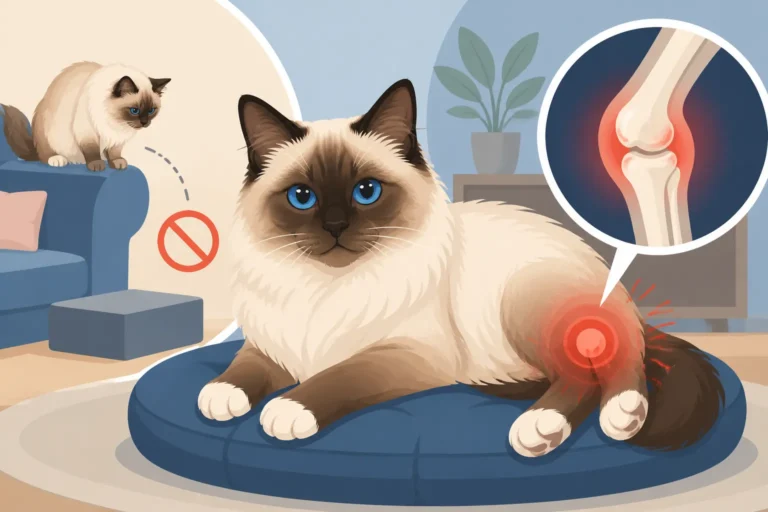
Beyond physical examination, your Birman’s behavior can offer valuable clues about their weight and overall health. A sudden reluctance to jump onto their favorite window perch, difficulty climbing stairs, or a general reduction in play could all be indicators of discomfort due to excess weight. An overweight Birman might move more slowly, spend more time resting, and may even struggle to groom themselves properly, especially around their back and hindquarters. This can lead to a duller coat or matted areas, which is very unusual for this breed.
On the other hand, an underweight Birman might seem lethargic, have less interest in play, or appear weaker. They might seek out warmer spots more frequently, as a lack of insulating fat can make them feel colder. Pay attention to changes in their routine, their interactions with you, and their general demeanor. A Birman that stops following you from room to room or becomes withdrawn might be telling you something important, and it could be related to physical discomfort from weight issues or an underlying illness. These subtle behavioral shifts are often the first hints that something needs attention, as Why a Placid Birman Hides Pain is a truth every Birman owner learns.
The Risks of Being Overweight or Underweight
Both ends of the weight spectrum carry significant health risks for senior Birmans. Obesity in older cats can lead to a host of problems, including:
- Diabetes: Excess fat can make cells less responsive to insulin.
- Arthritis: Extra weight puts immense strain on aging joints, exacerbating pain and reducing mobility. You might notice your Birman skips a step going up the stairs.
- Heart Disease: The heart has to work harder to pump blood throughout a larger body.
- Urinary Tract Issues: Overweight cats can have trouble reaching and cleaning themselves, leading to infections.
- Reduced Quality of Life: Less mobility means less engagement, less play, and potentially less enjoyment of life.
Conversely, being underweight in old age can also be detrimental. It might indicate an underlying health issue, such as hyperthyroidism (which can cause a thin, hungry old Birman), kidney disease, or dental problems that make eating painful. A lack of adequate body fat can leave them vulnerable to cold and illness, and insufficient muscle mass can lead to weakness and frailty. Regular veterinary check-ups, where Why a Birman's Weight Should Be Recorded Every Visit is taken seriously, are essential for catching these issues early.
Adjusting the Menu: Tailoring Your Birman's Senior Diet
Once you've determined that your senior Birman's caloric needs might have changed, the next step is to make thoughtful adjustments to their diet. This isn't about drastic cuts or sudden changes, but rather a gradual, considered approach to support their health and comfort.
Calculating the Right Calories (Without a Calculator!)
While veterinary nutritionists can provide precise caloric recommendations based on your Birman's individual health, current weight, and ideal weight, you don't necessarily need complex calculations to start making a positive impact. The primary goal is to provide a diet that is nutrient-dense but calorically appropriate for their lower energy expenditure.
Start by looking at the feeding guidelines on your cat food package, but remember these are often for active adult cats. For a less active senior Birman, you might need to feed slightly less than the recommended amount for their current weight. A common starting point is to reduce their current intake by about 10-20% and then monitor their weight and body condition over several weeks. The key is gradual adjustment and close observation. If you notice weight loss is too rapid, or they seem unusually hungry, you can adjust back slightly. Consistency is also vital; Why a Birman Does Better on a Fixed Feeding Time can help regulate their intake and prevent overeating. Always consult your vet before making significant changes, especially if your Birman has existing health conditions.
Prioritizing Protein and Moisture
When reducing calories, it's crucial not to reduce the essential nutrients your senior Birman still needs. High-quality protein is paramount for maintaining muscle mass. Even as they age, Birmans need protein to repair and maintain their body tissues. Opt for foods with easily digestible animal proteins as the primary ingredient. This helps preserve lean muscle, which is vital for mobility and overall strength.
Moisture content is another hero in a senior Birman's diet. As cats age, their thirst drive can decrease, making them more prone to dehydration, especially if their kidneys are becoming less efficient. Wet food is an excellent way to increase their water intake, supporting kidney function and overall hydration. This is particularly important for breeds with a history of kidney concerns; Which Wet Food Suits a Birman's Kidney History often emphasizes high moisture. Adequate hydration also helps prevent constipation, which can be a common issue in older cats. Adding water to kibble, or using a water fountain, can also encourage more drinking. If you notice your Birman drinking more than usual, it can sometimes point to underlying issues like kidney disease or diabetes. Why a Birman Drinking More Points at Its Persian Ancestry sometimes connects back to these health considerations.
The Importance of Measured Meals
Free-feeding, where a bowl of kibble is left out all day, can be convenient, but it makes calorie control incredibly difficult, especially for a senior Birman with a slower metabolism. It's too easy for them to graze throughout the day, often consuming more than they truly need.
Switching to measured meals, given at specific times of the day, allows you to precisely control their caloric intake. This helps prevent overeating and gives you a clear picture of how much they are actually consuming. For many Birmans, two meals a day work well. If you have multiple cats, feeding them separately can prevent one cat from eating another's portion. This structured approach helps in maintaining an ideal weight and can also make it easier to notice any changes in appetite, which can be an early sign of illness. Remember, Birmans are generally not food-driven in the way some other breeds might be, so they often accept a fixed schedule without complaint.
Partnering with Your Vet: Essential Care for Ageing Birmans
You are your Birman's primary caregiver, but your veterinarian is your indispensable partner in ensuring their long-term health and well-being. Regular check-ups and open communication with your vet become even more critical as your Birman enters their senior years.
Regular Check-ups and Weight Monitoring
Routine veterinary visits are the cornerstone of senior Birman care. Your vet will not only perform a thorough physical examination but will also meticulously track your Birman's weight and body condition score over time. These records are invaluable in identifying trends – a gradual weight gain, a concerning loss, or a plateau where adjustments are needed. They have the expertise to assess what's healthy for your individual Birman, factoring in their age, gender, and any existing medical conditions.
During these visits, your vet can also catch other subtle signs of aging or illness that might be missed at home. They can discuss appropriate senior cat food options, portion sizes, and even demonstrate how to best assess your Birman's body condition. These check-ups are also the perfect opportunity to update vaccinations, discuss parasite prevention, and get advice on any behavioral changes you might have noticed. How Often a Birman With Clear Papers Still Needs a Vet highlights that even perfectly healthy Birmans benefit from regular monitoring.
Addressing Underlying Health Conditions
Weight changes in senior Birmans aren't always just about diet; they can often be a symptom of an underlying health condition. For instance, a Birman experiencing rapid, unexplained weight loss despite a normal or even increased appetite might be suffering from hyperthyroidism. On the other hand, an older Birman with significant weight gain might be showing early signs of diabetes. Kidney disease is another common concern in aging cats, and dietary modifications are often a key part of its management. How Kidney Failure Arrives in a Birman Past Fourteen really emphasizes the need for early detection and careful dietary planning.
Your vet can conduct blood work, urine tests, and other diagnostics to rule out or diagnose these conditions. If a health issue is identified, they can then recommend a specific therapeutic diet or medication to manage it effectively. For example, if your Birman is diagnosed with arthritis, managing their weight becomes even more critical to alleviate pressure on their aching joints. This integrated approach, where diet, exercise, and medical treatment work together, is the most effective way to care for an aging Birman. The question of Why a Thin, Hungry Old Birman Needs a Thyroid Test can be definitively answered by your vet with appropriate diagnostic screening.
Financial Considerations for Senior Birman Care
Let's be realistic: providing comprehensive care for an aging Birman, especially when chronic conditions arise, can involve significant costs. From regular check-ups and diagnostic tests to prescription diets and ongoing medications, the expenses can add up. This is a common concern for many loving owners, and it's important to be prepared.
Considering pet health insurance for your Birman, even as they age, can offer invaluable peace of mind. Companies like Healthy Paws offer coverage options that can help offset the costs of unexpected illnesses or accidents. While pre-existing conditions typically aren't covered, having a policy in place before new issues arise can be a game-changer. It means you can make decisions about your Birman's care based on what's best for their health, rather than solely on your budget. Additionally, some insurance providers, like Healthy Paws, are known for their comprehensive coverage, which can be particularly beneficial for senior pets who often require more frequent veterinary attention. It's a pragmatic step to ensure you can afford the best possible care, which might include yearly heart checks or even a Why a Birman Budget Should Include a Yearly Echo if you're tracking their cardiac health.
| Weight Status | Common Causes in Senior Birmans | Potential Health Risks | What You Might Notice |
|---|---|---|---|
| Overweight | Decreased activity, slowing metabolism, overfeeding, muscle loss | Arthritis, diabetes, heart disease, urinary issues, reduced mobility | Slower movement, difficulty jumping, poor grooming, 'pear' shape |
| Underweight | Increased metabolism (e.g., hyperthyroidism), kidney disease, dental pain, poor appetite, malabsorption | Muscle wasting, weakened immune system, cold intolerance, organ damage | Ribs/spine prominent, dull coat, lethargy, increased thirst/urination |
Taking the time to understand and adjust your Birman's caloric intake as they age is one of the most loving and impactful things you can do for them. It helps them stay comfortable, active, and with you for as many precious years as possible.
Disclaimer
This article is for general informational purposes only and does not constitute professional advice. Laws, prices and regulations vary by location and change over time. Consult a qualified professional for guidance on your specific situation.