Why a Birman’s Chip Details Must Be Transferred to You
Bringing home a beautiful Birman kitten is an absolutely joyous, whirlwind experience. You're probably swept up in their silky coat, those captivating blue eyes, and their sweet, gentle nature. But amidst all the snuggles and playtime, there’s a vital administrative step that often gets overlooked or delayed: ensuring your Birman’s microchip details are correctly transferred into your name. Neglecting this simple task can lead to heartbreaking complications if your beloved furball ever goes missing, turning a potentially quick reunion into a drawn-out, stressful ordeal. This guide will walk you through exactly why and how you need to secure your Birman's microchip registration in your name, protecting both them and your peace of mind.
The Critical Importance of Microchip Registration and Transfer
It’s easy to assume that once your Birman kitten has a microchip implanted, everything is sorted. After all, the breeder likely told you they were chipped, and you probably saw it noted on their health certificate. But there’s a crucial distinction between having a microchip implanted and having it registered in the right name, and then transferring that registration to you, the new owner. Missing this step leaves a gaping hole in your pet’s safety net.
What a Microchip Actually Does and Doesn't Do
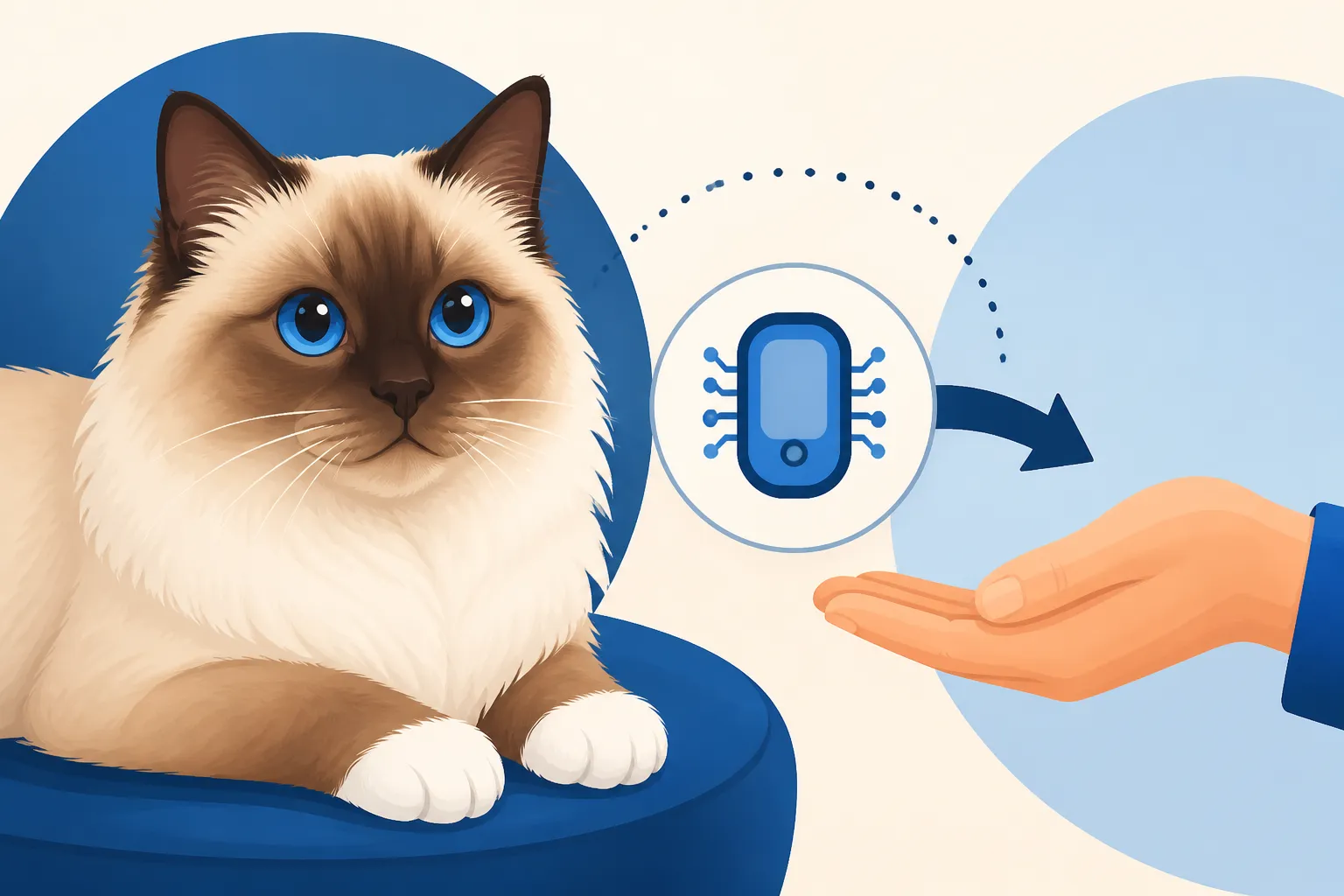
Think of a microchip as a permanent, internal identification tag for your Birman. It's a tiny, grain-of-rice-sized transponder, typically implanted by a vet under the loose skin between your cat's shoulder blades. The implantation process is quick, much like a routine vaccination, and generally causes no more discomfort. This little chip holds a unique, alphanumeric identification number – nothing more. It doesn't store your name, address, or phone number directly. It doesn't have GPS capabilities, so it can't track your cat's movements if they wander off. That's a common misconception, and it's important to understand this limitation right from the start.
What the microchip does is provide that unique ID number. When a lost cat is found and taken to a vet, shelter, or animal control, they use a special scanner to read this number. Once scanned, the number is then cross-referenced with a national pet microchip registry database. This database is where all your contact information is stored, linked to your Birman's unique chip ID. So, if the chip isn't properly registered to you, or the details are out of date, that vital link is broken. Many new pet parents, especially first-timers, mistakenly believe that once the chip is in, the cat is "registered" to them by default. This is rarely the case; the chip is usually still linked to the breeder or the rescue organization until you complete the transfer.
Why Your Birman Needs to Be Registered to YOU
Imagine the unthinkable: your Birman, perhaps startled by a loud noise or an open door, slips out of the house. You're frantic, calling their name, putting up posters, scouring social media. Someone finds your sweet Birman a few blocks away. They take them to the nearest vet, who scans the chip. If that chip is still registered to the breeder, guess who gets the call? Not you. The breeder might be miles away, or busy, or even no longer actively breeding. Precious time will be lost, and your stress levels will skyrocket while they try to track you down through the original owner.
Beyond the immediate crisis of a lost pet, correctly registering your Birman's microchip in your name is crucial for several reasons. Firstly, in many areas, it's a legal requirement to have your pet microchipped and the details kept up-to-date. This isn't just a suggestion; it's a mandate designed to ensure responsible pet ownership and facilitate reunions. Secondly, a properly registered microchip serves as undeniable proof of ownership. While we hope it never comes to this, disputes over pet ownership can arise, and your Birman's microchip, with your name and contact details linked, is a powerful piece of evidence. This is especially true if you adopt a Retired Birman Queen Needs Rehoming or an older cat where ownership might have changed hands.
Most importantly, it ensures you are the first person contacted the moment your Birman is found. The peace of mind that comes with knowing your contact details are just a phone call away for whoever finds your cat is immeasurable. Without this transfer, the safety net the microchip provides is effectively useless for you as the owner. You've invested time, love, and care into your Birman; ensure their official identification reflects that.
The Step-by-Step Process of Transferring Microchip Ownership
The process of transferring microchip ownership might seem a bit daunting at first glance, but it's usually quite straightforward once you have the right information. Most databases have made the process user-friendly, with online portals that guide you through each step.
Gathering the Necessary Information
Before you can even begin the transfer, you need to arm yourself with the right details. This is primarily the responsibility of your Birman's breeder or the rescue organization you adopted from. They should provide you with:
- The Microchip Number: This is the unique ID. It's usually a 9, 10, or 15-digit number. You'll find it on your kitten's health records, vaccination card, or the breeder's paperwork. Don't be shy about asking for this if it's not immediately obvious when your Birman Kitten Leaves at Thirteen Weeks.
- The Name of the Microchip Registry/Database: There isn't one universal database. Different companies provide microchips and run their own associated registries. Your breeder should tell you which company's chip they used (e.g., AVID, HomeAgain, PetLink, etc.) or which national database they registered the chip with.
- Transfer Code or Form: This is the golden ticket. Many registries require a specific transfer code, sometimes called an authorization code or change of ownership code, issued to the original registrant (the breeder). Others use a physical or digital transfer form that the breeder needs to sign and then you submit. Make sure you get this code or form from the breeder at the time of pickup. It’s a non-negotiable piece of paperwork, alongside things like pedigree papers and health certificates. This is part of Which Certificates a Birman Breeder Hands Over With the Kitten. If a breeder seems hesitant or unable to provide this, consider it a serious red flag, as it could indicate they're not adhering to best practices or even trying to avoid full transparency, much like How to Spot a Birman Breeder Selling Untested Kittens.
It's a good idea to create a dedicated folder for all your Birman's documents, including this microchip information. Having everything in one place will save you a lot of hassle down the line, whether it’s for vet visits, insurance claims with providers like Healthy Paws, or simply updating your contact information.
Navigating the Microchip Database
Once you have all the necessary information, the next step is to access the correct microchip database. If you know the company that provided the chip, go directly to their website. Most have a "transfer ownership" or "update details" section. If you're unsure, you can often enter the microchip number into a general national pet microchip lookup tool, which will usually tell you which registry holds the data for that specific chip.
The process typically involves:
- Creating an Account: If you don't already have one with that specific registry, you'll need to set one up.
- Entering the Microchip Number: Input your Birman's unique ID.
- Initiating the Transfer: You'll usually be prompted to enter the transfer code provided by the breeder, or upload the signed transfer form. This tells the database that the previous owner has authorized the change.
- Inputting Your Details: This is where you enter all your current contact information: full name, address, primary phone number, secondary phone number (essential!), and email address. Consider adding an emergency contact person as well, someone who could be reached if you're unavailable.
- Paying the Transfer Fee: Most microchip registries charge a small fee for ownership transfers. This is a normal and necessary part of the process. While you won't get a specific price from me, know that it's a one-time cost that contributes to the maintenance of the database and is well worth the investment for your Birman's safety.
- Confirming and Submitting: Double-check every single digit of your phone number and address before submitting. A single typo could render the whole system useless if your cat gets lost.
The beauty of online portals is that you can often complete this within minutes from the comfort of your home. If you prefer, some registries still offer postal options for submitting forms, but online is usually the quickest way.
Verifying the Transfer is Complete
After you've submitted the transfer request, don't just forget about it! It's good practice to verify that the change has indeed taken effect. Most registries will send you a confirmation email or even a physical certificate of ownership. Keep this documentation safely with your other important Birman papers, like their pedigree or health records.
Give it a few days, or perhaps a week, then go back to the registry's website and use their "look up a chip" tool (often freely available) to search for your Birman's microchip number. The results should now clearly display your name and contact information as the registered owner. If it still shows the breeder's details, or if there's any discrepancy, don't hesitate to contact the microchip registry's customer service directly. They can help troubleshoot any issues and ensure your Birman is fully protected. This isn't a "set it and forget it" task for a lifetime, but rather something you'll need to update if you move house, change phone numbers, or even change your primary email address down the line.
Common Pitfalls and How to Avoid Them
Even with the best intentions, it's easy to fall into traps that can undermine the effectiveness of your Birman's microchip. Being aware of these common pitfalls can help you avoid unnecessary stress and ensure your cat's safety net remains strong.
Forgetting or Delaying the Transfer
This is by far the most common mistake new pet owners make. You've just brought home an adorable Birman kitten. You're busy kitten-proofing the house, scheduling their first vet visit, buying toys from Chewy, and generally being mesmerized by their fluffy presence. The microchip transfer, an administrative task, often gets pushed to the bottom of the to-do list. "I'll get to it next week," you tell yourself. Then next week becomes next month, and before you know it, months have passed.
The consequences of this delay can be severe. If your Birman goes missing during this grace period, the microchip is essentially useless to you. The shelter or vet will contact the breeder, who then has to remember you, find your contact details, and pass them along. This adds unnecessary delays to what should be a swift reunion, prolonging the agony of not knowing where your beloved pet is. Imagine the panic, knowing your cat has a chip, but it's not linked to you.
To avoid this, make microchip transfer one of your top priorities within the first few days of bringing your Birman home. Set a reminder on your phone, put a sticky note on your computer, or even make it part of your "new kitten checklist." Treat it with the same urgency as making their first vet appointment, where they'll likely check the chip anyway. Your vet can also often scan the chip and tell you which database it's registered with, helping you to kickstart the transfer if you're unsure.
Incomplete or Incorrect Information
Another pitfall is entering information hastily or failing to update it over time. A typo in a single digit of your phone number, an old email address you no longer check, or an outdated home address can completely sabotage the system. When a Good Samaritan finds your lost Birman and the microchip is scanned, the facility tries to reach you using the information in the database. If that information is wrong, they simply can't get through.
This can lead to situations where your Birman is sitting in a shelter, safe but awaiting reunion, while you're frantically searching everywhere, unaware that they've been found. The frustration of being unreachable when your pet is located is immense. It's not enough to just do the initial transfer; you need to commit to keeping your details current.
Make it a habit to check your Birman's microchip registration details annually, perhaps around their birthday or during their yearly vet check-up. Update your information immediately if you move house, change your phone number, or get a new email address. Consider adding an alternate contact, like a trusted family member or friend, to your registration. This provides an extra layer of security if you're unreachable for any reason. Just like ensuring your Birman's Blood Type Is Tested for breeding safety, or tracking their Birman's Kidney Numbers Are Tracked From Middle Age, diligent record-keeping is a cornerstone of responsible Birman ownership.
Dealing with Uncooperative Breeders (Rare, but it happens)
While most reputable Birman breeders are fantastic and provide all necessary documentation readily, sometimes you might encounter an uncooperative individual, or simply a busy one who forgets a key detail. What do you do if you can't get the microchip number or the transfer code?
Firstly, review your purchase contract carefully. A good breeder's contract will explicitly state their responsibility to provide microchip information and facilitate the transfer. If it's in the contract, you have a solid basis to request it. Reputable breeders understand the importance of this step and will usually assist promptly. This is part of why understanding a breeder's responsibilities, as discussed in posts like What Happens If Your Birman Kitten's Gloves Come In Wrong, is so crucial.
If direct communication with the breeder isn't yielding results, or if you acquired your Birman through less conventional means without clear documentation, you still have options.
- Contact the Microchip Company Directly: If you have the microchip number (which your vet can usually scan and provide), contact the microchip registry directly. Explain your situation. Most companies have a protocol for this, often requiring you to provide proof of ownership (e.g., vet records showing your name, photos of your Birman, adoption papers if applicable) to initiate a transfer without the original registrant's explicit cooperation. This might take a little longer and require more effort, but it's a pathway to getting the registration in your name.
- Veterinarian Assistance: Your veterinarian can be a valuable ally. They can confirm the microchip number, attest to your ownership based on their records, and sometimes even guide you through the process or provide letters of support to the microchip registry.
- Local Animal Control/Welfare Organizations: In extreme cases of uncooperative former owners, local animal control or welfare organizations might be able to offer advice or mediation, especially if there are legal requirements for microchip registration in your area.
The key is not to give up. Your Birman's safety is worth the persistence.
Beyond the Transfer: Ongoing Microchip Care and Best Practices
Getting the microchip transferred into your name is a massive step, but it’s not the finish line. Like any essential safety measure, it requires a little ongoing attention to ensure it remains effective throughout your Birman’s life.
Keeping Your Contact Information Up-to-Date
Life happens, right? We move, we change phone numbers, sometimes our email addresses evolve. Each one of these changes is a potential weak point in your Birman’s microchip safety net if you don't update the registry. Imagine you've moved across town, and your Birman, always an indoor cat who enjoys Why an Indoor Birman Reaches Sixteen More Often, manages to dart out the door during a furniture delivery. They’re found, scanned, and the shelter tries to call your old number, or email your old address. No response. The clock starts ticking for your beloved cat in an unfamiliar environment.
It’s astonishing how many lost pets are found with microchips, only for their owners to be unreachable due to outdated information. To prevent this heartache, make a recurring reminder for yourself. Perhaps set a calendar alert for your Birman's "gotcha day" or birthday each year to log into the microchip registry and confirm all your details are still spot-on. If you move, change phone providers, or update your email, add "update Birman's microchip" to your moving or change-of-service checklist. It takes mere minutes online, and those few minutes could be the difference between a swift reunion and a prolonged, agonizing search.
Some pet retailers and apps might send out reminders for annual pet health checks or let you input your pet’s microchip details for easy access. While these aren't official updates, they serve as a useful nudge to check the primary database.
What Happens if Your Birman is Found
Let’s talk about the ideal scenario: your Birman goes missing, but thanks to their properly registered microchip, they are quickly returned to you. This is how the system is designed to work. A kind person finds your elegant Birman, possibly drawn in by their placid temperament and beautiful coat, and takes them to the nearest animal shelter, vet clinic, or animal control office.
- Scanning: The first thing almost any facility will do is scan the cat for a microchip. This is a standard procedure and usually happens within minutes of arrival.
- Database Lookup: Once the chip is scanned and the unique ID number is retrieved, the staff enters that number into a microchip lookup tool. This tool queries the various national databases to find which one holds the registration for that specific chip.
- Owner Contact: The database then provides your registered contact information. The facility immediately calls your primary and secondary phone numbers, and often sends an email. This is why having multiple, current contact points is so critical.
- Reunion: Within hours, or sometimes even minutes, you receive that wonderful, relief-inducing phone call: "We have your Birman!"
The speed and certainty of this process hinge entirely on your microchip being registered to you with current, accurate contact details. While a microchip is a fantastic tool, it should ideally be part of a dual identification system. Your Birman should also wear a collar with an ID tag, displaying your name and phone number. This provides immediate identification for anyone who finds them, without needing a scanner. However, collars can come off, so the microchip acts as the permanent, backup safety net. Even a Birman That Stops Following You Needs a Vet check, emphasizing that proactive care and identification are intertwined with their overall health and longevity, The Twelve to Sixteen Years a Birman Usually Gets.
| Microchip Action | Description | Responsibility | Key Outcome |
|---|---|---|---|
| Implantation | Tiny chip inserted under skin, contains unique ID number. | Breeder/Shelter (usually), Vet | Permanent, unalterable identification number within cat |
| Registration | Linking the unique chip ID number to initial contact details in a national database. | Breeder/Shelter (initial registrant) | Chip ID is now associated with a set of contact details |
| Transfer | Changing the registered contact details from the breeder/shelter to the new owner (you!). | New Owner (you), with breeder's authorization | Chip ID is now associated with your current details |
| Update | Amending registered contact details (phone, address, email) as life changes. | New Owner (you) | Chip data remains current and useful |
This article is for general informational purposes only and does not constitute professional advice. Laws, prices and regulations vary by location and change over time. Consult a qualified professional for guidance on your specific situation.