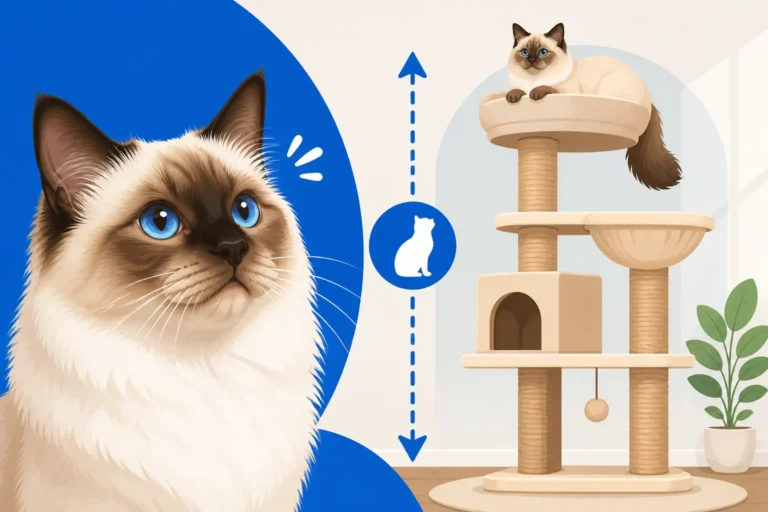
Why a Birman Follows You Without Demanding Anything
It’s a familiar scene for many Birman owners: you get up from the sofa to grab a snack, and there they are, a soft, silky shadow padding quietly behind you. You move from the kitchen to the bedroom, and again, they follow, perhaps settling a few feet away, watching. Unlike some cats who might loudly demand attention with insistent meows or vigorous head-butts, your Birman simply is there, present, without asking for anything specific. This quiet companionship is one of the most endearing traits of the breed, and this guide will delve into why Birmans are such devoted, yet undemanding, followers.
Understanding the Birman's Unique Temperament
The Birman cat is often described as a "middle-of-the-road" cat, striking a unique balance between the boisterous energy of a Siamese and the serene, sometimes aloof, nature of a Persian. This isn't by accident; it's deeply ingrained in their temperament and history, leading to their distinct preference for proximity over pronounced demands.
The 'Middle Cat' Personality
When you think of feline personalities, there's a wide spectrum. On one end, you have the highly vocal, endlessly active, and sometimes rather opinionated breeds like the Siamese, who will tell you exactly what they want, when they want it, and often in no uncertain terms. On the other, you might find cats like the Persian, known for their calm, regal demeanor, often content to observe from a distance, perhaps on a plush cushion, only seeking direct interaction on their own terms. The Birman, however, gracefully occupies the space in between.
This "middle ground" means they possess the affectionate nature and intelligence to seek out human company, but without the high-octane demands. They enjoy being part of the family action but aren't typically the ones orchestrating it. They’ll trot after you from room to room, settling near your feet, on a nearby chair, or even on a desk beside you, simply soaking up your presence. They want to be with you, rather than on you or demanding from you. This is precisely The Birman Sits Between the Siamese and the Persian, taking the best of both worlds – the sociability without the excessive noise or neediness. Their gentle nature means they are often found participating in family life, just quietly, a silent, furry anchor in your day.
A History of Devotion, Not Demands
The Birman's storied past is often linked with temples and spiritual devotion, particularly the enchanting legend of Sinh, the temple cat whose transformation is said to have imbued the breed with their distinctive white paws and striking blue eyes. While legends are, of course, stories, they often reflect the core essence people associate with a breed. For the Birman, this essence is one of sacred companionship, a silent witness, and a devoted presence. This historical narrative, whether literal or symbolic, underscores a breed cultivated for a calm, deeply connected relationship with humans.
Beyond the legends, generations of careful breeding have reinforced this gentle, human-focused trait. Breeders haven't typically sought out the most vocal or overtly playful Birmans for their lines; rather, they've prioritized the calm, adaptable, and companionable qualities that make Birmans such cherished household members. This continuous selection for a placid, affectionate disposition has resulted in cats that naturally gravitate towards their humans, not as a source of endless entertainment or servitude, but as a beloved companion to simply share space with. It's a devotion expressed through proximity and quiet observation, rather than constant appeals for attention.
The Silent Language of a Birman
One of the most profound aspects of living with a Birman is learning to understand their subtle forms of communication. They are not prone to dramatic vocalizations or aggressive bids for attention. Instead, a Birman often communicates through a rich tapestry of gentle cues that, once understood, reveal a deeply expressive inner world. They might follow you into a room and then, instead of meowing for pets, simply sit and watch you, perhaps offering a slow blink – the feline equivalent of a kiss – or a soft purr that you have to lean in to hear.
Their requests are rarely direct commands. A Birman might lightly brush against your leg as you walk past, not to trip you or demand immediate fuss, but merely to acknowledge your presence and offer their own. If they want something, like a fresh bowl of water or a bit of lap time, they might lead you subtly towards it, looking back to see if you're following, or jump gracefully onto a nearby surface to bring themselves closer to your eye level, then simply sit and wait. It’s a polite, almost deferential, way of asking, trusting that you’ll eventually notice their quiet appeal. Understanding this quiet communication builds a deeper bond, encouraging owners to be more attuned to their cat's unspoken language.
The Birman's Need for Proximity and Companionship
Birmans are fundamentally social creatures, and their following behavior stems from a deep-seated need for companionship. It’s not about getting something specific from you; it’s about sharing your space and feeling connected. This desire for proximity is a defining characteristic of the breed.
A Cat That Craves Presence
It’s easy to misunderstand a cat that follows you everywhere. Some people might assume the cat is always hungry, wants to play, or needs something fixed. With a Birman, however, this isn't usually the case. Their following is less about seeking active interaction and more about simply craving your presence. They want to be in the same room, or at least within earshot, wherever you are. If you're working at your desk, they'll often be curled up on a nearby chair, a cat tree, or even on the desk itself, but not necessarily demanding to be petted or played with. They're just content to occupy the same sphere.
Think of it as having a quiet, furry companion by your side as you navigate your day. They're your personal shadow, not because they're bored, but because your presence provides them with comfort and security. This isn't a trait to be taken for granted; it's a testament to the strong bond Birmans form with their human families. They derive immense satisfaction from being part of your routine, even if that participation is purely observational. This quiet cohabitation is a hallmark of the breed, a subtle declaration of their affection and belonging.
Why Solitude Can Be Stressful for a Birman
Given their profound need for companionship, it's perhaps not surprising that Birmans generally do not thrive in solitude. While all cats benefit from interaction, a Birman's gentle temperament means they can become genuinely stressed or anxious if left alone for extended periods without any company at all. Their "following" behavior is a way to ensure they are never truly alone, actively seeking out and maintaining that comforting human presence. When that presence is removed, the sense of security can diminish.
A Birman left alone for a typical working day might cope, especially if they have plenty of enrichment or a feline companion. However, prolonged or frequent periods of isolation can lead to behavioral issues. They might become withdrawn, overgroom, or even stop eating. This is why many Birman breeders advocate for families where someone is usually home, or for owners to consider getting two Birmans so they always have company. How Many Hours Alone Before a Birman Stops Eating can be surprisingly few for a Birman that truly misses its human. If you work long hours, creating a stimulating environment with toys, window perches, and perhaps even a pet camera to check in can help, but nothing truly replaces companionship. For some, Bringing a Second Cat Home to a Birman That Wants One is the ideal solution to ensure their Birman always has a playmate and a presence, even when you're not there.
The Birman as a Quiet Observer
The Birman truly excels at the art of quiet observation. They are masters of simply being. Unlike some more demanding breeds that might interrupt your activities with insistent play requests or loud commentary, a Birman often prefers to watch. They will track your movements from the sofa, the top of a cat tree, or a favorite windowsill, processing your actions with an almost zen-like calm.
This observational quality means they become incredibly attuned to your daily routines. They'll learn your wake-up time, your coffee ritual, your work schedule, and your evening unwind patterns. This understanding further facilitates their following behavior; they're not just trailing you aimlessly, but often anticipating your next move. For instance, if you head to the kitchen, your Birman might deduce it's mealtime or treat time and follow with a hopeful, yet silent, expectation. If you pick up a book and settle into an armchair, they'll likely find their own spot nearby and settle down for a quiet afternoon of mutual companionship. They are deeply involved in your life, not as a participant demanding action, but as a peaceful, ever-present observer.
Instinctual Behavior vs. Learned Habits
Is a Birman's habit of following us around purely instinctual, or is it something they learn from us over time? The truth is, it's likely a wonderful blend of both, shaped by their genetic predisposition for companionship and reinforced by the subtle interactions they have with their human families.
The Echo of Ancestral Traits
While the Birman's specific origin story is shrouded in legend and the exact breeds that contributed to its initial development are debated, it's generally accepted that Siamese and Persian cats played a significant role in its reconstitution after World War II. These ancestral lines leave a subtle echo in the Birman's behavior. From the Persian, they likely inherited a certain calm dignity and a less vocal nature, while from the Siamese, they may have gained their intelligence, curiosity, and a desire for human connection, albeit in a much more muted form.
Their intelligence allows them to quickly grasp human routines and patterns. They understand that when you pick up your keys, you're leaving, or when you head towards the kitchen, food might be involved. This cognitive ability allows them to predict your movements and choose to follow, not out of blind instinct, but out of a desire to maintain proximity and potentially engage in a familiar, comforting routine. So, while the desire for connection might be hardwired, the specific pattern of following is honed by their keen observation and understanding of your daily life.
Reinforcement of Gentle Attention
A Birman’s quiet following is often subtly reinforced by their owners, sometimes without us even realizing it. When your Birman pads into a room and settles near you, you might instinctively offer a soft word, a gentle stroke, or a knowing glance. These small, undemanding gestures are exactly what a Birman values. Unlike a cat that demands attention with loud meows, which might be ignored if inconvenient, a Birman’s subtle presence often elicits a positive, quiet response.
This creates a gentle, positive feedback loop. The Birman learns that its quiet presence is acknowledged and appreciated, even if it doesn't result in immediate play or treats. They understand that simply being near you brings a sense of well-being and a quiet affirmation of your bond. If you frequently reach down for a head rub or offer a kind word when they're nearby, you're subtly teaching them that their following is a welcome behavior. This reinforcement strengthens their natural inclination to stay close, cementing the habit of being your ever-present, yet undemanding, shadow.
Understanding the Birman's Daily Rhythm
To truly appreciate why a Birman follows you, it helps to understand their typical daily rhythm. These cats tend to synchronize their lives with their humans, blending periods of deep sleep with watchful wakefulness that often coincides with your activities. A Birman's day isn't usually a frantic dash of activity, but rather a more measured pace, punctuated by naps, quiet grooming, and, of course, following you.
They might spend several hours napping peacefully on a sunny spot or on a favorite blanket, but as soon as they sense movement or hear you stirring, their ears will swivel, their eyes will open, and they'll often be up and ready to join you. Why a Birman Sleeps Wherever You Last Sat is a common observation, as they often choose resting spots that are imbued with your scent and warmth. During your active hours, they'll often be awake and alert, opting to position themselves where they can see and hear you, ready to shadow your movements. This natural alignment of their awake periods with yours makes their following behavior a natural extension of their integrated presence in your life.
How a Birman Communicates Its Needs Without Demanding
One of the most charming aspects of the Birman temperament is their ability to communicate effectively without resorting to loud, insistent demands. Their language is one of subtlety, body cues, and soft vocalizations that require a perceptive owner to fully appreciate.
The Subtle Art of the Birman Trill
If you're used to more vocal breeds, a Birman might initially seem almost mute. But listen closely, and you'll discover a delightful array of soft sounds that form their unique conversational style. The most characteristic of these is the trill – a soft, rolling R sound made in the back of the throat, often accompanied by a purr. This isn't a loud "meow" or a demanding "yowl"; it's a gentle greeting, an acknowledgment, or a quiet request. The Small Trill a Birman Uses Instead of a Meow is their signature vocalization.
They might trill when you first wake up, when you come home, or when they jump onto your lap for a brief cuddle. It's their way of saying, "Hello, I see you, and I'm happy you're here." Beyond the trill, Birmans also use soft chirps, often directed at birds outside the window, and a low, rumbling purr that resonates through their bodies rather than echoing through the room. These vocalizations are rarely prolonged or attention-seeking; they're snippets of conversation, invitations to connect, or expressions of contentment, always delivered with an understated grace.
Body Language and Eye Contact
A Birman's body language speaks volumes, even when their voice is quiet. Their relaxed posture, slow tail swishes, and gentle approach convey a sense of calm and trust. If a Birman wants attention, they might not meow, but instead, they'll sit a little closer, gaze at you with their deep blue eyes, and then, if you meet their stare, offer a slow, deliberate blink. This "cat kiss" is a powerful sign of affection and comfort, indicating they feel safe and connected to you.
Their tail is another expressive tool. A gently waving tail usually signals contentment, while a tail wrapped around your leg or an object indicates affection and marking of their territory (and you!). They might also "knead" gently with their paws, a vestige of kittenhood comfort, indicating profound happiness and security. Even their sleeping positions can tell you something; a Birman stretched out on their back, belly exposed, is showing immense trust and relaxation in your home. Learning to read these subtle physical cues is key to understanding your Birman's unspoken needs and emotions.
Gentle Nudges and Brushes
While some cats might head-butt with gusto or paw aggressively for attention, a Birman's physical bids for interaction are far more delicate. They might walk past you, gently brushing their silky flank against your leg, depositing their scent as a sign of connection and belonging. This isn't a demand to be picked up or showered with pets; it's a soft acknowledgement of your shared space and their affection.
If they truly want something, like a treat or to be let into a room, they might gently lead you towards it, looking back over their shoulder to see if you're following. A soft tap with a paw might occur if you’re engrossed in something and they’d like a moment of your time, but even this is usually done with claws retracted and a polite delicacy. These gentle nudges are a far cry from the more insistent methods of other breeds, embodying the Birman’s respectful and undemanding nature. They're asking, not ordering, always leaving room for you to respond in your own time.
Living with a Birman's Shadow: Practical Implications
Embracing a Birman into your home means welcoming a loving, constant shadow. Understanding their unique needs for companionship and a secure environment is crucial for ensuring their well-being and nurturing that special bond.
Providing Adequate Companionship
Since a Birman thrives on presence, simply being in the same room is often enough to make them feel loved and secure. However, it's also important to carve out dedicated time for gentle interaction. This doesn't necessarily mean an hour of high-energy play, but rather quiet moments of connection. A few minutes of gentle petting while you read, allowing them to sit on your lap while you watch TV, or even just talking to them as you go about your day can make a world of difference.
If your lifestyle means you're often out of the house for extended periods, seriously consider the possibility of a second Birman. As mentioned, Bringing a Second Cat Home to a Birman That Wants One can dramatically improve their quality of life, providing consistent companionship and reducing feelings of loneliness or stress. Many Birmans do exceptionally well in pairs, often becoming inseparable playmates and napping buddies. You can find durable toys on Amazon to keep them entertained when you're busy, but remember, for a Birman, companionship often trumps even the most engaging toy.
Ensuring a Secure Environment
A Birman’s trusting and unassertive nature makes them particularly vulnerable if allowed to roam freely outdoors. They lack the street smarts and aggressive instincts of many other breeds, making them easy targets for other animals or even human theft. Their beautiful, silky coats and striking blue eyes make them highly recognizable and, unfortunately, desirable to unscrupulous individuals. This is why Why a White Gloved Cat Should Never Be Let Out isn't just a recommendation, it's a vital safety measure for the breed.
Creating a safe, enriching indoor environment is paramount. This can include:
- Window Perches: To satisfy their natural curiosity and desire to observe the outside world without exposure to dangers.
- Cat Trees and Shelves: Birmans don't often climb to the highest points, but they appreciate mid-height perches where they can survey their domain from a comfortable vantage point.
- Secure Catios: A screened-in outdoor enclosure (catio) offers the best of both worlds – fresh air and stimulation in a completely safe environment. You can find many components and accessories for building catios on Amazon.
- Safe Toys: Interactive toys that stimulate their minds without encouraging aggressive play are ideal.
Their tendency to follow you also means you need to be mindful of open doors or windows, ensuring they don't accidentally slip out unnoticed. A secure home environment allows your Birman to fully relax into their role as your gentle shadow, free from external threats.
Recognizing When "Following" Becomes "Concern"
While a Birman's constant following is typically a sign of affection and contentment, it's crucial to distinguish this normal behavior from a sudden, unexplained increase in clinginess or a change in their usual habits. A Birman, with its placid temperament, is renowned for hiding illness. They often won't vocalize pain or discomfort, making subtle behavioral changes your primary indicator that something is wrong.
If your Birman, who usually settles quietly nearby, suddenly starts relentlessly following you, constantly trying to get into your lap, or exhibiting other unusual behaviors like excessive grooming, loss of appetite, or hiding, it could be a cry for help. A sudden increase in following, especially if accompanied by a change in their normal demeanor (like being more withdrawn or restless), might indicate they are feeling unwell, anxious, or in pain. Why a Birman That Stops Following You Needs a Vet is an important warning sign, but so too is a Birman that starts following you much more intensely than usual. Pay attention to subtle shifts: a change in purr intensity, a reluctance to jump, or an unusual lethargy, all of which might be accompanied by heightened clinginess. Early detection of such changes and a prompt veterinary visit can make a significant difference in their health outcomes.
The Birman in a Family Setting
The Birman's gentle, adaptable nature makes them exceptionally well-suited to a variety of family dynamics, often integrating seamlessly with children and other pets, becoming a beloved, yet unobtrusive, member of the household.
How Birmans Interact with Children and Other Pets
It’s often said that Birmans are the ideal family cat, and their interaction style with children and other animals certainly supports this claim. They possess a remarkable patience and tolerance, making them an excellent choice for homes with young children. Instead of reacting with fear or aggression to a toddler's clumsy advances, a Birman is more likely to simply walk away or calmly endure a gentle pat, never resorting to claws or bites. Why a Birman Tolerates Toddlers so well is largely due to their calm and unaggressive disposition; they're simply not prone to lashing out.
Similarly, Birmans tend to integrate beautifully with other pets, especially well-behaved dogs. Their calm energy matches well with a dog that respects boundaries, and they often form close bonds, curling up together for naps. They observe first, then slowly, gracefully, join the existing social fabric. This makes them a perfect fit for a bustling home, as Why the Birman Ends Up in Houses With Both Kids and Dogs is a common scenario. They aren’t demanding playmates for either kids or dogs, but rather quiet, accepting companions who enhance the peaceful rhythm of the home.
A Birman's Bond with Its Chosen Human
While Birmans are generally friendly and sociable with everyone in the household, many owners observe that their Birman often chooses one particular person to bond with most deeply. This doesn't mean they ignore other family members; far from it. They'll still greet everyone, accept pets, and enjoy company. However, with their "chosen" human, the following behavior might be more pronounced, the quiet gazes more frequent, and the soft trills more personal. Why a Birman Picks One Person and Still Likes Everyone is a testament to their capacity for both broad affection and deep, individualized connection.
This special bond is often expressed not through overt demands, but through that constant, comforting presence. This individual will be the one they follow most consistently, the one they choose to nap nearest to, and the one whose lap they might occasionally grace with their full weight. It’s a silent, unwavering loyalty, a profound trust that speaks volumes without a single loud meow. It's a relationship built on mutual respect and a deep appreciation for shared space and quiet affection.
The Joy of a Quiet Companion
Ultimately, the Birman’s tendency to follow you without demanding anything is one of its most defining and cherished traits. In a world often filled with noise and constant demands for attention, having a companion that simply is there, offering a quiet, loving presence, is incredibly soothing. They don't impose their will; they invite connection. They don't shout for love; they offer it through proximity and soft gestures.
For those who appreciate subtle affection and a peaceful home, a Birman is an absolute treasure. They are perfect for individuals or families who want a cat that is deeply connected but not overwhelming, a cat that becomes a gentle, furry anchor in the daily ebb and flow of life. The joy of a Birman lies in these unspoken moments – the soft brush against your leg, the tranquil purr from a nearby chair, the constant shadow that reminds you you're never truly alone. This undemanding devotion is a unique gift, enriching your life with quiet warmth and unconditional companionship.
| Behavior Trait | Demanding Cat's Expression | Birman's Expression |
|---|---|---|
| Seeking Attention | Loud, persistent meows; pawing; jumping on counters | Soft trills; gentle leg brushes; quiet observation |
| Wanting Food | Aggressive vocalizations; sitting on head; biting | Sitting by bowl, looking at you; quiet follow |
| Desiring Play | Bringing toys with loud meows; insistent nudges | Watching play; gentle batting; silent fetching |
| Expressing Affection | Head-butting forcefully; constant purring & kneading | Slow blinks; sitting quietly nearby; soft purr |
| Comfort Seeking | Climbing on lap and staying put; vocal complaints | Following to same room; finding nearby spot to nap |
| Reacting to Stress | Hiding; aggression; destructive behavior; loud meows | Withdrawing; subtle changes in routine; overgrooming |
Disclaimer
This article is for general informational purposes only and does not constitute professional advice. Laws, prices and regulations vary by location and change over time. Consult a qualified professional for guidance on your specific situation.