The Small Trill a Birman Uses Instead of a Meow
If you've ever had a cat, you know they can be quite vocal, sometimes to the point of being a little… much. We've all been woken up by a demanding meow for breakfast or had a long, drawn-out caterwaul during a late-night zoomie session. But if you're a Birman parent, you've likely noticed something wonderfully different: their vocalizations are often soft, sweet, and incredibly subtle. This guide will delve into the quiet world of Birman communication, helping you understand their unique voice and gentle ways.
Understanding the Birman's Unique Vocalizations
Birmans are famously quiet cats, a trait that endears them to many, especially those who appreciate a peaceful household. Their approach to communication is a stark contrast to some of their more boisterous feline cousins, reflecting their generally serene and composed nature. Understanding these subtle cues is key to truly connecting with your Birman.
The Small Trill a Birman Uses Instead of a Meow
When you expect a full-throated "meow!" from a Birman, you'll often be met with something entirely different: a delicate trill. Imagine the soft, rolling sound of a dove cooing, or a tiny, inquisitive chirp. This isn't just a quiet meow; it's a distinct vocalization that many Birman owners cherish. It’s their way of saying hello, asking for attention, or expressing contentment without ever raising the decibel level.
This trill is a fascinating aspect of their charm. It often comes when they approach you, perhaps winding around your legs or jumping up onto a nearby sofa. It's a gentle invitation to interact, a polite acknowledgment of your presence. You might hear it as they trot into the room to greet you after a long day, a soft, purring-like sound that communicates their pleasure at your return. It's truly a testament to their refined and understated personality.
Why the Birman Never Inherited the Siamese Voice
It's common knowledge that the Siamese cat is renowned for its loud, insistent, and often quite piercing voice. Given that Birmans share some distant ancestral ties with Oriental breeds that eventually led to the Siamese line, you might expect a hint of that powerful vocal capacity. However, the Birman's temperament and vocal habits couldn't be more different. Their lineage and subsequent development focused on creating a companionable, placid cat, and thankfully, the gene for the Siamese's booming voice seems to have been politely sidestepped.
The contrast highlights the selective breeding that has shaped the Birman over generations. While the Siamese was admired for its bold personality and expressive vocalizations, the Birman's appeal lay in its gentle nature and quiet elegance. Breeders prioritized traits like sweetness, calmness, and that endearing soft trill, effectively filtering out any tendencies towards louder, more demanding calls. This is why when a Birman is "talking" to you, it's a much more understated conversation than you'd ever have with a Siamese.
How a Birman Asks Without Ever Raising Its Voice
A Birman's quietness doesn't mean they don't have needs or desires; they just express them in a much more refined way. Instead of loud meows, they use a symphony of subtle body language and soft sounds. You might find them sitting patiently by their food bowl, gazing up at you with those deep blue eyes, or perhaps they'll weave between your legs with a gentle trill, a silent plea for a stroke or a cuddle.
They are masters of the gentle nudge, the soft head-butt, or the quiet paw tap. A Birman asking for play might bring a toy and drop it silently at your feet, then look at you expectantly. If they want to be let into a room, they might sit quietly by the door, occasionally letting out a tiny, almost imperceptible chirp. This delicate approach means you need to be attentive to their cues, which can be a lovely way to strengthen your bond. Their quiet nature means you really have to listen and observe to understand their subtle language.
The Birman's Gentle Demeanor and Affection
The Birman cat is often described as the "gentle giant" of the feline world, not necessarily because of their size, but due to their inherently calm and affectionate nature. They are renowned for their patience and easygoing personality, which makes them ideal companions for a wide range of households. Their affection, like their voice, is often expressed with a quiet grace rather than an overwhelming demand.
How a Birman Shows Affection Without Making Demands
Unlike some cats who might jump onto your lap the moment you sit down or rub insistently against your leg until they get attention, Birmans express affection in a more understated yet deeply meaningful way. They are the masters of quiet companionship. You'll often find them choosing to be in the same room as you, perhaps curled up on a nearby chair or stretched out on the floor, just soaking up your presence. This constant proximity is a clear sign of their love and comfort with you.
Their affection might manifest as a soft head-bunt against your hand as you walk by, or a delicate tap with a paw when they want a stroke. Some Birmans enjoy a good grooming session where they'll purr deeply, showing their contentment. They truly value connection, and their quiet presence is often more powerful than any loud display. They want to be near you, to share your space, and to be acknowledged with a gentle touch rather than a full-on fuss. This undemanding nature is one of the reasons Why a Birman Is the Cat Families Are Told to Get.
The Birman Sits Against Your Leg, Not on Your Lap
If you’re dreaming of a cat that will constantly sprawl across your lap, demanding endless cuddles, a Birman might surprise you. While they are incredibly affectionate, many Birmans prefer to sit next to you, or against your leg, rather than directly on your lap. It's a subtle but important distinction in their expression of closeness. They want to feel your warmth and proximity without necessarily being fully encompassed or restrained.
This preference is part of their gentle independence. They love to be close, to feel connected, and to be part of your immediate space, but they also appreciate having the freedom to move if they wish. You might find your Birman snuggled right up against your side on the sofa, purring contentedly, or draped elegantly across the armrest with a paw resting lightly on your thigh. It’s their way of saying, "I'm here, I love you, and I want to share this moment," all without being overly intrusive. This aligns with the question of Whether a Birman Is a Lap Cat, which often reveals this preference for proximity over direct lap-sitting.
Whether a Birman Kneads
Ah, the gentle art of kneading! This instinctual behavior, often called "making biscuits," is a hallmark of a contented cat. And yes, Birmans absolutely do knead. When a Birman settles down for a cozy cuddle or finds a particularly comfortable spot, you’ll often feel those soft, gloved paws gently pressing and retracting, usually accompanied by a rumble of purrs. This behavior harks back to their kittenhood, when they would knead their mother's belly to stimulate milk flow, and it carries over into adulthood as a sign of extreme comfort and happiness.
For a Birman, kneading is a profound expression of security and affection. It’s a moment when they feel completely at ease, replicating the deep satisfaction they felt as tiny kittens. You might find them kneading on your lap (if they do decide to settle there!), on a soft blanket, or even on your chest. Their gentle paws, often adorned with their distinctive white gloves, make the experience all the more endearing. It's a beautiful, tangible sign that your Birman feels safe, loved, and utterly blissful in your presence.
Birman Social Needs and Companionship
Birmans are not the kind of cats that thrive in solitude. Their sweet, people-oriented personalities mean they truly crave company and interaction. They're often described as social butterflies of the feline world, albeit very quiet and polite ones. Neglecting their need for companionship can lead to a less happy, less well-adjusted Birman.
Why a Birman Does Badly as an Only Cat
This is a crucial point for any potential Birman owner to understand: these cats genuinely struggle when left alone for extended periods without any form of companionship. They are deeply bonded to their human families and thrive on interaction. If you work long hours or travel frequently, and you're considering a Birman as your only pet, you might be setting both of you up for a challenge. A lonely Birman can become anxious, withdrawn, or even develop stress-related behaviors like overgrooming.
Their placid temperament and quiet nature mean they won't necessarily yowl for attention like some breeds, but their distress will manifest in other ways. They might stop eating as much, become less playful, or simply seem despondent when you return home. They crave that consistent presence, whether it's a human family member or a compatible animal companion. This is why many experienced Birman owners and breeders strongly advocate for getting two Birmans, or at least ensuring they have plenty of interaction if they are the sole pet. It's a testament to their incredibly social and affectionate spirit. Why a Birman Does Better With Company is a principle many owners learn quickly.
Bringing a Second Cat Home to a Birman That Wants One
If you've noticed your Birman showing signs of loneliness, or if you simply want to enrich their life, bringing home a compatible feline companion can be one of the best decisions you make. Birmans generally welcome other animals, especially other cats, with their inherent gentleness. However, the introduction needs to be slow and thoughtful to ensure a smooth transition for everyone involved.
Start with scent swapping, allowing them to get used to each other's smell before meeting face-to-face. Create separate safe spaces, and introduce them through a gate or screen, supervising initial interactions closely. Birmans are not usually territorial or aggressive, so they tend to adapt well, often finding comfort and entertainment in another cat's presence. Watching two Birmans, or a Birman and another calm breed, curled up together or engaging in quiet play is a truly heartwarming sight. It alleviates the burden of being the sole source of companionship and allows their naturally social instincts to flourish.
Why a Sitter in the House Suits a Birman Better
When it comes to travel or extended absences, a Birman's sensitive and social nature means that traditional boarding kennels or brief drop-in visits might not be the best solution. The disruption, the unfamiliar environment, and the lack of constant human presence can be very stressful for them. This is where an in-home cat sitter truly shines, especially one who understands the unique needs of a Birman.
Having a sitter stay in your home, or at least visit for extended periods multiple times a day, provides a sense of continuity and minimizes stress. Your Birman stays in their familiar territory, surrounded by their usual scents and routines. A good sitter will not only feed and clean litter boxes but also provide the essential human interaction and playtime your Birman craves. They can offer those gentle strokes, quiet conversations, and play sessions that keep a Birman feeling secure and loved. It's a small investment that pays dividends in your Birman's emotional well-being, helping them navigate your absence with far less anxiety. This addresses Why Boarding Unsettles a Birman More Than Most Cats.
Play Habits and Enrichment for the Quiet Birman
Birmans might be known for their calm demeanor, but don't mistake their quietness for a lack of need for play and mental stimulation. Like all cats, they require opportunities to express their natural hunting instincts and engage their minds. Their play style, however, tends to be as gentle and understated as their vocalizations, making certain types of toys and enrichment particularly well-suited to them.
Which Toys Suit a Birman That Plays Quietly
When it comes to playtime, Birmans aren't usually the type to leap wildly across the room or engage in boisterous, high-energy antics for hours on end. Their play tends to be more graceful and measured. This means that certain toys resonate more with their personality. Think about toys that encourage a quiet stalk, a gentle pounce, or focused batting rather than frantic chasing.
Wand toys are often a huge hit, especially those with soft feathers or ribbons that mimic prey fluttering slowly. The key is to move the toy in a gentle, gliding manner, allowing your Birman to stalk and pounce with deliberation. Puzzle toys that dispense treats with a bit of effort can also be engaging, encouraging mental stimulation without over-excitement. Soft, plush toys they can bat around or "kill" with a gentle bite are also popular. Avoid overly noisy or aggressive toys that might startle their serene nature. Many excellent options can be found on Amazon, allowing you to easily explore different textures and movement types to see what captures your Birman's interest. This is also covered in Which Wand Toys Move Slowly Enough for a Birman.
Whether a Birman Carries a Toy Around
Yes, absolutely! Many Birmans are quite fond of carrying their favorite toys around, showcasing their inner hunter in a subtle, charming way. You might find them proudly parading a small plush mouse or a crinkly ball from one room to another, sometimes letting out a soft trill as if to announce their successful "catch." This behavior is often linked to their natural instinct to bring prey back to their den.
It's a delightful display of their playful yet non-aggressive nature. They're not usually tearing the toy apart; rather, they're gently carrying it, perhaps dropping it at your feet as an offering or an invitation to play. This can be a sign of a strong bond, as they're sharing their "trophy" with you. Observing your Birman meticulously carrying a toy in their mouth, sometimes even bringing it to their favorite sleeping spot, gives you a peek into their quiet but deeply ingrained predatory instincts.
Whether a Puzzle Feeder Interests a Birman at All
For a breed as intelligent and subtly inquisitive as the Birman, puzzle feeders can be a fantastic form of enrichment, even if their enthusiasm isn't overtly boisterous. These feeders challenge a cat to use their brains and paws to extract treats or kibble, tapping into their natural problem-solving abilities and preventing boredom. While a Birman might not attack a puzzle feeder with the frantic energy of some more high-drive breeds, they often engage with a quiet determination.
Introducing a simple puzzle feeder from platforms like Amazon, one that requires minimal effort initially, can pique their curiosity. As they become more adept, you can progress to more complex designs. The satisfaction for a Birman often comes from the successful completion of the task, rather than the frantic pursuit. This mental workout can be particularly beneficial for indoor-only Birmans, providing an outlet for their intellect and a way to slow down their eating, which can be helpful for their overall digestive health.
Adapting to Change: A Birman's Sensitivity
While Birmans are known for their placid and adaptable nature, it's important not to mistake this for indifference to change. Like many highly intelligent and sensitive creatures, they can be deeply affected by shifts in their environment or routine. Their calm exterior might hide internal stress, making it crucial for owners to be attuned to their subtle cues.
How Long a Birman Takes to Settle After a Move
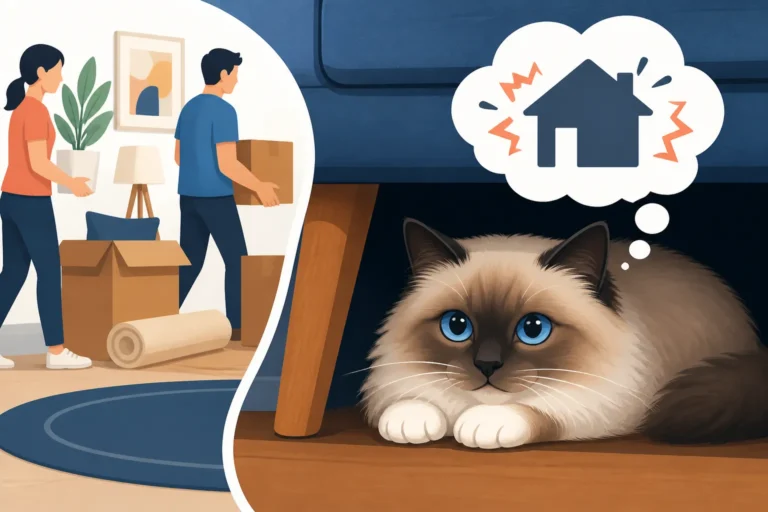
Moving house can be one of the most stressful events for any cat, and Birmans are no exception. Despite their generally calm demeanor, they are deeply attached to their familiar surroundings and routines. A sudden change of environment can cause significant anxiety. The settling-in period for a Birman after a move can vary greatly depending on the cat's individual personality, the level of preparation, and the overall calm of the new home, but it's rarely immediate.
Some Birmans might adjust within a few days or a week, especially if their new space is quiet and they have plenty of familiar items and human reassurance. Others, however, might take several weeks, or even a couple of months, to truly feel at home. During this time, it's common for them to hide more, eat less, or be less interactive. Providing a dedicated "safe room" with their litter box, food, water, and favorite bedding can greatly aid their transition. Patience, consistency, and a calm presence from their human family are the best tools to help a Birman feel secure again. This process is further explained in How Long a Birman Takes to Settle After a Move.
What Calms a Stressed Birman
Recognizing the signs of stress in a Birman is the first step, as their placid nature can make it difficult to spot. Once identified, helping them to calm down involves a multi-pronged approach that focuses on stability, comfort, and gentle reassurance. Creating a predictable routine is paramount: consistent feeding times, regular play sessions, and scheduled cuddle moments provide a framework of security.
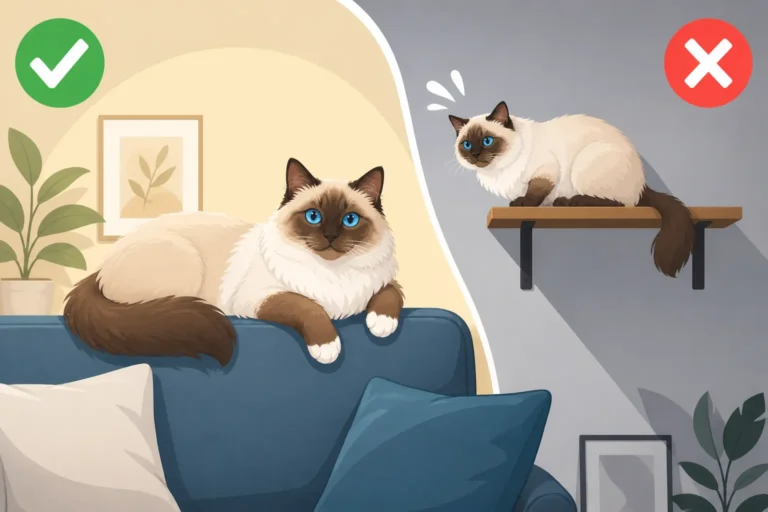
Environmental adjustments can also make a huge difference. Ensuring they have safe, quiet retreats where they can escape, like a cozy bed in a low-traffic area or a high perch (even if they don't climb high, they appreciate a vantage point), is vital. Pheromone diffusers, widely available on platforms like Amazon, can release synthetic calming pheromones that mimic a cat's natural happy scents, often helping to reduce anxiety. Above all, a calm and patient human presence is perhaps the most effective balm for a stressed Birman. Gentle stroking, soft words, and simply sitting quietly nearby can do wonders to re-establish their sense of security.
Why a Birman Dislikes a New Piece of Furniture
You'd think a new sofa or a freshly arranged room wouldn't be a big deal, especially for a cat as seemingly unflappable as a Birman. But for these sensitive souls, even minor changes to their familiar environment can be unsettling. A new piece of furniture, no matter how stylish or comfortable it might appear to us, represents a disruption to their established territory, a new scent, and a modification of their sensory map of the home.
Initially, your Birman might react with suspicion, giving the new item a wide berth, sniffing it cautiously, or even hiding away until they've processed the change. Their reaction isn't about the object itself, but about the alteration to their known world. To help them adjust, allow them to explore the new furniture at their own pace. You can place a familiar blanket or one of their favorite toys on it to transfer familiar scents. Gradually, as the new item integrates into the household, and its scent becomes normalized, your Birman will likely accept it and might even claim it as a new napping spot. It's a subtle reminder of their deep connection to their environment.
Tailoring Enrichment to a Birman's Gentle Spirit
Creating a rich and engaging environment for your Birman doesn't require constant, high-octane stimulation. Instead, it's about providing opportunities that cater to their specific personality: gentle, inquisitive, and highly social. The goal is to encourage natural behaviors in a way that aligns with their quiet grace.
| Enrichment Type | Benefits for Birmans | Key Characteristics |
|---|---|---|
| Interactive Play | Stimulates hunting instincts without over-arousal; strengthens bond. | Wand toys (feathers, ribbons), laser pointers (used carefully). |
| Puzzle Feeders/Treats | Mental stimulation; slows eating; satisfies curiosity. | Easy-to-solve initially, gradually more complex. |
| Vertical Space | Sense of security; observation deck. | Mid-height perches, cat trees not too tall, window beds. |
| Social Interaction | Crucial for emotional well-being; prevents loneliness. | Daily cuddles, gentle grooming, quiet conversation, feline companion. |
| Scent Enrichment | Taps into natural olfactory senses; calming. | Catnip toys, pheromone diffusers, safe outdoor access (catio). |
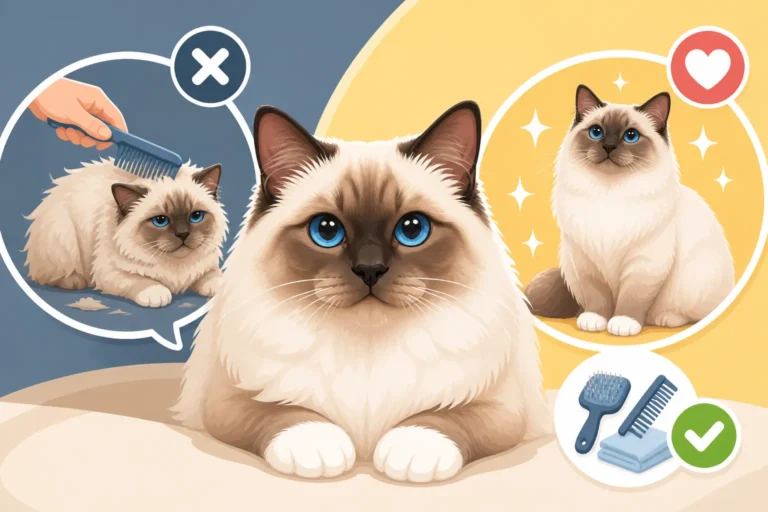
| Grooming Routines | Promotes bonding; keeps coat healthy; reduces mats. | Soft brushes, combs; turns into a relaxing ritual. |
Why a Birman Plays Gently
The gentle nature of a Birman extends deeply into their play style. You won't often see them engaging in rough-and-tumble wrestling matches or aggressive swatting. Instead, their play is typically characterized by grace, deliberation, and a distinct lack of sharp claws. They prefer games that mimic hunting in a refined way – stalking, pouncing, batting – but always with a soft touch. This isn't because they lack energy; it's a reflection of their innate temperament. They're careful, considerate players who rarely extend their claws during interaction, making them wonderful companions for households with children or other pets.
This gentle play style is part of their charm. It means that when you engage in play with your Birman, you're more likely to experience a slow, deliberate pounce on a wand toy or a careful batting of a crinkly ball. They enjoy the chase and the "catch" but do so without any aggressive intent. This makes playtime a relaxing and enjoyable experience for both cat and owner, free from the risk of scratches or overzealous bites. It underscores their reputation as a truly placid and amiable breed.
Whether a Birman Can Be Clicker Trained
Absolutely! Despite their quiet nature, Birmans are intelligent and highly food-motivated, which makes them excellent candidates for clicker training. The key is to remember that positive reinforcement and patience are vital, just as with any animal. They might not respond with the immediate, high-energy enthusiasm of some working breeds, but their focus and desire to please their humans make them very receptive learners.
Start with simple commands like "sit" or "come," using the clicker to mark the exact moment they perform the desired action, immediately followed by a tasty treat. Their calm demeanor actually works in their favor during training, as they tend to be less distracted and more focused on the task at hand. You might be surprised at how quickly your Birman picks up tricks or learns to navigate simple obstacle courses. Clicker training not only provides wonderful mental enrichment but also strengthens the bond between you and your Birman, turning training sessions into enjoyable, collaborative activities. Whether a Birman Is Quick Enough to Clicker Train is a question with a resounding yes.
How Much Play a Birman Wants a Day
While Birmans play gently, they definitely still need regular engagement to stay happy and healthy. The amount of play they want each day might be less intense or shorter in bursts than more energetic breeds, but consistency is key. Typically, two to three short play sessions, each lasting around 10-15 minutes, are usually sufficient to satisfy a Birman's predatory instincts and provide adequate exercise.
These sessions don't have to be exhaustive. A gentle game with a wand toy, a short chase after a laser pointer (always ending with a physical "catch" like a treat), or some interactive playtime with a favorite plush toy can fulfill their needs. The important thing is the regularity and the quality of the interaction. Even as they age, Birmans tend to retain their playful spirit, though the intensity might further decrease. Providing these consistent opportunities for play helps to keep them mentally stimulated, physically active, and deeply connected to their human family. How Much Play a Birman Needs Daily is a balanced approach, not an endless marathon.
Disclaimer
This article is for general informational purposes only and does not constitute professional advice. Laws, prices and regulations vary by location and change over time. Consult a qualified professional for guidance on your specific situation.