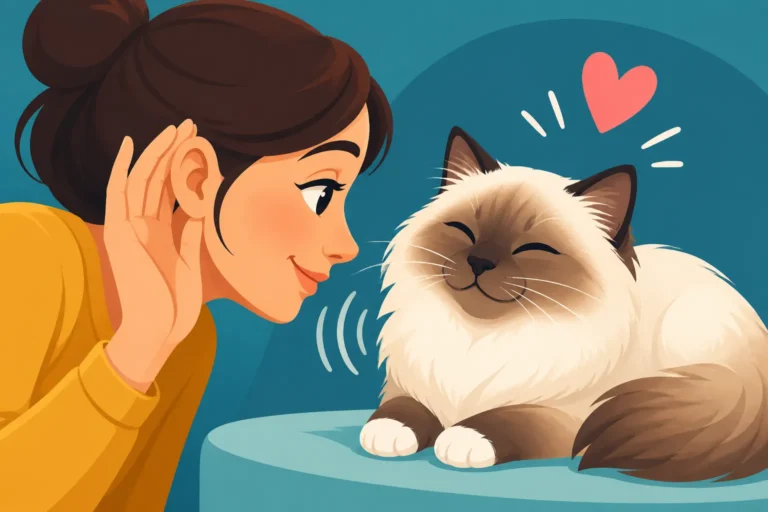
Which Cats Match a Birman’s Middle of the Road Pace
Finding a feline friend whose personality truly harmonizes with your home and lifestyle can feel like navigating a maze, especially when you're looking for a cat that isn't always bouncing off the walls but isn't a total couch potato either. Many cat lovers long for a companion that offers affection without constant demands, a playful spirit without destructive tendencies, and a peaceful presence that simply enjoys being part of the family. This guide is here to help you understand the Birman's wonderfully balanced, "middle-of-the-road" pace and show you which other feline companions might just fit into that sweet spot, ensuring you bring home a cat whose energy levels align perfectly with yours.
Understanding the Birman's Balanced Temperament
The Birman cat is often described as the "middle cat," and it's a moniker they wear quite well. They're not the frenetic, always-on-the-go whirlwind that some breeds can be, nor are they the perpetually sleepy, reserved type that prefers solitude above all else. Instead, Birmans offer a beautiful blend of these extremes, settling into a comfortable rhythm that makes them incredibly adaptable to a variety of households. Their temperament is a direct reflection of their unique heritage, bridging the gap between the more vocal and active Siamese and the famously serene and somewhat sedentary Persian.
This "middle of the road" pace means a Birman is rarely overwhelming. They won't usually be scaling your curtains or orchestrating elaborate midnight zoomies with the frequency of certain high-energy breeds. But don't mistake their calm demeanor for a lack of engagement. They are deeply involved in their human family's lives, preferring to be in the same room, observing, and offering quiet companionship. They thrive on routine and gentle interaction, making them a predictable and comforting presence. It’s this gentle consistency that often endears them to families and individuals looking for a cat that adds warmth without chaos.
What "Middle of the Road" Really Means for a Birman
When we talk about a Birman's "middle-of-the-road" pace, we're really touching on their overall approach to life. It’s about their energy levels, their vocalizations, their need for attention, and their general activity throughout the day. A Birman typically enjoys bursts of play, but these are often self-initiated and relatively short, followed by periods of peaceful lounging. They're not going to demand constant engagement, but they'll certainly appreciate an invitation to play with a wand toy or a gentle petting session.
They're also known for their soft, trilling voices, a far cry from the loud, insistent meows of some other oriental breeds. This low-key communication style means they'll get their point across without ever feeling intrusive. If you're looking for a cat that will greet you at the door, follow you from room to room, and settle near you for an evening, then the Birman fits that description perfectly. They want to be part of the action, but usually from a comfortable, slightly removed vantage point, rather than right in the thick of it. You might find them curled up on the armrest of your sofa or draped across the foot of your bed, always close by but never demanding. The Birman Sits Between the Siamese and the Persian in terms of its overall demeanor, and that balance is truly their superpower.
Why This Pace Suits Many Households
The Birman's balanced temperament is precisely why they're often recommended as an ideal family pet. They're calm enough not to overstimulate young children, yet playful enough to engage with them gently. Their placid nature also makes them excellent companions for older individuals or those with quieter lifestyles who appreciate a peaceful presence. They adapt beautifully to apartment living because their need for vertical space and constant stimulation isn't as high as some of their more acrobatic cousins.
Furthermore, their moderate pace makes them fantastic companions for other pets. They're generally not aggressive or overly dominant, and their easygoing nature allows them to integrate smoothly with dogs or other cats. This adaptability minimizes stress during introductions and helps create a harmonious multi-pet household. They're the kind of cat that can easily become the quiet, unifying force in a busy home, offering a grounding presence without ever fading into the background.
Comparing Birmans to High-Energy Breeds
If you've ever lived with a high-energy cat, you know it's a whole different ballgame. Breeds like the Siamese or Abyssinian are renowned for their boundless energy, their vocal prowess, and their seemingly endless need for interaction and stimulation. While these cats can be incredibly rewarding for owners who can match their intensity, they can also be overwhelming for those who prefer a more relaxed pace. The Birman offers a stark contrast to this vivacious lifestyle, providing a refreshing alternative for many.
High-energy breeds often require extensive play sessions, elaborate climbing structures, and constant mental challenges to prevent boredom and destructive behaviors. They might be the type to wake you up at dawn with insistent meows for food or play, or to demand lap time with relentless head-butts. While endearing to some, this can be exhausting for others. The Birman, on the other hand, provides a more serene companionship, fulfilling the desire for interaction without demanding every waking moment of your attention.
How a Birman's Energy Compares to a Siamese's
The Siamese cat is arguably the poster child for high-energy, high-vocalization breeds. They are incredibly intelligent, curious, and, well, loud. A Siamese will talk to you, about you, and seemingly for the sheer joy of hearing themselves speak. Their energy levels are often through the roof; they love to climb, explore every nook and cranny, and initiate vigorous play sessions that can last for extended periods. Living with a Siamese means embracing a constant whirlwind of activity and conversation.
In contrast, How a Birman's Energy Compares to a Siamese's is like comparing a gentle breeze to a tropical storm. While a Birman will certainly enjoy a good game of chase-the-feather-wand, they'll usually wind down after 10-15 minutes and be content to observe from a nearby perch. Their vocalizations are soft trills and chirps, rarely escalating to the insistent "meows" or "yowls" that characterize the Siamese. A Birman will follow you around the house, not to demand attention, but simply to be in your presence. They are companions, not taskmasters, offering a calm, loving presence rather than a constant energetic challenge.
The Abyssinian: A Contrast in Play Style
The Abyssinian is another prime example of a high-energy breed. Known for their "pixie-like" appearance and their insatiable curiosity, Abyssinians are always on the go. They love to jump, climb, and investigate everything. Their play is often fast-paced and acrobatic, with a keen intelligence that makes puzzle toys and interactive games a must. They thrive on mental and physical challenges and can become bored and mischievous if not adequately stimulated.
A Birman, while also intelligent, expresses its playfulness in a much more grounded way. While an Abyssinian might scale your bookshelves with daring leaps, a Birman is more likely to be found gracefully navigating a multi-tiered cat tree, perhaps stopping halfway up to survey its domain. Their play often involves batting at toys, chasing a laser pointer (though sparingly, to avoid frustration), or engaging in a gentle game of fetch. They enjoy play that keeps them connected to their humans, but it’s less about adrenaline and more about shared interaction. You won't typically see a Birman making gravity-defying leaps across a room; they prefer to keep their paws on more solid ground. If you're looking for excellent interactive toys for a Birman, consider looking for a range of wand toys on Amazon that encourage gentle chasing rather than intense acrobatics.
Comparing Birmans to Low-Energy Breeds
On the opposite end of the spectrum from the high-octane breeds are those known for their exceptionally relaxed, sometimes almost sedentary, lifestyles. Breeds like the Persian are famous for their calm demeanor and preference for lounging, while Ragdolls are well-known for their floppy, easygoing nature. While these cats can be wonderful companions, their low-energy profile also comes with its own set of considerations. The Birman, again, occupies that comfortable middle ground, offering more engagement than a true couch potato but less intensity than an athletic breed.
Low-energy cats might require less interactive play, but they still need enrichment and attention. The challenge with some truly low-energy breeds can be ensuring they get enough exercise to maintain a healthy weight and mental stimulation to prevent boredom, especially when their natural inclination is to nap most of the day. For owners who desire a cat that's more visibly engaged with family life, the Birman's moderate energy is often a perfect fit, providing a good balance between playful interaction and peaceful companionship.
How a Birman's Energy Compares to a Persian's
The Persian cat is renowned for its magnificent, flowing coat and its exceptionally placid temperament. They are the epitome of a lap cat, perfectly content to spend hours napping on a soft cushion or being gently petted. Their energy levels are typically very low, and their idea of "play" might involve a slow batting at a toy from a prone position. They are not known for their athleticism or their adventurous spirit; rather, they thrive in quiet, stable environments where they can reign as serene, fluffy monarchs.
How a Birman's Energy Compares to a Persian's reveals a cat with a bit more get-up-and-go. While Birmans certainly appreciate a good nap (and who doesn't?), they also have a distinct playful streak that the typical Persian might lack. A Birman will actively seek out interaction and play, even if it's just a short game of fetch with a crinkly ball. They are more mobile and curious than Persians, often following their humans from room to room or exploring new objects. So, while both breeds are known for their gentle nature, the Birman offers a more active and observable engagement with their surroundings and their people, without tipping into hyperactivity.
The Ragdoll: A Close Cousin in Calmness
The Ragdoll is another large, beautiful longhaired breed often compared to the Birman, and for good reason. They share a similar gentle, docile nature and a desire for human companionship. Ragdolls are famous for going "floppy" when picked up, melting into their owner's arms, and they are generally quite calm and easygoing. They enjoy play, but like the Birman, it's usually not overly intense or acrobatic.
However, there are subtle differences in their activity levels. While both are calm, some Ragdolls can be even more prone to extended periods of relaxation. A Birman tends to retain a slightly more inquisitive and subtly active presence throughout the day. They might initiate play more readily or show a greater inclination to explore different areas of the home. Think of it this way: a Ragdoll might be content to stay on the sofa for an entire afternoon, whereas a Birman might nap for a bit, then explore a new cat tunnel, then come back for a cuddle. While they are very similar, if you want a cat that is still quite calm but has a more consistent, gentle presence and a bit more 'cat-like' curiosity, the Birman often edges out the Ragdoll. For either breed, sturdy and comfortable beds are always a hit, and you can find a huge variety of these on Amazon. Whether a Birman Outlives a Ragdoll is another common comparison, highlighting their shared long lifespans.
| Trait / Breed | Birman (Middle) | Siamese (High) | Persian (Low) | Ragdoll (Low-Medium) |
|---|---|---|---|---|
| Energy Level | Moderate; enjoys play but also quiet lounging | High; active, agile, needs constant stimulation | Very Low; prefers napping and sedentary activities | Low to Medium; docile, enjoys laps, gentle play |
| Vocalization | Soft trills and chirps; rarely loud | High; loud, insistent, conversational | Low; quiet, soft meows | Low to Medium; soft meows, purrs |
| Affection | Affectionate, prefers to be near, not always on lap | Demanding of attention, very interactive | Affectionate but independent, enjoys gentle petting | Very affectionate, loves being held, "floppy" |
| Play Style | Gentle, interactive with toys, moderate bursts | Intense, acrobatic, highly intelligent games | Minimal, slow batting from a relaxed position | Gentle, follows toys, less intense acrobatics |
| Adaptability | High; adapts to many households/lifestyles | Medium; needs engaged owners, can get bored easily | High; thrives in quiet, stable environments | High; adapts well to calm households, good with children |
| Interaction | Seeks presence, observes, quiet companionship | Demands attention, follows, vocal, engaging | Enjoys petting but often content with self-sufficiency | Seeks closeness, enjoys being picked up and carried |
The Importance of Companion Animals for a Birman
Given their middle-of-the-road pace and deeply social nature, Birmans truly thrive when they have companionship. They are not the kind of cat that enjoys being left alone for long stretches, day after day. While they aren't as demanding as some breeds, their quiet desire for presence means they can become lonely or even anxious if they don't have enough interaction. This isn't just about human companionship; often, another compatible pet can fulfill a significant portion of their social needs.
Many Birman breeders will even suggest adopting two kittens together, and for good reason. Two Birmans can entertain each other, providing that gentle, non-demanding interaction that suits their temperament so well. This allows them to express their natural playfulness and social instincts even when their humans are busy or out of the house. A lonely Birman might become withdrawn or even overgroom itself as a coping mechanism, demonstrating just how much they value a constant presence in their lives.
Why a Birman Does Better With Company
A Birman's ideal day often involves following you from room to room, settling on a nearby chair while you work, or joining you on the sofa for an evening of quiet togetherness. They are deeply sensitive to their environment and the emotional state of their humans. When left alone for extended periods without any companion, they can genuinely pine. This isn't necessarily destructive behavior; rather, it manifests as a quiet sadness, a lack of appetite, or a general listlessness.
Why a Birman Does Better With a Companion Than a Toy really highlights their social needs. While toys are great for short bursts of independent play, they can't replace the living presence of another being. Another cat, or even a calm dog, provides a dynamic, responsive interaction that a toy simply cannot. They thrive on the subtle cues, the shared spaces, and the comfortable silence that comes with having another creature nearby. It's not about constant wrestling or chasing; it's often about simply sharing a sunbeam or grooming each other, providing a profound sense of security and belonging.
Which Cats Match a Birman's Pace for Companionship
If you're considering adding a second cat to a Birman household, or vice versa, choosing a breed with a similar energy level is key to fostering a harmonious relationship. You wouldn't want to pair a high-strung, constantly demanding cat with a placid Birman, as it could lead to stress for both animals. Similarly, a cat that is too shy or reclusive might not provide the gentle companionship a Birman seeks.
Breeds that often match a Birman's middle-of-the-road pace include other docile longhairs like some Ragdolls or even a calm domestic longhair. Some British Shorthairs, with their generally laid-back attitude, can also be a good match. The key is to look for cats that are known for their gentle nature, moderate play drive, and desire for companionship without being overly boisterous or demanding. Introducing them slowly and providing plenty of individual resources (food bowls, litter boxes, resting spots) will set them up for success. Remember, Why a Birman Does Badly as an Only Cat is a common sentiment among Birman enthusiasts, underscoring their need for a friend.
Assessing Your Household's Pace for a Birman
Bringing a Birman into your home isn't just about finding a cat with the right energy level; it's about finding a cat that fits seamlessly into your household's overall pace and rhythm. Every home has its own unique energy – some are bustling hubs of activity with kids and pets constantly on the go, while others are quiet sanctuaries of peace and solitude. The Birman's adaptable and balanced nature makes them surprisingly versatile, but understanding your own lifestyle will help you maximize their happiness and ensure a perfect match.
It’s easy to fall in love with a Birman's beautiful appearance, but their temperament is what truly defines their fit within a family. They are not merely decorative cats; they are active participants in home life, albeit in their own understated way. Taking an honest look at your daily routine, the level of noise and activity in your home, and how much dedicated time you can realistically offer a pet will be crucial in determining if a Birman is the right choice for you.
Busy Families vs. Quiet Lifestyles
One of the Birman's most endearing qualities is its ability to adapt to a range of household dynamics. For busy families with children, the Birman is often a superb choice. Why a Birman Suits a Household With Children is often cited because of their patient and tolerant nature. They rarely lash out with claws when overwhelmed; instead, they tend to quietly remove themselves from a situation that becomes too boisterous. They'll enjoy playing with kids, provided the interactions are gentle, and will happily observe the chaos from a safe distance. They bring a calming presence to an otherwise energetic household, acting as a gentle anchor.
Conversely, Birmans also thrive in quieter homes. For individuals or couples with a more serene lifestyle, a Birman offers comforting companionship without being intrusive. They won't demand constant entertainment, preferring to simply share your space. Their quiet purrs and soft trills provide a soothing background hum, making them excellent companions for reading, relaxing, or working from home. They are perfectly content with predictable routines and a peaceful environment, never adding undue stress with excessive demands or destructive antics.
Integrating a Birman into a Multi-Pet Home
The Birman’s amiable nature also makes them excellent candidates for multi-pet households, especially those with dogs. Unlike some cat breeds that are inherently wary or aggressive towards canine companions, many Birmans show a remarkable ability to accept and even bond with dogs. Their calm and non-confrontational demeanor helps them navigate initial introductions with grace. They won't usually instigate conflict, preferring instead to observe and slowly build trust.
Why a Birman Settles Next to a Dog Within a Week speaks volumes about their adaptability. They often learn to share space, and sometimes even a bed, with a gentle, cat-friendly dog. The key is to ensure the dog is also calm and respectful of feline boundaries. Similarly, Birmans typically integrate well with other cats, particularly if the other feline also possesses a moderate temperament. Their need for companionship means they often welcome a new four-legged friend, making the introduction process smoother than with more territorial or anxious breeds. This makes them a fantastic choice for families who already have a furry family member or plan to add one.
Enrichment for a Birman: Matching Their Moderate Play Drive
Just because a Birman has a middle-of-the-road pace doesn't mean they don't need mental and physical enrichment. In fact, understanding their specific play drive is crucial for keeping them happy, healthy, and engaged. Their enrichment needs are distinct from both high-energy sprinters and low-energy loungers, requiring a thoughtful approach that caters to their gentle curiosity and their preference for interactive, yet not overly strenuous, activities.
The goal isn't to turn a Birman into an acrobat, but rather to provide opportunities for them to express their natural instincts in a safe and stimulating way. This includes providing appropriate toys, opportunities for "hunting" (even if it's just a feather wand), and comfortable perches where they can observe their world. Neglecting a Birman's need for enrichment can lead to boredom, which, while not often destructive in the way it might be for other breeds, can still result in a less fulfilled and less interactive cat.
Choosing Toys for a Gentle Player
When it comes to toys, Birmans often prefer interactive play that involves their humans, rather than solo activities that demand intense physical exertion. How Much Play a Birman Needs Daily is moderate, focusing on quality over quantity. Wand toys with feathers or soft attachments are usually a huge hit, encouraging gentle chasing and pouncing. They enjoy games that simulate hunting but without the frantic pace that might overwhelm them. Laser pointers can be fun, but it's important to end play with a physical toy they can "catch" to prevent frustration.
Puzzle feeders, while not always a Birman's primary form of entertainment (they don't have the same intense food drive or problem-solving obsession as some other breeds), can still offer a nice mental challenge. Look for simpler designs that reward their efforts without being overly complicated. Soft balls, crinkle toys, and catnip-filled mice are also often popular, as they can be batted around gently and carried. You can find a wide range of these stimulating items for your Birman through online retailers like Amazon. The key is variety and regular rotation, keeping things fresh without being overwhelming.
Vertical Space and Observation Points
While Birmans aren't known for scaling tall furniture, they do appreciate having vertical spaces from which to observe their surroundings. They enjoy being elevated, but often prefer mid-height perches rather than soaring cat condos that reach the ceiling. A sturdy cat tree with comfortable platforms, a window perch, or even a soft blanket on a bookshelf can become a favorite spot. These elevated positions satisfy their innate desire to survey their territory and feel secure, without requiring the athleticism of a jungle cat.
It’s about offering options that allow them to feel included and engaged in the household activities from a comfortable vantage point. They love to watch, whether it's the activity in the kitchen or birds outside a window. Providing these safe, elevated observation spots contributes significantly to their overall well-being and contentment. A well-placed cat tree or window seat, ideally positioned where they can watch outdoor activity or simply keep an eye on family goings-on, will be a cherished addition to their environment.
Disclaimer
This article is for general informational purposes only and does not constitute professional advice. Laws, prices and regulations vary by location and change over time. Consult a qualified professional for guidance on your specific situation.