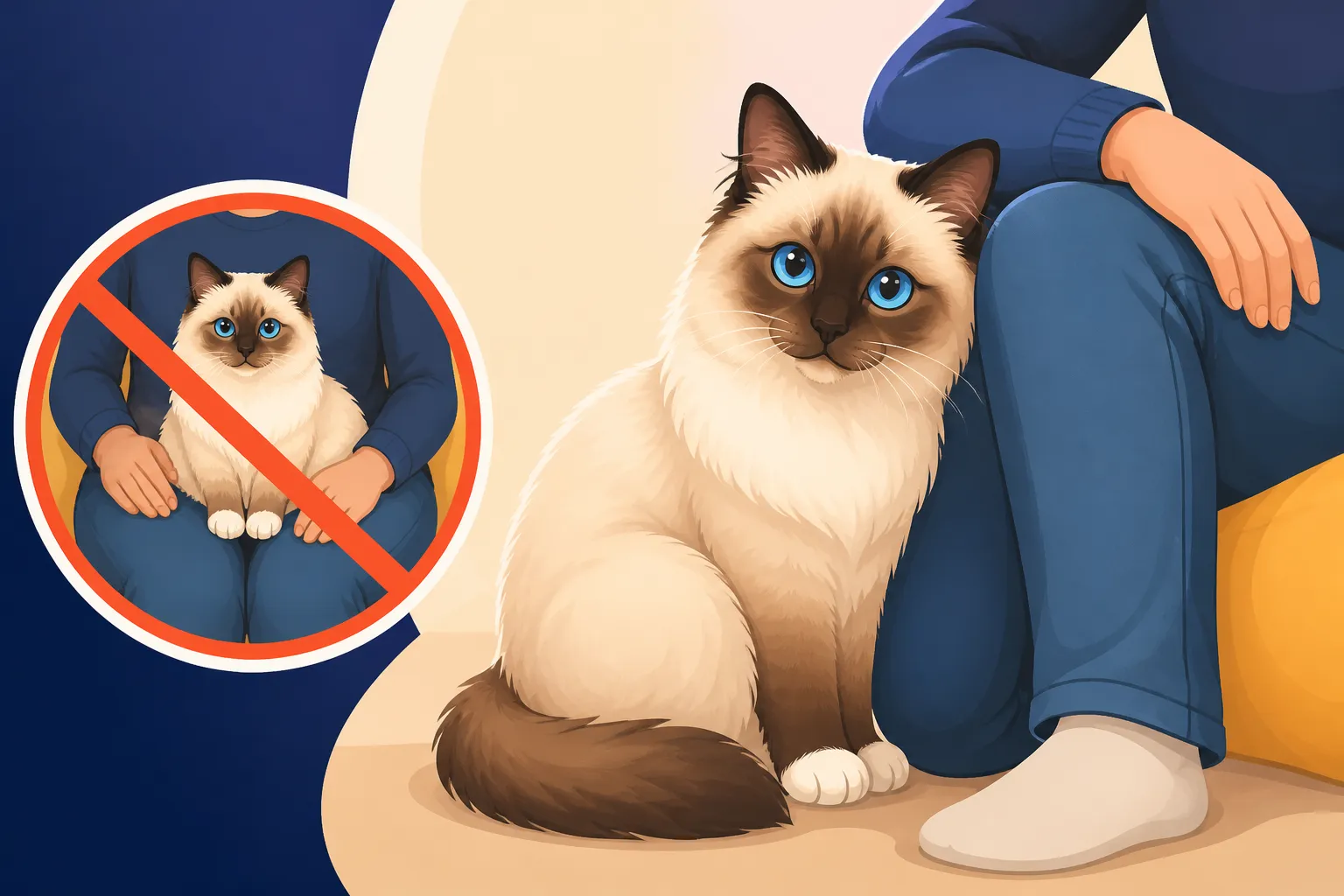
The Birman Sits Against Your Leg, Not on Your Lap
Many cat owners envision a feline companion curled up snugly on their lap, purring contentedly. So, it can be a little surprising when your beautiful Birman often prefers to settle beside you, perhaps draping themselves against your leg on the sofa, rather than directly on your lap. This isn't a sign of aloofness, but rather a charming and characteristic aspect of their gentle personality. This guide will delve into the unique ways Birmans show affection, helping you understand and appreciate why they're often the most wonderful "leg cats" you could ask for.
The Birman's Gentle Nature and Its Impact on Affection
Birmans are renowned for their sweet, docile temperaments. They're often described as the "middle ground" cat, not as boisterous as a Siamese, nor as utterly sedentary as some Persians. This balance deeply influences how they express their love and desire for companionship, leading to a preference for close proximity over direct, prolonged physical pressure.
A Quiet Presence: Understanding the Birman's Undemanding Companionship
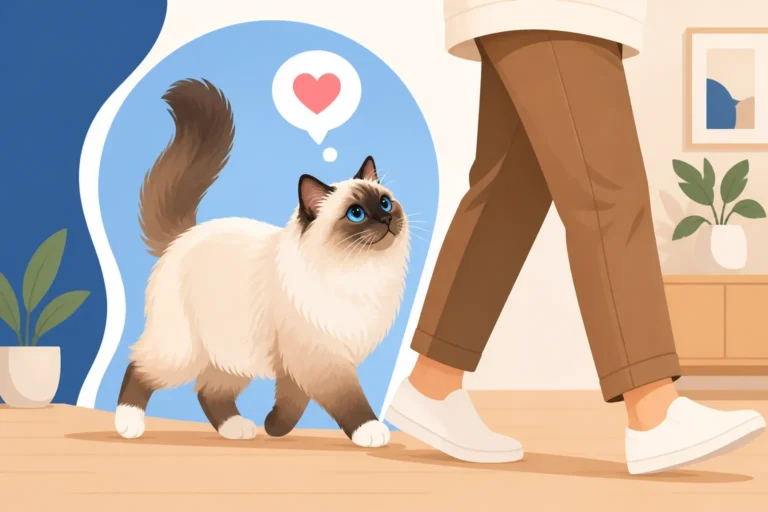
If you're used to more demanding breeds, a Birman's quiet affection might initially be misunderstood. They aren't typically the cats that will loudly insist on attention or jump into your lap the moment you sit down. Instead, they operate on a more subtle wavelength, often content to simply be in the same room, observing your activities, and moving to be near you. You might find your Birman following you from room to room, a soft shadow trailing just a few feet behind. This isn't just curiosity; it's their way of staying connected and ensuring they're always within petting distance. They express a deep desire for companionship without placing heavy demands on your time or attention. They are the ultimate companions for those who appreciate a constant, gentle presence.
Their undemanding nature also means they are unlikely to use loud vocalizations to get your attention. While they might offer a soft trill or a quiet chirp when they want to acknowledge you or express contentment, The Small Trill a Birman Uses Instead of a Meow they rarely resort to persistent meowing or yowling. This quiet approach extends to their physical interactions. Instead of forceful head-butts or insistent pawing, they might lean against you, rub gently on your leg as they pass, or simply settle down with a soft thud right next to your thigh. It’s a subtle dance of affection, one that speaks volumes about their trusting and serene disposition.
Comfort and Personal Space: Why Physical Proximity is Preferred Over Pressure
For many Birmans, the ideal form of physical contact involves closeness without the sensation of being held down or restricted. Imagine settling onto the sofa with a good book, and your Birman hops up, not onto your lap, but immediately beside you, perhaps stretching out along your leg. This position gives them the security of your presence, the warmth of your body, and the opportunity for gentle pets, all while maintaining their own sense of freedom and personal space. They enjoy the connection, but they also appreciate the ability to shift or move without disturbing you or themselves.
This preference for proximity over direct pressure can stem from a few factors. Their long, rectangular bodies, while graceful, might not always find a human lap to be the most ergonomic or stable resting spot for an extended period. Plus, the sensation of constant weight on their body might simply feel less comfortable than being nestled alongside you. It's not a rejection of your affection; it's a matter of preference for how that affection is shared. They want to be with you, enjoying your company, and sometimes that's best achieved by being a warm, fluffy buffer against your side, rather than a heavy blanket on your thighs. How a Birman Shows Affection Without Making Demands They are saying, "I love you, and I want to be close," in their own unique Birman way.
Historical Traits Shaping Their Social Behavior
Understanding the Birman's roots and how the breed developed helps shed light on many of their characteristic behaviors, including their particular style of showing affection. They weren't bred for hunting prowess or even intense human servitude, but rather as companions.
The 'Middle Cat' Temperament: A Blend of Independence and Devotion
The Birman is often referred to as the "middle cat" because their temperament truly sits between the more extreme ends of the feline spectrum. They possess the social intelligence and people-oriented nature of breeds like the Siamese, but without the intense vocalizations or sometimes overwhelming demands for attention. Simultaneously, they have a placid, calm demeanor reminiscent of the Persian, yet they are far more interactive and playful than many cats from that lineage. This delightful blend creates a cat that is deeply devoted to its family but also possesses a healthy sense of self and an appreciation for its own space.
This "middle cat" trait means they cherish your presence and will happily spend hours in the same room, or even on the same piece of furniture as you, but they don't necessarily feel the constant need to be physically on you. They trust that you are there, and that's often enough. Their devotion is shown through their consistent presence, their soft purrs when you stroke them, and their gentle rubs against your leg. They thrive on routine and stability, and their steady, predictable affection reflects this. Why a Birman Behaves With Visitors They will likely greet guests politely but then retreat to a nearby spot to observe, perfectly content to be part of the social fabric without being the absolute center of attention.
Early Socialization and Its Long-Term Effects
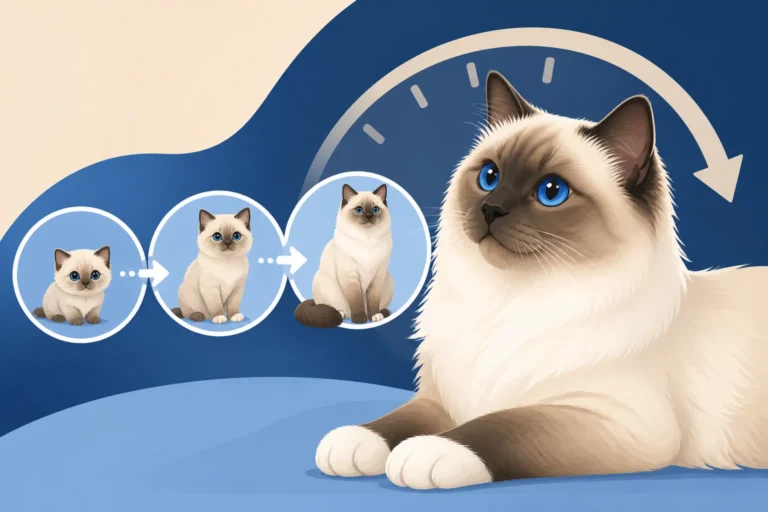
A Birman kitten's early experiences are incredibly influential in shaping its adult temperament, including how it interacts physically. Reputable breeders typically ensure kittens are handled frequently from birth, exposing them to various sights, sounds, and gentle human contact. This positive early socialization teaches them to trust humans and view interaction as a positive experience. However, it doesn't necessarily instill a "lap cat" habit if their natural inclination leans towards proximity.
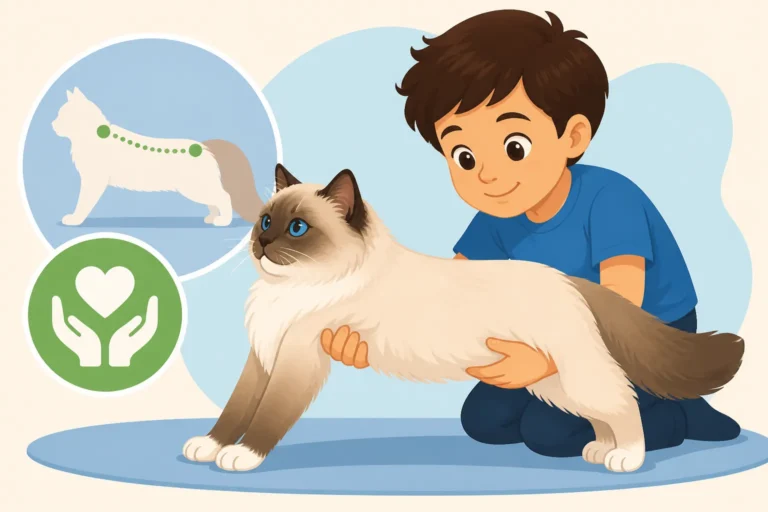
What early socialization does reinforce is their placid acceptance of handling and their comfort with being close to people. A well-socialized Birman will typically be calm and amenable during grooming sessions or vet visits, making them a joy to care for. Why a Birman Rarely Fights Handling If a Birman is accustomed to gentle interactions and having choices in how they receive affection, they will continue to seek out closeness on their own terms. This means if they want to be right next to you, they will. If they feel like they need a little more space, they'll still be nearby, just a few inches further. This foundation of trust and respect for their boundaries contributes to their lifelong pattern of being a beloved "leg cat" rather than a constant lap inhabitant.
Fostering Closeness with Your Leg-Loving Birman
Understanding your Birman's natural inclinations is the first step, but there are also plenty of ways to encourage and deepen your bond, ensuring they feel loved and secure in their preferred mode of affection.
Creating Inviting Spaces for Shared Moments
Since your Birman cherishes proximity, think about creating inviting spaces where they can comfortably be near you. Consider adding soft, plush blankets or dedicated cat beds on the sofa, right next to your favorite sitting spot. Many Birmans adore the coziness of a soft throw or a specialized cat blanket, especially those with a luxurious feel. You can find excellent options on Amazon that cater to this desire for softness and warmth. If you place one right where your leg usually rests, you're essentially providing a designated "Birman spot" that encourages them to settle precisely where they feel most comfortable – adjacent to you.
Beyond the sofa, strategically placed cat trees or window perches can also serve as "shared spaces." While Birmans aren't usually avid climbers, they do enjoy moderate heights from which they can observe their domain. Why a Birman Prefers a Sofa Back to a Wall Shelf A cat tree with a comfy perch next to your desk or a sunny window sill could become their preferred spot for "hanging out" while you work or relax, ensuring they are always within view and easy reach for a quick pet or loving glance. The goal is to make it easy and appealing for them to be with you, even if not on you.
Decoding Your Birman's Unique Communication Style
Birmans are masters of subtle communication. Since they don't often demand attention loudly, it's up to us to learn their cues. A slow blink, a gentle head-tilt, a soft nudge with their head, or the simple act of settling down next to you are all profound expressions of their affection. Take the time to observe their habits: when do they seek you out? How do they initiate contact?
For instance, if your Birman rubs against your leg, it's not just marking territory; it's an invitation for interaction. If they roll onto their back next to you, exposing their belly, it’s a huge sign of trust, though not always an invitation for a belly rub (many Birmans prefer gentle side strokes). Learning to read these nuances will strengthen your bond immensely. Remember that positive reinforcement, like gentle praise and soft strokes when they initiate closeness, works wonders. Why Praise Motivates a Birman More Than Food They respond beautifully to kindness and validation, reinforcing their desire to be near you. You might even use a calming pheromone diffuser purchased from Amazon if you notice your Birman is particularly sensitive to changes in the home, encouraging them to feel even more secure and affectionate.
Here's a quick comparison of Birman affection cues versus what you might expect from a traditional lap cat:
| Affection Cue | Traditional "Lap Cat" | Birman Cat |
|---|---|---|
| Physical Contact | Jumps onto lap, demands petting, heavy purring. | Settles next to you, leans against leg, gentle rubbing. |
| Vocalizations | Loud, persistent meows, chirps for attention. | Soft trills, quiet chirps, purrs heard only up close. |
| Demands | Will paw, head-butt, or climb for attention. | Subtle nudges, makes eye contact, patiently waits for interaction. |
| Proximity | Must be on you or intensely interacting. | Content to be in the same room, a few feet away, or beside you. |
| Independence | Can be clingy, easily stressed when alone. | Enjoys company but comfortable in their own space, not overly needy. |
Embracing the Joys of a Birman's Affection
Once you understand the Birman's unique way of expressing love, you'll find their companionship incredibly rewarding. They offer a deep, steady affection that enriches your life without overwhelming it.
The Beauty of Undemanding Love
There's a special beauty in a Birman's undemanding love. They don't require constant fuss or entertainment, yet their presence is deeply felt. This makes them ideal companions for busy individuals, families, or older owners who appreciate a calm, affectionate pet. You can go about your day, knowing your Birman is nearby, a silent guardian content to share your space. This type of companionship can be incredibly comforting, a steady, warm presence that doesn't add to your mental load.
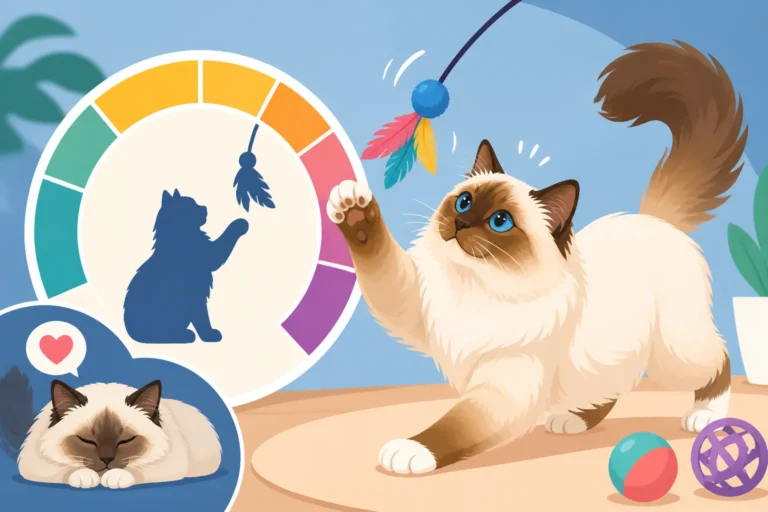
They are content to be part of your world, whether you're working, reading, watching TV, or simply relaxing. Their subtle bids for attention are easy to respond to, often requiring just a few gentle strokes or a quiet word, which makes building and maintaining your bond effortless and joyful. They teach us to appreciate the quiet moments, the unspoken understanding, and the simple joy of shared space. Why a Birman Does Badly as an Only Cat However, despite their independence, they do thrive on companionship, so if you're often away, consider another pet or ensure they have plenty of enrichment, perhaps a self-activating laser toy available on Amazon to keep them entertained.
Building a Respectful and Deep Bond
The relationship you build with your Birman is founded on mutual respect for each other's boundaries and preferences. By understanding that their affection often manifests as proximity rather than direct lap-sitting, you honor their unique personality. This understanding fosters a deeper, more trusting bond. When you sit on the floor, you might find your Birman choosing to rest their head on your leg, or even stretching their entire body along your side, a clear sign of comfort and devotion.
This type of bond is incredibly strong because it's built on acceptance. You're not forcing them into a role they don't naturally inhabit; instead, you're appreciating them for exactly who they are. They will reward you with years of gentle companionship, quiet moments of shared peace, and unwavering loyalty. Their consistent presence and calm demeanor can be a true balm for the soul, making them truly special members of any household, often charming even those who claim not to be "cat people." Why a Birman Suits a Household With Children Their calm nature also means they adapt well to various home environments, including those with respectful children or other pets, making them incredibly versatile and loving companions.
Disclaimer
This article is for general informational purposes only and does not constitute professional advice. Laws, prices and regulations vary by location and change over time. Consult a qualified professional for guidance on your specific situation.