Why a Birman Would Be Stolen Outdoors
The thought of your beloved Birman, with its gentle nature and striking beauty, vanishing without a trace is a nightmare no cat parent ever wants to face. Sadly, for breeds as distinctive and trusting as the Birman, allowing them to roam outdoors can expose them to a very real and heartbreaking risk: theft. This guide will explore the specific reasons why Birmans are often targeted and, more importantly, how you can safeguard your precious feline companion.
The Irresistible Lure of a Birman: Why They Stand Out
It's no secret that Birmans are stunning cats, a true feast for the eyes with their luxurious coats and captivating blue eyes. But it's these very qualities, combined with their famously docile temperament, that can unfortunately make them targets for those with ill intentions. They aren't just pretty faces; they possess a unique combination of traits that make them highly desirable, and sadly, vulnerable.
Striking Appearance and Unique Features
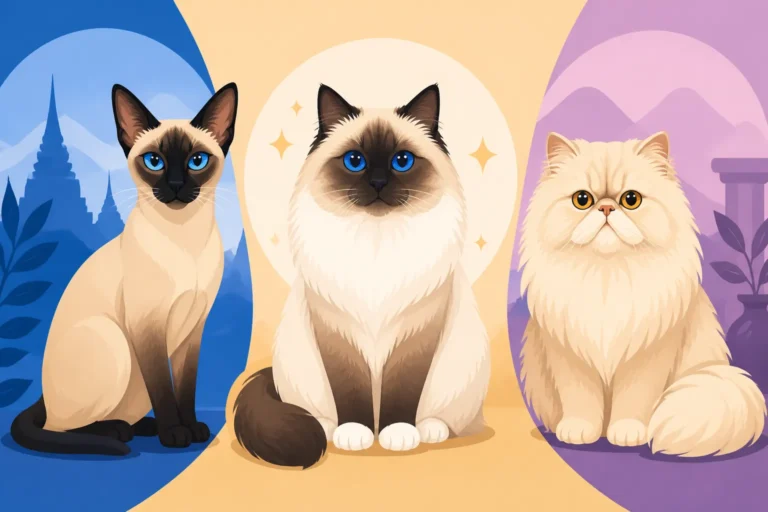
A Birman cat is truly a work of art, and it’s hard not to stop and admire their majestic presence. They possess a semi-longhaired, silky coat that almost feels like cashmere, with distinctive "points" of darker color on their face, ears, paws, and tail. But what truly sets them apart, and is a hallmark of the breed, are those pure white "gloves" on their front paws and "laces" on their back legs. These unique markings are genetically fixed and instantly recognizable. This striking appearance means they don't blend in; they stand out in a crowd, making them easily identifiable and attractive to anyone looking for a visually appealing cat. Think about it: if you saw a cat with such a distinguished look wandering alone, wouldn't it catch your eye? Sadly, it catches the eye of potential thieves too. It's a beauty that demands attention, for better or worse. The Birman Is the Sacred Cat of Burma, and the Story Is a Legend highlights the historical reverence for their unique appearance.
Gentle Temperament and Approachability
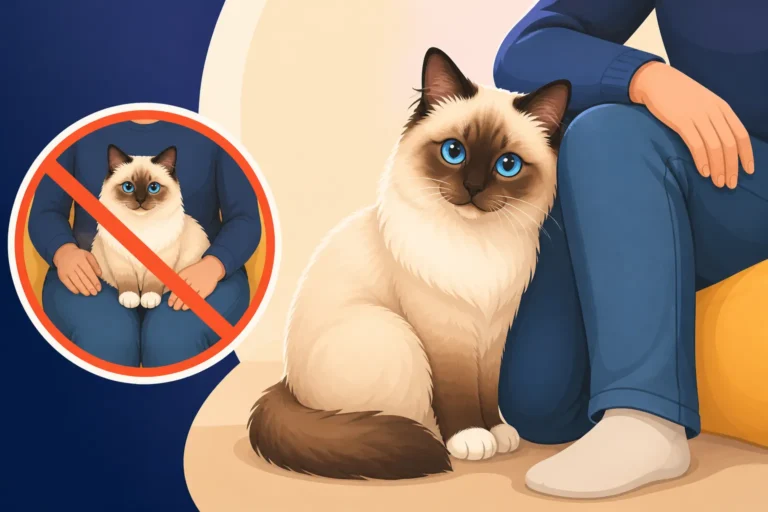
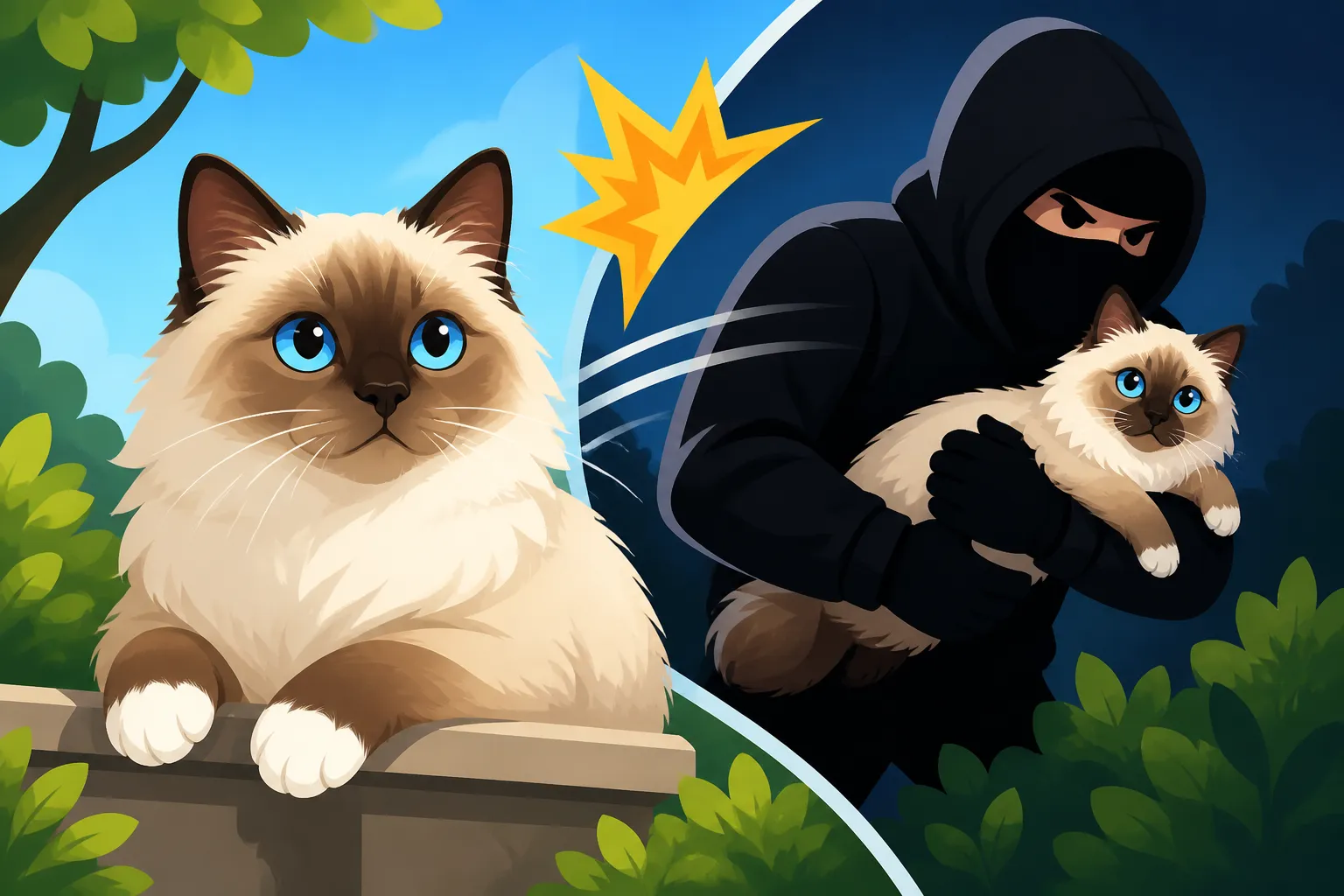
Beyond their looks, Birmans are renowned for their incredibly gentle, placid, and affectionate personalities. They are often described as "dog-like" in their devotion, tending to follow their favorite humans from room to room, happy just to be near. They are rarely aloof or aggressive, often greeting strangers with a soft trill rather than a hiss. This inherent friendliness, while endearing to us as owners, is a significant vulnerability when a Birman is unsupervised outdoors. A thief doesn't have to work hard to gain a Birman's trust; many will walk right up to a friendly voice or an outstretched hand, making them incredibly easy to scoop up. This means they often lack the street smarts or defensive instincts that might protect other, more wary cats. It's their sweet, trusting nature that makes them so beloved, but also so defenseless against human deceit. Why a Birman Would Walk Up to a Stranger Outdoors explains this trusting nature in more detail.
Perceived Value and Desirability
Let's be realistic: Birman cats are a purebred, pedigreed animal, and while their cost varies based on markings, lineage, and breeder reputation, they represent a significant investment. This inherent value, whether real or perceived, makes them a target. To someone looking to make a quick profit, a beautiful, friendly Birman wandering freely is like an unchained treasure. There's a demand for purebred cats, both legitimate and illegitimate, and a Birman fits the bill perfectly. They can be resold quickly, sometimes to unsuspecting buyers who don't ask enough questions, or worse, used for unethical breeding operations. The sheer desirability of the breed, driven by their beauty and temperament, unfortunately translates into a higher risk of theft. Potential thieves know that a Birman represents a certain level of monetary value on the black market, making them far more appealing than a typical domestic shorthair. What a Birman Kitten Costs in 2026, Gloved and Mismarked explores the pricing nuances.
The Sad Reality of Pet Theft: Motivations and Methods
It's a grim topic, but understanding why pets are stolen can help us better protect them. Pet theft isn't always random; it's often driven by specific motivations and can employ surprisingly straightforward methods, especially when dealing with a trusting cat like a Birman.
Breeding and Resale Markets
One of the most common reasons purebred cats like Birmans are stolen is for their potential value in breeding or resale markets. There's a constant demand for well-bred, healthy purebred kittens, and unethical individuals will exploit this. A stolen Birman queen could be forced into a "kitten mill" operation, producing litter after litter with little regard for her health or the welfare of her offspring. Similarly, a stolen stud could be used to sire countless litters, with his genetic history completely unknown, spreading potential health issues.
Even if not for breeding, a beautiful Birman can be resold quickly, often far from where it was stolen, making it incredibly hard to trace. These thieves might respond to online "for sale" ads, pretending to be potential buyers, or simply snatch a cat they see regularly in a yard. They're looking for an animal that will fetch a good price, and a Birman fits that description perfectly due to its distinct features and pedigree appeal. Why a Mismarked Birman Is a Pet Price Cat gives a glimpse into how even less than "perfect" Birmans still hold value in the pet market.
Ransom and Exploitation
While perhaps less common than direct resale, some pet thefts, especially of highly recognizable breeds, are carried out with the intention of demanding a ransom from the distraught owners. The thief knows the emotional bond people have with their pets and sees it as an opportunity for financial gain. They might monitor online lost pet groups, waiting for desperate owners to offer rewards, before making contact.
Beyond financial ransom, there are even darker, more disturbing possibilities, such as using animals for bait in dogfighting rings (though less likely for a Birman due to its size and temperament, it's a chilling thought for any pet owner) or even for animal testing in unregulated environments. These scenarios, though rare, underscore the absolute importance of keeping your Birman safe and contained. The very thought of your gentle companion enduring such a fate is enough to make any owner prioritize their safety above all else.
Opportunistic Theft
Sometimes, cat theft isn't part of a grand scheme; it's simply an act of opportunism. A thief might not specifically be looking for a Birman, but if they see a beautiful, friendly cat wandering unattended, the temptation to take it might be too strong to resist. This can happen in quiet suburban neighborhoods, rural areas, or even city parks if a cat slips its leash. Someone driving by might spot your Birman in your front yard, realize how friendly it is, and simply pull over and grab it.
These situations are often spur-of-the-moment decisions, made because the cat is easily accessible and appears to be without immediate supervision. They might justify it by thinking the cat is lost, or they might simply want a beautiful cat for themselves without paying the price. This type of theft is particularly insidious because it preys on the innocent freedom we sometimes wish for our cats, turning a simple stroll into a moment of extreme vulnerability. It's a stark reminder that even a brief moment of unsupervised outdoor access can be an invitation for someone with ill intent.
Minimizing the Risk: Keeping Your Birman Safe Indoors
The single most effective way to protect your Birman from theft is to keep them safely indoors. While some owners dream of their cats exploring the great outdoors, the risks far outweigh any perceived benefits, especially for a breed as vulnerable as the Birman.
The Inarguable Case for Indoor Living
When you weigh the emotional cost of pet theft, along with all the other outdoor dangers like traffic, predators, poisons, and fights with other animals, the choice becomes clear. Keeping your Birman strictly indoors is not only about preventing theft but also about ensuring their overall longevity and well-being. An indoor Birman avoids all these external threats, leading to a much safer and often longer life. Imagine the peace of mind knowing your cat is always safe within the confines of your home. Why an Indoor Birman Reaches Sixteen More Often provides further insight into the benefits of indoor living for their lifespan.
For a Birman, whose trusting nature makes them prone to approaching strangers, outdoor roaming is a recipe for disaster. Why a White Gloved Cat Should Never Be Let Out emphasizes this point directly. If you really want them to experience the outside world, consider a secure catio or supervised walks on a harness and leash (after careful training, of course!). Products for catios or cat harnesses can be found easily on platforms like Amazon, offering secure ways to enjoy fresh air.
Creating an Enriched Indoor Environment
Just because your Birman is indoors doesn't mean their life needs to be boring! Quite the opposite. With a little thought and effort, you can create a stimulating and happy environment that caters to all their natural instincts. Birmans are generally not high-energy climbers like some breeds, but they do enjoy vertical spaces. Consider sturdy cat trees (you can find a fantastic array of options on Amazon) that offer different levels for lounging and observing. Window perches are also a huge hit, allowing them to safely watch the world outside.
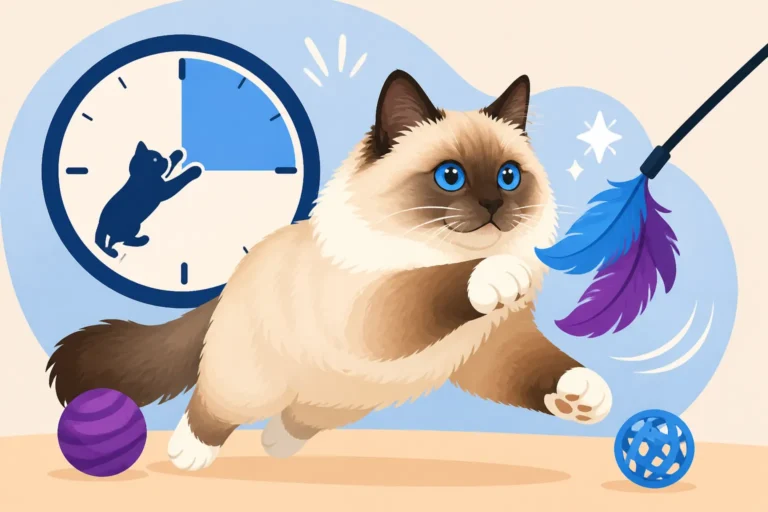
Play is crucial for mental and physical health. Interactive toys like wand toys or puzzle feeders engage their minds and keep them active. Because Birmans appreciate company, simply spending quality time playing or cuddling with them is perhaps the best enrichment of all. A lonely Birman is a sad Birman, but a Birman with a rich indoor life, full of engaging toys and human interaction, will thrive without ever needing to step foot into danger. How Many Hours Alone Before a Birman Stops Eating highlights their need for interaction.
Microchipping and Identification as a Last Resort
Even with the best intentions and an indoor-only policy, accidents can happen. A door might be left ajar, or a window screen could tear. This is where microchipping becomes an absolutely vital last line of defense. A microchip, implanted painlessly under your cat's skin, contains a unique identification number linked to your contact details. Should your Birman ever get out and be found, a vet or shelter can scan the chip and get them back to you. Always make sure your registration details are up-to-date!
In addition to a microchip, a well-fitting collar with an ID tag is a good idea for any indoor cat, even if they never typically go outside. Choose a breakaway collar for safety, so it won't get snagged if they try to squeeze through a tight spot. While these measures won't prevent theft, they significantly increase the chances of a joyful reunion if your Birman ever goes missing and is found by someone reputable. Think of them as your cat's silent, always-on homing beacon.
| Risk Factor for Birman Theft | Why Birmans are Vulnerable | Prevention Strategy |
|---|---|---|
| Striking Appearance | Easily recognized, visually appealing to thieves. | Keep indoors, use secure catio if outdoor access desired. |
| Gentle Temperament | Approachable, trusting of strangers, easy to pick up. | Keep indoors, train for harness walks in safe, supervised areas. |
| Perceived Value | High demand in breeding/resale markets. | Keep indoors, spay/neuter, ensure clear ownership documentation. |
| Opportunistic Theft | Easily accessible when unsupervised outdoors. | Strict indoor-only policy, secure all exits/windows. |
| Lack of Street Smarts | Unaware of dangers from humans or other animals. | Provide stimulating indoor environment to prevent boredom. |
The bond you share with your Birman is incredibly special, and protecting them from harm is a top priority. By understanding the unique vulnerabilities of this beautiful breed and taking proactive steps to keep them safe indoors, you can ensure they live a long, happy, and secure life right by your side.
Disclaimer
This article is for general informational purposes only and does not constitute professional advice. Laws, prices and regulations vary by location and change over time. Consult a qualified professional for guidance on your specific situation.