Why Vets Like Handling a Birman
As a Birman parent, you know the pure joy these magnificent felines bring to your life. But let's be honest, those routine vet visits can feel like a high-stakes wrestling match with some cats. The scratching, the hissing, the sheer terror in their eyes – it's enough to make anyone dread the annual check-up. However, if you're a Birman owner, you might have noticed a different experience altogether. This guide dives deep into why veterinarians often breathe a sigh of relief when a Birman walks (or is carried calmly) through their door, and what makes these cats such cooperative patients.
The Birman's Placid and Gentle Nature: A Vet's Dream
There's a reason Birmans are often described as "gentle giants" or "dogs of the cat world." Their temperament is truly unique, setting them apart from many other breeds, especially when it comes to potentially stressful situations like a trip to the vet. It’s not just an anecdote; their inherent calm fundamentally changes the dynamics of a veterinary examination, making it a smoother, safer, and more effective experience for everyone involved.
A Natural Calm in Unfamiliar Environments
Think about the sheer sensory overload of a veterinary clinic for a cat: unfamiliar smells, strange noises, other animals, and people they don't know trying to touch them. For many cats, this environment triggers an immediate fight-or-flight response. They might hide, hiss, or try to escape, making even a basic exam nearly impossible.
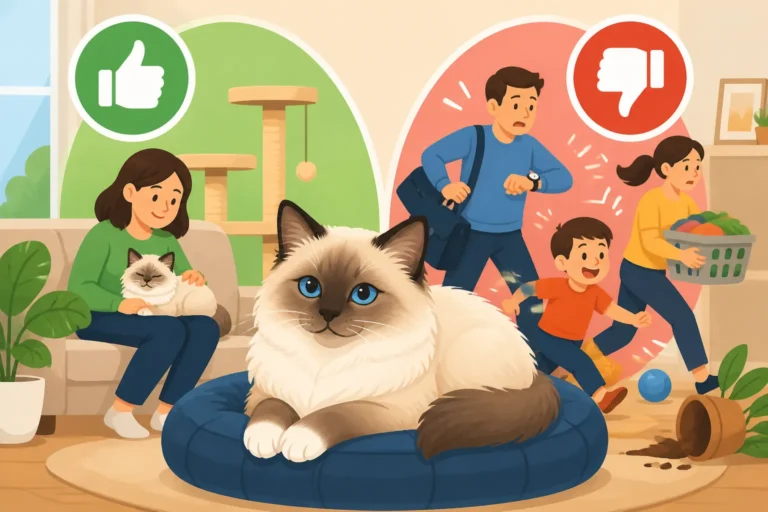
Birmans, however, tend to approach these new situations with a remarkable level of composure. They might be curious, observing their surroundings with those piercing blue eyes, but they rarely panic. Instead of attempting to bolt from the carrier the moment it opens, a Birman is more likely to slowly emerge, perhaps taking a moment to survey the room before stepping out onto the exam table. This innate placidness isn't a fluke; it's a hallmark of the breed's personality. This means a vet can often start the examination almost immediately, without spending valuable time coaxing a terrified cat from its hiding spot or calming a frantic patient. It truly makes a world of difference for the veterinary team, allowing them to focus on the cat's health rather than managing extreme anxiety. It also helps the vet assess the cat's true demeanor, rather than one distorted by fear, which can be crucial in distinguishing genuine illness from stress, as sometimes How to Tell a Quiet Birman From an Unwell One can be tricky for owners, let alone vets.
The Lack of Aggression and Defensive Behavior
One of the biggest anxieties for veterinary staff is the risk of being bitten or scratched. Cats, when fearful or in pain, will often defend themselves fiercely. This isn't their fault; it's a natural survival instinct. However, it makes their job challenging and can sometimes prevent a thorough examination.
This is where the Birman truly shines. While any animal can react defensively if pushed too far, Birmans are remarkably tolerant. They are known for their sweet and patient disposition, and this extends to their interactions with strangers, even those in white coats wielding stethoscopes. Instead of lashing out with claws or teeth, a Birman typically tries to remove itself from an uncomfortable situation by simply moving away or attempting to hide its head. We often hear stories of Birmans tolerating necessary procedures with a stoicism that surprises even experienced vets. Why a Birman Walks Away Instead of Swiping rather than engaging in aggressive behavior is a characteristic that genuinely makes them a favorite among veterinary professionals. This gentle response drastically reduces the need for forceful restraint, making the examination less traumatic for the cat and safer for the staff.
Cooperation During Examinations and Procedures
Beyond their general calm, Birmans possess specific behavioral traits that translate into active cooperation during the nitty-gritty parts of a vet visit. This isn't just about being "nice"; it's about enabling a more comprehensive and accurate assessment of their health.
Tolerance for Handling and Physical Touch
A complete physical examination involves a lot of touching: checking ears, looking at teeth, feeling lymph nodes, palpating the abdomen, and extending limbs. For a cat that resists handling, these steps can be incredibly difficult, often requiring multiple staff members or even sedation.
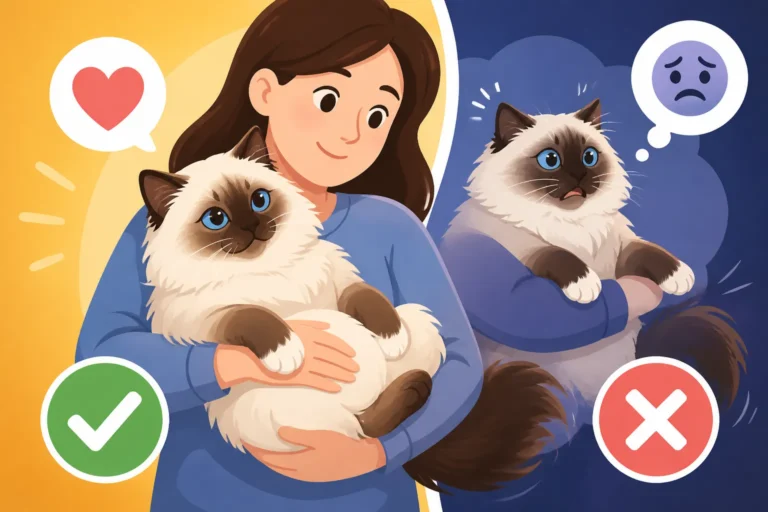
Birmans, thanks to their affectionate and trusting nature, typically allow themselves to be handled extensively. They are often accustomed to regular grooming at home, which means they've learned to tolerate being held and manipulated from a young age. This early conditioning, where owners learn How to Get a Birman Used to a Comb, often transfers to the vet's office. A vet can gently lift their paws to check pads and claws, easily examine their ears for mites or infection, and feel along their spine without eliciting a struggle. This compliance means the vet can perform a far more thorough and accurate examination, catching subtle signs of illness that might be missed in a less cooperative patient. They might even purr softly throughout, making the experience less stressful for everyone involved.
Minimal Vocalization and Stress Signals
While some cats are quite vocal in their displeasure at the vet, emitting loud meows, growls, or even yowls, Birmans are generally quiet communicators. They have a softer, more melodious voice, often using a gentle trill rather than a harsh meow. The Small Trill a Birman Uses Instead of a Meow is often their primary mode of communication.
This quiet demeanor extends to their stress responses. When a Birman is feeling uneasy, it's more likely to express it through subtle body language – perhaps a slight tension in their body, dilated pupils, or a tucked tail – rather than an outburst of vocal protest. This lack of loud, distressed meows contributes to a much calmer atmosphere in the examination room, and even the waiting room, which benefits other nervous pets. For vets, while they are trained to read subtle feline body language, the absence of overt screaming allows them to concentrate better and makes the overall environment more pleasant. To further support this calm at the clinic, bringing them in a comfortable, secure carrier, perhaps even one purchased from a wide selection on Amazon, can make the car journey and waiting room experience much less unsettling.
The Impact on Diagnostic Accuracy and Treatment
The Birman's cooperative spirit has direct, tangible benefits when it comes to the medical aspects of their care. It allows for more precise diagnostics and often simpler treatment protocols.
Easier Vital Sign Collection and Blood Draws
Imagine trying to take a blood sample from a thrashing, biting cat. Not only is it dangerous for the staff, but the stress can elevate heart rate, respiration, and even blood pressure, skewing vital sign readings. Getting an accurate temperature might be impossible without significant restraint.
A Birman, with its calm nature, makes these crucial procedures significantly easier. Vets can often obtain accurate heart rates, listen to lung sounds, and take temperatures without a struggle. Blood draws, which are essential for routine health panels and diagnosing many illnesses, can be performed efficiently and with less stress for the cat. Why a Birman Rarely Fights Handling during these moments is invaluable. This means less risk of inaccurate results due to stress hormones, and a faster, less traumatic experience for your beloved pet. Some owners even bring high-value, small treats (easily found on Amazon) to distract and reward their Birman during these moments, further enhancing cooperation.
Reduced Need for Sedation and Restraint
For procedures that are particularly unpleasant or require a cat to be perfectly still, many breeds require chemical sedation or heavy physical restraint. Sedation always carries a degree of risk, especially for older cats or those with underlying health conditions. It can also prolong a vet visit and add to the cost.
Because of their docile temperament and tolerance for handling, Birmans often require less, if any, sedation or heavy restraint for routine or even moderately invasive procedures. This is a huge advantage for their health and well-being. Avoiding sedatives minimizes potential side effects and allows the vet to assess the cat's natural neurological responses. For owners, it means a quicker recovery time and often a less worried wait. It's especially important to minimize sedation for procedures like heart ultrasounds, as Whether a Birman Needs a Heart Scan Before Anesthetic is a valid concern for any cat owner. The Birman's calm disposition makes it possible to perform these intricate diagnostics with minimal intervention, leading to clearer, more reliable results.
Building a Positive Vet-Patient Relationship
Beyond the immediate benefits, a Birman's temperament fosters a long-term positive relationship with veterinary care, benefiting both the cat and its owners over its entire lifespan.
The Birman's Role in a Fear-Free Experience
The veterinary world has increasingly embraced "fear-free" practices, aiming to reduce fear, anxiety, and stress for pets during clinic visits. The Birman is almost the poster child for a successful fear-free visit. Their calm demeanor, low vocalization, and acceptance of handling make them ideal patients within this model.
When a Birman enters an examination room, it often sets a relaxed tone. They might even interact politely with the vet tech or veterinarian, reinforcing the idea that the clinic is not a place to be feared. This can have a ripple effect; a calm Birman might inadvertently help to calm a more anxious pet waiting in the next room. Their ability to remain composed, even with new people, aligns perfectly with the goals of reducing stress, making vet visits a less daunting prospect. If you've ever seen How a Birman Behaves With Visitors in your own home, you can imagine how that relaxed approach translates to the vet's office. Using pheromone sprays or diffusers in the carrier, widely available on Amazon, can further enhance this serene state, creating a positive association with travel and the clinic itself.
Fostering Trust and Compliance for Future Visits
The first few veterinary experiences can set the stage for a cat's entire life. A highly stressful initial visit can lead to lifelong anxiety and resistance to care. Conversely, positive experiences build trust and compliance.
Because Birmans generally have positive and low-stress vet visits, they are less likely to develop a fear of the clinic over time. This means that as they age, routine check-ups, necessary dental work, or managing chronic conditions become much simpler. Owners benefit from this too, knowing that their cat won't be utterly terrified at every appointment. This trust allows for consistent, proactive healthcare throughout the Birman's The Twelve to Sixteen Years a Birman Usually Gets, ultimately contributing to a longer, healthier, and happier life. When they're not fighting every examination, vets can catch potential issues earlier, like monitoring How Dental Disease Progresses in a Birman or getting accurate weights and body condition scores without a fuss. This positive foundation is truly one of the greatest gifts a Birman's temperament gives to its long-term health management.
| Birman Trait | Benefit for Vet Handling | Contrast to Anxious Cats |
|---|---|---|
| Placid Demeanor | Calm on exam table, less prone to hiding | Hides, thrashes, attempts to escape |
| Lack of Aggression | Rarely bites or scratches, moves away | Hisses, growls, scratches, bites |
| Tolerance for Touch | Allows thorough examination | Resists palpation, ear checks, paw handling |
| Minimal Vocalization | Quiet, subtle stress signals | Loud meows, yowls, growls |
| Positive Reinforcement | Responds well to gentle praise/treats | Too stressed to accept treats, no interest in praise |
| Fear-Free Alignment | Naturally contributes to a calm environment | Requires significant intervention to reduce stress |
Disclaimer
This article is for general informational purposes only and does not constitute professional advice. Laws, prices and regulations vary by location and change over time. Consult a qualified professional for guidance on your specific situation.