How to Handle a Birman for Nail Trimming
Let's be honest, the thought of trimming your Birman's nails can send a shiver down your spine. Many cat parents dread this chore, picturing a wrestling match with a disgruntled feline, complete with scratches and frayed nerves. But with a Birman's famously placid and affectionate nature, it doesn't have to be a battle. This guide will walk you through how to handle your beautiful Sacred Cat of Burma for stress-free nail trimming, leveraging their unique temperament to make it a calm, bonding experience for both of you.
Understanding Your Birman's Gentle Temperament
Birmans are renowned for their sweet, gentle dispositions, often described as "dog-like" in their devotion and their tendency to follow their humans from room to room. This temperament is a huge advantage when it comes to routine care like nail trimming, but it also comes with a unique challenge: Birmans are often so polite that they'll hide their discomfort rather than outright resist. This means you need to be extra observant and patient.
The Placid Nature: An Asset and a Challenge
Your Birman's calm demeanor means they're less likely to thrash, bite, or bolt compared to some more spirited breeds. They tend to be more accepting of handling, especially if introduced to it early and gently. Imagine trying to trim the nails of a high-energy, independent cat; it's a whole different ballgame. Your Birman's willingness to be held and petted is a significant head start. However, this very gentleness can lead us to overlook subtle signs of stress. A Birman might just freeze, go quiet, or try to subtly pull away, rather than putting up a dramatic fight. You might think they're "tolerating" it, when in reality, they're just quietly enduring. Learning to read these subtle cues is paramount to building a positive trimming experience. Look for tensing, a slight flick of the tail, or a widening of the eyes – these are all signals that your Birman might be nearing their patience limit.
Early Conditioning and Positive Reinforcement
The key to making nail trimming a lifelong, low-stress activity lies in starting early and making it consistently positive. If you bring home a Birman kitten, you have a golden opportunity to introduce them to nail care as part of their regular handling routine. Don't wait until their nails are dangerously sharp to start. Instead, spend short, frequent sessions simply touching their paws, gently extending their toes, and rewarding them with a favorite treat or soft praise. This isn't just about getting them used to the act of trimming, but to the sensation of having their paws handled in general. Even with an adult Birman, you can gradually re-introduce this positive conditioning. Remember, your Birman is highly motivated by praise and affection, sometimes even more than food, as we discuss in Why Praise Motivates a Birman More Than Food. This early exposure helps to normalize the process, so it doesn't become a terrifying surprise every few weeks.
Why Your Birman Rarely Fights Handling, But Still Needs Your Care
Birmans are known for being quite amenable to handling, a trait that makes them wonderful companions and easier to care for than many breeds. As noted in Why a Birman Rarely Fights Handling, they generally don't have an instinct to lash out. This means you likely won't face outright aggression, which is a blessing. However, even the most compliant Birman can become anxious if they feel uncomfortable or restrained for too long. Their placid nature means they might internalize stress, which isn't good for their overall well-being. It's crucial to approach nail trimming not as a task to be completed quickly, but as another opportunity to reinforce your bond and trust. By being gentle, patient, and attentive to their signals, you can ensure that nail trimming remains a calm and cooperative affair, rather than something they learn to dread.
Essential Tools and Preparation for a Smooth Session
Before you even think about picking up your Birman's paw, you need to gather the right tools and set the stage. Proper preparation is half the battle won, ensuring both your Birman's comfort and your own confidence. Having everything within reach minimizes fumbling and prolongs your cat’s patience.
Choosing the Right Clippers and Safety Essentials
The type of clippers you use makes a significant difference. There are several styles available, and finding one that feels comfortable in your hand and makes a clean cut is crucial. Scissor-style clippers are often preferred for their precision, especially for smaller cat nails. Guillotine-style clippers can work, but some find them less ergonomic for small cat claws. Regardless of the style, ensure your clippers are sharp. Dull clippers will crush the nail rather than cut it cleanly, causing pain and splintering, which is a surefire way to make your Birman resist future sessions. You can find a wide variety of high-quality cat nail clippers on platforms like Amazon, often with ergonomic handles for a better grip.
Beyond the clippers, always have styptic powder on hand. Even the most experienced trimmer can accidentally nick the quick, which is the blood vessel and nerve that runs through the nail. A quick-nick is painful and will bleed. Styptic powder (also readily available on Amazon) immediately stops the bleeding and helps prevent infection. It’s peace of mind for you, and a crucial safety measure for your cat. Don't forget treats! High-value treats, like lickable pastes or small pieces of cooked chicken, are invaluable for positive reinforcement.
Creating a Calm Environment
Your Birman thrives on routine and a peaceful environment. Nail trimming should be no different. Choose a quiet time when your Birman is already relaxed, perhaps after a nap or a gentle play session, but definitely not when they’re full of zoomies. A calm atmosphere means no loud noises, no other pets distracting you, and no rushing. Lay out a soft blanket or towel on your lap or on a table. This provides a comfortable surface for your Birman and can also serve as a gentle restraint if needed, though with a Birman, often a comforting wrap is enough.
Consider the lighting. You need to clearly see the quick, especially if your Birman has dark nails. Good, bright lighting, perhaps from a lamp or natural daylight, will help you avoid accidents. Setting the scene this way signals to your Birman that this isn't a stressful event, but rather a quiet moment of attention from you.
What to Ask About the Tools for a Birman’s Nails
Since your Birman is generally quite cooperative, the choice of clippers can be made with comfort and precision in mind. As discussed in Which Clippers Suit a Cat as Still as a Birman, you want something that offers a clean, quick cut. Don't go for oversized clippers designed for dogs, as these will be too bulky and intimidating for your cat's delicate paws. Scissor-style clippers with sharp, stainless steel blades are often ideal. They allow you to snip off just the tip with minimal fuss.
Furthermore, consider where you'll be doing the trimming. A familiar spot where your Birman feels safe, like a favorite lap perch or a comfortable rug, can make a world of difference. Avoid trying to trim nails in a busy hallway or during a hectic moment in the house. The goal is to make the experience as uneventful and pleasant as possible, setting a precedent for future sessions.
Step-by-Step Guide to Trimming Your Birman's Nails
Once you have your tools ready and your Birman is relaxed, it's time for the actual trimming. Approach this process with patience and confidence – your Birman will pick up on your energy.
Positioning and Gentle Restraint
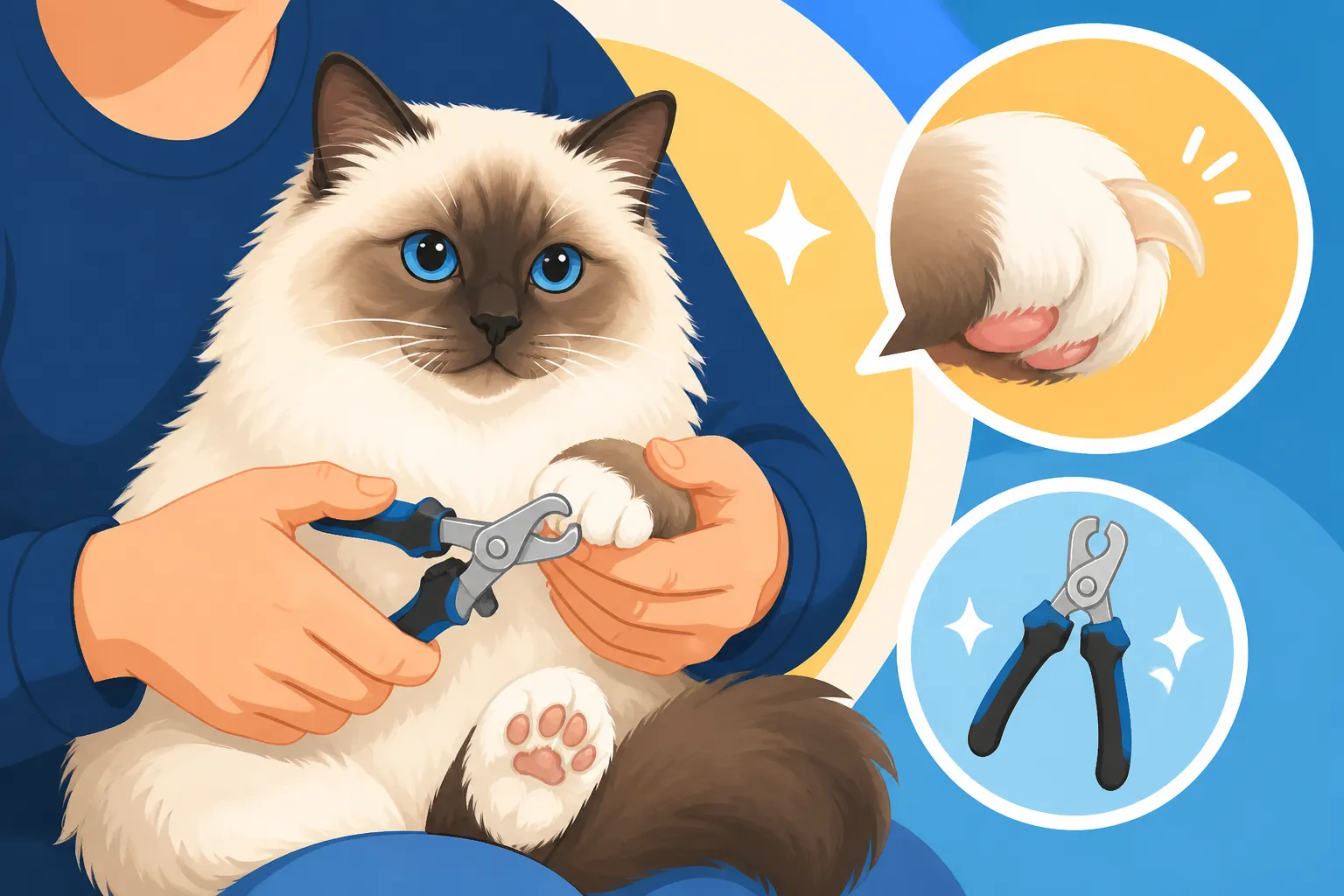
Start by getting comfortable yourself. Sit in a chair with your Birman on your lap, facing away from you, or with their side against your body. You can also place them on a table if that's more comfortable for both of you, just ensure the surface isn't slippery. Many Birmans are quite content to sit quietly, especially if they associate it with gentle petting and praise. Gently hold one of their paws between your thumb on top and your fingers underneath. Your goal is to keep the paw steady without squeezing too tightly, which could cause discomfort.
If your Birman is a bit squirmy, or if you're feeling less confident, a soft towel can be your best friend. You can loosely wrap your Birman in a "purrito" style, leaving one paw exposed at a time. This provides a sense of security for them and limits their ability to wriggle away, allowing you to manage the task more easily, especially if you're attempting Cutting a Birman's Claws Without a Second Pair of Hands. Always keep your tone of voice calm and reassuring, offering soft words and gentle strokes.
Identifying the Quick and Making the Cut
Before you cut, take a moment to locate the quick. On light-colored nails, the quick appears as a pinkish area inside the nail. On darker nails, it's harder to see, but generally, the quick extends to where the nail starts to curve downwards. The goal is to snip only the sharp, clear tip, well away from the quick. "Just the tip" is the mantra here! If you're unsure, it's always better to cut less than more. You can always take another tiny bit off later if needed.
Once you’ve identified where to cut, position the clippers perpendicular to the nail. With a swift, firm motion, make the cut. Don't hesitate or squeeze slowly, as this can cause discomfort. After each nail, take a moment to praise your Birman and offer a tiny treat. This reinforces the positive association. If you accidentally nick the quick, don't panic. Apply the styptic powder immediately by pressing it gently onto the bleeding tip. The bleeding should stop almost instantly.
The Art of the Paw and Nail Examination
As you work on each paw, take the opportunity to examine it thoroughly. Check between their toes for any matting, especially with their long, silky fur. Inspect the paw pads for cuts, sores, or dryness. Look for any signs of swelling or redness around the nail bed. Because Birmans are so stoic, they often won't vocalize discomfort until an issue is quite advanced, fitting with the idea that Why a Placid Birman Hides Pain. Regular paw inspections as part of the nail trimming routine can help you catch potential problems early.
Also, remember that even Birmans need scratching posts to help maintain their claws and provide an outlet for natural scratching behaviors. Make sure you have a suitable one, as discussed in Where to Put a Post a Birman Will Actually Use, to encourage healthy nail shedding between trims.
Overcoming Common Challenges and Maintaining a Routine
Even with the best intentions and the most placid Birman, challenges can arise. The key is to address them with patience and consistency, ensuring that nail trimming remains a manageable part of your Birman's care routine.
What to Do When Your Birman Resists
Even a calm Birman can have an off day or develop an aversion if an experience was negative. If your Birman starts to resist, stop immediately. Pushing through will only create a more negative association. Instead, take a break, offer comfort, and try again later or the next day. Sometimes, resistance might stem from discomfort, so check their paws carefully. If the issue persists, you might need to revert to shorter, more frequent conditioning sessions, where you simply touch their paws and offer rewards without actually clipping.
Remember that positive reinforcement is crucial. What a Birman Will Work For During Grooming often isn't just treats, but also gentle praise, a favorite type of petting, or a short play session immediately after. Break the task into smaller steps: today, just touch a paw. Tomorrow, extend a toe. The day after, clip one nail. Gradual desensitization can help overcome resistance.
The Importance of Consistency and Routine
For Birmans, predictability and routine are comforting. Establishing a regular schedule for nail trimming, say every 2-4 weeks, helps them anticipate the activity. Consistency also means their nails won't get excessively long, which can make trimming more difficult and uncomfortable. Overgrown nails can snag on carpets, grow into their paw pads, or even affect their gait, leading to pain and other health issues.
Making grooming a regular part of their life, just like feeding or playtime, sets them up for success. This ties into the broader theme of Early Grooming Habits Decide a Birman's Life. A Birman that is accustomed to regular handling from a young age will be much more accepting of nail trims, brushing, and even dental care like How to Introduce a Toothbrush to a Birman Kitten. It's an investment in their long-term health and your peace of mind.
When to Seek Professional Help
There's absolutely no shame in seeking professional help if you're struggling with nail trimming. A professional groomer or your veterinarian can quickly and safely trim your Birman's nails. They can also offer personalized tips and demonstrate proper techniques, boosting your confidence for future attempts. Sometimes, a professional intervention can reset a negative association, allowing you to start fresh at home with a better understanding.
Your vet can also check for any underlying medical reasons for resistance, such as arthritis or paw injuries that might make handling painful. Regular vet visits for general health checks, which should always include a quick look at their nails and paws, are important anyway. A well-groomed Birman is a happy and healthy Birman, and sometimes, a little help from the pros is exactly what's needed to achieve that.
| Step | Description | Tips for Birmans |
|---|---|---|
| 1. Gather Tools | Clippers, styptic powder, high-value treats, soft towel/blanket. | Ensure clippers are sharp and appropriately sized. Keep treats easily accessible. |
| 2. Set the Scene | Choose a quiet, well-lit area. Ensure no distractions. | Pick a time when your Birman is naturally calm (e.g., after a nap). Use soft blankets for comfort. |
| 3. Gentle Positioning | Hold your Birman comfortably on your lap or a stable surface, facing away or sideways. | Use your Birman's placid nature to your advantage, keeping contact gentle and reassuring. A loose 'purrito' wrap can provide security if they're squirmy. |
| 4. Isolate Paw/Nail | Gently hold one paw, using your thumb on top and fingers underneath to extend one nail at a time. | Be extra gentle and avoid squeezing. Observe subtle cues of discomfort (tensing, flicking tail). |
| 5. Identify the Quick | Locate the pinkish quick (blood vessel) in light nails. Estimate carefully for dark nails. | When in doubt, cut less. Good lighting is essential to prevent accidents. |
| 6. Make the Cut | Position clippers perpendicular to the nail. Cut the very tip with a swift, firm motion. | Quick, confident cuts are less stressful. Avoid crushing the nail. |
| 7. Reward & Praise | Immediately after each nail (or paw, if easier), offer praise, a treat, or gentle petting. | Leverage your Birman's motivation for praise. Keep sessions short, even if you only do one nail at a time. |
| 8. Inspect Paws | While handling, check paw pads for injuries, and between toes for matting. | Birmans hide pain well; routine checks are crucial for early detection of issues. |
| 9. Maintain Routine | Repeat every 2-4 weeks to keep nails at an optimal length. | Consistency builds trust and makes the process predictable for your Birman, preventing overgrown nails. |
| 10. Address Resistance | If resistance occurs, stop, comfort your Birman, and try again later. Never force the issue. | Revert to shorter, positive conditioning sessions. Consider professional help if resistance becomes a persistent problem. |
Disclaimer
This article is for general informational purposes only and does not constitute professional advice. Laws, prices and regulations vary by location and change over time. Consult a qualified professional for guidance on your specific situation.