What a Birman Will Work For During Grooming
Many Birman owners find themselves in a bit of a quandary when it comes to grooming. While these beautiful cats are renowned for their calm, placid nature, which might suggest easy grooming sessions, their quiet demeanor can actually make it tricky to tell if they're genuinely enjoying the process or simply tolerating it. This guide aims to peel back that layer of politeness, diving deep into understanding your Birman's unique motivations and unveiling what truly makes grooming a positive and rewarding experience for both of you, transforming it from a chore into a cherished ritual.
The Birman's Gentle Temperament: A Double-Edged Sword in Grooming
It’s easy to assume that because your Birman is so wonderfully docile, grooming will always be a breeze. After all, they’re not usually the type to hiss, scratch, or bolt at the sight of a comb. This inherent gentleness is one of the many reasons we adore them, making them fantastic companions in busy households or with children. However, this very trait can sometimes be a subtle challenge when it comes to regular grooming.
The Illusion of Compliance: When Tolerance Isn't Acceptance
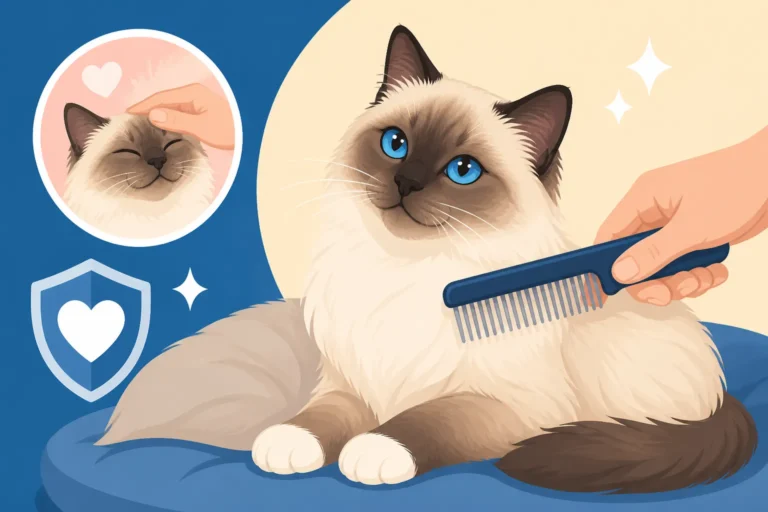
Your Birman might sit still, seemingly unperturbed, as you run a comb through their luxurious coat. They might not offer any outward protest, no dramatic attempts to escape, no biting. But this doesn't automatically mean they're enjoying it. Often, a Birman's placid nature means they are more likely to endure something they dislike rather than overtly resist it. This is where their unique personality can become a bit of a "placid paradox" for us owners. We see stillness and assume contentment, but sometimes, that stillness is just politeness, or perhaps even a deep-seated aversion they're too gentle to express aggressively. It's a key distinction, because while tolerance gets the job done, true enjoyment builds trust and makes the experience far more pleasant for everyone involved. Recognising this subtle difference is the first step in unlocking a genuinely cooperative grooming relationship. It's important to remember that Why a Placid Birman Hides Pain is a real phenomenon in this breed, meaning we need to be extra vigilant in reading their unspoken cues.
They might offer very subtle signs of discomfort that are easy to miss if you’re not looking closely. A slight flattening of the ears, a tense tail, a momentary stiffening of the body, or even just a vacant stare can all be indicators that your Birman is not entirely at ease. If a grooming session consistently ends with your cat immediately shaking themselves off or retreating to a secluded spot, it’s a strong signal that the experience wasn't as positive for them as it might have seemed. The goal isn't just to get the mats out, but to do so in a way that preserves and even strengthens the bond you share. If you're consistently just "getting through" grooming, it’s a lost opportunity to turn it into something your Birman might actually look forward to.
Identifying What Puts Your Birman Off
Cats, by their very nature, are creatures of comfort, routine, and control. Any perceived threat or discomfort can quickly create a negative association that’s hard to shake. For Birmans, with their exquisite, silky coats, things that might seem minor to us can feel significant to them. Pulling on a tiny snag, using a brush with bristles that are too harsh, or even the static electricity generated by certain tools can cause momentary pain or irritation that registers as a very clear "nope" in their minds. A common mistake is using a slicker brush meant for cats with thick undercoats; these can easily catch and pull on a Birman's single-layer fur, making grooming an unpleasant ordeal. Instead, it’s crucial to use a tool that glides through their hair without snagging. Specifically, understanding Which Comb Gets Through a Birman's Ruff Without Pulling is key to their comfort.
Beyond the physical tools, the environment itself plays a colossal role. Imagine trying to relax while someone brushes your hair in a noisy, chaotic room with unfamiliar people milling about. Your Birman feels the same way. Loud noises, sudden movements, or being held in an awkward, confined position can elevate their stress levels. A grooming session should be a calm, predictable affair. Furthermore, negative experiences—like an overly long session that pushes their patience, or a painful tangle removal—can create lasting aversion. This is particularly true for kittens, as Early Grooming Habits Decide a Birman's Life by establishing either a foundation of trust or one of dread. If they learn early on that grooming means discomfort, overcoming that resistance later becomes a much steeper hill to climb. A strong negative memory can undo weeks or even months of careful, positive conditioning, so prevention is always better than cure.
Decoding Your Birman's Language of Motivation
Once you've tuned into your Birman's subtle cues and understood potential discomforts, the next step is to figure out what truly motivates them. It’s not always as simple as offering a piece of kibble. Birmans, like all cats, have individual preferences, and what one cat considers a high-value reward, another might barely glance at. The key is to experiment, observe, and learn their unique currency.
Beyond Just Treats: What Truly Captures a Birman's Interest
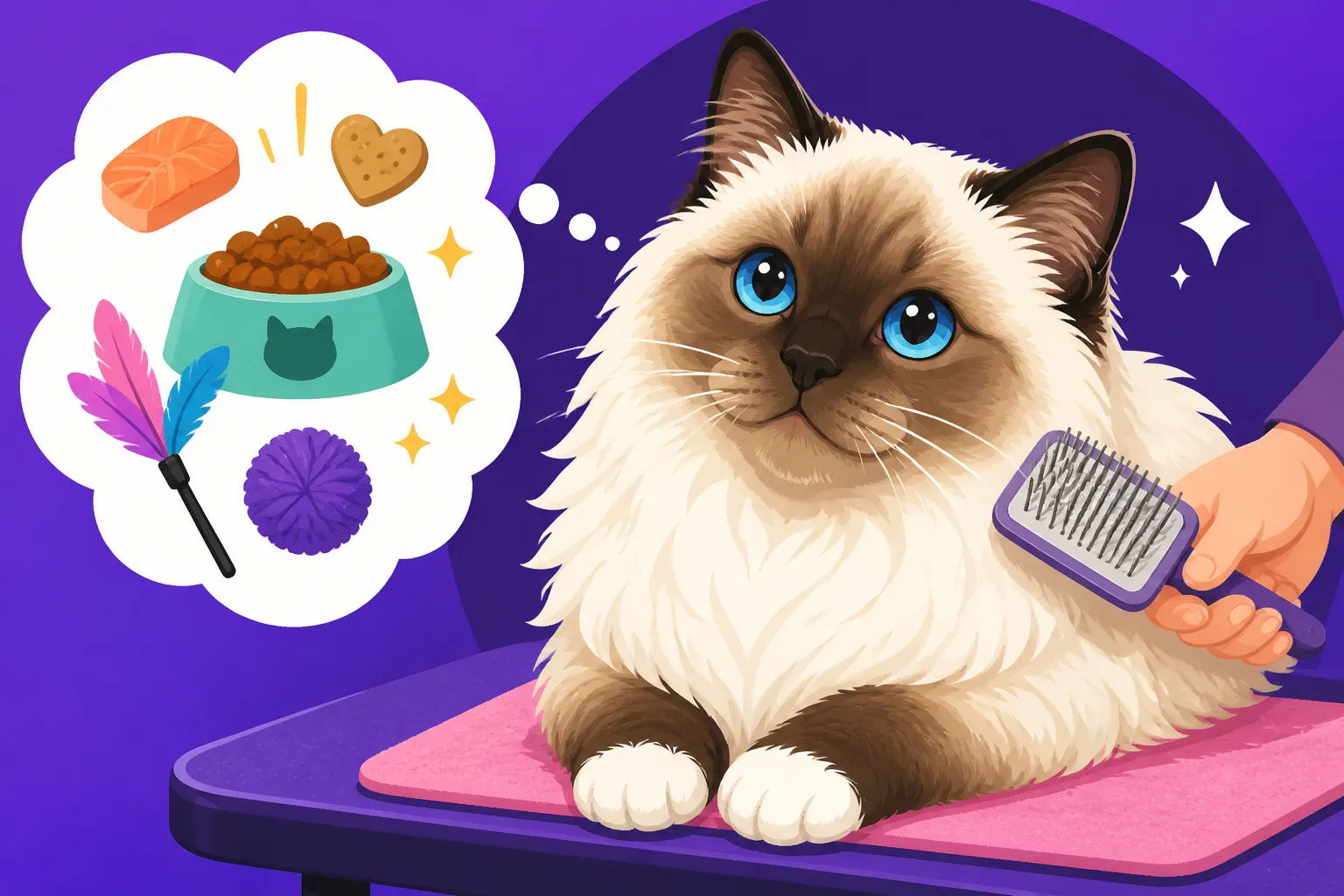
While treats are a common starting point, thinking broadly about rewards can open up a whole new world for cooperative grooming. For some Birmans, a run-of-the-mill dry kibble won't cut it. They might respond better to something truly special: a tiny piece of cooked chicken, a smear of lickable tuna paste, or even a dollop of whipped cream (in moderation, of course!). You can explore various high-value treats from brands like Temptations or Greenies, often found readily on Amazon, to see what gets their purr motor running. The novelty can be just as important as the treat itself.
Beyond edibles, many Birmans are deeply motivated by affection and play. A few moments of gentle petting in their favorite spot – perhaps under the chin or behind the ears – can be an incredibly powerful reward. A quick, energetic game with a wand toy immediately after a short grooming interval can also reinforce positive behavior. This is why Why Praise Motivates a Birman More Than Food often holds true for these affectionate cats; a soft, reassuring voice and gentle touch can be just as effective, if not more so, than any food reward. The sense of security and connection you provide can be their biggest incentive.
Here's a quick look at common Birman motivators:
| Motivator Type | Examples | Pros | Cons | Best Use |
|---|---|---|---|---|
| High-Value Treats | Cooked chicken, tuna paste, freeze-dried salmon, catnip spray | Immediate, strong reinforcement, easy to deliver in small doses | Can lead to weight gain if overused; some cats are picky | For new behaviors or overcoming strong aversion |
| Affection/Praise | Gentle head scratches, quiet praise, ear rubs, lap time | Reinforces bond, no calories, always available | Less impactful for highly stressed or food-motivated cats | For maintaining cooperation once a routine is established |
| Playtime | Wand toy, laser pointer, crinkle ball | Channels energy, makes grooming fun | Can be distracting, requires owner engagement | After successful short grooming bursts, or as a session ender |
| Comfort/Environment | Warm blanket, quiet room, pheromone diffuser | Reduces stress, sets positive mood | Not a direct reward for specific actions | As a foundation for all grooming sessions |
| Novelty | New toy, different treat flavor | Keeps interest high, prevents boredom | Requires constant sourcing of new items | To re-engage a cat losing interest in routine rewards |
The Art of Timing: When and How to Deliver Rewards
Effective positive reinforcement is all about timing. If your Birman does something you want to encourage – like sitting still for a brush stroke – the reward needs to follow immediately. We're talking within 1-2 seconds. This instant connection helps your cat clearly understand exactly what behavior earned them that tasty treat or loving scratch. If you wait too long, they might associate the reward with whatever they did after the desired action, leading to confusion and slower progress.
Many experienced cat owners find a marker signal incredibly useful. This could be a soft verbal "yes!" or a gentle clicker sound (you can find affordable clickers on Amazon). The marker signal is delivered precisely at the moment the desired behavior occurs, then followed by the reward. This bridges the tiny gap between the action and the treat, making the learning process much clearer for your Birman. Start incredibly small: reward for simply looking at the comb, then allowing it to touch them, then one gentle stroke. Gradually increase the duration or complexity of the action required before the reward. Consistency is far more important than intensity when you're building new habits, so focus on many short, positive sessions rather than infrequent, long ones. Teaching a Birman Its Name and Getting It to Answer can be part of this positive communication loop, reinforcing their responsiveness to your voice.
Building a Positive Grooming Routine: Tools, Techniques, and Trust
Now that we understand the 'why' behind their motivations, let's talk about the 'how'. Creating a positive grooming routine isn't just about rewards; it's about setting the stage, using the right touch, and fostering an environment of trust where your Birman feels safe and comfortable.
Essential Tools and Creating a Serene Grooming Space
The foundation of a good grooming experience lies in having the right tools. For a Birman's single, silky coat, ditch the harsh slicker brushes that can pull and create static. Instead, invest in a high-quality, fine-toothed metal comb with rounded teeth. A comb like the Safari by Coastal Pet or a similar brand found easily on Amazon works wonders, gently gliding through their fur and detangling without pain. A soft bristle brush can also be used for a finishing touch and to distribute natural oils, though the comb will do the heavy lifting of preventing mats. You might also want a pair of blunt-nosed scissors for carefully trimming any small, stubborn mats that can't be combed out, but extreme caution is advised.
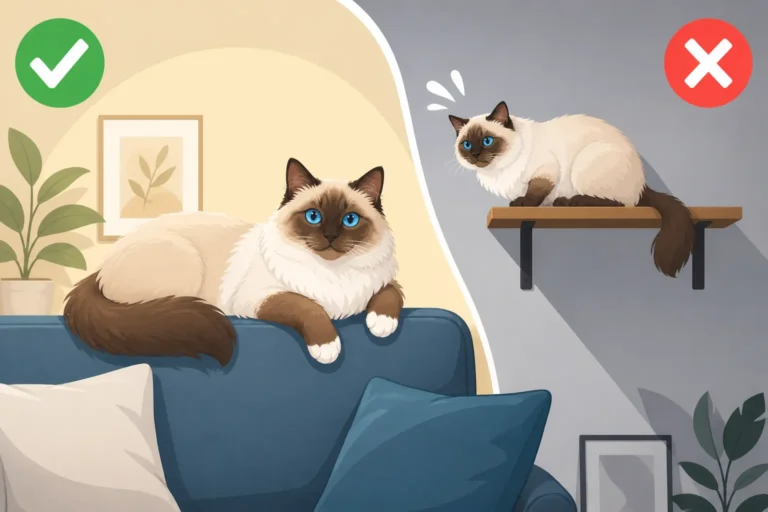
Beyond the tools, the grooming environment itself is paramount. Choose a quiet, well-lit space in your home where your Birman feels secure. A bathroom counter or a sturdy table covered with a non-slip mat or a familiar blanket often works best. Why a Birman Behaves Better Combed on a Table is simple: it elevates them, often making them feel more contained and less likely to jump away, and it saves your back! Ensure all your tools, treats, and any other necessities (like a small bowl of water or a lickable treat dispenser) are within easy reach before you even bring your Birman into the space. This minimizes fumbling and allows you to maintain a calm, focused demeanor. You might even consider using a feline pheromone diffuser in the room to help create a sense of calm beforehand.
Gentle Techniques and Gradual Desensitization
The actual grooming process needs to be a masterclass in gentleness and patience. Begin by simply letting your Birman explore the grooming area and sniff the tools. Reward them for calm curiosity. Then, gently introduce the comb by touching it to their body, followed by a reward. Gradually move to a single stroke, then two, always reinforcing with praise and a high-value treat. Your sessions should be short, especially at the beginning – think one or two minutes, maximum. The goal is to end each session on a positive note, even if you’ve only managed a few strokes. This builds a chain of positive experiences, encouraging them to return.
Focus on areas they typically enjoy being touched first, like their back or sides. The delicate belly, the often-tangled britches, and the plume-like tail can be more sensitive, so save these for when your Birman is more comfortable or for very brief, highly rewarded intervals. If you encounter a mat, stop immediately. Do not pull. Gently work it apart with your fingers or the wide-toothed end of a comb. If it’s stubborn, you might need to carefully trim it out. Remember, Combing a Birman Three Times a Week for short periods is vastly more beneficial than one marathon session that leaves both of you stressed. Consistency in positive, gentle handling is what builds trust over time. How to Get a Birman Used to a Comb early in life will pay dividends for years to come.
Beyond the Brush: Expanding Your Birman's Grooming Comfort
Grooming isn't just about brushing the coat; it encompasses nail trims, ear cleaning, and crucially, dental care. Each of these requires its own careful, reward-based approach. For nail trims, start by simply touching their paws, then gently manipulating a toe, then pressing for a nail, and finally, a tiny snip. Reward generously at each successful step. Many excellent cat nail clippers, often with safety guards to prevent cutting too far, are available on Amazon and can make this task much easier.
Dental care is particularly vital for Birmans, given their propensity for dental issues. Introducing a toothbrush (How to Introduce a Toothbrush to a Birman Kitten) as early as possible is the best preventative measure. Use a cat-specific toothbrush and toothpaste (never human toothpaste!) and let them lick the paste off the brush first. Then, gently touch their gums, gradually working up to a quick brush. This slow, steady introduction, consistently paired with positive reinforcement, can turn a potential battle into a tolerable routine.
If, despite all your efforts, your Birman becomes genuinely stressed or resistant during a grooming session, it's always best to take a break. Push too hard, and you risk undoing all the positive work you've done. Sometimes, a special, quiet treat like a lickable paste or a small amount of their favorite wet food (many varieties can be found on Amazon) can serve as a calming distraction, even if it's not directly during grooming. The overall goal is to foster a sense of security and trust around all aspects of their care, ensuring that your beloved Birman lives a happy, healthy life with a beautiful, well-maintained coat.
Disclaimer
This article is for general informational purposes only and does not constitute professional advice. Laws, prices and regulations vary by location and change over time. Consult a qualified professional for guidance on your specific situation.