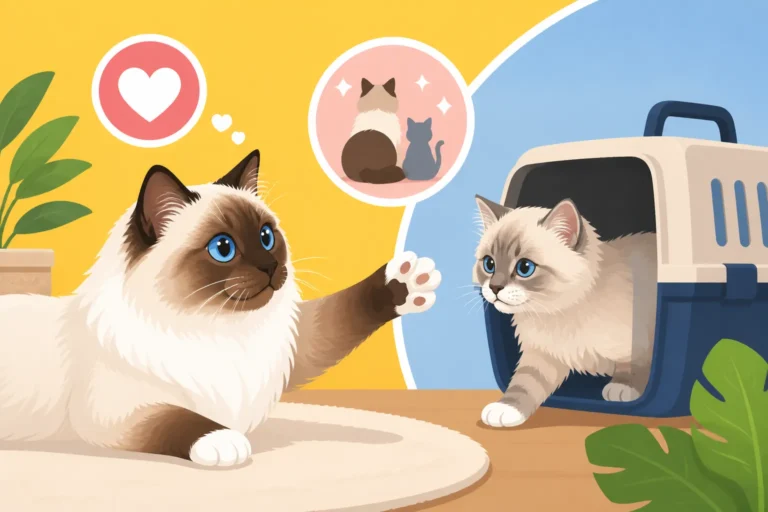
What a Sudden Change in a Birman’s Behavior Means
It's truly unsettling when your usually calm and composed Birman suddenly starts acting… different. As a Birman owner, you know these beautiful cats are renowned for their placid, gentle, and utterly predictable personalities. They’re often called the "gentle giants" of the feline world, loving to be near you without being overly demanding. So, when that steady presence shifts, and you notice a sudden change in their behavior, it’s not just a minor quirk; it’s a big, flashing red light that something isn't right. This guide is here to help you decipher those puzzling new behaviors and understand what your Birman might be trying to tell you.
The Silent Alarms: When a Birman's Health Takes a Turn
Birmans are famously stoic, and this wonderful trait, while making them incredibly serene companions, can also be a challenge when they're unwell. They often hide their discomfort, making it crucial for us, their human companions, to pay close attention to the subtle shifts in their daily patterns. A sudden change in behavior is frequently the first, and sometimes only, indicator that something is physically amiss.
Unexplained Hiding or Withdrawal
Your Birman is typically your shadow, often found gracefully padding from room to room just to be in your vicinity. They're not usually the type to disappear for hours on end. So, if your usually social cat suddenly starts seeking out secluded spots, tucked away under beds, deep in closets, or behind curtains, it’s a significant red flag. This isn't just about them wanting a quiet nap in a cozy corner; it's about actively avoiding interaction and seeking solitude in a way that's out of character. This behavior often stems from them feeling unwell or experiencing pain, and their instinct is to retreat and hide vulnerability. We know that Why a Placid Birman Hides Pain, which means any noticeable withdrawal needs immediate attention.
This sudden reclusiveness can manifest in various forms. Perhaps your Birman used to greet you at the door with a soft, welcoming trill, but now they remain hidden in another room, only emerging cautiously when the house is quiet. Or maybe they’ve abandoned their favorite sleeping spot on the sofa beside you, preferring the dark, undisturbed quiet of a spare room cupboard. This withdrawal is frequently accompanied by a decrease in their usual enthusiasm for food or water. You might find their food bowl still full, or their water fountain untouched, which are critical, albeit subtle, indicators of distress. It's truly a testament to their gentle nature that even in discomfort, they don't often make a fuss. When you ask yourself What a Withdrawn Birman Is Telling You, the answer is almost always "I don't feel well, and I need help."
Changes in Appetite, Thirst, or Litter Box Habits
Few things are as alarming to a cat owner as a change in eating and drinking habits. A sudden disinterest in food, especially their absolute favorite wet food, is a classic sign that something is wrong. Birmans generally have a healthy appetite, and while they might not vocalize demands, they're typically eager for meal times. If they suddenly turn up their nose at a fresh bowl, or worse, stop eating altogether, it’s a serious concern that needs immediate investigation. Conversely, if you notice your Birman suddenly has an insatiable appetite but is losing weight, this can also signal underlying conditions, particularly in older cats where hyperthyroidism or even diabetes can be at play. We understand Why a Birman's Appetite Goes First When It Is Unsettled; it’s often because they’re experiencing nausea, stomach discomfort, or a systemic illness that saps their desire to eat.
Beyond food, drastic changes in thirst are equally important to observe. Is your Birman suddenly guzzling water, emptying their bowl at an unprecedented rate? This could point to conditions like kidney disease or diabetes. Or are they avoiding water entirely, which can quickly lead to dehydration? Any significant deviation from their normal water intake warrants attention. Similarly, changes in litter box habits are highly indicative of health issues. Increased urination, straining to urinate, or urinating inappropriately outside the litter box can signal urinary tract infections, bladder stones, or kidney problems. Pay close attention to the consistency and frequency of their stools as well; any dramatic shift from their norm, whether it's diarrhea or constipation, needs veterinary assessment.
Litter box avoidance can be incredibly frustrating for owners, leading us to believe it’s a behavioral protest. However, in cats, and especially in a fastidious Birman, it’s almost never an act of spite. If your Birman, who has always been so meticulous with their Why a Birman Needs a Litter That Does Not Stain, suddenly starts going outside the box, the very first thing to rule out is a medical problem. Conditions that cause painful urination or defecation can create an aversion to the litter box itself, as they associate it with discomfort. Also, consider environmental factors: is the box clean enough? Have you recently changed the type of litter? Is the box easily accessible? While sometimes the answer is simple, more often than not, it’s a symptom of deeper distress.
Environmental Shifts and Their Impact on a Sensitive Soul
Birmans are wonderfully adaptable, known for their easygoing nature and ability to fit into diverse households, even with Why a Birman Suits a Household With Children and other pets. However, "adaptable" doesn't mean they're immune to stress. These sensitive souls can be deeply affected by changes in their environment, even those we might perceive as minor.
New People, Pets, or Household Rearrangements
The introduction of new members to the household, whether a new baby, a new partner, a boisterous puppy, or even another cat, can be a major source of stress for your Birman. Your cat might react by becoming more withdrawn, hiding more frequently, or, uncharacteristically for a Birman, becoming more vocal or even displaying subtle signs of aggression. A new, energetic kitten, for instance, might cause your usually serene Birman to retreat to higher ground or avoid communal areas. While they often settle well with other pets, the initial adjustment period can be taxing, especially if the new addition is rambunctious.
Even seemingly minor alterations to their familiar surroundings can throw a sensitive Birman off balance. Moving furniture around, bringing in large new items like a towering bookshelf, or undergoing significant redecorating can disrupt their ingrained sense of security. Cats are creatures of routine and territory, and their familiar scents, visual landmarks, and established pathways provide immense comfort. When these are altered, they can feel disoriented, insecure, and anxious. You might notice them constantly sniffing new areas, or pacing nervously where their favorite scratching post used to stand. The process of How Long a Birman Takes to Settle After a Move can be weeks or even months, depending on the individual cat and the extent of the change, proving just how deeply they are affected by their environment.
The absence of a cherished family member, whether due to a new work schedule, extended travel, or a permanent departure, can also trigger profound behavioral changes. Birmans form deep, affectionate bonds with their human companions, and a sudden void in their daily routine can lead to feelings of loneliness and separation anxiety. This might manifest as increased vocalization, restlessness, or even a sudden, uncharacteristic clinginess, where they follow you How a Birman Follows You Room to Room even more intently than usual, seeking reassurance. This breed truly thrives on companionship, and Why a Birman Does Badly as an Only Cat if left alone for extended periods underscores their need for consistent presence.
Unfamiliar Sounds, Smells, and Routine Disruptions
The world can be a noisy, overwhelming place for a cat with acute senses. Loud noises from nearby construction, a new, unfamiliar appliance humming in the kitchen, or even an increase in street traffic can be incredibly stressful for a Birman. Their highly developed hearing makes them particularly susceptible to auditory disturbances. You might notice them becoming jumpier, their ears flattening against their head, or their pupils dilating as they react to sounds you barely register. Persistent exposure to these stressors can lead to chronic anxiety, which can significantly impact their overall well-being. If you've ever wondered How a Birman Reacts to Building Work, you can bet they'll seek refuge in the quietest, most undisturbed room available, often staying there until the noise subsides.
Cats rely heavily on their sense of smell to navigate and understand their world, so new or strong scents can be deeply alarming. New cleaning products, strong air fresheners, unfamiliar perfumes, or even potent cooking odors can be disorienting and stressful. Imagine your Birman sniffing around an area that now smells entirely foreign, even if it's just a newly cleaned floor. This subtle assault on their senses can lead them to avoid certain areas, or even engage in excessive grooming in an attempt to "wash off" the offending scent. What Overgrooming Means in a Birman can often be a coping mechanism for stress, and left unchecked, it can lead to skin irritation, hair loss, and even infection.
A consistent daily routine provides immense comfort and predictability for your Birman. Any sudden disruption in this routine, such as changes in feeding times, play schedules, or when you come and go, can be incredibly unsettling. If your work schedule suddenly shifts, leaving your Birman alone for significantly longer periods, they might develop separation anxiety. This could manifest as increased meowing, destructive behaviors (though rare for Birmans), or even self-mutilation (also rare) as they struggle to cope with the prolonged absence. It’s a clear indication of their deep need for predictability and the consistent companionship you provide.
Subtle Shifts in Interaction and Play
Birmans, while not known for wild, acrobatic displays, do engage in gentle play and show affection in their own unique ways. Noticing a change in these subtle interactions can be a key indicator of underlying issues, be they physical or psychological.
A Sudden Drop in Playfulness or Affection
Your Birman might not be climbing to the ceiling or tearing through the house like a missile, but they typically enjoy interactive play sessions with a feather wand or chasing a crinkle ball. If your cat suddenly loses all interest in play, it’s a significant indicator that something is amiss. Perhaps they used to bat playfully at a dangling toy, and now they just watch it with a vacant, detached stare. This isn’t just a sign of aging; even older Birmans usually retain a spark of curiosity and a desire to engage. While How Much Play a Birman Needs to Stay Content can vary with age, a complete cessation of play is always concerning.
Birmans show affection in a wonderfully understated manner, often preferring to be near you rather than directly on your lap. They might follow you from room to room, settle on the armrest of your chair, or lean gently against your legs. If this cherished interaction suddenly dwindles, or they actively begin to avoid your touch, it’s a clear signal. For example, if they used to rub against your legs for attention and now keep their distance, or if they flinch when you reach out to pet them, it could indicate pain or discomfort. When Why a Birman That Stops Following You Needs a Vet, it's because this profound shift in their bond and comfort level often points directly to an underlying physical problem.
Sometimes, the change isn't a complete halt in their usual behaviors but a subtle shift in enthusiasm. They might still engage, but with less vigor, or appear more easily startled during playtime. These nuanced changes could be a sign of discomfort, fatigue, or even the very early symptoms of a neurological issue. It’s crucial to pay close attention to the details of their personality and energy levels. Observe how they move during play: are they favoring a particular limb, or hesitating before making a jump they used to effortlessly clear? These observations can provide invaluable clues.
Increased Aggression or Fearfulness
While Birmans are celebrated for their placid, gentle, and tolerant temperaments, a sudden onset of aggression is highly unusual and deeply concerning. This isn't typical Birman behavior, and if your cat suddenly starts hissing, swatting, or even biting when you approach or attempt to pet them, it’s almost invariably rooted in pain or extreme fear. A Birman suffering from a hidden injury, joint pain, or even severe dental discomfort might lash out instinctively if you accidentally touch a sensitive area. For instance, Why a Birman Flinches When Its Back Teeth Are Touched could be a clear sign of significant dental disease, a common and often painful issue that can go unnoticed until it reaches an advanced stage.
Similarly, a sudden increase in fearfulness – startling easily, constantly scanning their surroundings, or even displaying aggression born out of fear – can indicate a profound stressor or an underlying neurological problem. Perhaps they used to be perfectly unperturbed by the vacuum cleaner, and now they bolt and hide at the slightest hum. This dramatic shift in their baseline anxiety level warrants immediate investigation. They might also react fearfully to specific sounds or objects that never bothered them before, suggesting a newly formed negative association or a heightened state of sensitivity.
It’s essential to carefully distinguish between playful nips, which a kitten might employ, and genuine aggression. If you're observing actual claws and teeth being deployed with clear intent to cause harm or create distance, this represents a serious behavioral shift in an adult Birman. Observing when and where this aggression occurs can provide valuable clues for your vet. Is it only when you try to pick them up, suggesting back pain? Or is it directed specifically at one person or another pet, indicating a social stressor? This careful observation can significantly aid in pinpointing the root cause.
What to Do When Your Birman's Behavior Changes
When your beloved Birman’s behavior takes an unexpected turn, it can be distressing. The key is to act swiftly and systematically to identify and address the root cause, providing your cat with the best possible chance for a full recovery.
Immediate Veterinary Consultation is Key
When you notice any sudden and sustained change in your Birman's behavior, your first and most crucial step, without exception, should be to contact your veterinarian. Do not delay. Cats, particularly a stoic breed like the Birman, are masters at hiding illness until it's quite advanced. What might seem like a minor behavioral quirk could very well be the only outward sign of a serious underlying medical condition, ranging from kidney disease to critical cardiac issues like hypertrophic cardiomyopathy (HCM). The insidious way a Birman's heart starts to thicken (At What Age a Birman's Heart Starts to Thicken) often goes unnoticed until late stages, and a behavioral change might be one of the few early indicators before a crisis.
When you contact your vet, be prepared to provide a detailed history of the changes you’ve observed. Think about when the behavior started, how frequently it occurs, and if there are any specific triggers or patterns. Have you noticed concurrent changes in their eating, drinking, litter box habits, or general activity levels? Even seemingly insignificant details can be crucial. It's often helpful to keep a small journal or notes on your phone for a few days before the appointment to capture a clear, objective picture of the new behaviors. A short video clip can sometimes be incredibly useful if the behavior is intermittent or difficult to describe.
Your veterinarian will likely perform a thorough physical examination, meticulously checking everything from their teeth to their paws. Depending on their initial findings and your observations, they might recommend diagnostic tests such as blood work, urinalysis, or even imaging like X-rays or ultrasounds. These tests are essential for ruling out or confirming underlying medical conditions that could be causing the behavioral shift. Remember, addressing any physical cause is paramount before considering purely behavioral interventions. For a breed with certain predispositions, your vet will pay particular attention to Which Blood Values a Birman's Kidney History Makes Important, especially as they reach middle and older age.
Environmental and Routine Adjustments
Once medical causes have been thoroughly ruled out or are being effectively managed by your vet, you can turn your attention to optimizing your Birman’s environment. Consider whether your home offers a calm, predictable, and secure space for your cat. If they seem to be seeking height to escape perceived stressors, look into adding more vertical spaces like cat trees or wall shelves. Create a dedicated, quiet "safe room" or sanctuary where they can retreat when feeling overwhelmed, especially if there are new pets or children in the house. Ensure their food, water, and litter boxes are located in quiet, easily accessible, and private spots.
Re-establish and maintain a consistent daily routine for feeding, play, and cuddle times. Predictability is incredibly comforting for cats and can significantly reduce anxiety. For Birmans who thrive on companionship, consider enriching their environment with puzzle feeders (many fantastic options are readily available on Amazon) or engaging interactive toys, provided they are still willing to play. If your Birman is showing signs of stress due to loneliness or lack of mental stimulation, exploring options like trusted pet sitters, a timed feeder, or even introducing a compatible feline companion (if appropriate for your household) might be worth considering. This is especially true because Why a Birman Does Better With Company is a well-established trait of the breed.
Pheromone diffusers, such as those made by Feliway (which can be easily found on Amazon), can sometimes help create a more calming atmosphere in the home, particularly during periods of transition or heightened stress. While not a standalone solution, they can offer a subtle layer of comfort for anxious cats. Ensure their litter box is kept impeccably clean and that you’re using a low-dust, unscented litter. Even the type of litter can influence a Birman's willingness to use the box, especially for a cat with white gloves that go yellow (Why a Birman's Gloves Go Yellow) if they're exposed to staining litter.
Consulting a Feline Behaviorist
If, after thorough veterinary clearance and diligent environmental adjustments, your Birman's behavioral changes persist, it might be time to seek the expertise of a certified feline behaviorist. These highly specialized professionals are dedicated to understanding and modifying cat behavior, and they can often identify subtle triggers or patterns that you, as the owner, might have inadvertently overlooked. They can offer tailored strategies and solutions, often working in close collaboration with your primary veterinarian.
A behaviorist will typically conduct a comprehensive assessment, often involving observations in your home environment to see your Birman in their natural habitat. They can help you implement specific training techniques, desensitization protocols, or counter-conditioning strategies to address complex issues like deep-seated fear, aggression, or persistent inappropriate urination. They will also advise on appropriate environmental enrichment to keep your Birman mentally stimulated and emotionally content. Sometimes, a seemingly minor adjustment in how you interact with your cat or how their daily environment is structured can make a world of difference.
It's crucial to remember that patience is paramount when addressing behavioral changes. Issues rooted in deep-seated fear, anxiety, or learned responses do not resolve overnight. It takes consistent effort, empathy, and a profound understanding of feline behavior to help your Birman feel secure, content, and happy again. Combining expert veterinary care with thoughtful environmental management and, when necessary, professional behavioral guidance offers the very best chance for a positive, lasting outcome for your beloved Birman. Many excellent resources, including books and guides on feline behavior, can be discovered and purchased on Amazon to further your own understanding and support your cat’s journey back to their normal, sweet self.
Disclaimer
This article is for general informational purposes only and does not constitute professional advice. Laws, prices and regulations vary by location and change over time. Consult a qualified professional for guidance on your specific situation.